
Navigating the Abyss
The Enigma of the Uncanny Valley
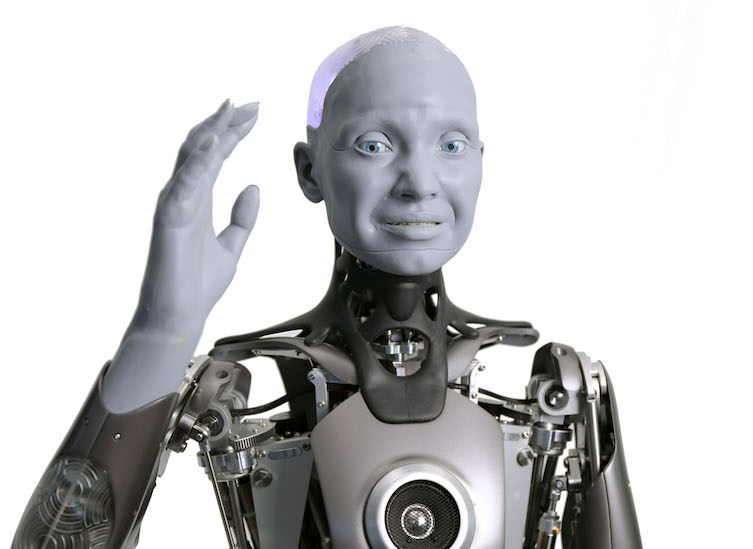
I am fascinated by the Uncanny Valley phenomenon!
In the vast landscape of human emotions and perceptions, a peculiar chasm has long intrigued scientists, psychologists, and artists alike — the uncanny valley. Coined in 1970 by Japanese roboticist Masahiro Mori, this term describes the uneasy, unsettling feeling experienced by humans when faced with entities that closely resemble, but fall short of, being wholly human.
The concept of the uncanny valley is rooted in robotics and artificial intelligence. As technology advances and the quest for creating lifelike humanoids gains momentum, the uncanny valley becomes an unavoidable pitfall. Mori’s theory suggests that as a robot or artificial entity becomes increasingly human-like, our emotional response to it becomes more positive — until a point where the likeness is almost perfect. At this juncture, a sudden and steep dip occurs in our emotional response, creating a valley of discomfort.
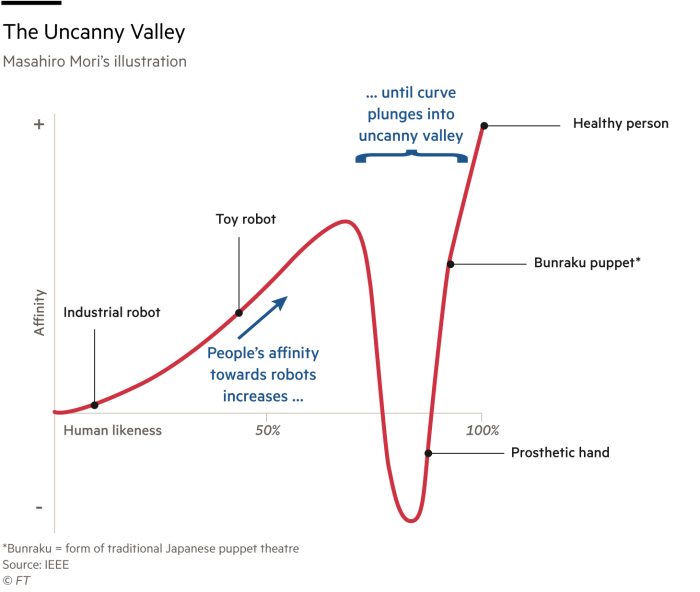
Why It Makes Humans Uncomfortable:
The discomfort experienced in the uncanny valley is deeply ingrained in our evolutionary history. Evolution has hardwired humans to seek familiarity and social connections, a survival mechanism that hinges on the ability to distinguish between what is human and what is not. When confronted with entities that almost mimic human appearance but lack the essence of true humanness, our brains are thrown into disarray. The discord between expectation and reality triggers a primal sense of unease, akin to encountering the unknown or facing a potential threat.
Examples of the Uncanny Valley:
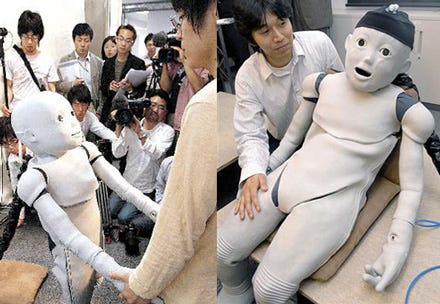
Robotics and Humanoids: The realm of robotics provides some of the most tangible examples of the uncanny valley. Humanoid robots, designed to assist in various tasks, often elicit discomfort due to their almost-human appearance combined with subtle imperfections. The eeriness intensifies when these robots attempt facial expressions or human-like gestures, exposing the limitations of current technology.

Digital Avatars and Animation: In the entertainment industry, computer-generated imagery (CGI) advancements have brought characters to life with astonishing realism. However, the uncanny valley rears its head when characters in animated movies or video games approach a hyper-realistic appearance. Viewers can be left unsettled as these characters teeter on the edge of being indistinguishable from real humans.
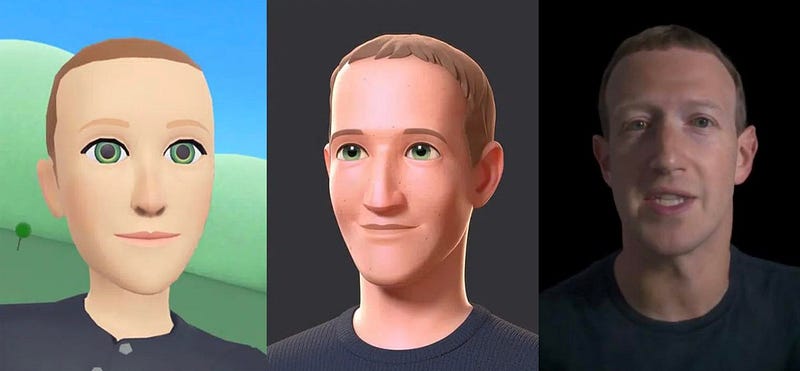
Deepfake Technology: The rise of deepfake technology exemplifies the uncanny valley in the digital realm. Deepfakes use artificial intelligence to superimpose or replace existing content with manipulated videos or images, often featuring real individuals. The unsettling nature of deep fakes lies in their ability to create compelling simulations of people engaging in actions or expressions they never did.
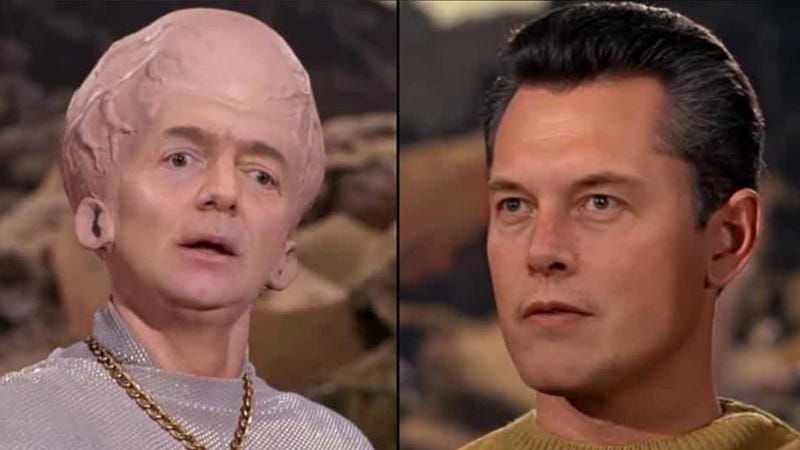
As technology continues to blur the lines between the artificial and the authentic, our journey through the uncanny valley remains an intriguing and cautionary tale. Navigating this enigmatic terrain requires a delicate balance between technological prowess and understanding the deep-seated human instincts that shape our perception. The uncanny valley is not merely a hurdle to overcome but a reflection of the intricate dance between our creations and our very essence as human beings.
Until next time.
Thank you for reading! If you enjoy my writing, it will help me to follow and subscribe so I can keep contributing engaging content.


