
How to Perfect the Art of Headlines Writing. This Is My Perspective.
Headlines are like doors. Stories are the room. We must get the readers to open our doors.

Perfecting headlines is an art, at least in my perspective. There are many ways to write a headline, and there are many ways in which our headlines fail to stop a scrolling reader. Clickbait aside. And we have to be practical as well. A good story is as good as the ability to get readers to read it. That has to be accomplished by great headlines.
This reminds me of a marketing lesson I learned in Business School. As my professor would always say, the sweet is only sweet because we opened the wrapper and eat it. Though philosophical, it makes sense. So, the deal is; How do we get readers to open our door?
The answer is a package of thought-provoking content, great writing, and attention-grabbing headlines. While I might not have much to say about the first 2 points, I do a little to share about the latter. That’s because I wrestle with it all the time.
Headlines are important. But I haven’t given you the answer to my question in this story headline. Let me share below how I go through the process of headline conception followed by an iterative method of seeking perfection.
When it comes to the initial conception of headlines, being short and sweet, relatable and actionable is key. And for this to happen, we have to start scribbling the initial headline-draft first. I will use a story published recently as an example.
This story is initially titled “What Do We Need to Know About Social Intelligence”. It is about poking the box on knowledge acquisition, presenting my perspective on that topic. I wrote this out on my notepad first and then pasted it into a headline analyzer tool. The following results appeared.
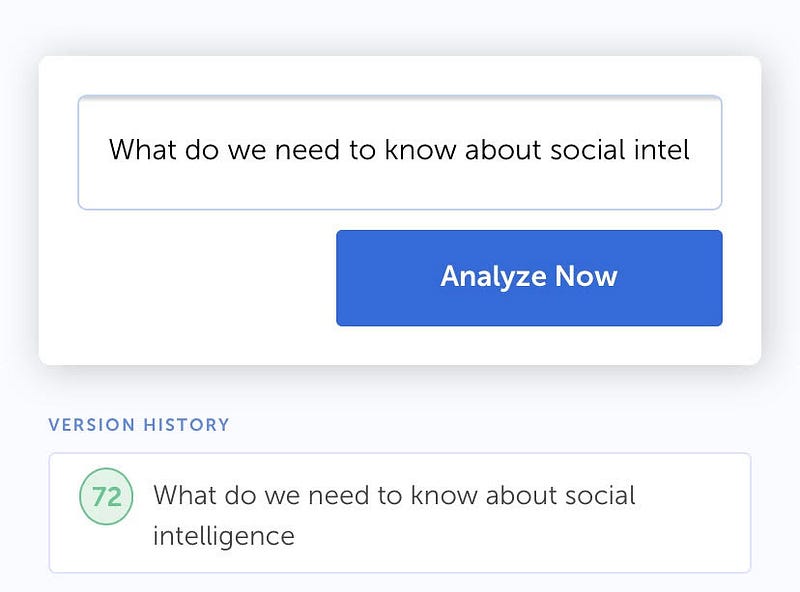
It was apparently a good headline but not a great one. And personally, I felt that something was amiss. While the analyzer took care of the structure and diction, I gave many thoughts on the emotional attraction side.
As I re-read the headline, I realized one thing. It was flat. Not to mention, rather blend. What if readers do not want to know what they need to know?
I left it as it is for a while. An idea popped into my head during lunch, so I scribbled the change. The updated version is now “This Is What We Need To Know About Social Intelligence”.
I thought it sounded better because it went from generic-many (What we need to) to direct-targeted (This is what we need to). And I typed it into the headline analyzer. It showed me this.
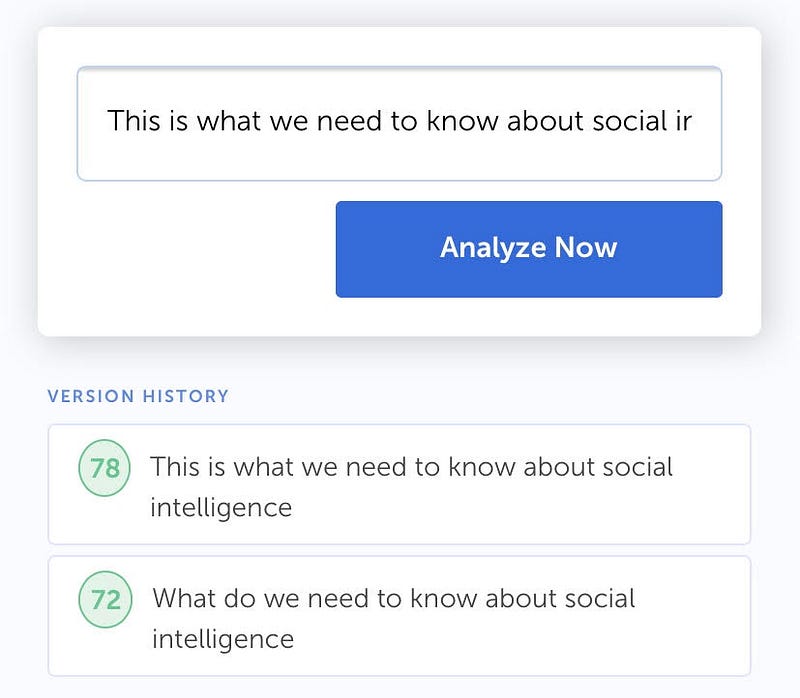
The score shot upwards. It was a good score, meaning a technically good headline. That gave me a basic quality assurance but I wasn’t quite convinced. I went back to read my story one more time, and I found my sub-title rather appealing.
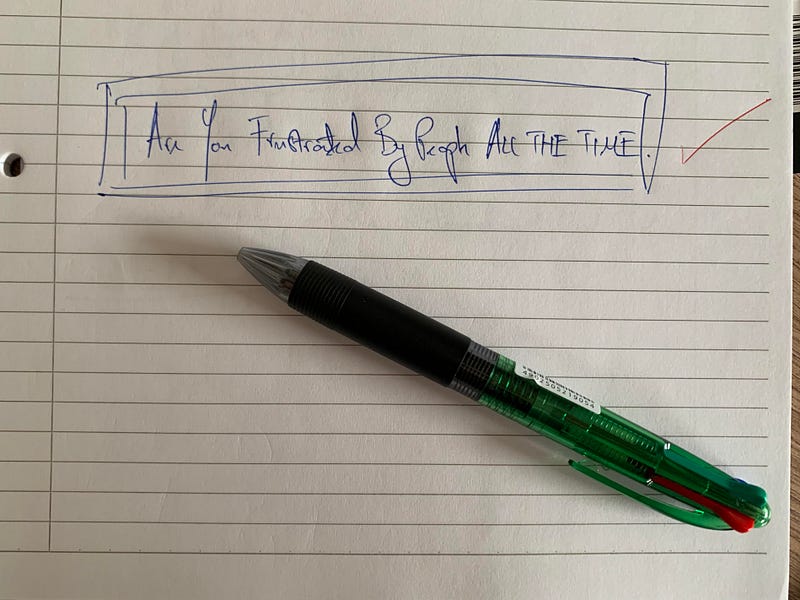
It goes like this; “Are You Generally Frustrated By People?”. I compared that to that updated headline, and I thought the sub-title appeals to me more than the headline itself.
So, I decided to do a swap. Before that, I ran a test check on the headline analyzer. The results were okay.
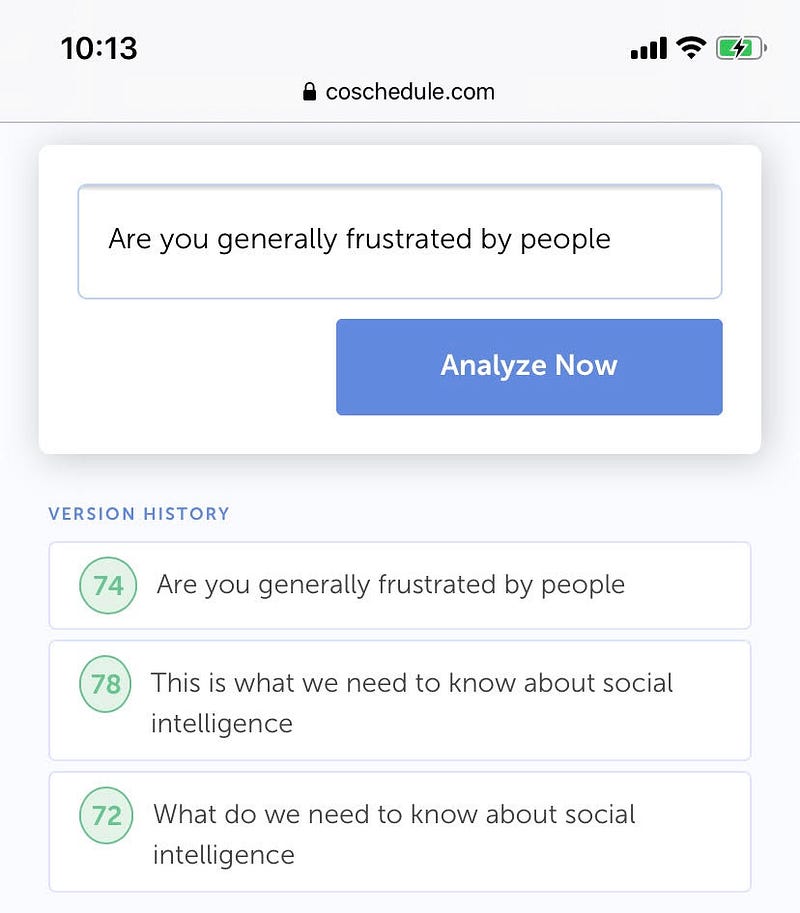
It might have scored slightly lower than the updated headline, somehow it feels right. I made up my mind to use the sub-title as the headline. A final tweak was necessary as the word “generally” seems to suggest nothing. I removed that and added “All The Time” at the tail-end. That was my sentiment anyway. This was my analyzer score.
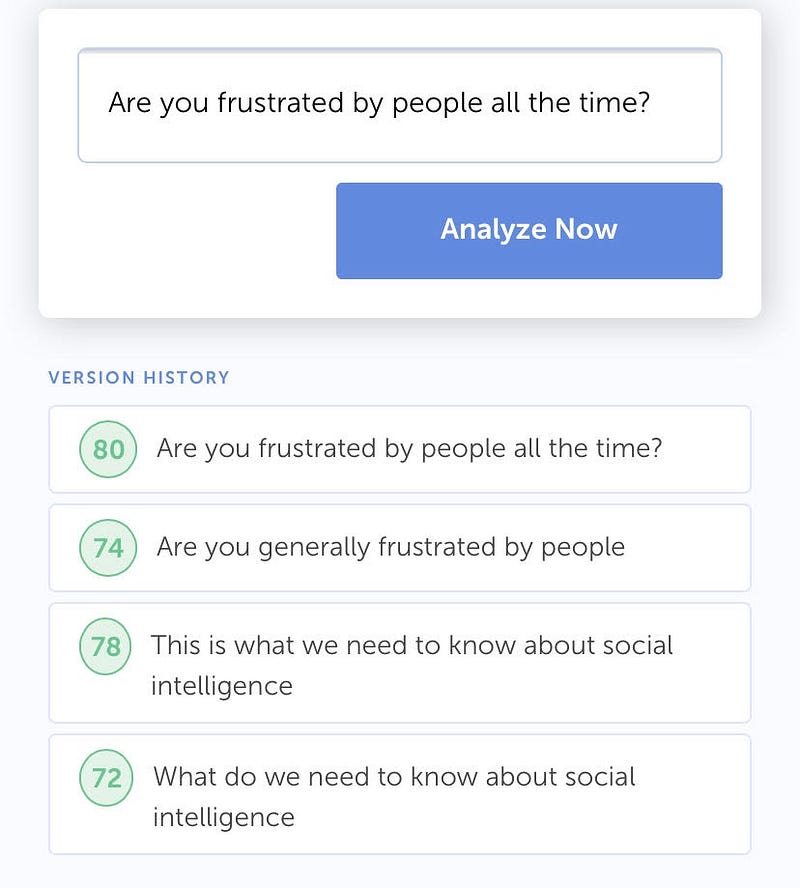
I was pleased. The basic quality assurance provided by the software matches my sentiments of the topic and what I wanted to convey. I drew a double-box on my scribble in the paper notepad and put a check beside it.
Chapter closed.
That is just one iterative experience that I have. In reality, some days are easier because I seem to get it. Other days are ridiculously tough because it doesn’t come to me. As with every skill that we are trying to acquire and ingrain into our minds, it takes time. Quite a bit of time too.
While the above is an actual process of perfecting a headline, I have to declare one thing. I don’t rely solely on analyzer tools. I use it to cross-check my writing acumen.
The process usually starts with me as I start thinking and writing down the headlines. Then I would have a mental score of the headline. That means I would have gone through a few rounds of version updates in my head.
It is only then I will start cross-checking using the analyzer. Sometimes I am on point. Sometimes I am in for a rude shock.
There are also days when I don’t trust the analyzer. When in doubt, I refer to my gut.
After writing scores of headlines, editing, and pruning as I go along, there are some categories I use pretty frequently. That is because they align with what I want to tell my readers at the Principle level. I have listed them below.
# 1 — What To Do When …
I typically use this for stories suggesting a mindset change. Or maybe clearing the mental fog. I apply this when there are multiple ways that a topic has already been presented and how this one really works for me.
# 2 — What Are … What Is …?
More generic, usually a sharing piece. This works when a topic is new, and fresh knowledge can be disseminated straight from the oven.
# 3 — How To …?
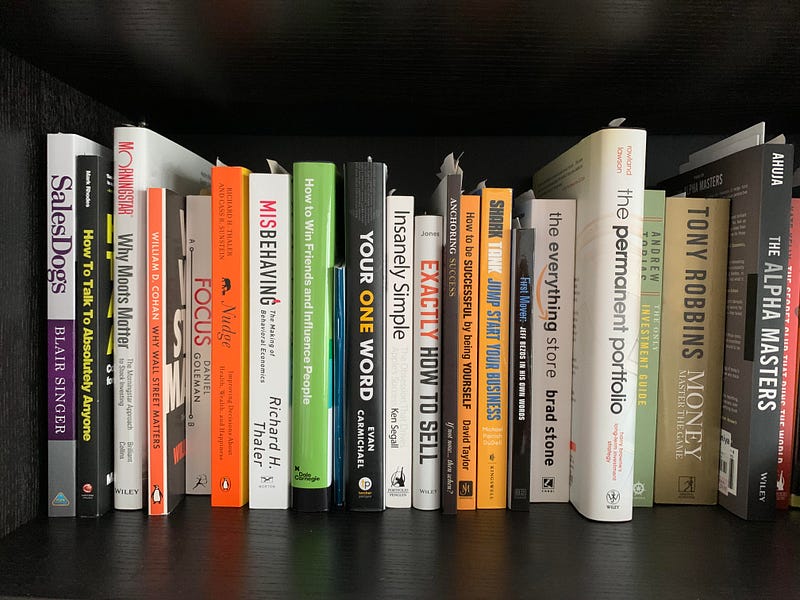
This is used to show the steps of achieving something. It could be to understand, to teach, to impact, to share my learning lessons. I have to say this is the most common form of headlines, and my bookshelf is a testament to it. “How To” title headlines are extremely popular.
My Final Note.
Regardless of the headline type — Headlines are important because they attract readers to our stories. In fact, I spend a lot more time thinking and perfecting the headlines more than writing the story itself.
My goal is to be able to come out with attention-grabbing headlines intuitively and fast in time to come, and though I say that, I learned to be patient. In the meanwhile, I will focus on polishing my craft with the support of various analyzer tools available.
I wish the same for you too.
Happy Headline Writing,
Aldric
Related Stories from the Author.
About the Author:
As a content contributor, I write my observations from daily life and my business exposure.
Because our life experience is the bedrock of our unique perspectives.
As a Consultant by training, I believe in making the complex simple.
Because simplicity adds value.
Simplicity helps us gain clarity, and clarity helps us to grow.
Follow me for my stories on Medium!
This is more “About Me”.
Do reach out and say hi on Linkedin!