
How to Make 700 Times Returns via Thematic Investment
Identifying megatrends as investors

Thematic investing strategies seek to capitalize on potential opportunities created by long-term economic, technological, and social developments. This method differs from more traditional methods of investment selection.
Pls join our real time market update via Telegram! https://t.me/+W03xzPl3C9c5OGE1
What’s the concept of holding mega-trend stock?
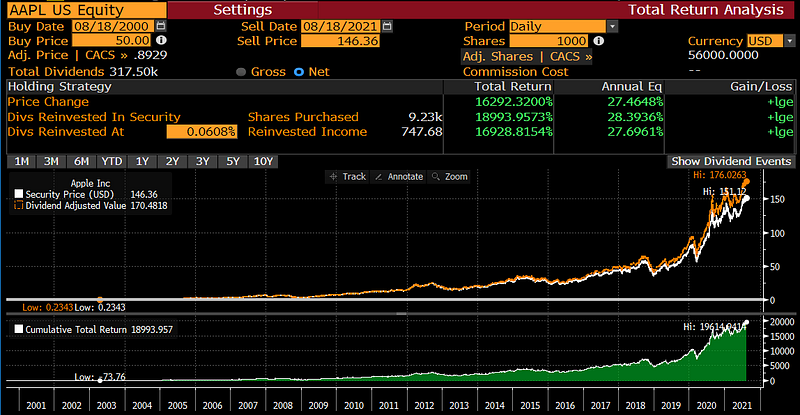
A mega trade could last for more than 10 years. Using Apple as an example, the iMac was first introduced in 1998, and the share price of Apple was just 2 cents. We all know how Steve Jobs changed the personal computer industry. He bought not only Mac, and iPod, but also streaming music, which is the revolution of the internet business, i.e. a paid subscription model. It’s the first version of the SaaS business model.
After 20 years of development, the share price of Apple was 140 in August 2021. It’s 700 times growth! What if you invested USD $1,000 in 20 years ago? It’s USD $700,000 now!
👍 For more stories, pls follow my facebook Future Playbook or Twitter 👍
How to identify a megatrend
Identifying megatrends is not easy. Just like do you know Apple will climb another 700 times? There are thousands of stocks in the market, are there any efficient ways to screen the opportunity?
Here are some criteria for screening:
- It should be a long-term structural trend that may transform global economic
- High disruption and innovation
- Significant growth potential
- Increasingly important drivers of earnings and equity returns
4 Major Themes
Based on the criteria above, there are some themes exposed to the megatrend. For example,
- Low carbon
- Technology advancement
- Emerging market
- Easing Monetary Policy
Low carbon

The transition to a low-carbon economy has a wide range of impacts in numerous industries. A number of European utility businesses are driving the transition away from fossil fuels and toward renewables in power generation.
The EU Commission is attempting to boost building energy efficiency in order to cut GHG emissions, which is expected to treble building renovation rates.
This trend is expected to help several industries. In the transportation sector, urbanization and green transportation policies are encouraging investment in global rail networks, while the increased development and production of electric vehicles presents a number of opportunities, especially for semiconductor manufacturers.
In the US, the Biden government is planning to turn 50% of vehicles into EVs by 2030. The policy speeds up the adoption of EV, charging stations, and battery technology innovation.
Technology
Business models all across the world are being disrupted by the breadth of innovation and the speed of technology being adopted.
Cloud or SaaS adoption is rising as firms feel more comfortable transferring mission-critical workloads from on-premise to cloud infrastructures, which is a trend that has accelerated due to the virus, which has caused more employees to work from home.
Companies no longer have to invest in infrastructure when it comes to software because they can “rent apps,” freeing up IT costs and boosting the overall amount spent on software.
Cloud adoption drives the demand for data centers and high-speed 5G internet.
Emerging Market

The development of emerging markets and increasing consumer demand are other key secular trend. In emerging countries, as income grows, so does productivity, and so does consumer spending.
An upwardly mobile middle class will have more demand for consumer goods, better housing, discretionary products, and services as a result of this.
This tendency will have an impact not only on their local economy but also on global demand. Consumer discretionary and financial names are the best bets for this thematic trend.
Easing Monetary Policy
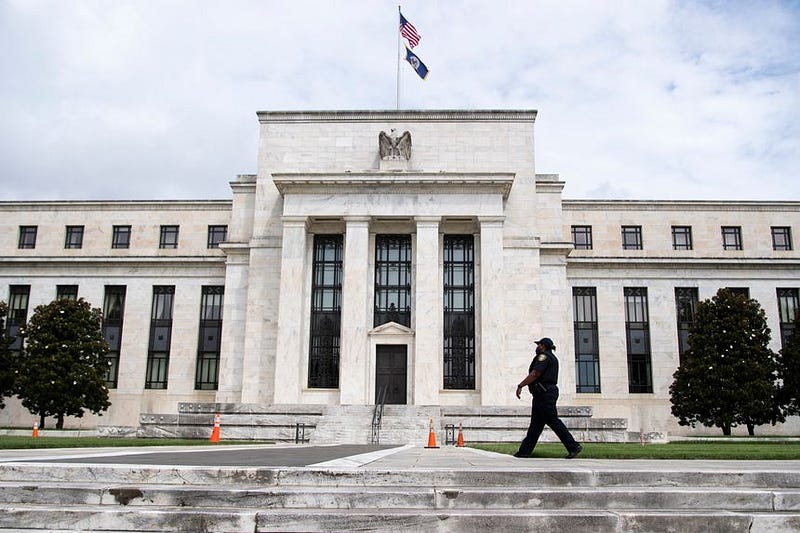
Finally, easing monetary policy provided by global central banks, which has had a significant impact on capital markets.
Central bank balance sheets have swelled swiftly in reaction to the crisis, accompanied by a large-scale fiscal stimulus that has succeeded in giving some relief from the abrupt slowdown in global GDP. Low real returns are projected to continue.
For more details about how negative real yield supports the economy, you may read one of my articles titled What’s the Key Factor Supporting Equity Returns?
Macro Framework
It is necessary to invest over several time horizons through a portfolio, in order to successfully take opportunities in these volatile markets. As a result, these secular tendencies must be viewed in conjunction with a macro-cyclical framework.
It is useful to examine which stage of the macro cycle is now, i.e. expansion, recession, recovery, or slowdown, across major economies using this framework, and to try to time the regime shifts.
The stage of the macro cycle, in turn, aids with portfolio composition considerations. It is currently thought to be in a recovery phase in the US and China.
3 Steps to Construct a Thematic Portfolio
In order to convert the idea into practical action, we need to construct a portfolio, which held the thematic stocks mentioned above.
3 Steps
- Thematic modeling
- Company exposure calculation
- Portfolio construction
Thematic modeling
- Build a clear expression of the theme to capture the key trend
- Identify aligned business activities incorporating theme insights
- Map products, services and concepts linked to the theme
Company exposure calculation
- Measure by relevance score between the business activity, products or services with the theme
Portfolio construction
- Select and assign weighting each stock
Final Thoughts
Combining secular and cyclical themes provides global macro investors, allowing them to take opportunities across multiple time horizons with a diversified, risk-controlled, and flexible strategy critical to generating positive investment performance in a variety of market conditions.
Further Readings
DisclaimerThe content of this webpage is not an investment advice and does not constitute any offer or solicitation to offer or recommendation of any investment product. It is for general purposes only and does not take into account your individual needs, investment objectives and specific financial circumstances. Investment involves risk.


