
How to rebalance a 60/40 portfolio?
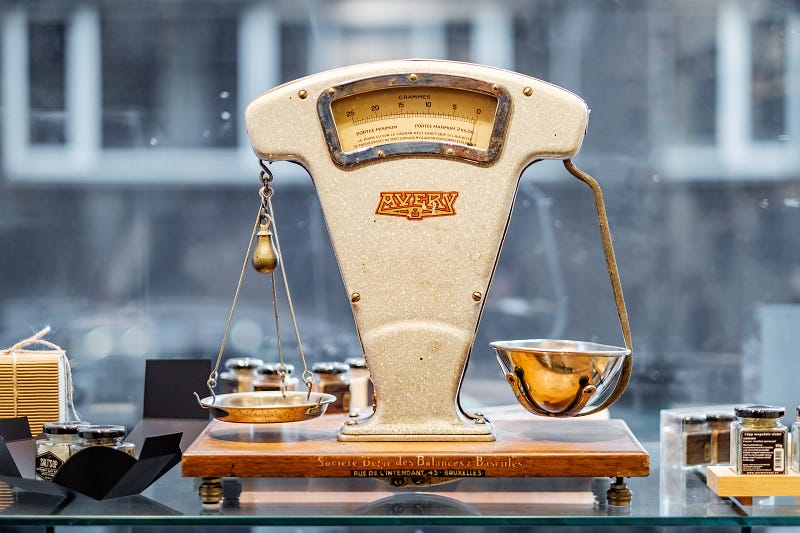
60/40 Portfolio is a common asset allocation between Equity and Bond. Most of the institutional and mutual funds like to hold a balance between Equity and Bond attribution, say 60% Equity and 40% Bond.
It’s called a Balanced portfolio. However there are a lot of questions regarding the performance and the function of “balance”.
In terms of balance, we initiatively expect a balanced portfolio could save us during market downturn like during the bear market, financial crisis, or COVID outbreak.
We expect too much
Unlucky, it’s not the case. So, there are a lot of investors who claim that “Balanced Portfolio doesn’t work anymore now”.
However, I would like to clarify that the statement should be “Balanced portfolio doesn’t work as my expectation now”.
A fair performance evaluation for a 60/40 portfolio is the risk-adjusted returns, rather than absolute performance.
Here is an example of 60/40 portfolio rebalancing, and rebalancing frequency is quarterly:
Today
Assume we have USD 1 million as initial asset, and allocate 60% to equity and 40% to bond, i.e.
- 60% Equity = USD 600k = 150 shares of SPY at $4,000 per share
- 40% Bond = USD 400k = 4000 shares of TLT $100 per share
After 3 months
After 3 months, SPY +10% to $4,400, while TLT dropped 10% to $90, the portfolio total asset value becomes:
- Equity 150 x $4,400 = 660,000 (64.7%)
- Bond 4,000 x $ $90 = 360,000 (35.3%)
- Total asset value = 660,000 + 360,000 = 1,020,000
We have $20,000 capital gain in this quarter! However, the portfolio is imbalanced now.
The equity increased 4.7% from 60% to 64.7%, while the bond decreased 4.7% from 40% to 35.3%.
Rebalancing
To rebalance the portfolio, it’s required to sell the 4.7% of equity and fund the bond buying. In this case. the $20,000 is converted from unrealised gain to a realised gain and reinvested in the same time.
👍 For more stories, pls follow my Future Playbook facebook page! 👍