
EDITOR’S PICK
How Can The Waterways Breathe When They Are Choked With Plastic?
Sustainability is important for nature and some future solutions are being found.
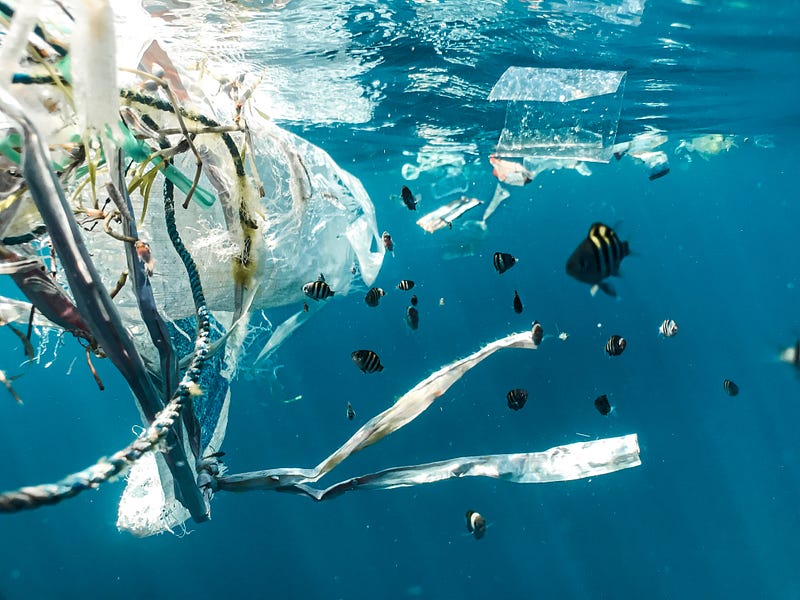
How do the waterways get choked?
We all say we love nature and it inspires us. We find it heaven on earth. It helps us to connect with it and take a nature bath. It exhilarates us. Just as it gives us food and shelter we should also see that we do not pollute our rivers, seas, and oceans.
According to the International Union for Conservation of nature
“At least 14 million tons of plastic end up in the ocean every year. Plastic debris is currently the most abundant type of litter in the ocean, making up 80% of all marine debris found from surface waters to deep-sea sediments. Plastic is found on the shorelines of every continent, with more plastic waste found near popular tourist destinations and densely populated areas.”
The plastic debris in the ocean comes from urban and stormwater sewer overflows, littering, inadequate waste disposal, industrial activities, construction and disorganized management, tire waste, and illegal dumping.
The problem is that plastic breaks down into small particles called microplastics and marine life ingests it accidentally. Many countries do not have facilities for sanitary landfills or recycling facilities and disposing of waste systems. This leads to overload of plastic. The term used for this is ‘plastic leakage’ and the water gets choked with plastic overload.
So I would really appreciate it if you know of efforts of sustainable practice being taken up as I find that there are hardly any articles about it on ‘Coffee Times.’ Certainly, we owe it to the environment to protect it so that nature continues to service us always.
Efforts to reduce plastic from waterways
I would like to bring to you two efforts that are laudable. From pollution to solution a UN environment program has recently assessed the damage to water.
- The first Dhow (A ship with two masts) was made fully through recycled plastic. It is called the Flip Floppi. It has taken an expedition to find out and map the impact of Marine Litter in the Lamu Archipelago of the Western Indian Ocean. They are hoping to support the local communities by offering them solutions to reduce plastic through proper waste management systems and through proper recycled new products.
- An island will be made from waste. Margot Krasojevic has through research brought out an idea to make an artificial island through land reclamation and renewable energy from the waste in the Indian ocean. It was felt that in this area in Australia there was an increase in plastic pollution and the damage could be felt in the ecosystem to the Cocos (Keeling) archipelago, trapping and killing hermit crabs.
The takeaways
- We must remember is that we should be kind to the waterways and try not to throw waste and dirt substances and choke the waterways with plastics and kill marine life.
- Now I leave you to think about how you should look after nature. When you go to tourist spots remember how much damage you will do if you do not take care of waste and plastic substances.
Let me pick some stories from Coffee Times that I enjoyed this week:
The editor’s pick for this week (19th March-25th March 2022)
- I loved the story by Esther George. She advises people that if they want to change they have to make a real effort. You have to challenge yourself for real change to happen in your life.
2. Umme Salma has a beautiful story about how you should write. Her tip is to show but does not tell your story. I am sure you as a writer will find it useful.
3. Sujona Chatterjee won a competition but success is a double-edged sword she says and I agree with her. She had to face some challenges and she has expressed her emotions. She learned to use and manage her emotions in a positive manner. It is worth reading about her experience.
Neha Sonney, Author described her wonderful adventure to Jordan. Some of you who have read my stories know how much I enjoy traveling and the adventures I go through. I read Neha’s Jordan adventure. I enjoyed reading it.
Goodbye, for this week, and please do take care of nature. It is precious. Look after the water bodies in your area and remember to write some stories about it too.
The future is important as climate change is already happening and this can be a disaster in the future. The choice is yours! A good environment with clean pollution-free water in our rivers, seas, and oceans will be a boon for us and our future generations as well.
Thanking my wonderful team members Winston, Vidya Sury, Collecting Smiles, Yana Bostongirl, Sharing Randomly, Marrisa W. Ashley, Vincent Van Patten
©Dr. Preeti Singh, 2022.


