MY TRAVEL DIARY
How Bridges Resonate the Character of Cities Around the World
The Globetrotters February Monthly Challenge.
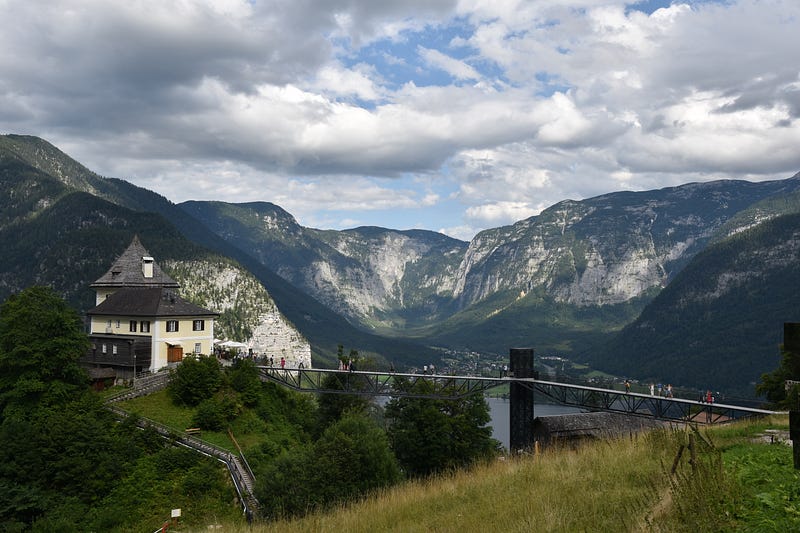
When I first heard the topic for the Globetrotters February challenge, I thought I would probably sit this one out. I could not think about what I would want to say on bridges. But then, I searched my photos on Google Drive and realized so many of them had bridges. I also thought of the ones still on my computer, which had not been uploaded. Like the one from Hallstatt in Austria, which I finally used as my cover photo. It has always been christened in my mind as ‘The Bridge Across Forever”.
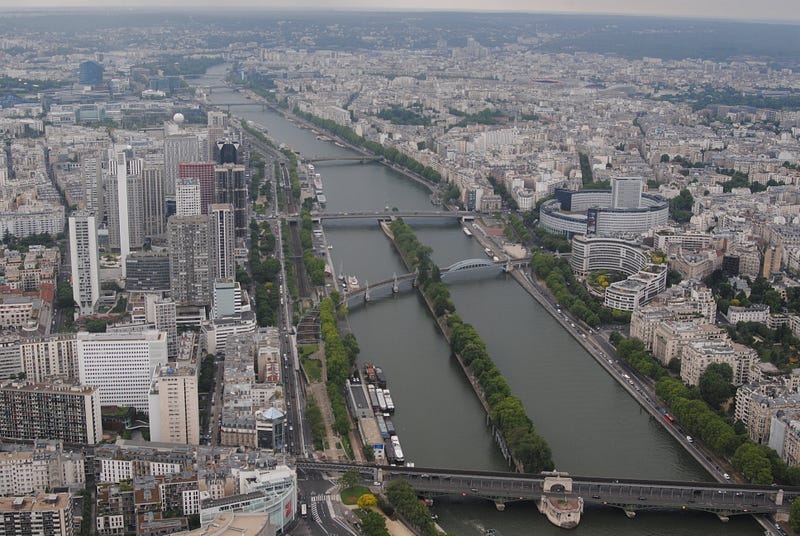
I realized bridges are an intrinsic part of our stories about cities. They will always appear in our travel memories. Like this moment when I was standing on the bridge of the Eiffel Tower and looked down on beautiful Paris. The city has 37 bridges and footbridges across the Seine. I did not think of it when I clicked this photo, but this picture has eight of them.
Bridges make iconic views of cities
It’s true. Cities are sometimes known by their bridges. The Brooklyn Bridge in New York. The Golden Gate Bridge in San Francisco. So too, the Chain Bridge in Budapest, which has connected the Buda and Pest sides of the city over the Danube for more than 170 years. At the time when it was opened, it was considered to be one of the great architectural wonders of the nineteenth century. Today, it towers over the city, defining its landscape.
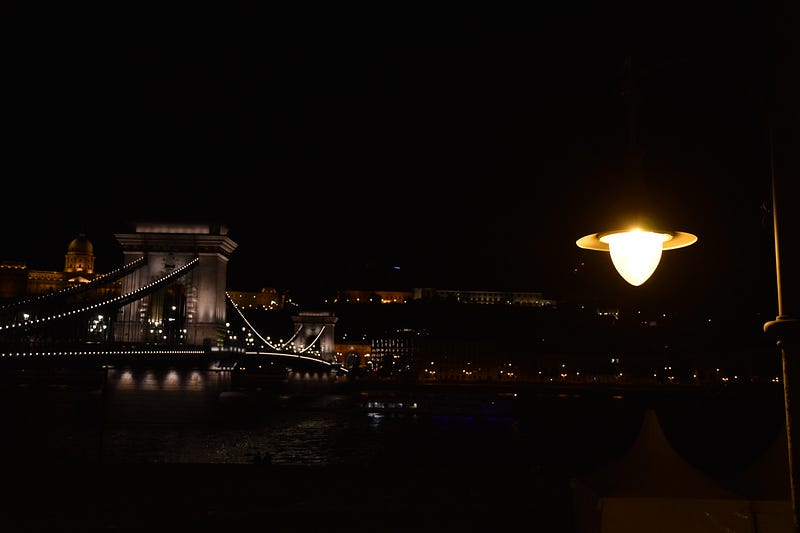
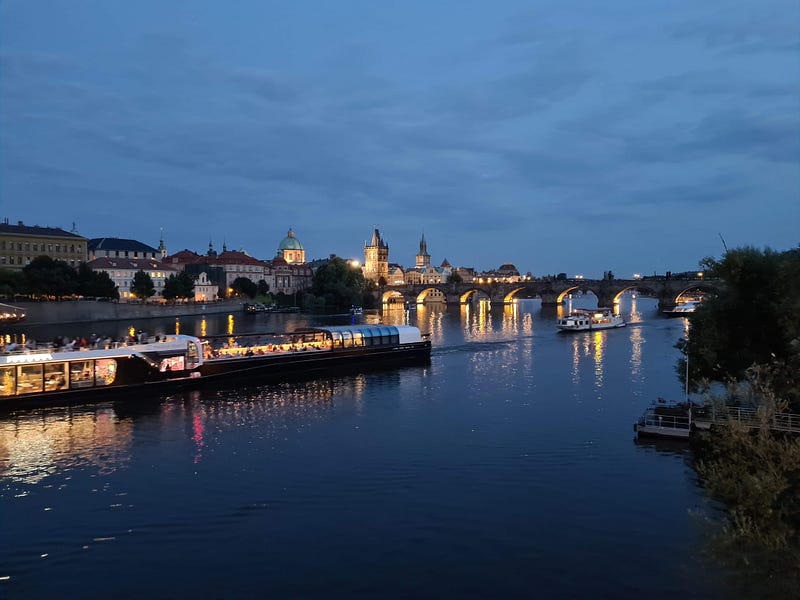
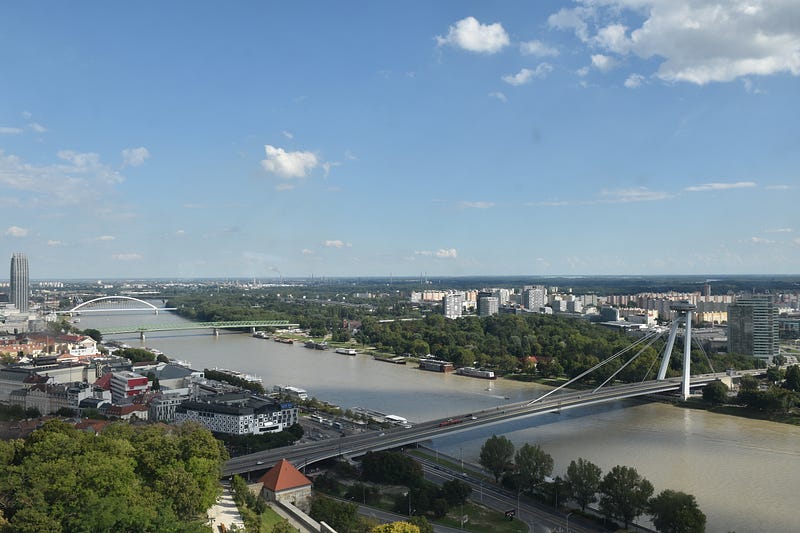
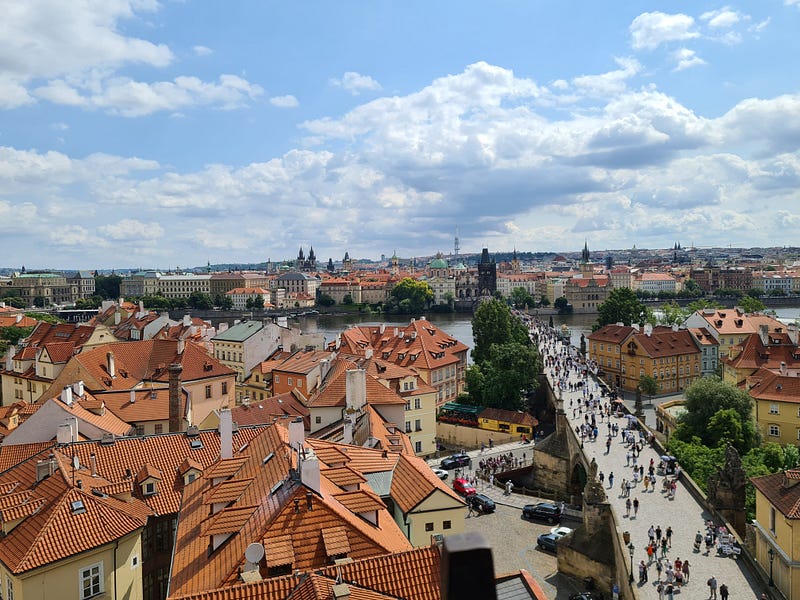
When I think of Budapest, I see the Chain Bridge. Just as when I think of Prague, I see the Charles Bridge, or when I think of Bratislava, I see the UFO Bridge. The traveler in me sought out all these bridges to understand these cities and see these places as they wished to be seen by the world.
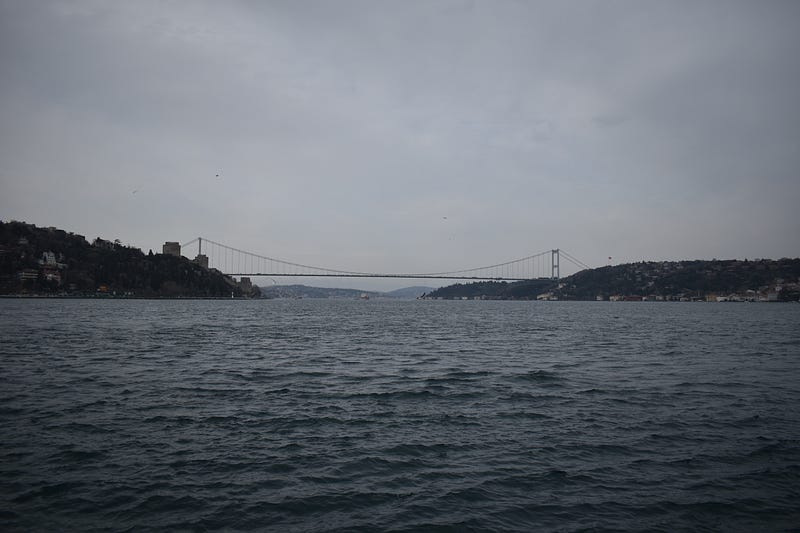
But my favorite cityscape shaped by bridges remains the Bosphorus, which was the site of great clashes between the East and the West. A bridge between the two symbolized how both sides had to join hands for progress. The picture below shows the Yavuz Sultan Selim Bridge, which is the third bridge to come up along the Bosphorus. It is not only the world’s longest suspension bridge but is also said to have brought savings of $1.75 billion every year by reducing travel and energy costs. That’s how much difference a single bridge can make. It does more than change how you travel!
Bridges create a mood
But bridges are not just useful. They also create a mood. Few countries understand this more than Italy. Few cities know this better than Venice. Other cities in Italy do this remarkably well too. After all, who can ever forget a glimpse of the Ponte Vecchio in Florence caught in the sun’s last glow?
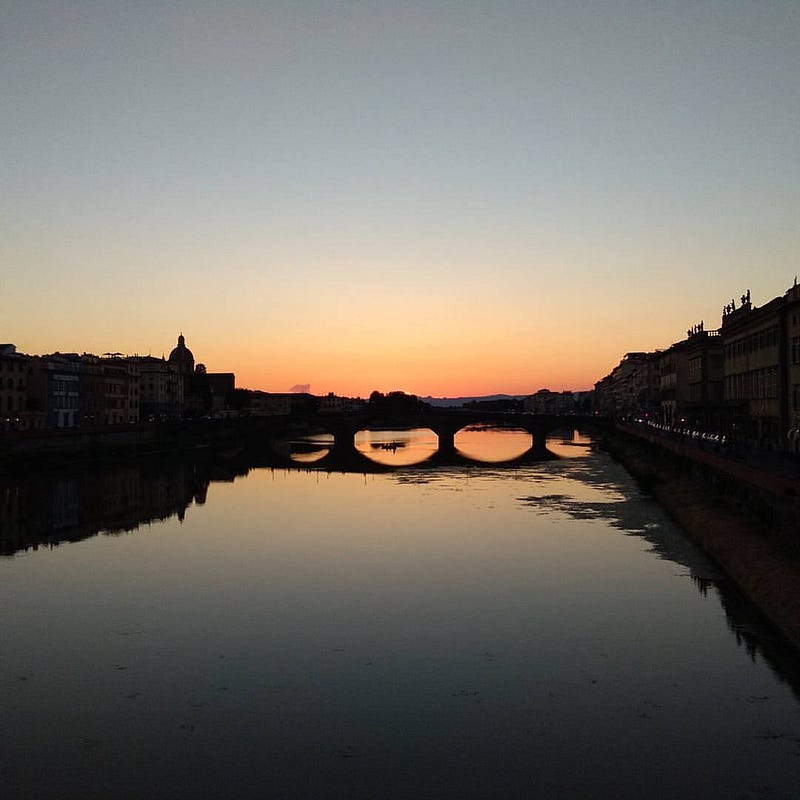
Yet, while Florence is haunting, it is the bridges of Venice that stay with me. After all, what is Venice if not a city of bridges and canals? There are perhaps few other cities so defined by bridges. It is the bridges of Venice that give the city its eternal old-world charm. They also add to the spirit of intrigue and romance forever associated with the Queen of the Adriatic.
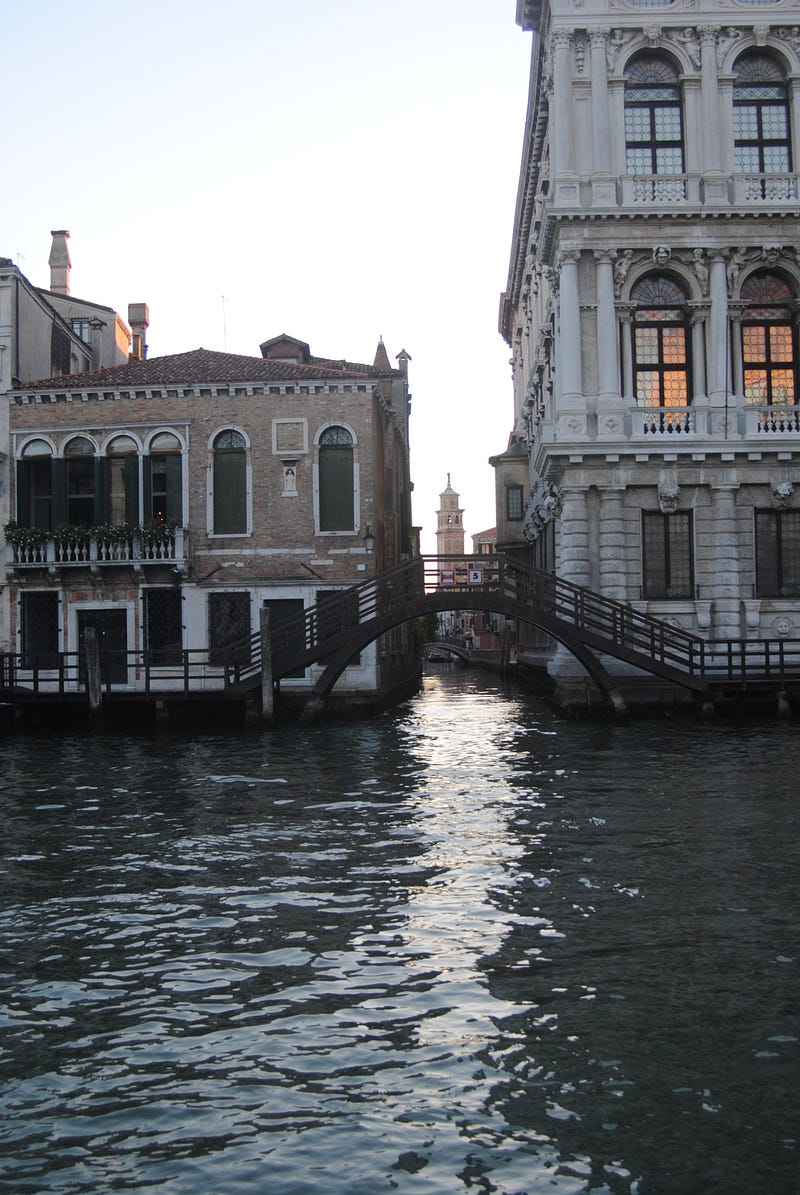
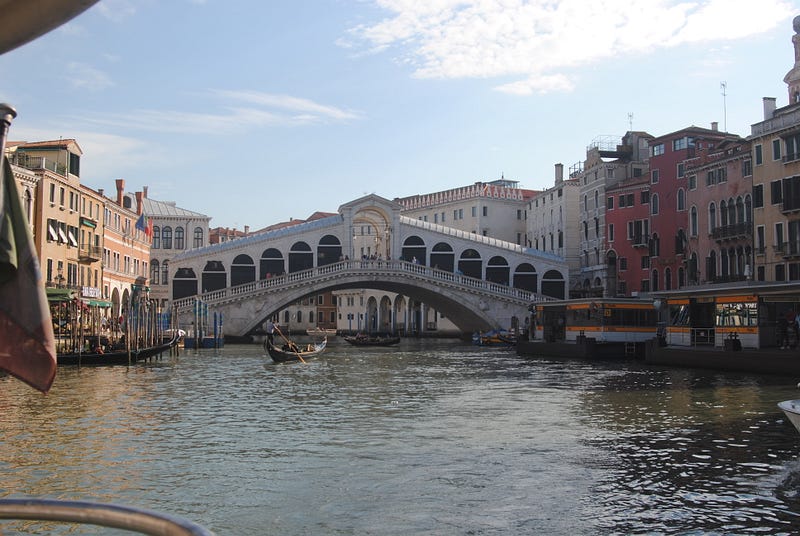
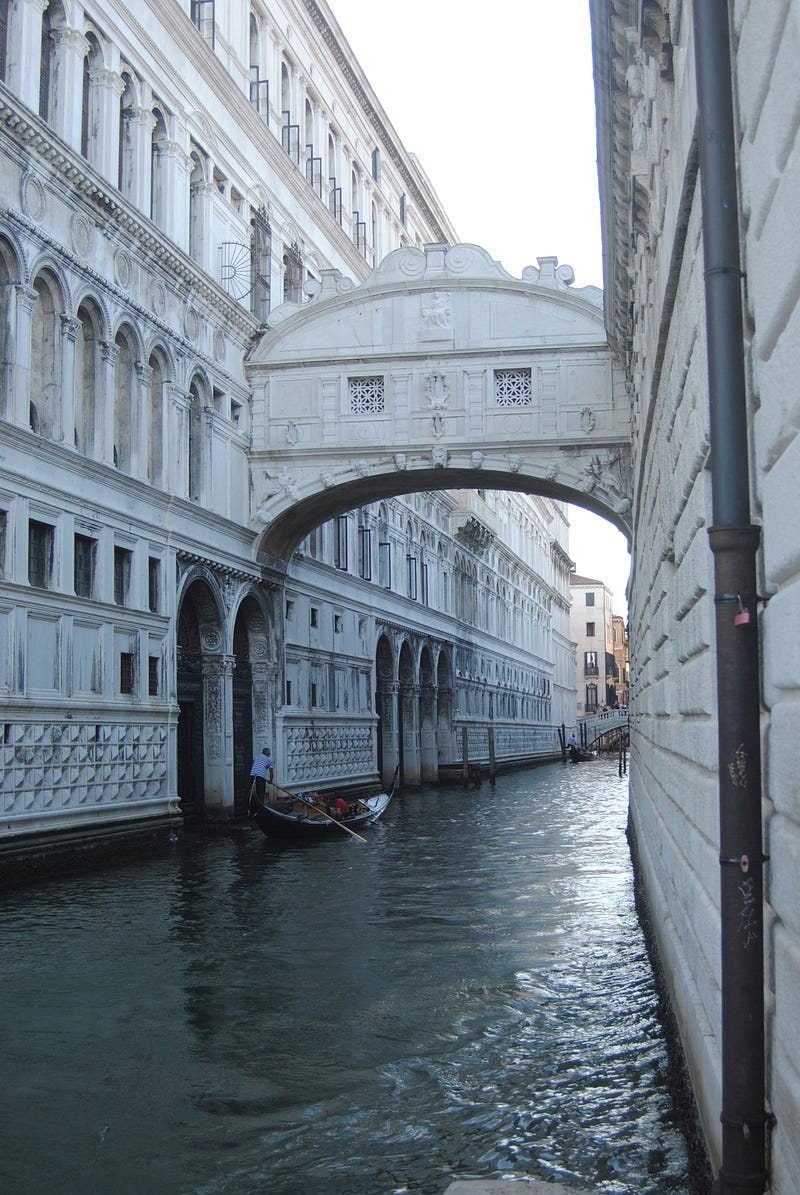
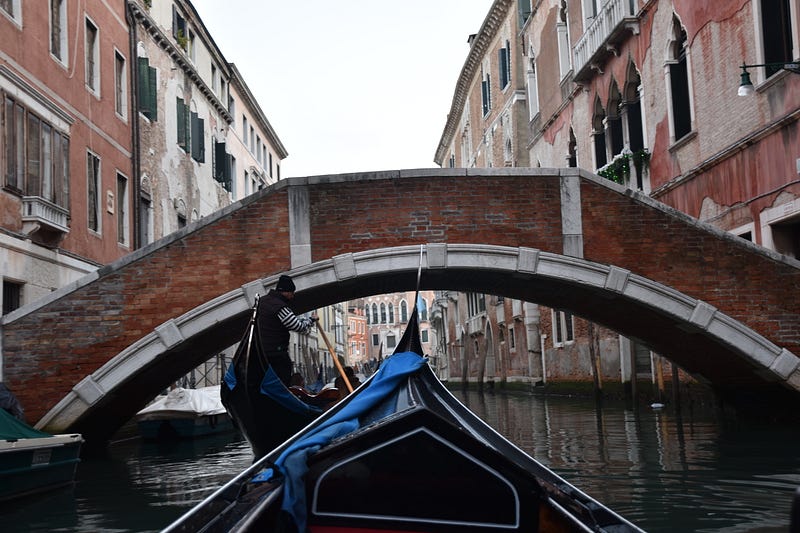
We remember Venice by its bridges. The Rialto Bridge. The Bride of Sighs. Both are seen above. But we also remember Venice by a ride in a gondola that takes us under its many bridges via its meandering canals. This is the enduring view many travelers carry with them when they leave Venice, the City of Bridges.
Bridges connect you to history
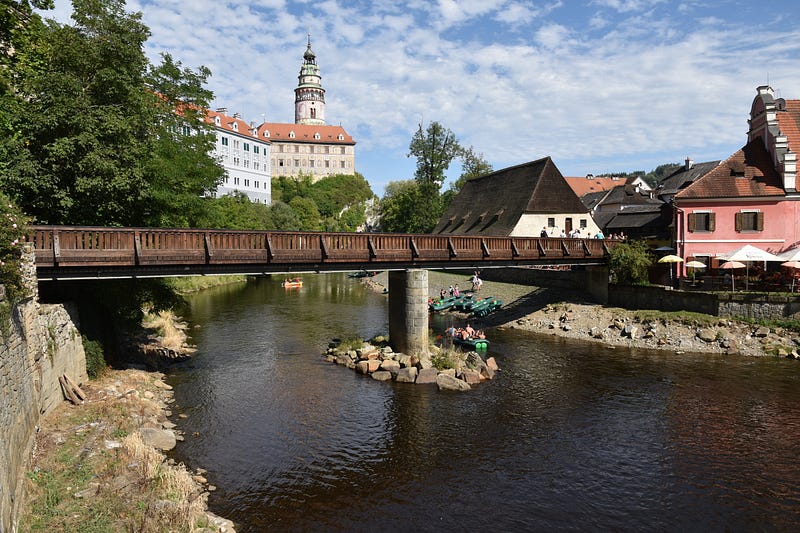
Bridges have other curious functions in European medieval towns. They are links between old towns and new ones. Sometimes, they connect castles and towns. They become part of the story. They are intertwined with the architectural landscape that makes the town unique. I experienced this when we walked over the bridge into the old town of Prague. I noticed this too when we approached the castle at Cesky Krumlov. This almost-forgotten medieval town of the Czech Republic is content to lie in happy oblivion. But its picturesque bridges imprint themselves in your memory and guide you to the castle that towers over this small town. It is this that reminds you that ancient forgotten history lies buried here.
Bridges take you on the path not taken
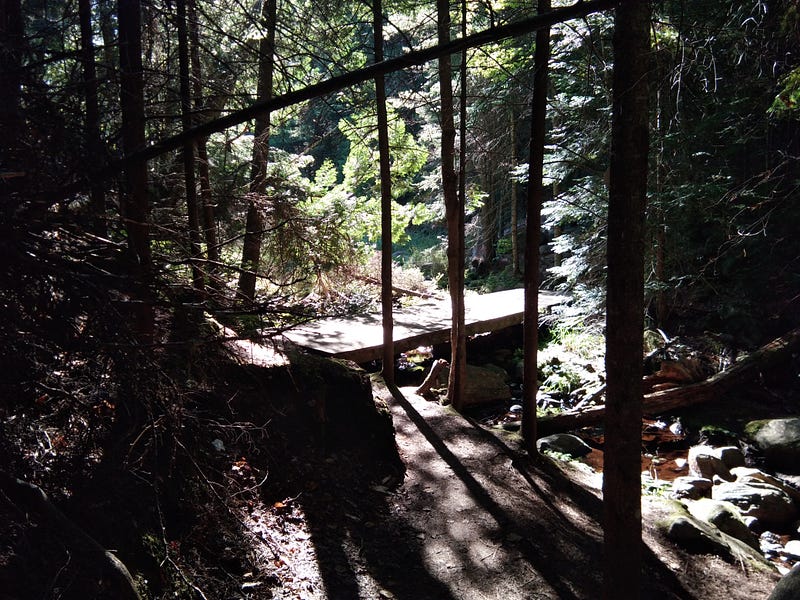
Bridges do not just connect great cities. Some of the most memorable ones I have found are in the wilds. During our trek across Algonquin Park, which is the first provincial park of Ontario in Canada, I vividly remember the little wooden bridges that connected our path.
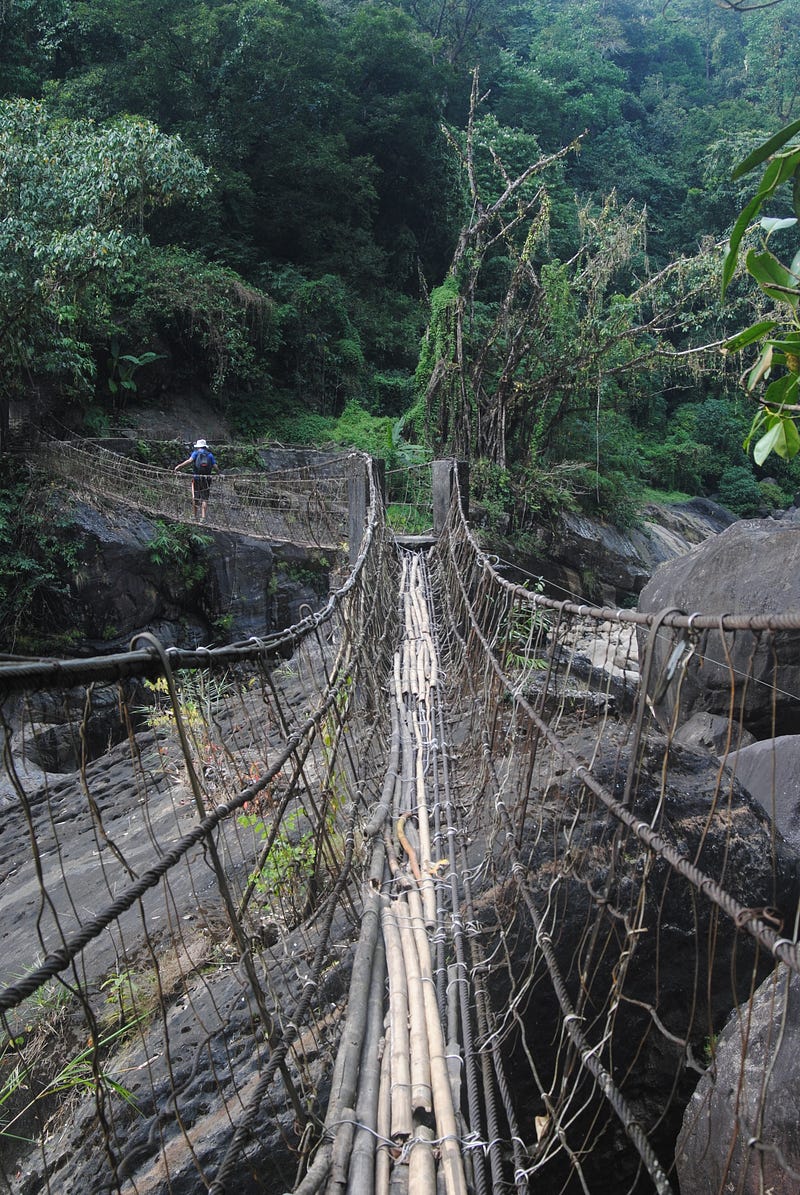
Elsewhere, some summers ago, as we made our way down the steep hills of Meghalva in India, rope bridges led us onward. They took us to depths in the mountains where only a bridge could carry a human. Unlike the grand bridges that define cities, these blend with the earth. They are made quickly, and resourcefully. But like the bridge of great cities, they take you to new places you could not reach before.
Bridges hold promises
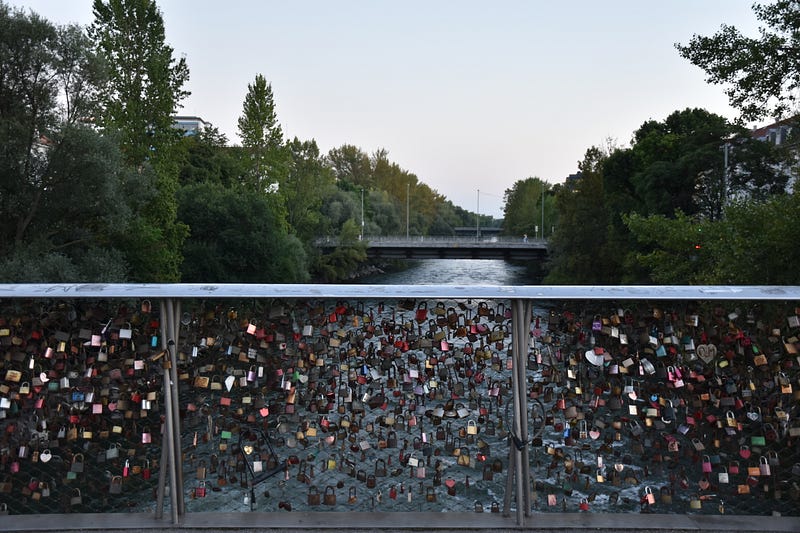
Bridges do not just connect you to new places. They sometimes hold you to old promises. Like the love locks on bridges I found across Europe. These puzzled me the first time I saw them. Then I discovered these are padlocks put to bridges, with the keys thrown away. They symbolize a couple’s undying love, which remains constant despite the vagaries of time.
Bridges don’t just connect roads
Bridges don’t always connect land or even love. They sometimes connect railroads. These are the ones I like the best. People often talk of the Amalfi Coast in Italy. But not enough is said about the Messina crossing in Italy. Here, bridges connect the Italian railroad over a spectacular coastal route.
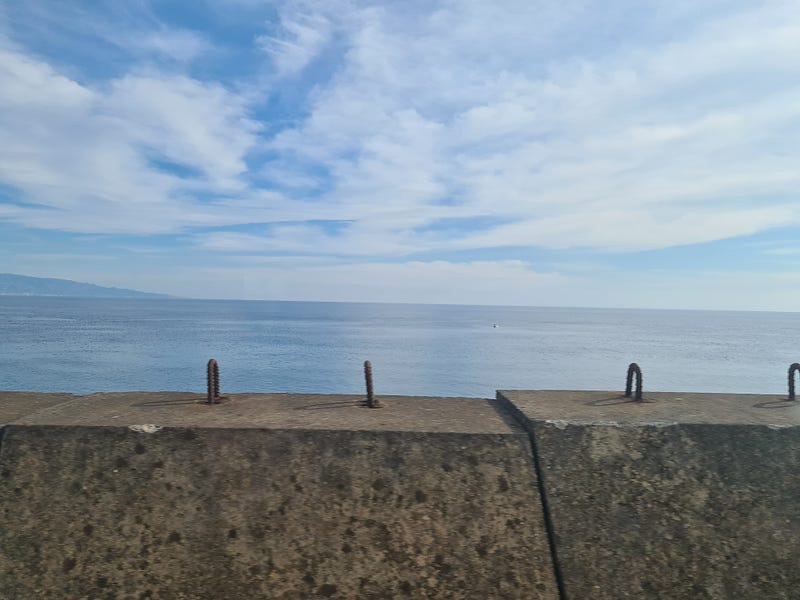
But that is not all. At Messina, the train is split into two halves and carried over the Mediterranean Sea by boat. Passengers can remain seated in their coaches or come to the bridge on the top of the boat and watch the crossing. I have never seen a bridge like this one before. Both literally and metaphorically.
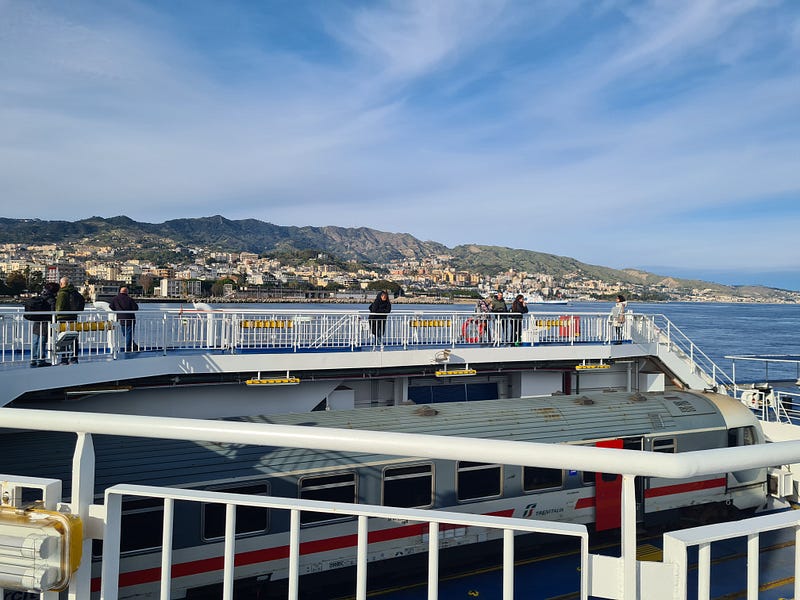
I wrote more about it in an earlier post as well:
Bridges are destinations
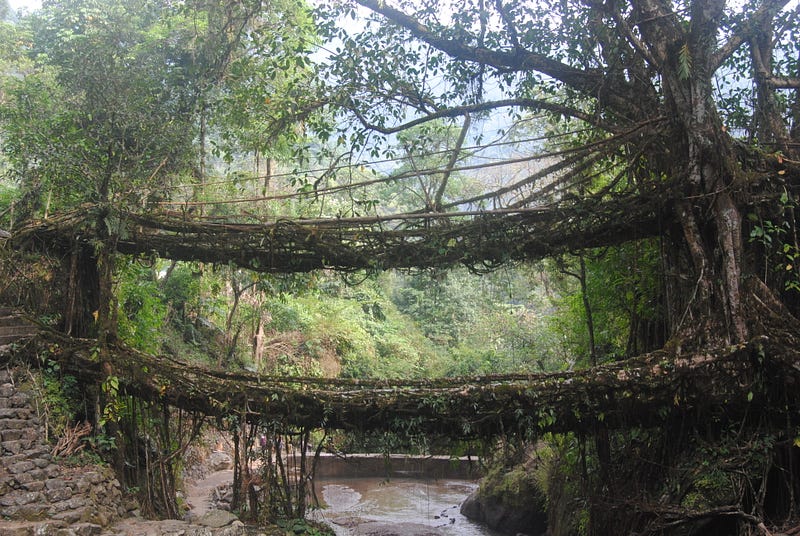
But as we know, bridges don’t just connect you to places. Sometimes, bridges themselves are destinations. Like the root bridges of Meghalaya in India. This particular one is a double-decker bridge in the village of Nongriat and is made of the roots of a living tree. This is a common enough practice in this part of the country, but double-decker bridges are rarer. I was part of a trekking group that traveled deep into the forest around Nongriat to see this one. The last part of our trek was difficult. We covered 3000 steps over 3 km of forest land. But the bridge remains my favorite trekking destination.
Bridges create memories
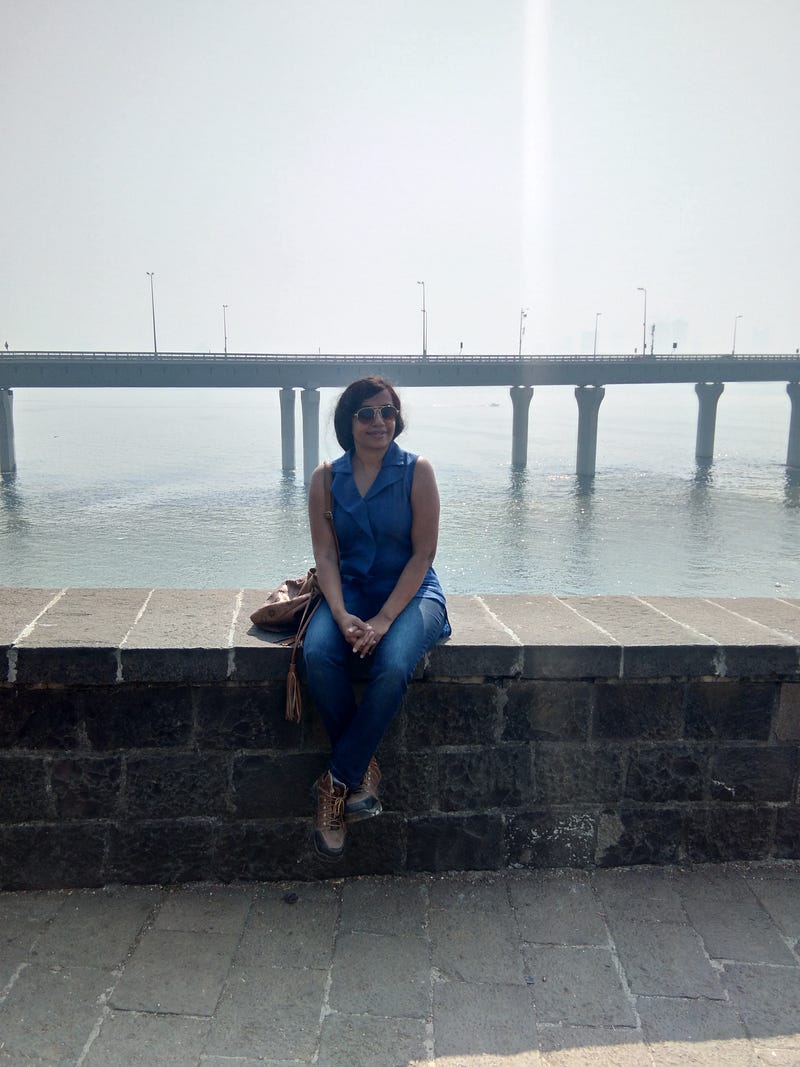
Finally, bridges are the sites of memories. I was amazed to discover how many of my pictures are taken by bridges. But this one is special. When my then twenty-one-year-old cousin India visited the country she was named after for the first time as an adult, I took her to the Bandra Fort and the Bandstand. We both have an identical picture of ourselves from that day a couple of years ago. We are at the Bandstand and there is the Arabian Sea in the background. But behind us is one of Bombay’s best-known bridges, the Bandra-Worli Sea Link. This 5.6 km long, 8-lane wide cable bridge famously brought down travel time on the city’s Western Freeway between Bandra and Worli to 10 minutes. But we had it behind us on that day because we needed a bridge to complete the photo. That’s what makes it a memorable picture.
This was written in response to the Globetrotters February ‘Bridges’ challenge.
Check out some other fabulous responses to the challenge:
Joe Guay - Dispatches From the Guay Life! reminds us of the human ingenuity that goes into architecting a bridge. I could relate to this as I thought a lot about this topic in my exploration of this theme.
Joel R. Dennstedt takes us to the most interesting suspended wooden footbridges and tells us why he feels safest there. I could relate to this as well because this has been my experience too.
Bebe Nicholson sees bridges not just as a connection between physical spaces, but between different parts of her life. I could relate to this interpretation, as I too have interpreted this topic as a metaphor.
Jillian Amatt - Artistic Voyages shows us what happens when you cannot build a bridge in Africa. It’s a piece that should be reshared as often as we can share it.