
Healthy Aging: Vitamin D, Omega 3’s, or Strength Training?
Do common supplements or strength training provide protection against the effects of aging?
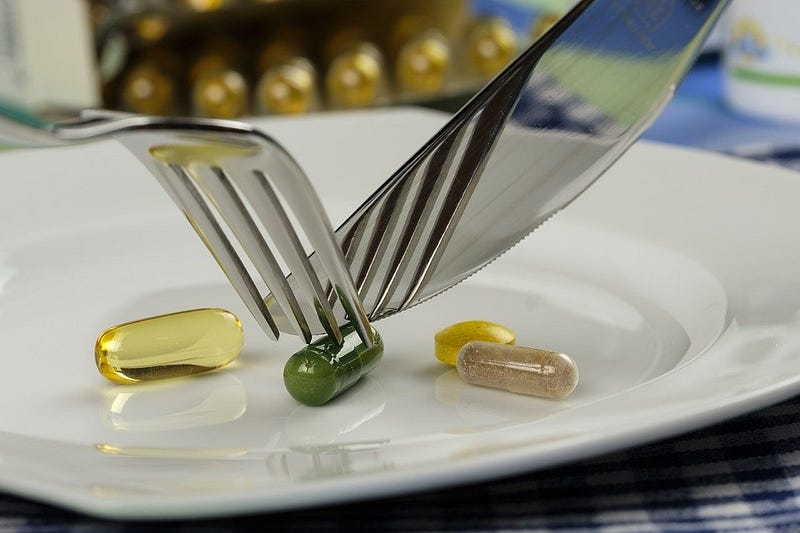
Supplements for a longer life
No one escapes the ravages of age. And not a single part of our bodies is spared, not even our microbiome.
This suggests that there are many pathways that are involved in aging. Some substances that are being researched for their supposed anti-aging properties (such as rapamycin) may affect some of these pathways. The interventions we would really like affect so-called downstream targets, molecules that exert their influence on the initial steps of one or several pathways. Another name for these potential molecular elixirs of life is the ‘master regulators’.
But what about the supplements and/or exercise regimes that are touted by (social) media influencers? Take these omega 3 supplements and your brain will stay healthy for longer. Use this HIIT workout (even though real HIIT is much more intense than many of the workouts that are called HIIT these days) and you’ll be building muscle/burning fat all the way into your grave. Oh, and don’t forget to use my discount code…
But do supplements/strength training actually work?
(Note of warning: you might not like the results of the study we’ll look at below. Stick around for the caveats at the end, though.)
No replacement for healthy habits
A new study investigated the effects of three often suggested means to fight the effects of aging: vitamin D supplements, omega 3 supplementation, and strength trainging.
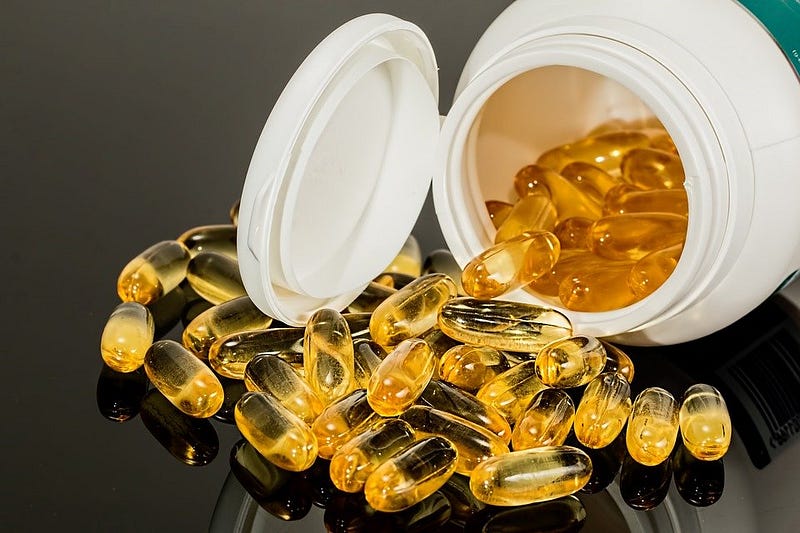
They divided more than 2150 individuals (all >70 years of age) into 8 groups: one placebo, and the others covered all possible combinations of the three interventions. After three years on a specific regime, the participants were assessed for blood pressure, physical and cognitive performance, as well as the incidence of nonvertebral fractures and infections.
There must have been a difference, right?
Sadly, no.
None of the groups did better than the placebo one on any of the measured outcomes, not even the group that combined vitamin D with omega 3’s and strength training.
There was a possible minor trend for omega 3’s to reduce blood pressure and risk of infection, but it was not statistically significant. Also, a few subgroups did show a few tentative correlations. For example, men appeared to benefit from vitamin D with regards to blood pressure; in women, exercise had that effect. These effects, though, were quite small.
The sobering conclusion:
These findings do not support the effectiveness of these 3 interventions for these clinical outcomes.
Caveats
However, as promised, there are important caveats (and the authors gracefully acknowledge some of these limitations).
- The study participants had no ‘major comorbidities’. They were, on other words, perfectly healthy at the start of the study.
- Over 80% of the participants already engaged in moderate to high physical activity. They were very likely already reaping the benefits of regular exercise, regardless of the extra training they did or did not do.
- Many participants already scored very high on the physical and cognitive assessments at the start of the intervention period.
- Over half of the participants already had a good baseline score for vitamin D, and according to the current health guidelines, all participants were allowed to take vitamin D (800 IU vs 2000 IU in the study’s intervention) regardless of the group they were put in for the study.
- All the participants were 70 years of age or older. It’s impossible to say whether supplementation at a younger age, or for a longer time period than the three years of the study, has any effect.
With all this in mind, what does this study really tell us? If you already have a good baseline level of vitamin D, omega 3, and physical fitness, adding extra probably won’t confer extra benefit.
The second ‘extra’ in the previous sentence is important, because make no mistake, vitamin D, omega 3’s, and physical exercise (including resistance training) are all very likely beneficial for your health.
But you simply can’t keep increasing the dosage in the hope of becoming immortal…