Give Birdwatching a Try-A Great Hobby
A Great Time to Start-Project FeederWatch Has Begun
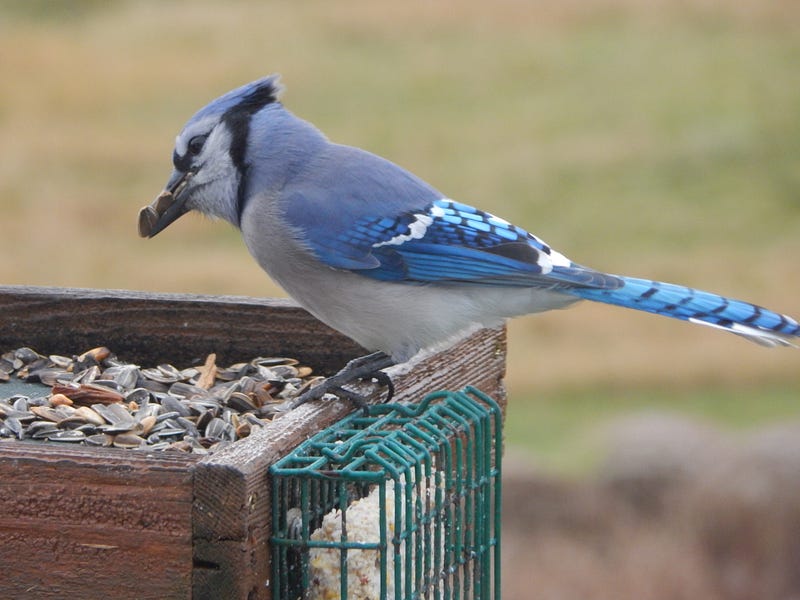
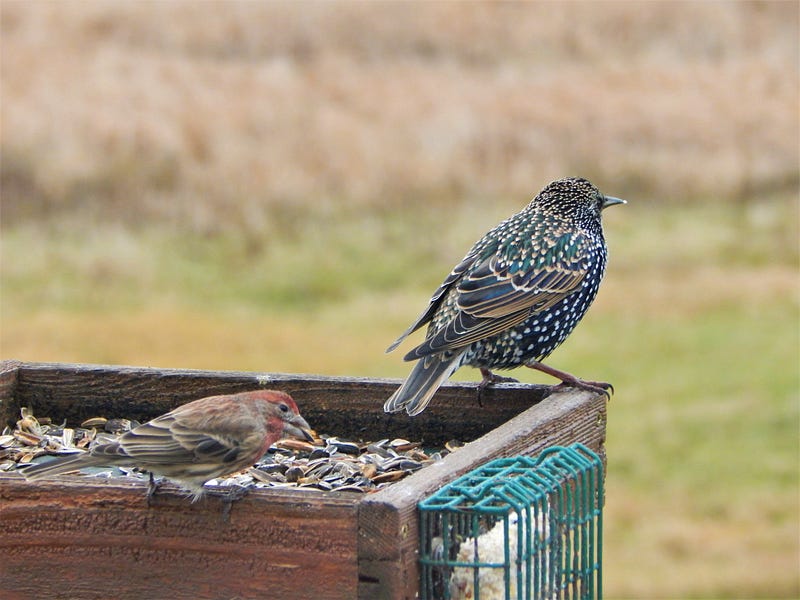
Welcome back. If you're currently into birdwatching or are thinking of trying it as a hobby, now is a great time to start. For several good reasons. As of November 13th, Project FeederWatch has begun, which means you can count and photograph birds that visit your feeder(s). By doing so you are participating in a very worthwhile citizen science project that tracks bird populations and locations, thereby helping in overall bird conservation efforts.
Recently I wrote several articles about birdwatching, which covered some “how to” information to get started and the joy it can bring to your life.
How to Participate
In order to participate, visit the Project FeederWatch website and sign up. The cost is $18 for the season, which runs from the 2nd Saturday in November to the end of April each year. As a new participant, you will receive a welcoming packet which normally includes a calendar and sometimes a bird poster or similar items. It takes a few weeks to receive your packet with your ID number, however, in the meantime, just keep track of your counts on paper using their tally sheet or just plain paper, and then later on you can enter them online via the webpage or mobile app.
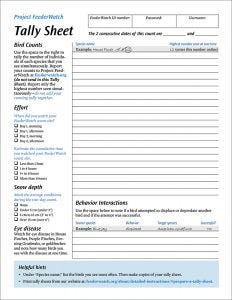
As far as the counts, you can choose 2 consecutive days each week to count, as long as the count dates are at least 5 days apart. I normally count on Saturdays and Sundays each week, mainly because when I was working that worked well for me. Now that I am retired, I could change count days but have just left them the same.
When you enter your counts online, you will be asked to describe your count site where your feeder or feeders are, etc. Also the amount of time you spent counting and information such as snow depth. Don’t worry, you don’t need to count all day, just as much as you want to or have time for. You will enter the highest number of birds you see at one time of each species over the two day period.
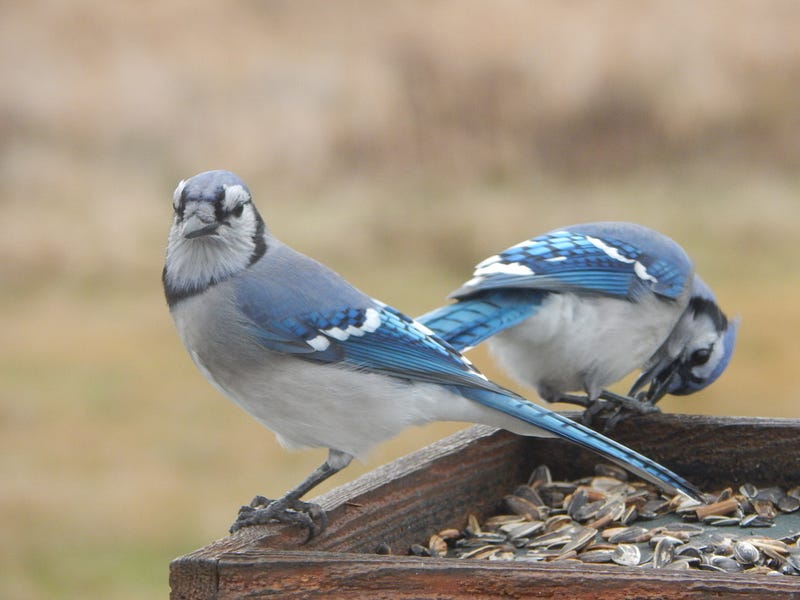
Do you need to count each and every week? No. Do as much or as little as you want. However, I would encourage you to try to count each week. To me it is interesting to track bird species and numbers. Take and share photos. You can even submit photos on the FeederWatch website and enter contests as well.
Conclusion
As the snow starts to fall here in central NY State, the birds will return to the feeders like magic. Seeking out the food they need to help them make it through the long cold winter. What birds will you get? If you’re new to the hobby, you will never know until the feeder is up and filled. Let the fun begin.