
Embracing Retirement-How to Get Your Bird Feeders Ready for Fall and Winter
Volume 12. Even after 50 years I still get excited about birdwatching.
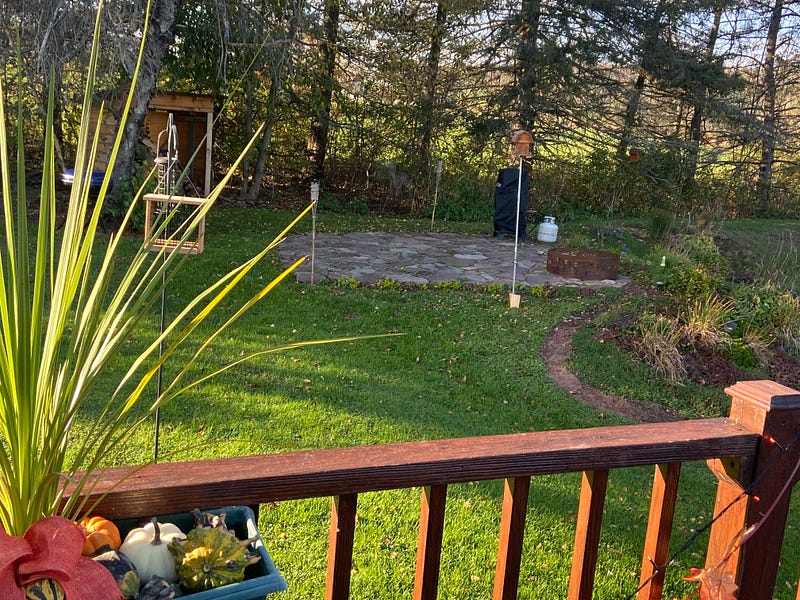
Welcome back to my series on embracing retirement and learning how to get the most enjoyment from your well-deserved permanent vacation. I previously wrote articles on the joys of birdwatching and also on how to get started. Once you give it a try, I guarantee you will enjoy it and it will become one of your favorite hobbies.
This is a hobby that can be enjoyed by seniors even if you have health and/or mobility issues. The great part of this hobby is that it does have health benefits. I will highlight a few of these benefits throughout the article. For those of you who already enjoy feeding birds, let’s take a look at how to get your feeders ready for the season. For those of you new to the hobby, this will help you decide which feeder type(s) to try.
Platform Feeder Maintenance
As I previously discussed, if you are just starting out, I suggest keeping it simple. I would try a platform feeder as a first step. Let’s take a look at mine and how I rejuvenated it to, hopefully, last for a few more seasons.
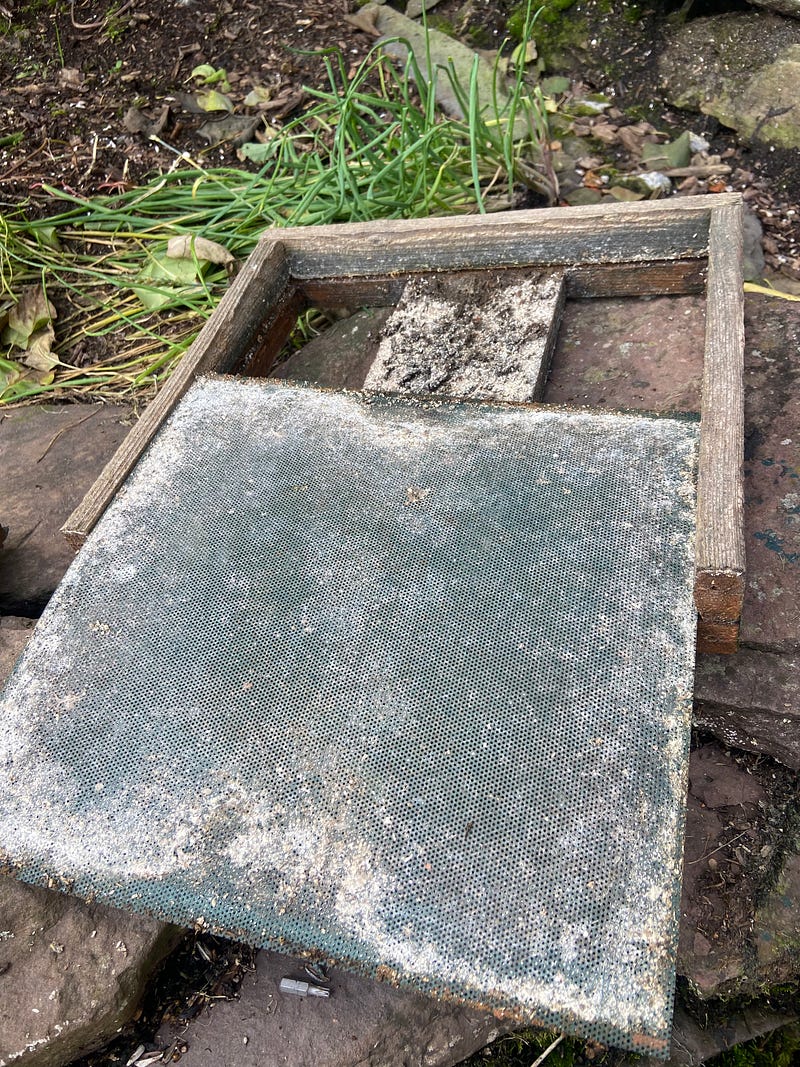
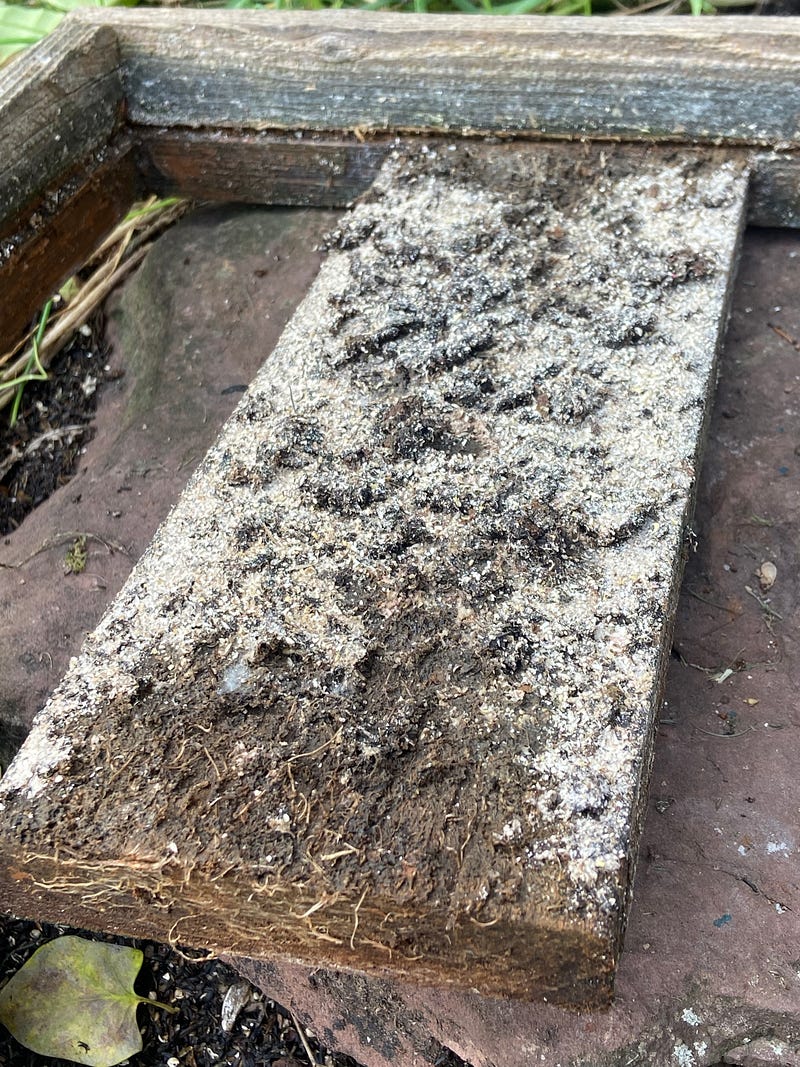
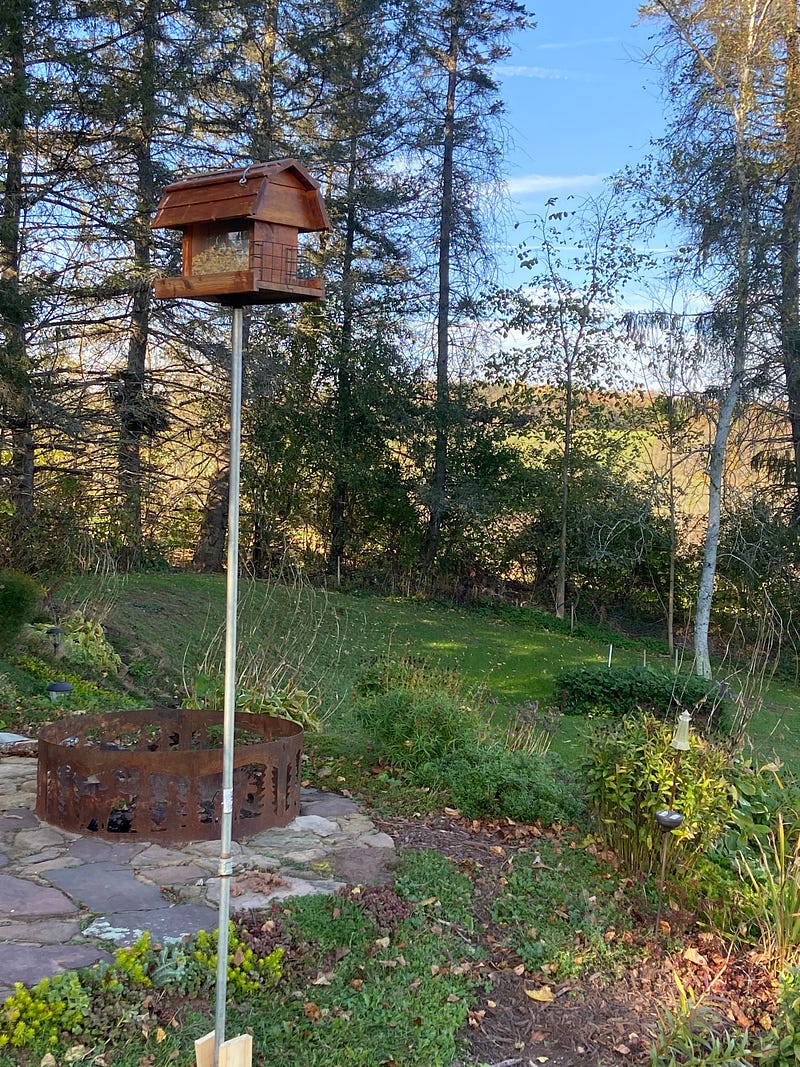
I have had this feeder for at least 10 years. This and my nyjer seed feeders are the only ones that stay out year-round. I try to clean and stain the platform feeder each year. As you can see, it needed some attention. It tends to build up grime on, and also under, the screen. The wooden center board under the screen was rotting, so I replaced it, cleaned everything and stained the whole feeder with a cedar stain.
The end result was good. I apologize for not taking more photos; when I get busy with a project I sometimes forget.
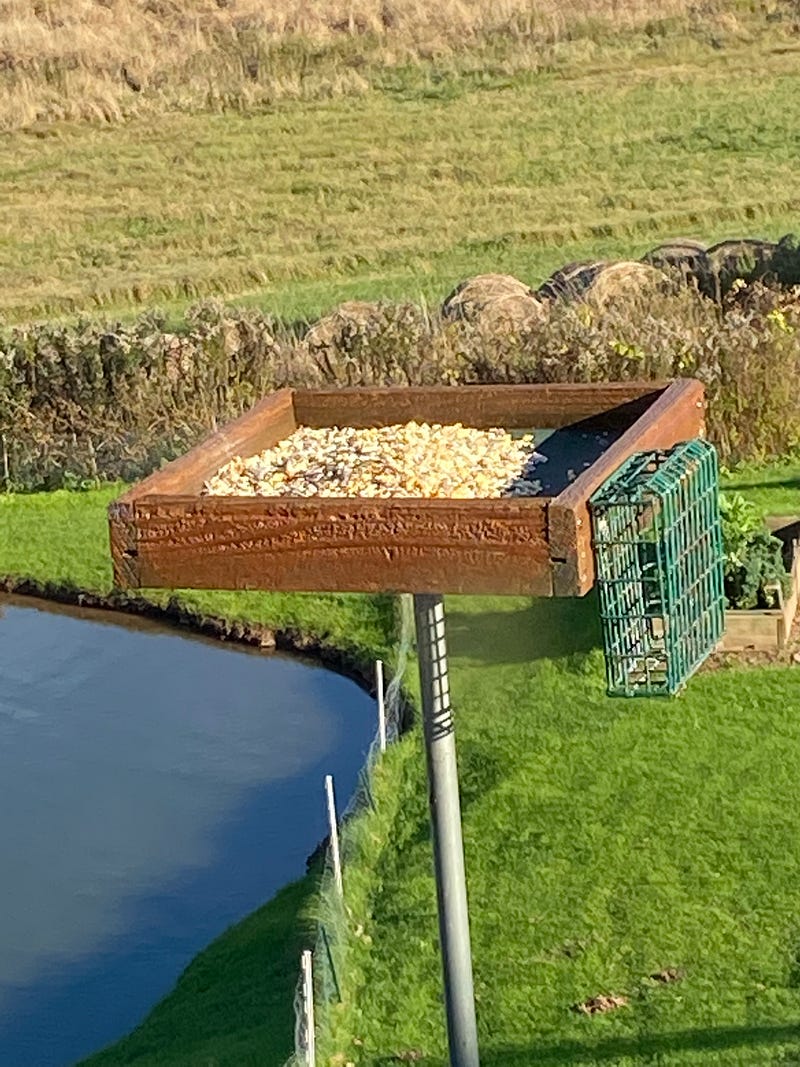
The platform feeder is located on the South/East side of our house outside the family room bow window. The feeder is on a pole made from galvanized pipe that is about 12 feet high. The way the house sits, this makes the feeder viewable from our family room window. I fill the feeder using tools mounted on long poles. With the attached suet cake holder, this feeder attracts large and small birds, including woodpeckers.
Platform feeders also work well for bird photography. Keep that in mind when deciding where to place your feeder.
Tube and Nyjer Seed Feeders
On the same side of the house, outside the kitchen window, are these 2 feeders. The nyjer seed feeder had a little seed left over from the Spring that was caked together, so I cleaned that out. The tube feeder was just a little dirty, so I rinsed it out and let it dry. You can use a weak bleach solution to clean your feeders (about 10%), that will sanitize them, which is recommended occasionally. These feeders attract smaller birds, for the most part.
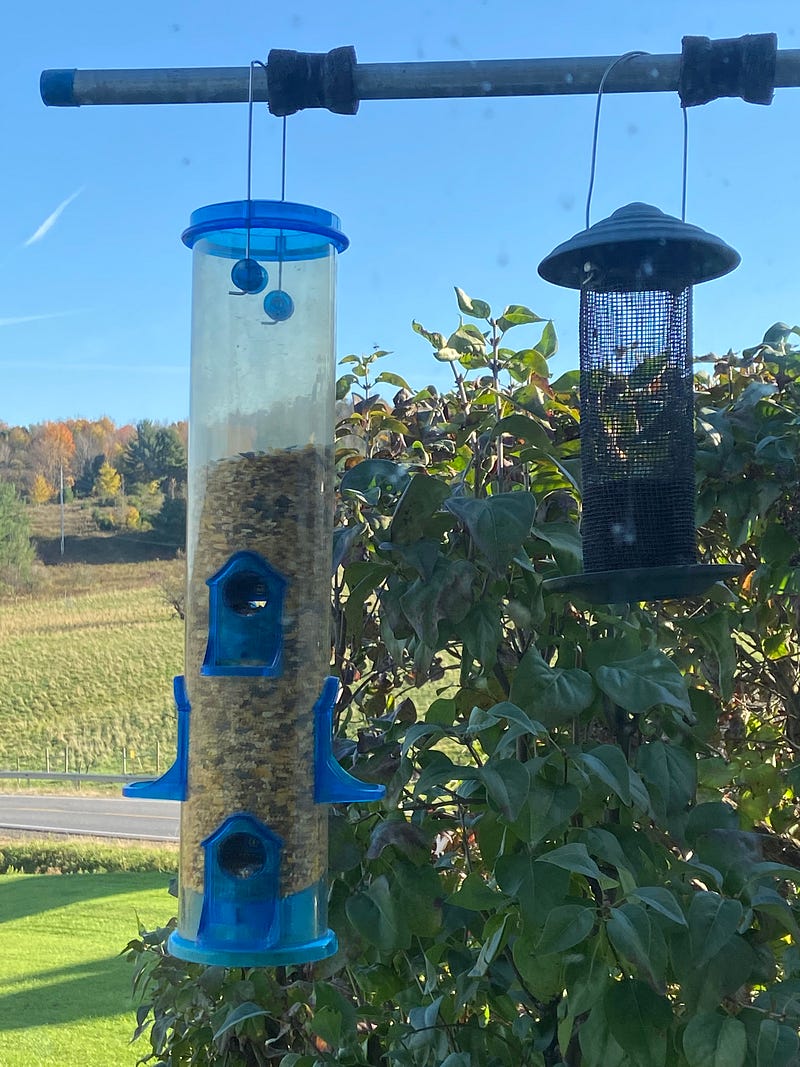
Chalet Feeder and Suet/Seed Cake Feeders
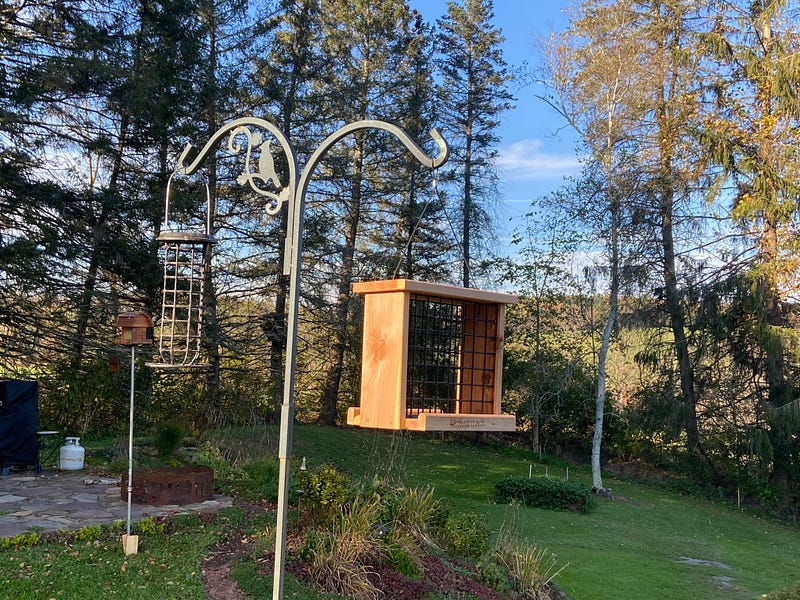
One the North/West side I have 3 more feeders. Overkill? Probably a little, but this side of the house is different since there are more trees, which attract different birds than the East side which is more open. Each area of our yard has its own micro climate at times, depending on the sun and wind, etc. These feeders were in good shape; I just cleaned them a little.
The chalet feeder has two suet cake holders attached. This style feeder holds a large quantity of seed and attracts large and small birds.
I also have a suet feeder and a seed cake feeder on a separate garden hook fairly close to the chalet feeder. The suet feeder was originally designed for suet balls, which are no longer made. I just break a normal suet cake into pieces to fill it. The seed cake feeder holds two pound seed/nut cakes available in different varieties.
According to Birds and Bloom magazine, bird watching has many benefits. Even though the physical exercise of getting outdoors and visiting parks, forests, etc. is ultimately better than watching a bird feeder from your home, the latter has benefits, also. Research has shown that just watching a feeder is beneficial to your mental health.
It is also documented that watching birds reduces stress, anxiety and depression. It takes your focus away from yourself and you can feel yourself beginning to relax.
Finally, according to Birds and Blooms, additional benefits of birdwatching include giving your brain a boost, making friends and providing new experiences. Bird watching has a learning curve including identifying species, trying different feeders and food, feeder locations and photographing birds. It is also a great family activity that can be enjoyed from home or at your favorite park, nature center or forest.
Conclusion/Project ‘Feederwatch’
So it's time to set up a feeder and wait to see what you get. This is the exciting part. You may get many birds, maybe a few. Each day may be different. Fall migration may bring temporary visitors. There is so much to learn and, in the process, you will reap benefits in many ways.
Project Feederwatch starts in a few weeks. Be sure to sign up and enjoy identifying and counting birds all winter and early Spring.
There is also the challenge of bird photography. When locating your feeder, keep in mind that you might want to locate it where you are able to get some good photos.


