The Trusty Gardener-How to Tidy Up Your Garden for Next Year
It’s that Time of the Year for Fall Cleanup
Welcome back to my series of articles on gardening. Here it is October and we still haven't had a frost here in central NY State. Unreal. Actually, the last week or so has featured temperatures at least 10 degrees above normal. The lawn continues to grow. However, despite no frost, the growing season is pretty much over except for a few remaining hardy veggies. Time to cleanup the garden and get it ready for next year.
When it gets to September, I tend to let the garden go. It happens every year. Even though I still harvest some veggies come September, for some reason, it’s hard to keep up with weeds by then. After taking good care of things starting in April, my interest does wane a little by late September. But not to worry, I will regain full interest come Spring!
Get Started on Garden Cleanup
Looking out my kitchen window down at my 2 vegetable gardens in late September, I was a little overwhelmed seeing that the weeds had taken over. Fortunately, where I had dug the potatoes, the garden was in pretty good shape. Everywhere else, the weeds were a foot high.
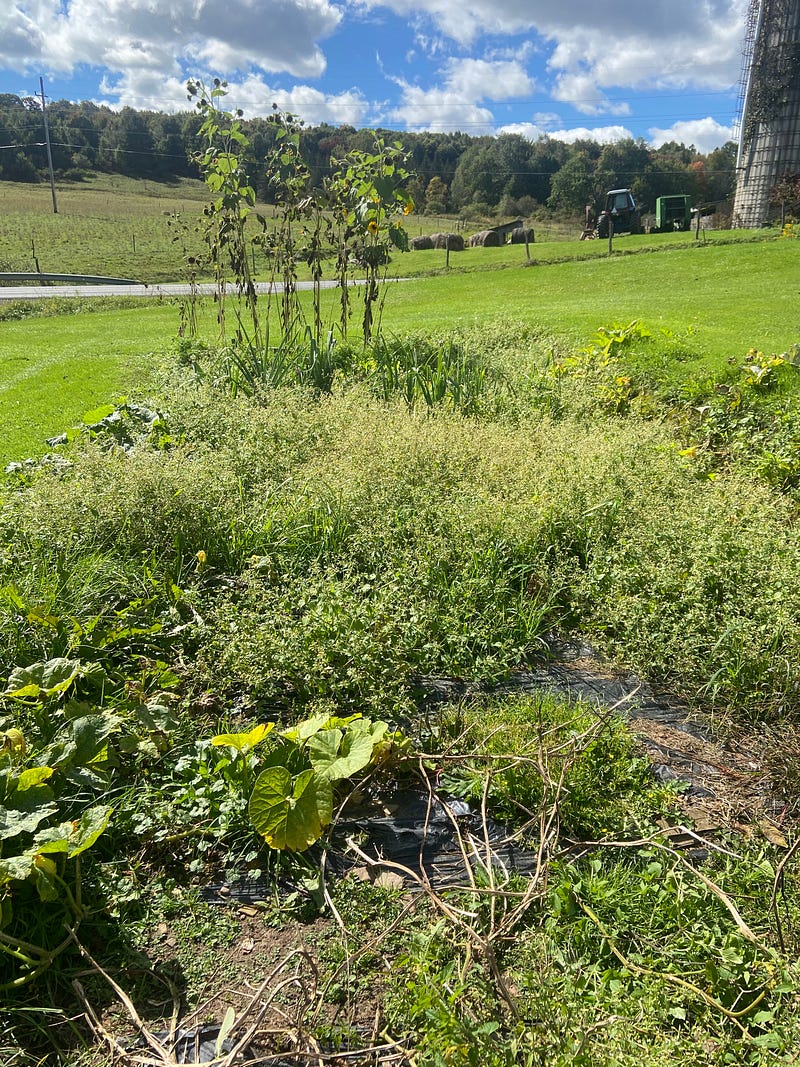
The best approach is to work on it gradually, a few hours at at time. You’ll be surprised with the progress you’ll make. It might be tempting just to leave the mess until Spring. Having done that a few times in the past, I would advise against it. Believe me, it will be more work come Spring.
Some Plant Matter is Good For the Garden (Unless Blight is Present)
It is OK to leave a little plant matter to till in the soil, unless the plants had blight. For example, my tomatoes were affected by blight, so I removed as much of the dead plants as possible to decrease the chance of blight next season. Never add blight affected debris to your compost pile, the fungus will contaminate the compost and increase the likeliness of blight the following year. I did leave much of the decomposing grass clippings I had added during the summer. I tried to remove as many of the weeds as possible.
Mulched Leaves and Compost are Great For Amending the Soil
One of the best things to add to your garden is mulched or chopped leaves. They will enhance your soil as they decompose over the winter, amending the soil to add nutrients and improve the texture and the ability of soil to retain moisture and not become hard and compacted.
If you compost, this is also excellent for your soil, probably even better than leaves . Compost has been referred to as black gold. I started a compost bin this Spring, but there is not enough compost that has been produced to date. Hopefully by Spring.
Rototilling is the Final Step
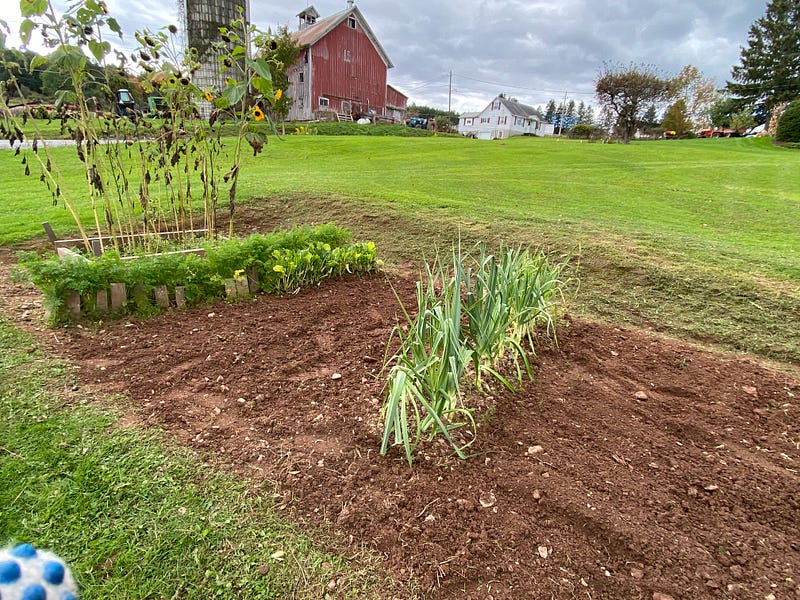
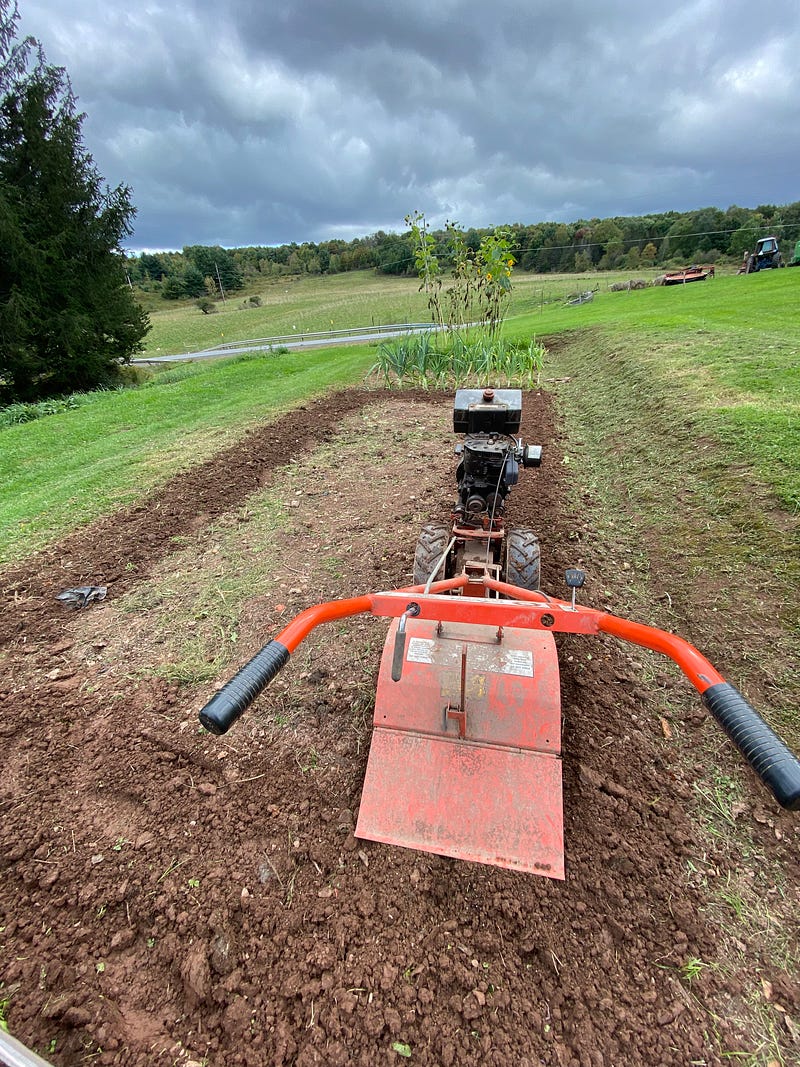
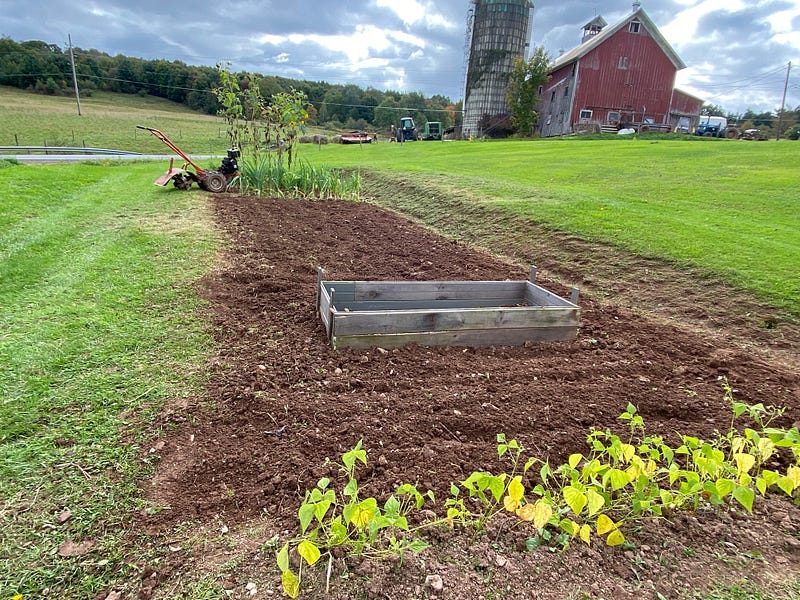
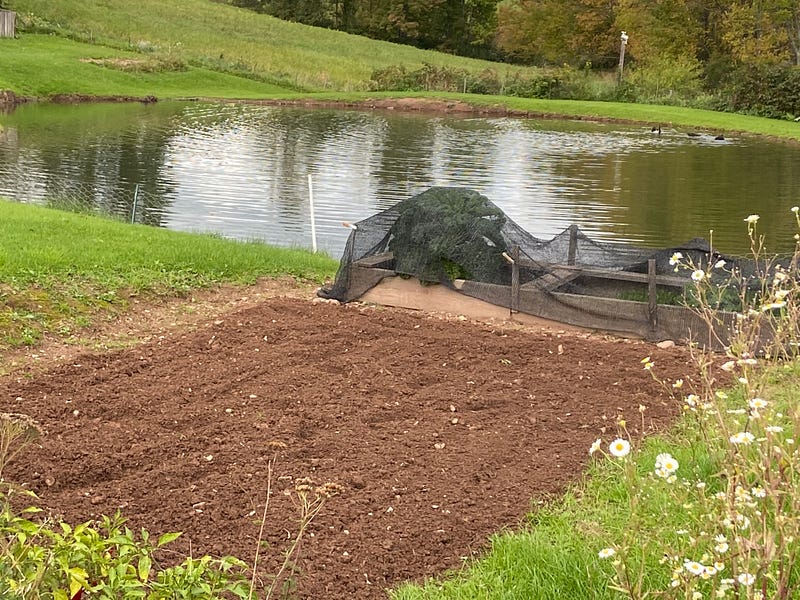
This step is important for several reasons. It chops up any remaining weeds and also mixes in any organic debris left or added to the garden. If you didn’t get a chance to mulch leaves or add compost yet, no worries. Those can be added after tilling and left until Spring or tilled in later this Fall if the garden is dry enough. The garden always looks so nice after cleanup and tilling. It’s a good feeling also to be able to start in the Spring with a clean slate.
Cold Hardy Vegetables Remain
I still have a few vegies remaining including kale, lettuce, leeks, carrots, and Swiss chard. These are all cold hardy, even though we haven't yet had a frost. These should remain useable for quite a while yet, of course depending on the weather.