
Fundamental Connectedness, Differences, and Human Survival
This image represents how everyone inhabits our planet is fundamentally connected to everyone and everything else in the Universe.
Introduction
I’m a clinical psychologist, social entrepreneur, and computer geek with a deep interest in science, philosophy, sociology, human nature, knowledge management, mathematical modeling/analytics, and most importantly, I’m deeply concerned about the future of our species.
For the past 40 years, I’ve been working with an international team of collaborators on a project focused on gaining and revealing essential knowledge and understanding about ways to improve the human condition.
We are doing this by systematically examining the contents of the human mind and determining how they affect our actions and emotional experiences.
To deepen our understanding, we view this information based on a principle of nature about how everyone (and everything) is fundamentally interconnected.
The following three key concepts are used throughout this article. They are defined in some detail at the bottom in the Definition of Terms section and each definition is referenced by a number in brackets:
- Principle of fundamental connectedness and differences (FCD) describes how we are all connected in essential ways despite our differences.[1]
- Mindsets make sense of the world and significantly affect our lives and the lives of others.[2]
- Well-being is how we feel when our mindsets produce pleasant, positive life experiences.[3]
I will now describe why we are dedicated to this project, our goal, and what we are doing to achieve our goal.
Project’s Purpose, Goal, and Strategy
The purpose of our work is to increase awareness about shifting (adjusting) our minds to focus on the goal of:
- Increasing humanity’s long-term survival
- Enabling people to have more pleasant life experiences and fewer unpleasant ones
- We are promoting humanity’s capability and willingness to do what is necessary to accomplish that goal.
Our strategy to achieve this goal is to share the knowledge and understanding we are gaining about what our species can do to thrive and survive in a better future.
I will now show how the FCD principle relates to two types of mindsets — the Oneness and Differences mindsets — and how each mindset type affects the well-being of ourselves and the survivability of our species.
FCD Principle and the Oneness Mindset
According to the FCD principle, people have an inborn tendency to do and feel things that promote beneficial connections between themselves and others. These innate prosocial behaviors and emotions include our love of family, loyalty to friends, and respect for our communities. Many of us also want to do for others, depend on each other, share what we have, feel compassion and empathy, desire an excellent moral character, and engage in civil conversations that seek compromise guided by each other’s wants and needs.
This kind of connectedness is a critical element of the Oneness Mindset. It’s a beneficial mindset encompassing the notions of unity, togetherness, mutuality, harmony, affinity, kindness, and other prosocial ideals promoting humanity’s survival and well-being.
Recent research indicates that people who accept the idea that everything in the world is connected and interdependent show a greater sense of well-being than those who don’t, regardless of religious beliefs.
FCD Principle and the Differences Mindsets
People differ in many ways. These differences can be observable or invisible, genetic or environmental, social or personal, mental or behavioral, economic or intellectual, religious or political, or a combination of all these things and others. The differences we notice can be honest and meaningful or be imagined, inferred, or reported by others sight unseen.
As discussed below, the FCD principle acknowledges that noticing our differences is an essential inborn human capability, which can be beneficial or destructive depending on one’s mindset.
Beneficial Differences Mindset: Mutuality + Diversity
The Beneficial Differences Mindset is advantageous because it promotes mutuality and adaptability through the appreciation of diversity.
For example, groups of like-minded people — with the same old views, ideas, and knowledge — are less able to innovate and find creative solutions to problems compared to dissimilar groups with diverse experiences, knowledge, perspectives, and insights. When applied to loosely connected networks of people, this is known as the “strength of weak ties.”
This mindset connects us in ways that enable people who differ significantly in their abilities, attributes, and skills to accomplish important things together.
Let’s contrast this with the destructive form of the Differences Mindset.
Destructive Differences Mindset: Judgmental, Hurtful, and Harmful
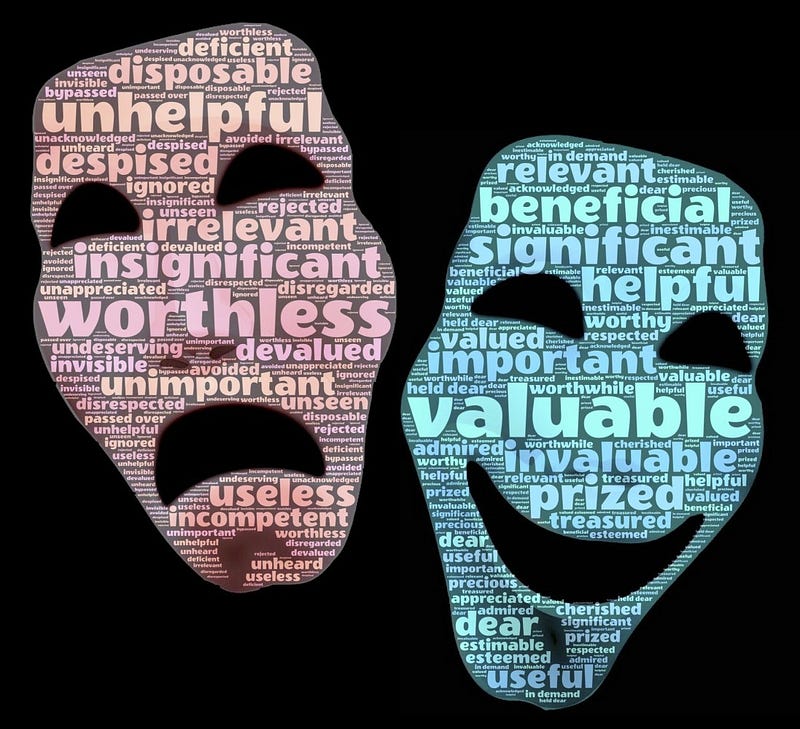
The Destructive Differences Mindset refers to people’s tendency to judge someone harshly when they dislike specific ways the person is different. Their judgments may include labeling the person as inferior, undeserving, unworthy, unrighteous, not fully human, and so on. They feel justified in making those judgments — even if the person is not a threat — because they judge themselves to be superior and thus more worthy, deserving, honorable, righteous, etc. They may feel contempt toward the person and are likely to ridicule, reject, and possibly physically harm the individual.
These kinds of destructive judgments are, unfortunately, common in many cultures.
We typically learn to make such judgments about people beginning in childhood based on stories we are told. These stories brainwash us into believing that a person’s “true nature” — one’s inherent essence or inborn character — is an objectively measurable thing, even though it’s only a vague, abstract, imaginary concept that is impossible to observe or measure.
The effects of the Destructive Differences Mindset put humanity in a dire situation by breeding hurtful and damaging emotions and behaviors such as the following:
- Depression, hopelessness, self-destruction, and suffering are experienced by people who feel inferior, worthless, unwanted, useless, undeserving, shamed, etc.
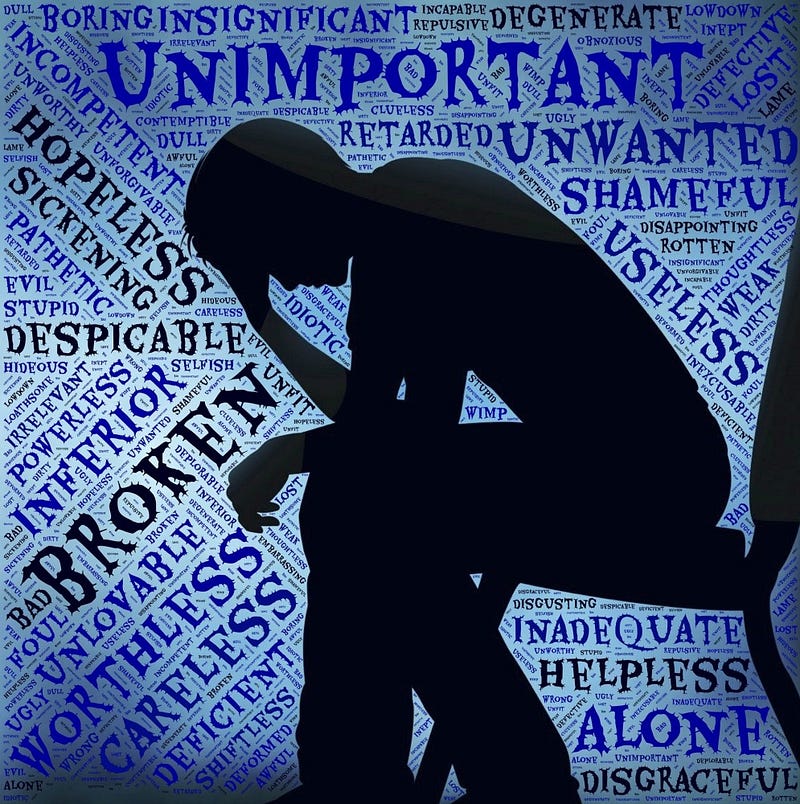
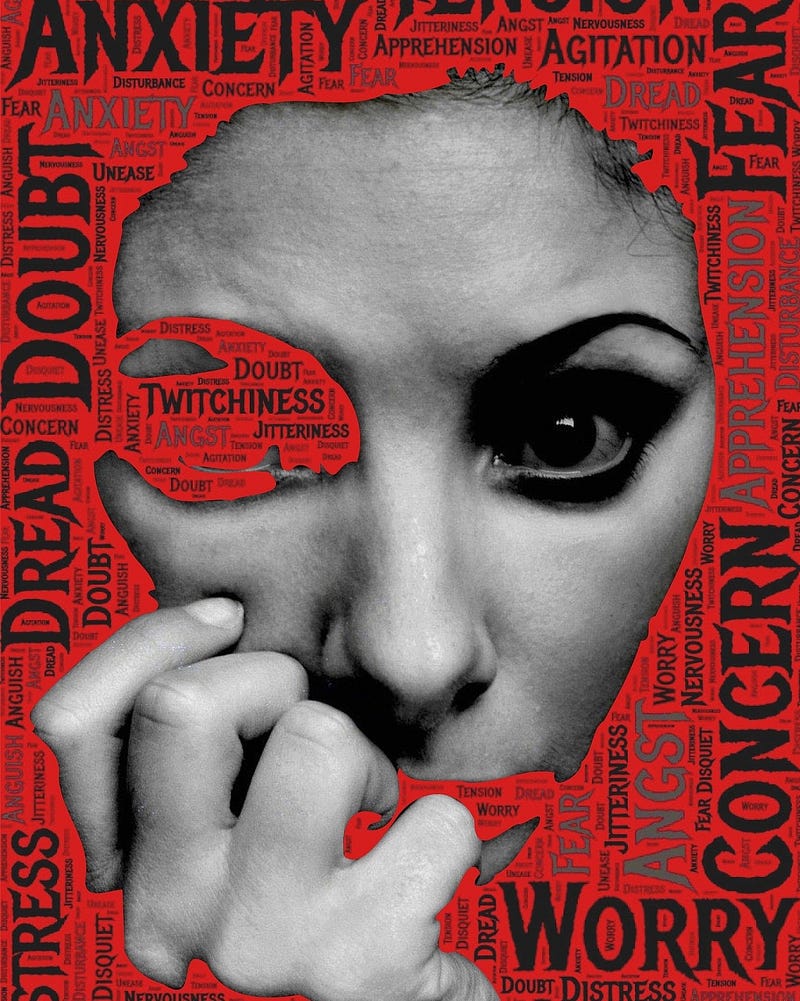
- Fear, anguish, anxiety, and other distressful emotions are experienced by people who feel vulnerable and threatened by the demeaning judgments and mistreatment they receive.
- Rageful hatred and destructive acts — including cultural violence and war — can result when, for example, a person who believes oneself to be superior is challenged or disrespected by people judged to be inferior, unworthy, and undeserving. They feel justified in controlling a “less deserving” person, taking what the person has, and making the person do what they want.

Wisdom for Humanity’s Sake
For the sake of humanity, we would be wise to learn to focus more on our Oneness and Beneficial Differences mindsets because it would:
- Promote beneficial tolerance, kindness, mutuality, and compassion.
- Enable us to see ourselves in others (awareness of our similarities), imagine ourselves “in their shoes” (empathy), and be more likely to trust and care about each other.
- Reduce inequities because we would not consider people less deserving than us due to their differences, nor would we consider ourselves superior and more worthy due to greater wealth, prestige, honor, power, control, etc.
- Help shift people’s values and priorities away from short-lived pleasures — such as excessive eating, drinking, drugs, sex, excitement, and thrills — to more meaningful activities such as helping to make our earth a better place for future generations.
- Eliminate any justification for treating people poorly because they are perceived as different.
So, how can we use this wisdom to evolve our species beneficially? What is a grand solution?
A Three-Step Solution
If our species is to survive and thrive, and if we were to increase the overall well-being of humanity, we must do the following three things at minimum:
- Promote the FCD principle of connectedness and beneficial differences by appreciating the value of cooperative diversity, compassion, empathy, mutuality, and acceptance that are core to the Oneness and Beneficial Differences Mindsets.
- Eliminate the biased, irrational, judgmental beliefs and behaviors fostered by the Destructive Differences Mindset.
- Protect ourselves from the destructive actions of people who want to harm us and people who disregard or deny real threats to our existence.
The question then is: Does humanity have the potential to do these three things in a meaningful and sustainable way?
We do have the potential to do this by building a solid foundation of beneficial mindsets. New frameworks of human civilization could then be built on that foundation, which would help us survive and evolve in a more benevolent, supportive, and humanitarian manner.
Begin with Self-Awareness
We can begin implementing the Three-Step Solution by focusing on the development of self-awareness. We could start by finding acceptable answers to the following questions:
- Can we open our minds to understanding the mysteries of what makes reality real and what it means to be human?
- Are we able to change maladaptive beliefs and values that we have been taught since childhood, such as what makes life worth living and what is life’s fundamental purpose?
- Is there a “Universal Oneness” — a spiritual belief supported by recent scientific discoveries (quantum physics) — that not only connects people but connects everything in the Universe (including you and me) with everything else in a most fundamental way?
- Are humans willing and able to change their judgmental mindsets and reject biased assumptions about which people are more worthy than (superior to) others?
Another question is: Do enough of us have the desire, will, attention span, and intelligence to contemplate and debate the questions and ideas presented in this article?
If yes, and if our actions point us in a direction that increases adaptative coping and well-being, only then will our species likely survive well into the future.
What are our options right now?
Options for our Species’ Survival and Well-being
Here are three ways we can move toward achieving our goals by shifting our focus onto how we can increase our species’ long-term survival and well-being. The first relates to the successful implementation of the Three-Step Solution above; the others could save us if we don’t:
- We can expand the self-awareness and enlightenment of much of humanity by having sincere worldwide conversations and open-minded sharing of ideas, which focus on creating a unified vision of new models of human civilization rationally and acting in a prosocial manner.
- We can wait for a global catastrophe that threatens to destroy us all. If our species survives, the shock from such a terrible experience could break through our denial, indifference, and ignorance.
- We may have an opportunity to follow the guidance of a more highly evolved intelligent species that visits Earth, recognizes humanity’s positive potential, and wants to teach us how to evolve and adapt to survive.
We should start with #1.
Call to Action
Here is something we could do with your help…
Our Reveal Project focuses on providing evidence that the differences between most people around the world do not destroy the fundamental Oneness of human nature that connects us. We want to demonstrate that the unity inherent in our species has the potential to bring us together in mutually beneficial ways since we are all members of an interdependent species, which transcends our apparent differences.
We will use our genuinely unique well-being digital information tools to show how the well-being of people across the globe is affected in very similar ways by common mindsets. These privacy-protected online tools provide a reliable and systematic way to measure how mindsets affect people’s well-being. The tools do this by analyzing our perceptions, beliefs, judgments, emotional reactions, and behavioral responses about the psychological, social, economic, work-related, health-related, spiritual, and other essential aspects of our lives.
Participants in the project would receive a personalized map showing how their mindsets affect their well-being, along with guidance on changing problematic mindsets that reduce their well-being. A research study will analyze the combined aggregate data from all participants and compare the results across different countries and cultures.
==============
Definition of Terms
I will now define, in greater detail, the key terms used in this article, starting with the FCD principle and then moving to the concepts of mindsets and well-being.
[1] What is the FCD Principle?
The Principle of Fundamental Connectedness and Differences explains how we are all connected in fundamental (basic, essential) ways, even with our apparent differences.
It states that when we focus on our similarities and how we are interconnected as a species, we experience a Oneness mindset that promotes well-being by fostering unity, acceptance, mutuality, and trust.
When we focus on our dissimilarities, we experience a Differences mindset. There are two types: A Beneficial Differences mindset that increases our well-being and a Destructive Differences mindset that decreases well-being.
By wisely applying the Oneness and Beneficial Differences mindsets in our lives, we would satisfy the following two requirements for our species’ continued existence:
- Promote changes in people’s mindsets that enable humanity to adapt, survive, and flourish.
- Enhance people’s overall sense of well-being.
[2] What are Mindsets?
Mindsets are cognitive (mental) frameworks that:
- Process information that helps us make sense of the world.
- Influence how we perceive reality and think, feel, and behave in almost any situation.
- Help determine whether we function adaptively to increase our likelihood of survival and serenity or maladaptively to increase chances of misery or premature death.
- Have the power to influence (direct, control, manage, regulate) our conscious and unconscious mental processes.
The content of a mindset may include our:
- Sensory perceptions are aspects of innate sensory-based experience (what we see, hear, smell, taste, and sensations our bodies feel). These perceptions enable us to be aware of the world around us and within us, to remember and recognize people and things, and to comprehend the internal sensations and external stimuli we experience. Since these perceptions are subjective, they can sometimes be faulty, such as having misperceptions, illusions, or imaginary experiences.
- Thoughts, which are non-spoken (and unwritten) verbal expressions (called “internal dialogue”) and visual images (in the “mind’s eye”). We can, of course, share our thoughts by speaking, writing, and recording them. They may reflect plausible beliefs and proven facts or result from falsehoods, myths, propaganda, and misunderstandings. Our observations, memories, inquiries, assessments, judgments, assumptions, biases, denials, and so on may initiate thoughts. Note that cognition is related to thought and perception in that it’s a mental process by which knowledge and understanding are acquired through thought, experience, and sensory perception.
- Intuition is a form of instinctive knowing that enables a person to understand something without needing conscious awareness, recognition, and reasoning because it has direct access to unconscious knowledge. This knowledge may or may not be valid, reliable, and useful.
Many types of mindsets are related to different conditions and situations, and they sometimes trigger strong emotions and forceful behaviors.
Some mindsets are beneficial and promote well-being, and others are destructive and diminish it. Some mindsets unite us, and others divide us.
[3] What is Well-Being?
Different definitions of well-being include at least some of the following:
- Pleasant thoughts and emotions
- A satisfying, fulfilling, purposeful, and meaningful life
- Positive social connections/relationships
- A thriving community or beneficial culture
- An ability to pursue one’s interests and values
- A supportive and satisfying workplace environment
- Good physical health and mental functioning
- A spiritual connection with the “Source and Force of Life” that is beyond us and greater than ourselves, yet within us.