
From Pessimism to Paralysis: The Role of ‘Declinism’ in Shaping Our Social and Political Reality
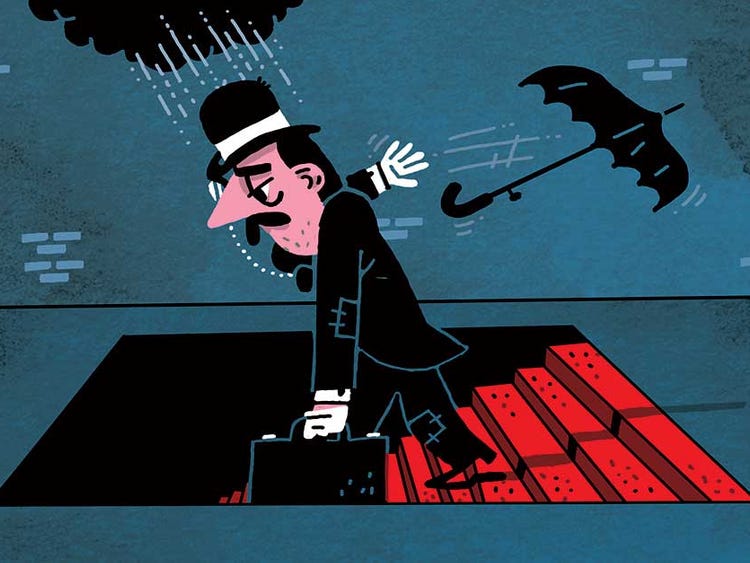
Have you ever heard of the concept of “declinism”? It’s a term that has been used to describe the belief that society, culture, or even humanity as a whole is in a state of decline. It’s a complex and multifaceted idea that has been explored by scholars, philosophers, and social commentators for centuries. In this article, I’m going to take a closer look at “declinism,” examining its origins, definitions, and implications for contemporary society.
The concept of “declinism” can be traced back to the ancient Greeks, who believed that society progressed through a cycle of growth and decline. This idea was further developed by Roman philosophers, who believed that history was a series of cycles in which societies rose and fell. In modern times, the concept of “declinism” has been used to describe a range of cultural and social phenomena, from the decline of traditional values to the collapse of global civilization.
The term “declinism” can be defined as the belief that society, culture, or humanity as a whole is in a state of decline or decay. This belief can manifest in a variety of ways, from a pessimistic attitude towards the future to a sense of nostalgia for a past that is seen as superior. Some scholars argue that “declinism” is a natural human response to change and uncertainty, while others see it as a symptom of deeper social or psychological problems.

The topic of “declinism” is particularly relevant in our current moment, as many people around the world grapple with a sense of uncertainty and anxiety about the future. From the COVID-19 pandemic to the ongoing climate crisis, there are many factors that can contribute to a sense of decline. By understanding the roots of “declinism” and its effects on individuals and societies, we can better equip ourselves to navigate these challenges and build a more resilient and optimistic future.
Theoretical Foundations
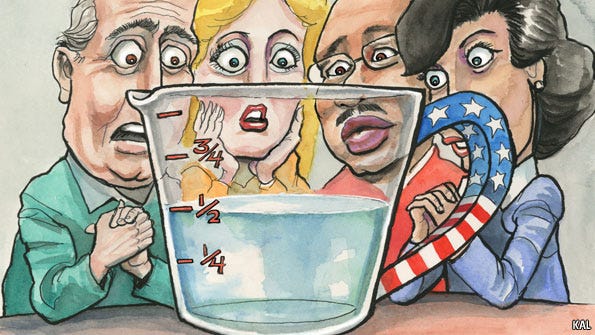
When it comes to “declinism,” there are a lot of theoretical foundations to explore. Philosophers and sociologists have been studying the concept of decline for centuries, and there are many different theories that attempt to explain why we have a tendency to see our world as in a state of decline.
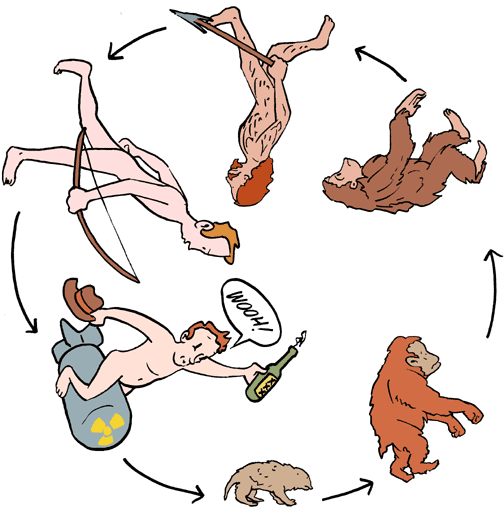
One of the most fundamental theories of decline is the cyclical theory of history. According to this theory, civilizations and societies go through cycles of growth and decline, with each phase lasting for a certain period of time. This idea has been popularized by scholars such as Oswald Spengler and Arnold Toynbee, who argued that civilizations have a life cycle that is similar to that of individual human beings. This idea is even expanded to finance and life cycle of companies.
Another important theory of decline is the structural theory of history. This theory posits that societies and civilizations are shaped by larger historical and structural forces, such as economic and technological change. In this view, decline is often seen as a result of these larger structural factors, rather than as a result of individual or cultural attitudes. Basically, any time we have a breakthrough in technology, it generates a sense of decline in some people who view that technology as a source of destruction
Finally, there are also psychological theories of decline that focus on the individual and collective attitudes and beliefs that shape our perception of decline. These theories argue that people have a natural tendency to focus on negative events and experiences, and that this can lead to a sense of decline even in the absence of objective evidence.
Overall, the theoretical foundations of “declinism” are complex and multifaceted. By examining these different theories, we can begin to gain a better understanding of the psychological, cultural, and historical factors that contribute to our sense of decline. However, it is important to remember that these theories are just that — theories.
The Causes of “Declinism”
In the context of “declinism,” there are many factors that can contribute to a widespread belief in decline. Some of these factors are psychological, while others are social, cultural, or political in nature.
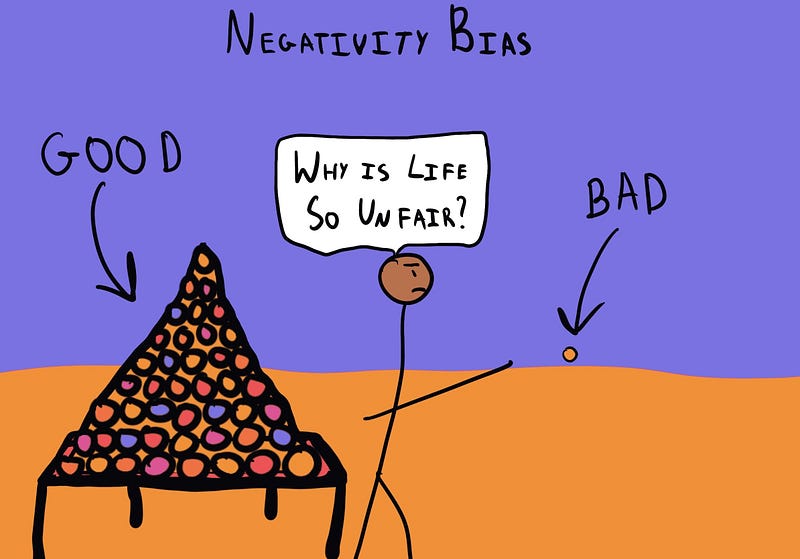
One psychological factor that can contribute to “declinism” is the so-called “negativity bias.” This refers to the tendency of the human brain to focus more on negative information and experiences than on positive ones. As a result, people may be more likely to perceive a sense of decline in their personal lives, in their communities, or in the world at large, even if objective measures suggest otherwise.
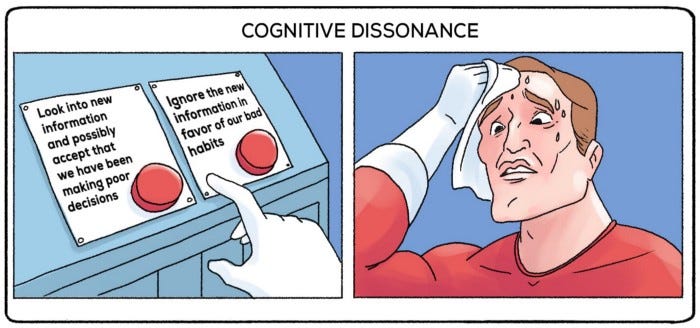
Another psychological factor is the phenomenon of “cognitive dissonance.” This occurs when people hold two conflicting beliefs or attitudes, and it can be uncomfortable or distressing. In the case of “declinism,” people may hold the belief that their society or culture is in decline, while also holding the belief that progress and improvement are possible. This conflict can create a sense of unease or anxiety, and may lead people to focus more on the perceived decline rather than on potential solutions or positive developments.
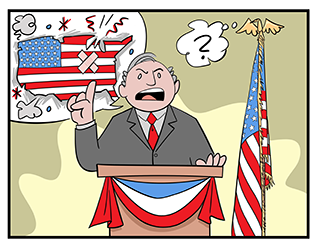
Social and cultural factors can also contribute to “declinism.” For example, media coverage of negative events or trends can create a distorted perception of reality, leading people to believe that things are worse than they actually are. Similarly, political rhetoric that focuses on the problems and challenges facing society can fuel a sense of decline, even if the situation is more nuanced or complex.
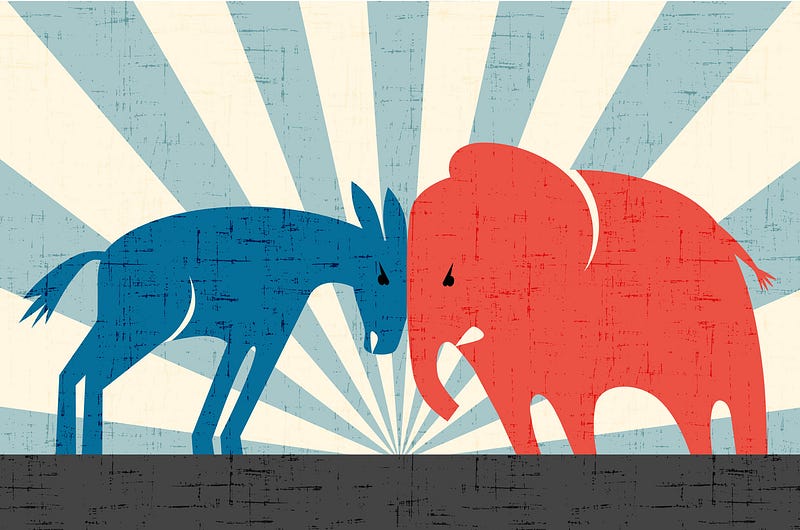
Finally, “declinism” can be a response to real problems or challenges facing society, such as economic inequality, political polarization, or environmental degradation. In these cases, the belief in decline may be based on objective data, but the perception of decline can also be exaggerated or distorted by other psychological or social factors.
Overall, the causes of “declinism” are complex and multifaceted, and can be influenced by a wide range of factors. By understanding these factors, we can better address the root causes of “declinism” and work towards creating a more positive and constructive vision for the future.
The Effects of “Declinism”
At its core, “declinism” is a deeply pessimistic belief that the world is in a state of irreversible decline. This kind of thinking can have a range of negative effects on people and their behavior. For example, it can lead to feelings of hopelessness, anxiety, and despair, as individuals feel like there is no hope for the future.
On a larger scale, a widespread belief in decline can have significant impacts on societies and cultures. It can lead to a sense of national malaise, a lack of confidence in institutions, and a reluctance to invest in the future. In some cases, it can even contribute to political instability and social unrest.
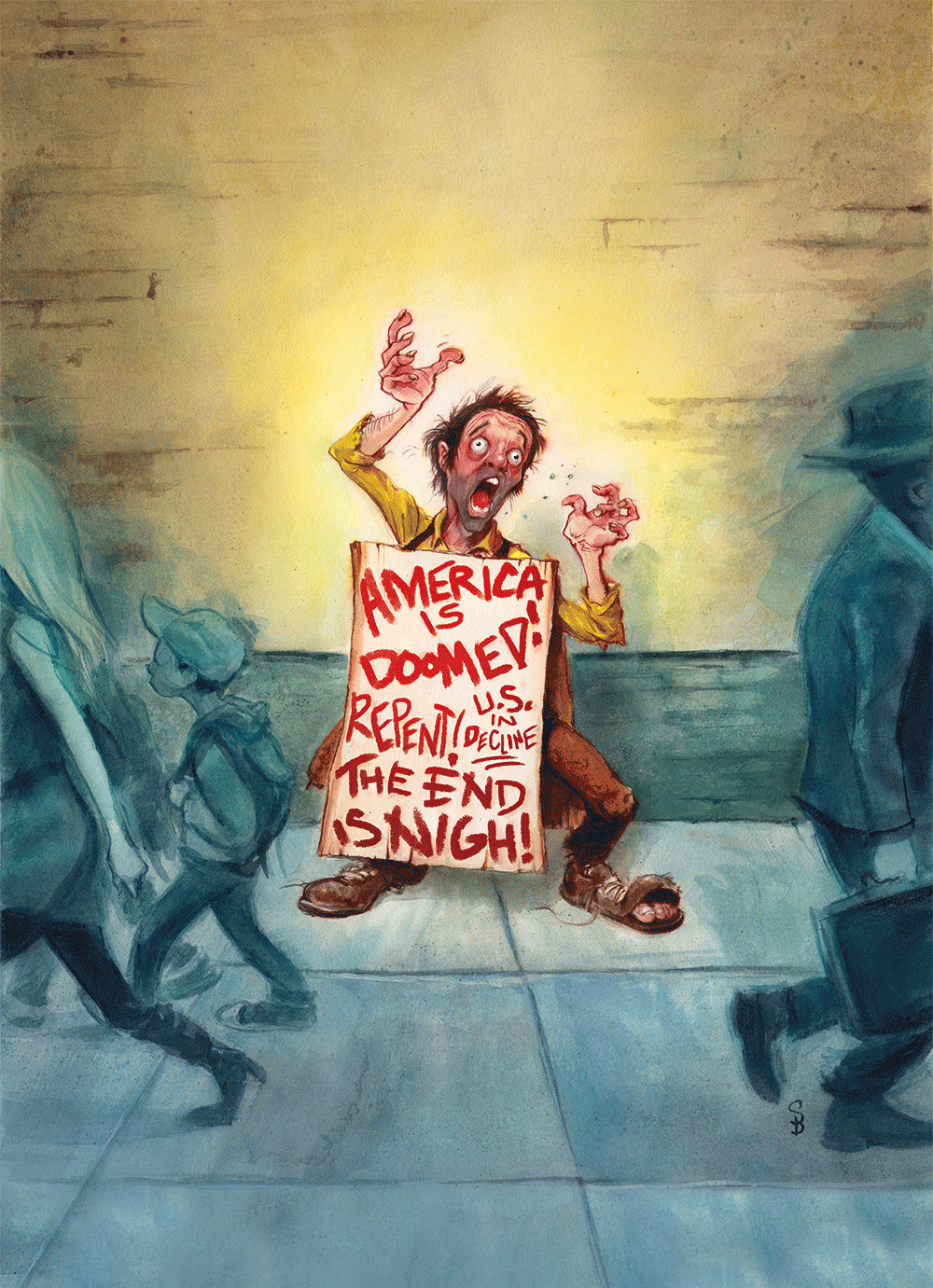
However, it’s important to note that not all forms of “declinism” are created equal. In some cases, a belief in decline can be a healthy and productive reaction to a specific problem or challenge. For example, if a community is experiencing economic decline or environmental degradation, a sense of urgency and a desire for change can be an important catalyst for action.
The challenge, then, is to strike a balance between acknowledging the realities of decline and maintaining a sense of optimism and hope for the future. This can be a difficult task, but it is essential if we are to build a better world for ourselves and future generations.
Responses to “Declinism”
As we’ve seen, “declinism” is a pervasive and complex phenomenon that has significant implications for individuals and societies. The belief that things are getting worse, and that decline is inevitable, can have a paralyzing effect on our actions and attitudes. But what can we do to overcome “declinism” and create a more positive and hopeful vision of the future?
One common response to “declinism” is to challenge the assumptions and beliefs that underpin the phenomenon. This can involve questioning the validity of the evidence that supports the belief in decline, or reinterpreting that evidence in a more positive light. For example, instead of seeing technological progress as a cause of social and environmental problems, we can view it as a potential solution to those problems. By reframing our beliefs about the world, we can begin to see new possibilities for the future.
Another response to “declinism” is to focus on the positive aspects of our current situation, rather than dwelling on the negative. This can involve highlighting examples of progress and innovation in different areas, or emphasizing the resilience and creativity of individuals and communities in the face of adversity. By celebrating our successes and strengths, we can build a sense of confidence and optimism that can help to counteract the feelings of despair and hopelessness that “declinism” can generate.
A third response to “declinism” is to take action to address the problems and challenges that we face, rather than simply accepting them as inevitable. This can involve engaging in political activism, volunteering for social and environmental causes, or pursuing personal projects and goals that contribute to a better future. By taking responsibility for our own lives and communities, we can create a sense of agency and empowerment that can counteract the sense of helplessness and fatalism that “declinism” can engender.
Of course, these responses to “declinism” are not mutually exclusive, and there are many other approaches and strategies that can be used to overcome this phenomenon. Ultimately, the key to responding to “declinism” is to recognize that our beliefs and attitudes are not set in stone, and that we have the power to shape our own future. By taking a proactive and positive approach to the challenges we face, we can create a more hopeful and resilient society that is better equipped to confront the complex issues of our time.
References
- “The Culture of Narcissism” by Christopher Lasch — Published in 1979, this book is considered a classic work on the cultural roots of “declinism.” Lasch argues that the rise of narcissism in American culture has led to a sense of malaise and despair, and that this is a key factor in the perception of decline.
- “The Road to Serfdom” by Friedrich Hayek — First published in 1944, this influential book offers a conservative critique of socialism and collectivism, and argues that these political ideologies contribute to the perception of decline and the erosion of individual freedom.
- “The Rise and Fall of American Growth” by Robert Gordon — This book offers an economic perspective on the question of decline, and argues that the high rates of economic growth and productivity that characterized the 20th century are unlikely to continue in the future, leading to a sense of decline and stagnation.
- “The Age of American Unreason” by Susan Jacoby — This book offers a cultural critique of American society, arguing that the decline of reason and critical thinking has contributed to a sense of cultural decline and societal malaise.
- “The End of History and the Last Man” by Francis Fukuyama — This influential book offers a philosophical and historical perspective on the concept of “declinism,” arguing that the end of the Cold War represented the “end of history” in the sense that liberal democracy had triumphed over other political ideologies.
- “The Death of Expertise” by Tom Nichols — This book offers a critique of contemporary society’s skepticism of expertise and the erosion of trust in intellectual authority. Nichols argues that the decline of trust in expertise is a key factor in the perception of decline.
- “The Great Regression” edited by Heinrich Geiselberger — This book is a collection of essays by prominent intellectuals and scholars that explores the rise of populism, authoritarianism, and xenophobia in contemporary society. The book offers a critical perspective on the political and social trends that contribute to the perception of decline.
Further reading resources on cognitive biases
- The Mental Tug-of-War: A Study of Cognitive Dissonance and its Consequences (link)
- Mind Over Matter: The Science Behind Availability Heuristic in Everyday Life (link)
- Beyond Self-Delusion: The Science of Illusory Superiority (link)
- Uncovering the Roots of Self-Serving Bias (link)
- The Dark Side of Attribution: How Our Perceptions Can Impact Relationships and Decisions (link)
- Following The Crowd: The Psychology Of The Bandwagon Effect (link)
- Perception, Interpretation, and Bias: Examining Actor-Observer Dynamics (link)
- The Impact of Negativity Bias on Mood, Decision Making, and Relationships (link)
- Hindsight Bias: Understanding the Psychology Behind Our 20/20 Vision (link)
I hope you enjoyed reading this 🙂. If you’d like to support me as a writer consider signing up to become a Medium member. It’s just $5 a month and you get unlimited access to Medium 🙏 . Before leaving this page, I appreciate if you follow me on Medium and Linkedin 👉


