
Beyond Self-Delusion: The Science of Illusory Superiority

Hello there! If you’re reading this article, you’re likely curious about the fascinating world of cognitive biases and the impact they have on our daily lives. In this article, I am going to dive into the realm of illusory superiority — a bias that affects us all, regardless of our profession, education, or culture.
But before I dive into the details, let’s start with the basics. What exactly is illusory superiority, you may ask? Well, in a nutshell, it’s the tendency for people to overestimate their abilities, skills, and intelligence compared to others. It’s like the classic line from “The Emperor’s New Clothes” — everyone thinks they look fabulous, but in reality, they’re actually quite naked.
Now, before you start feeling down on yourself, don’t worry — this is a universal phenomenon that affects even the smartest and most accomplished individuals. In fact, studies have shown that over 90% of people suffer from illusory superiority in one form or another! It’s a sneaky little bias that creeps into our minds and clouds our judgment.
So, why should you care about illusory superiority? Well, for starters, it can have a significant impact on our personal and professional lives. It can lead us to make incorrect decisions, choose inappropriate courses of action, and even hurt our relationships with others. But the good news is, with a little bit of awareness and understanding, we can learn to recognize and overcome this bias.
Historical background
The first seeds of illusory superiority were planted by ancient philosophers, who grappled with the idea of the self and its relationship to the world. The Greek philosopher, Socrates, famously said, “Know thyself,” emphasizing the importance of self-awareness and introspection. This idea was later echoed by the Roman philosopher, Seneca, who warned against the dangers of self-deception and urged individuals to be honest with themselves about their abilities and limitations.
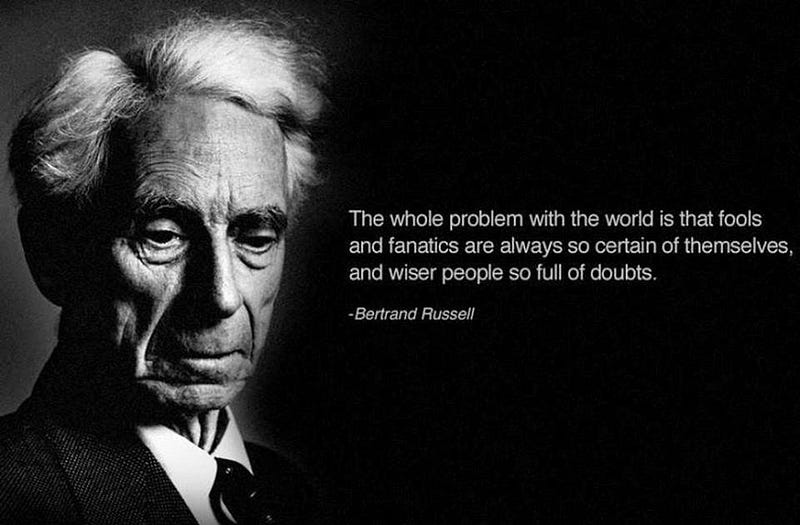
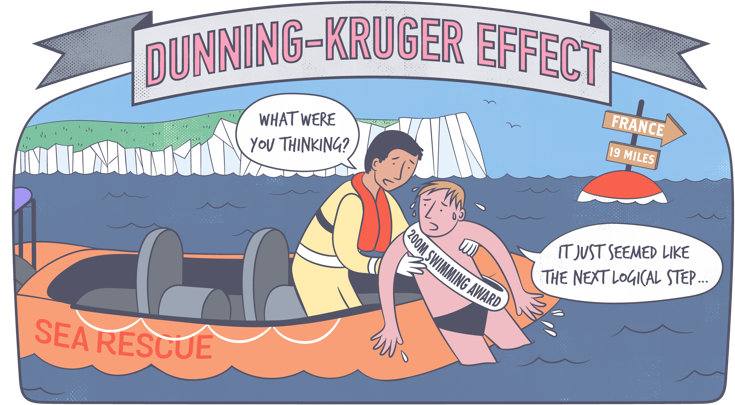
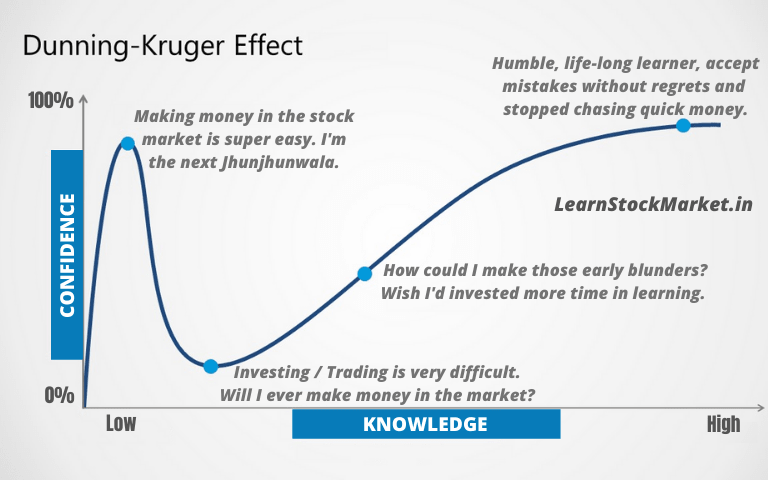
Fast forward a few centuries, and the idea of illusory superiority began to take shape in modern psychology. In the 1970s, psychologists David Dunning and Justin Kruger conducted a series of experiments that revealed the phenomenon of “unskilled and unaware of it.” In other words, they found that individuals who performed poorly in a task were often unable to accurately assess their own abilities, and tended to overestimate their performance relative to others. This marked the birth of the “Dunning-Kruger Effect,” and the concept of illusory superiority as we know it today.
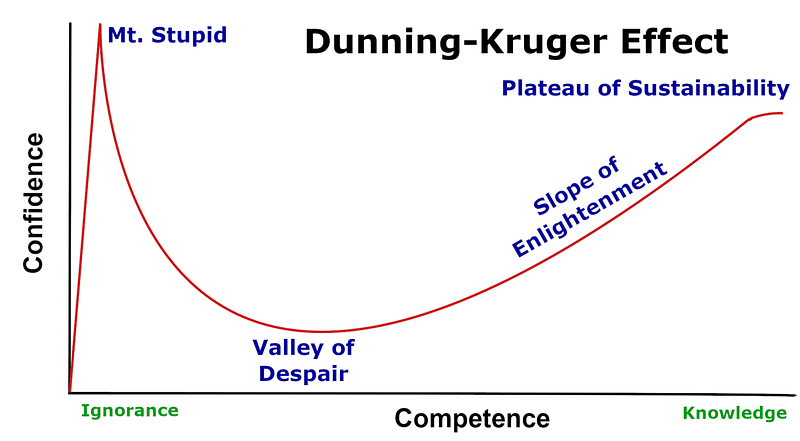
Since then, the understanding of illusory superiority has continued to evolve and expand, with new research uncovering its impact in various domains, such as education, the workplace, and the stock market. But at its core, illusory superiority remains a reminder of the power of self-delusion and the importance of being honest with ourselves about our abilities and limitations.
Theoretical foundations
Let’s start with the basics: what exactly are cognitive biases? Put simply, cognitive biases are systematic errors in our thinking that can lead to flawed judgments and decisions. These biases are an inherent part of our brain’s processing mechanisms and they affect how we perceive and interpret information.
Now, let’s talk about how cognitive biases relate to illusory superiority. At its core, illusory superiority is a type of cognitive bias in which individuals overestimate their abilities and performance relative to others. This bias can manifest in many different forms, such as overconfidence in one’s abilities, skills, or knowledge, or a tendency to underestimate the abilities of others.
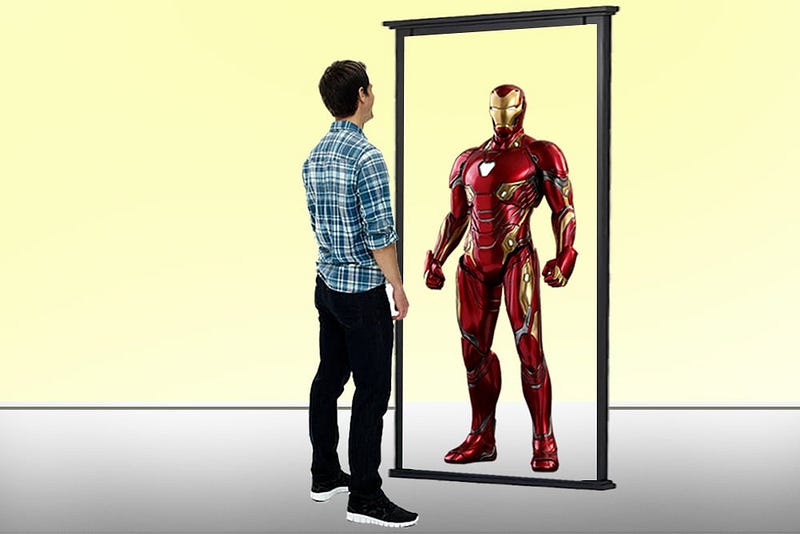
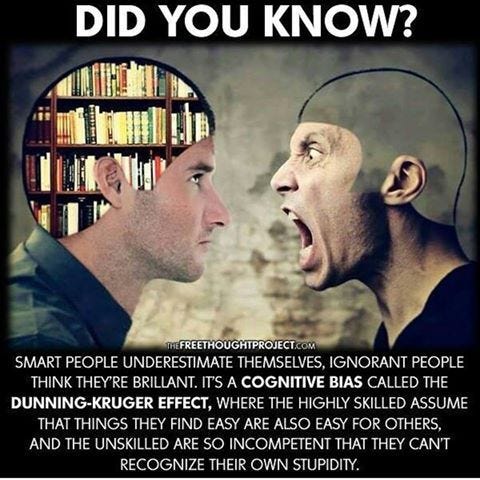
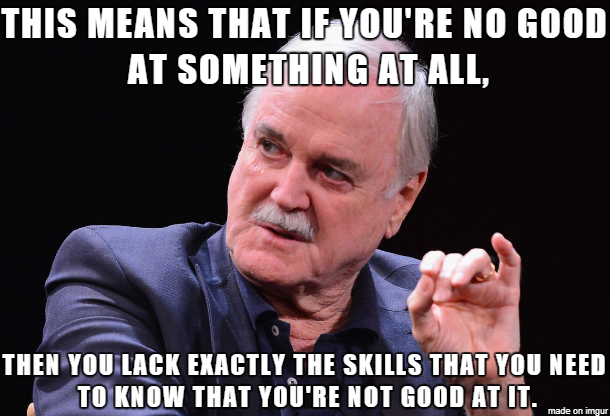
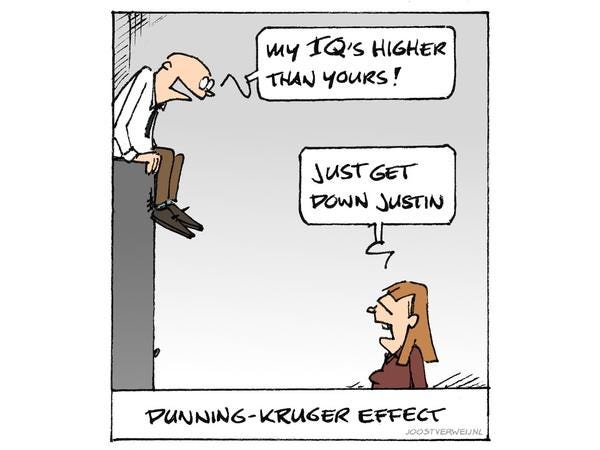
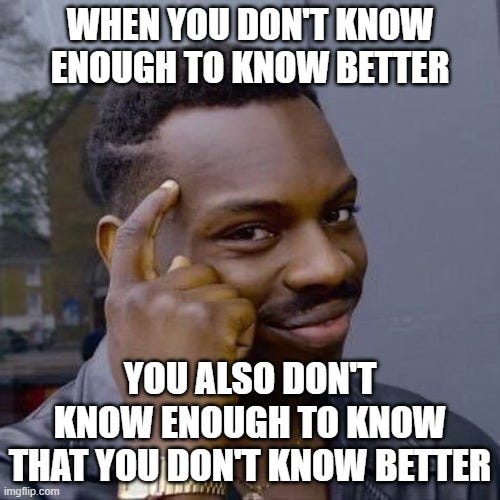
Another closely related bias is the Dunning-Kruger effect, which as I shared earlier says that people with limited ability at a task tend to overestimate their own ability. This is because they lack the self-awareness and knowledge needed to accurately evaluate their own skills.
Finally, let’s not forget about self-serving biases. These are biases that tend to favor and protect the self, often leading to an inflated sense of one’s own abilities and achievements. This can contribute to the development of illusory superiority by reinforcing one’s own self-perception and distorting the perception of others.
Psychological and neural mechanisms
So, what causes this illusion? Well, the answer lies in the interplay of several psychological and neural processes. Let’s start with emotions. It turns out that positive emotions, such as pride and self-esteem, play a crucial role in the formation of illusory superiority. When we feel good about ourselves, we tend to view our abilities and performance more positively than they actually are. This can lead us to believe that we are superior to others, even when the evidence suggests otherwise.
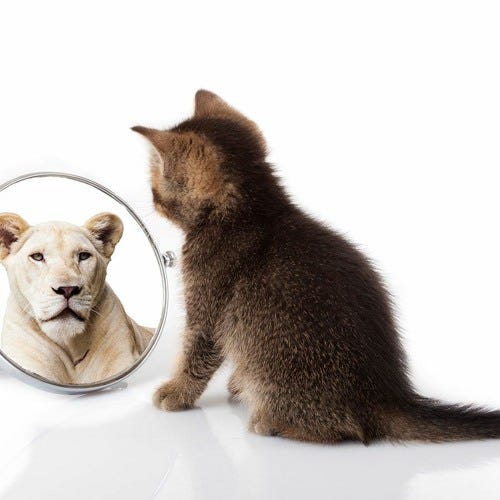
Next, let’s talk about motivation. Our motivation to achieve our goals can also contribute to illusory superiority. For example, if we’re highly motivated to do well in a particular task, we may focus on the positive aspects of our performance and ignore the negative aspects. This selective attention can create an illusion of superiority, even if our performance is average or below average compared to others.
Finally, let’s look at memory. Our memories are not always accurate representations of reality, and this can also contribute to illusory superiority. For example, if we remember only our successful experiences and forget our failures, we may form a biased view of our abilities and performance. This can lead us to believe that we are superior to others, even when the evidence suggests otherwise.
Evidence and empirical studies
Let’s dive into the juicy part, shall we? The evidence and empirical studies that support the existence of illusory superiority. As much as we’d love to believe we’re all above average, the research suggests otherwise.
Let’s start with experiments. In one classic study, researchers asked participants to rate their driving abilities compared to others. Guess what? Nearly all participants rated themselves as above average drivers! This shows the tendency of people to overestimate their abilities compared to others.
But it’s not just driving skills. Similar results have been found in studies of a wide range of abilities and traits, such as intelligence, athletic ability, and even humor. The bottom line is, we tend to think we’re better than we actually are.
Now, what about surveys? Well, surveys can be a bit tricky. People may answer questions in a way that makes them look good, even if it’s not entirely accurate. But, even with that in mind, surveys still support the concept of illusory superiority. For example, in one survey, people were asked to rate their sense of humor compared to others. Nearly 70% of respondents rated themselves as having a better sense of humor than the average person!
Finally, let’s look at meta-analyses. A meta-analysis is a study that combines the results of many individual studies to get a big-picture view of a particular topic. And, when it comes to illusory superiority, the meta-analyses paint a pretty clear picture: we tend to overestimate our abilities compared to others.
Real-world applications
Illusory superiority is not just a fun concept to ponder in the lab — it’s a phenomenon with real-world implications. From education to the workplace, and from personal relationships to the stock market, our biases can shape our decisions, perceptions, and outcomes in meaningful ways.
Let’s start with education. Have you ever been in a class and thought to yourself, “Wow, I’m one of the smartest people here!” only to find out later that your grades were not as good as you thought they were? This is a classic example of illusory superiority at work. Research has shown that students tend to overestimate their abilities relative to their peers, and this can lead to decreased motivation, effort, and learning. To overcome this bias, educators can help students become more aware of their own strengths and weaknesses, and provide constructive feedback that can help them improve.
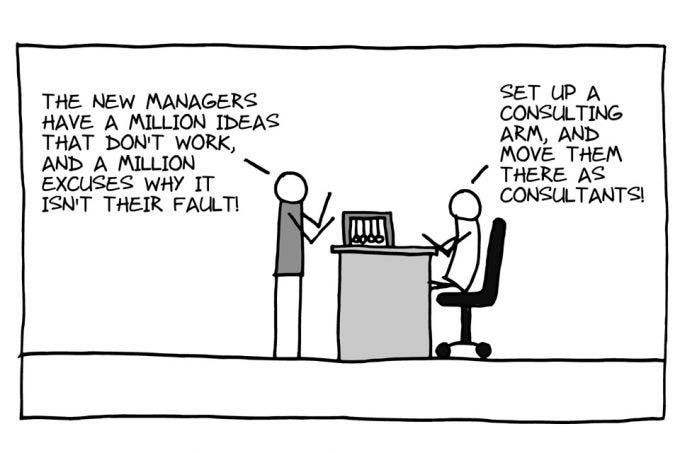
In the workplace, illusory superiority can lead to poor performance, low job satisfaction, and even burnout. For example, a manager who believes they are better at delegation than they actually are may overburden their employees, leading to stress and low morale. To combat this, organizations can create a culture of feedback and self-reflection, and encourage employees to seek out opportunities for professional development.
Illusory superiority can also have negative consequences in personal relationships. People who believe they are superior in some way may engage in self-serving behaviors, such as taking credit for others’ work, or disregarding the needs and feelings of their partners. To avoid this, it’s important to be honest with ourselves about our own limitations, and to engage in regular self-reflection and self-improvement.
Finally, let’s not forget the stock market! Illusory superiority can lead investors to make poor investment decisions, such as holding onto losing stocks for too long, or blindly following “hot tips” from friends and family. To avoid these pitfalls, investors can educate themselves about the realities of the market, and seek out unbiased information and advice from experts.
In conclusion, illusory superiority is a common bias that can have far-reaching consequences in many aspects of our lives. By being aware of our own tendencies to overestimate our abilities, and by engaging in regular self-reflection and self-improvement, we can avoid the negative effects of illusory superiority and make better decisions in all areas of our lives.
Conclusion
In conclusion, I have delved into the complex and fascinating world of illusory superiority, and explored its roots, mechanisms, evidence, and real-world applications. From the earliest philosophical musings on human self-perception, to the latest findings in cognitive psychology and neuroscience, we’ve seen how this pervasive bias has shaped the way we view ourselves and the world around us.
Throughout the article, we’ve learned that illusory superiority is not just a harmless quirk of the human mind, but a powerful force that can have significant consequences for individuals and society. Whether we’re overestimating our own abilities, underestimating the skills of others, or simply failing to see the world objectively, the effects of illusory superiority can range from comical to catastrophic.
So, what’s the take-home message here? Well, first of all, let’s not beat ourselves up too much. After all, who doesn’t like to think of themselves as a little bit better than average? The good news is that with a little awareness and effort, we can all work to reduce the impact of illusory superiority in our lives. Whether it’s seeking out constructive feedback, surrounding ourselves with people who challenge us, or simply taking the time to reflect on our strengths and weaknesses, there are many ways to keep our egos in check and see the world more objectively.
References
- “Thinking, Fast and Slow” by Daniel Kahneman: This classic book provides a comprehensive overview of cognitive biases, including illusory superiority. Kahneman’s insights and findings have revolutionized the field of behavioral economics, and this book is widely regarded as a must-read for anyone interested in the psychology of decision-making.
- “The Dunning-Kruger Effect: On Being Ignorant of One’s Own Ignorance” edited by David Dunning: This paper brings together leading researchers in the field to explore the Dunning-Kruger effect and its implications. Topics covered include the underlying causes of illusory superiority, the impact of overconfidence in real-world situations, and strategies for avoiding or reducing its negative effects.
- “Overconfidence and War: The Havoc and Glory of Positive Illusions” by Dominic Johnson: This book offers a unique perspective on illusory superiority by examining its impact on decision-making in military conflict. Johnson argues that overconfidence can be a major driver of war, and provides insights into the mechanisms behind this phenomenon and the strategies that can be used to mitigate its negative effects.
- “The Confidence Game: Why We Fall for It . . . Every Time” by Maria Konnikova: In this engaging book, Konnikova explores the various ways in which confidence can be manipulated and exploited, including the phenomenon of illusory superiority. Drawing on a wide range of examples and research findings, Konnikova provides a compelling overview of the confidence game and the strategies that can be used to stay ahead of the curve.
- “Unskilled and Unaware of It: How Difficulties in Recognizing One’s Own Incompetence Lead to Inflated Self-Assessments” by David Dunning and Justin Kruger: This seminal paper provides a comprehensive overview of the Dunning-Kruger effect and its underlying causes. The authors examine the ways in which illusory superiority can arise from a lack of ability, as well as the implications of this phenomenon for real-world decision-making.
- “The Art of Thinking Clearly” by Rolf Dobelli: This book provides a concise overview of common cognitive biases, including illusory superiority. Dobelli argues that many of the decisions we make are influenced by these biases, and provides practical strategies for overcoming them and making better decisions.
- “Blink: The Power of Thinking Without Thinking” by Malcolm Gladwell: In this bestselling book, Gladwell explores the role of unconscious biases and intuitions in decision-making, including the impact of illusory superiority. Gladwell argues that many of our most important decisions are made quickly and unconsciously, and provides insights into how we can harness the power of our intuitions while avoiding the pitfalls of biases.
- Mind Over Matter: The Science Behind Availability Heuristic in Everyday Life (link)
- The Mental Tug-of-War: A Study of Cognitive Dissonance and its Consequences (link)
I hope you enjoyed reading this 🙂. If you’d like to support me as a writer consider signing up to become a Medium member. It’s just $5 a month and you get unlimited access to Medium 🙏 . Before leaving this page, I appreciate if you 👏 Clap for the story and also follow me to see my future articles in your home page 👉


