
Uncovering the Roots of Self-Serving Bias: A Deep Dive into Psychology and Strategy

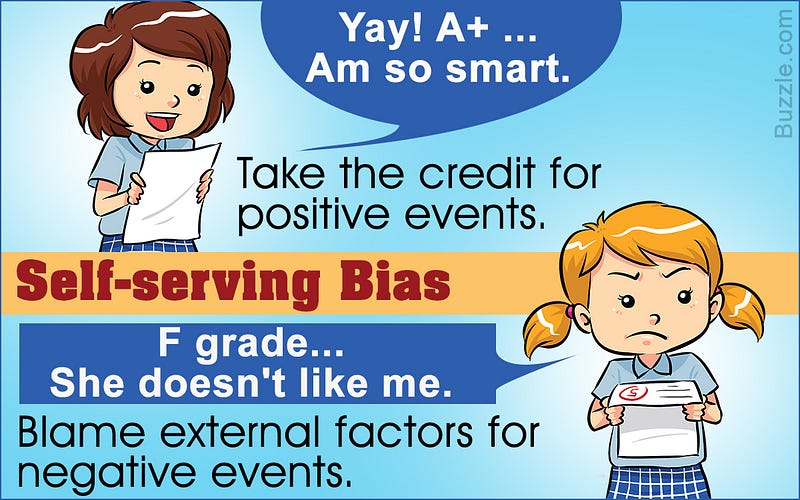
Self-serving bias, a concept that has been around for decades, is a topic that continues to fascinate researchers and practitioners alike. In a nutshell, self-serving bias refers to our tendency to attribute success to our own abilities and external factors when things go well, while attributing failure to external factors and luck when things go wrong.
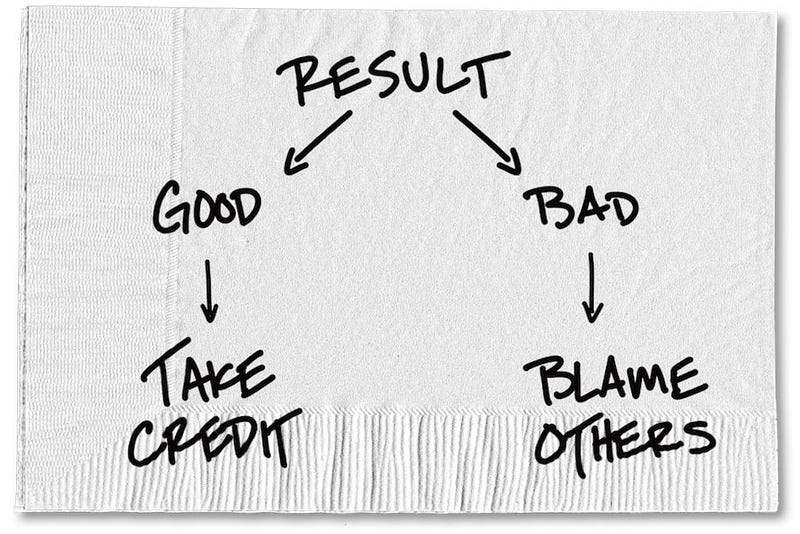
Self-serving bias is a type of cognitive bias that influences how we perceive and interpret events in our lives. It leads us to view our own abilities, qualities, and actions in a more positive light, and to downplay the role that external factors play in our successes and failures.
This bias was first identified and named by social psychologist Morris Rosenberg in 1965, but the concept has been studied by psychologists for many decades before that. Over the years, researchers have developed various methods for measuring self-serving bias, and have found that it can be a powerful influence on our behavior and attitudes.
The bias is relevant to a wide range of fields, including psychology, sociology, business, and education. Understanding the nature and mechanisms of self-serving bias is important for individuals who want to improve their self-awareness and decision-making skills, as well as for organizations and institutions that seek to create more equitable and inclusive environments. In organizations and teams, it matters who gets the credit and because we all have a skewed view of how credits should be distributed, without a code, the whole organization would feel ignored. It can be recipe for disaster if don’t pay attention to this cognitive bias.
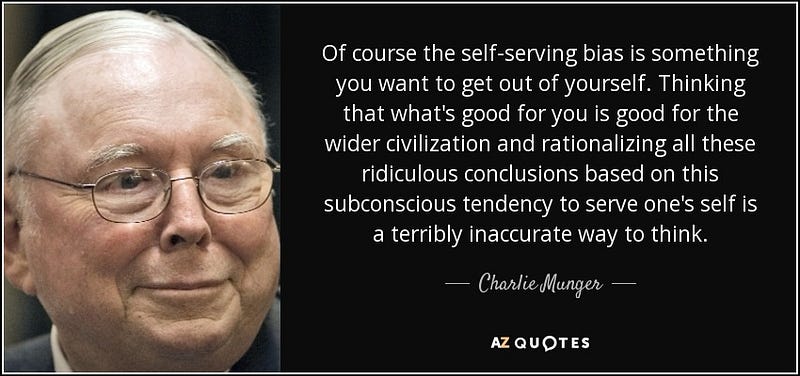
Let’s finish this introduction with a quote from honorable Charlie Munger:
Characteristics of self-serving bias
Let’s break down the different types of self-serving biases. We’ve got the classic “I’m-awesome-at-everything” bias, which is when we attribute our successes to our own abilities and deny any help from others. On the flip side, there’s the “It’s-not-my-fault” bias, where we attribute our failures to external factors like a difficult exam or poor weather. And then there’s the “I’m-better-than-you” bias, which is when we view ourselves as superior to others and attribute their failures to a lack of ability or effort.
So what makes us fall prey to these biases? Well, it’s a mix of our brain’s desire for positive self-image and our social environment. Our brain wants to see ourselves in the best light possible, so it’s easier to attribute successes to our own abilities and blame failures on external factors. Meanwhile, our social environment can influence the way we see ourselves and others, perpetuating the self-serving bias cycle. If anyone around you agree with that your failures are because of external factors, it can be a reinforcing environment and keep you isolate from the truth.
But hey, don’t worry too much about it. Understanding these biases and how they work is the first step in breaking free from them.
Mechanisms of self-serving bias
Let’s start by discussing the psychological and cognitive processes involved in self-serving bias. Basically, self-serving bias is rooted in our natural tendency to view ourselves in a positive light and to seek out information that confirms our existing beliefs and attitudes. This is called confirmation bias, and it plays a big role in the formation of self-serving biases.
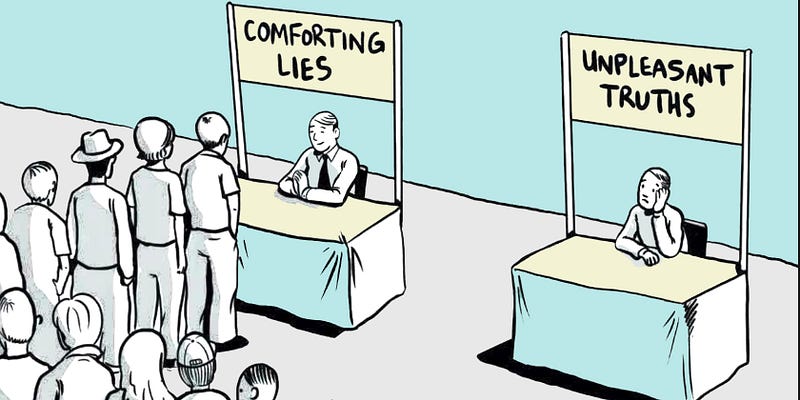
Next, let’s explore the neural and physiological mechanisms that underlie self-serving bias. Recent studies have shown that our brains respond differently when we receive information that confirms our self-serving biases as opposed to information that contradicts them. In other words, our brains are wired to give us a little “boost” of positive emotion when we see information that supports our biases, and to dampen the impact of information that challenges them.
Finally, let’s see how self-serving bias affects our behavior and decision-making. For example, when we hold self-serving biases, we may be more likely to take risks, ignore potential threats, and discount the opinions of others. This can lead to poor decision-making and negative outcomes in a variety of contexts, from personal relationships to professional settings.
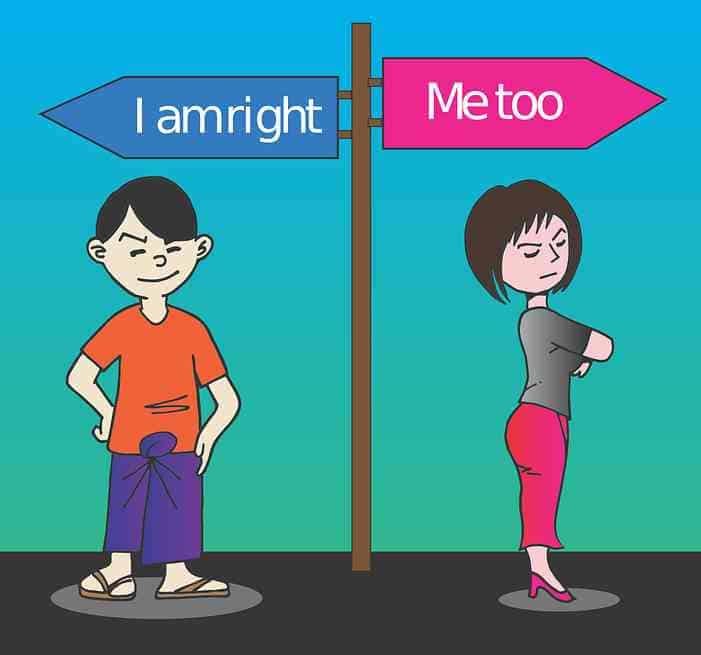
Implications of self-serving bias
Now it’s time to see the consequences of our self-serving biases. Sure, it might feel good in the moment to have a little self-love, but what happens when our biases start to impact others? The answer is, not much good.
First, let’s start with the effect of self-serving biases on personal and social relationships. When we consistently make decisions that benefit ourselves, it can put a strain on the relationships around us. This can lead to feelings of mistrust, resentment, and disconnection with those we care about. Basically, if you ignore this bias and try to take credit for everything, your environment may perceive you as a threat.
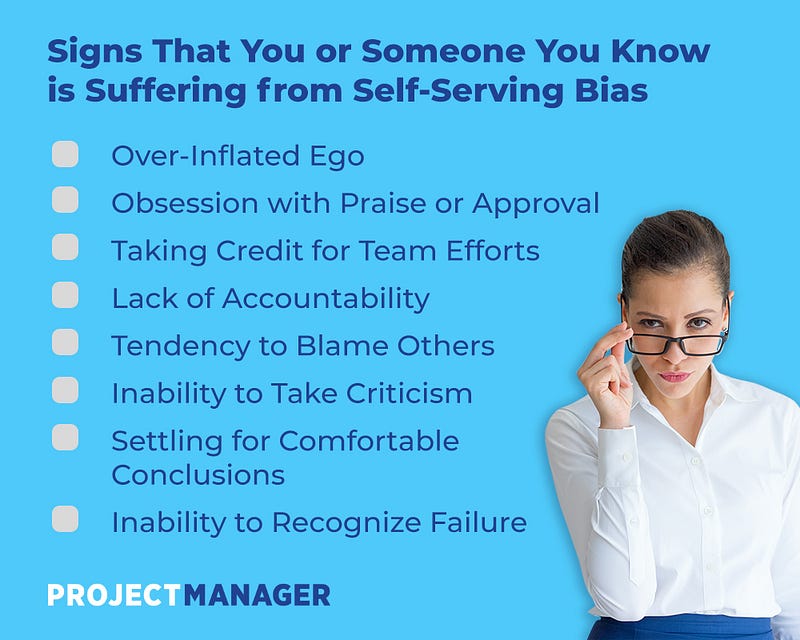
Next up, self-serving biases can cause problems in organizational and professional settings as well. For example, a manager who consistently prioritizes their own interests over those of their team is unlikely to foster a positive work environment. This can lead to high turnover, low morale, and decreased productivity.
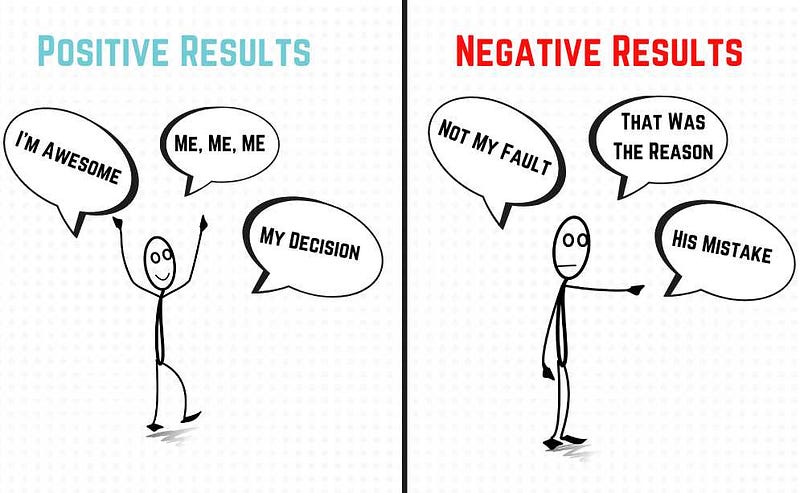
But here’s the real kicker: self-serving biases can play a role in the creation and perpetuation of social and systemic inequalities. By consistently making decisions that benefit ourselves and our in-group, we can contribute to the marginalization of other groups. And the cycle continues.
So, what can we do about it? Well, for starters, we can work on increasing our awareness of our biases and making a conscious effort to correct them. This could involve seeking out diverse perspectives, practicing empathy, and stepping outside of our comfort zone.
In conclusion, self-serving biases can have far-reaching implications, both for ourselves and those around us. By working to counteract these biases, we can build stronger, more equitable relationships and communities.
Counteracting self-serving bias
As much as we’d like to believe that we are always objective and fair in our judgments, self-serving biases are an inevitable part of human nature. But don’t worry, all hope is not lost! There are ways to reduce and counteract self-serving biases, and I’m here to share some of the best strategies with you.
Strategies for reducing self-serving bias:
- Mindfulness: Being mindful of our own biases can help us recognize when we are acting in self-serving ways. This is an essential first step in correcting our biases.
- Seek out diversity: Surrounding ourselves with people who have different perspectives and experiences can help us broaden our perspectives and reduce self-serving biases.
- Get an outside perspective: Sometimes, it’s helpful to get an objective viewpoint from someone else to help us see things from a different angle.
- Keep records and track progress: Keeping track of our own biases can help us identify patterns and areas where we need to work on reducing our biases.
Techniques for improving awareness and correcting biases:
- Practice empathy: Putting ourselves in others’ shoes can help us understand and appreciate their perspectives, reducing our self-serving biases.
- Consider the opposite: Before making a decision, take a moment to consider the opposite perspective. This can help us avoid falling into self-serving biases.
- Use humor: Humor can be a great tool for reducing biases. By laughing at our own biases, we can put them in perspective and reduce their influence.
References
- “Thinking, Fast and Slow” by Daniel Kahneman: This book is a comprehensive overview of cognitive biases, including self-serving bias, and provides insights into how these biases can impact decision-making.
- “Blind Spot: Hidden Biases of Good People” by Mahzarin R. Banaji and Anthony G. Greenwald: This book explores the concept of implicit biases, including self-serving bias, and provides practical strategies for recognizing and overcoming these biases.
- “The Confidence Game: Why We Fall for It . . . Every Time” by Maria Konnikova: This book provides an in-depth look at the ways in which self-serving bias can impact our confidence and decision-making, as well as ways to avoid falling prey to these biases.
- Beyond Self-Delusion: The Science of Illusory Superiority (link)
- Mind Over Matter: The Science Behind Availability Heuristic in Everyday Life (link)
- Group Dynamics: Understanding the Complexities of Group Behaviors (link)
- Teamwork Makes the Dream Work: Tips for Building a Strong Team (link)
I hope you enjoyed reading this 🙂. If you’d like to support me as a writer consider signing up to become a Medium member. It’s just $5 a month and you get unlimited access to Medium 🙏 . Before leaving this page, I appreciate if you follow me on Medium and Linkedin 👉 Also, if you are a medium writer yourself, you can join my Linkedin group. In that group, I share curated articles about data and technology. You can find it: Linkedin Group. Also, if you like to collaborate, please join me as a group admin.


