
Group Dynamics: Understanding the Complexities of Group Behaviors

Group dynamics is a field of study that examines the behavior and interpersonal relationships within small groups. It is an interdisciplinary field that draws on theories and research from sociology, psychology, and communication to understand the processes that govern group behavior.
Group dynamics is concerned with the patterns of behavior that emerge within groups, as well as the ways in which individuals interact and respond to one another within the context of a group. It is interested in the ways in which groups form and change over time, and in the ways in which individuals within the group influence one another.
Understanding group dynamics is important because groups play a significant role in our lives. Many of the activities we engage in, both professionally and personally, are performed within the context of a group. Whether it is working in a team at the office, participating in a sports league, or volunteering for a community service project, groups are a fundamental aspect of our social experience.
By studying group dynamics, we gain a better understanding of the processes that shape group behavior. This knowledge can help us to more effectively navigate the social and professional relationships we engage in, as well as to better understand the ways in which groups function and change over time.
Moreover, a deep understanding of group dynamics can be particularly useful for those in leadership positions, who must navigate complex interpersonal relationships within the context of a team. Understanding the underlying dynamics of a group can help leaders to more effectively manage conflict, encourage teamwork, and promote positive group dynamics.
So, whether you are a student, a professional, or a leader, understanding group dynamics can have a profound impact on the quality of your relationships and your ability to effectively navigate the groups you belong to.
Stages of Group Development
In the world of group dynamics, understanding the stages of group development is key to a successful and productive team. Let’s take a closer look at each stage:
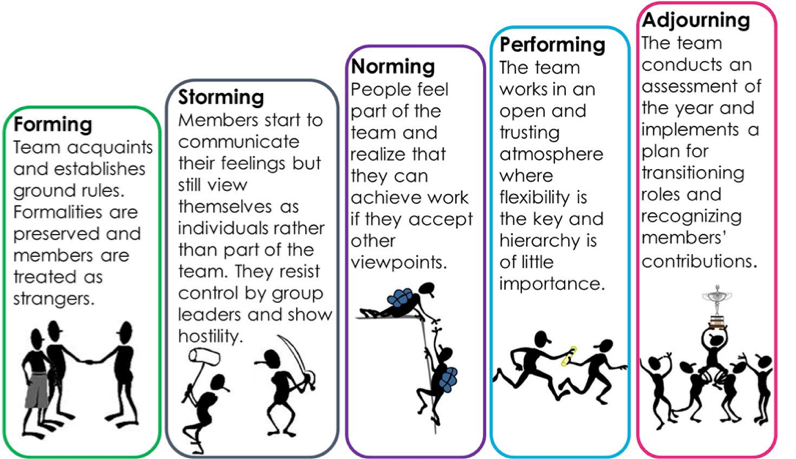
A. Forming
In this stage, individuals are polite and cautious, as they try to figure out their role in the group and what is expected of them. It’s a time of orientation, where individuals are testing the waters and getting to know one another.
B. Storming
This stage is where the real work begins. As individuals become more comfortable with one another, conflicts and disagreements may arise. It’s important for group members to work through these conflicts and establish clear communication and expectations.
C. Norming
Once conflicts have been resolved, group members will start to work together more smoothly and effectively. They’ll establish a clear sense of direction and teamwork, and start to feel a sense of cohesion and belonging.
D. Performing
In this stage, the group is functioning at its best and individuals are working towards a common goal. They have established clear roles and responsibilities, and are able to work together to achieve their objectives.
E. Adjourning
Finally, the group reaches the end of its life cycle and must disband. In this stage, individuals will reflect on their experiences and assess what they’ve learned and what could have been done better.
Group Structure and Roles
In the field of group dynamics psychology, the structure and roles within a group play a crucial role in the overall functioning and success of the group. Understanding these elements can help us understand why certain groups thrive while others may struggle.
A. Leadership
Effective leadership is a key factor in the success of a group. Leaders can shape the direction and goals of the group, as well as serve as role models for group members. A good leader should be able to effectively communicate and work with all members of the group, fostering a positive and productive group dynamic.
B. Group Size and Composition
The size and composition of a group can greatly impact the group dynamic. A group that is too large may struggle with communication and decision making, while a group that is too small may not have the resources and diversity of perspectives needed to effectively tackle a task. The composition of a group, including demographic and personality factors, can also play a role in the group dynamic.
C. Communication and Decision Making
A well-functioning group should have clear lines of communication, and should make decisions through a fair and transparent process. This can help ensure that all group members are heard and that decisions are made in the best interest of the group as a whole.
Group Dynamics Theories
Groups can be complex entities, with a variety of individual personalities, backgrounds, and motivations interacting in a dynamic and constantly changing way. Understanding the theories behind group dynamics can help us to understand why groups behave the way they do, and how to foster positive group dynamics. In this section, I am going to delve into some of the most important group dynamics theories, including Tuckman’s Stages of Group Development, Social Identity Theory, and Belbin’s Team Role Theory.
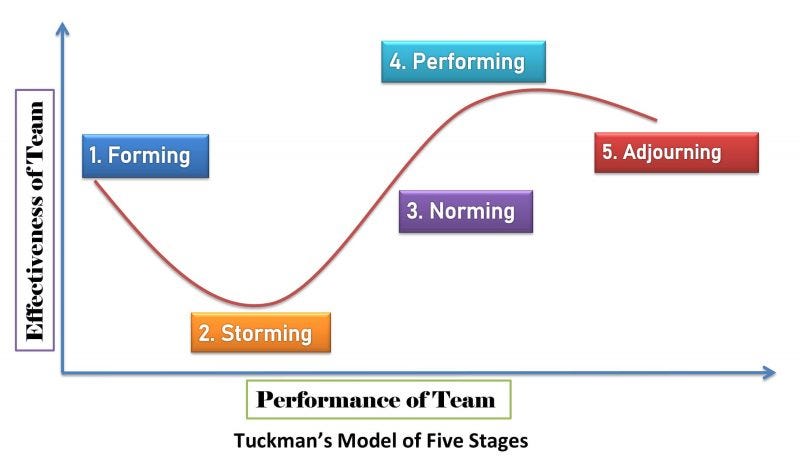
Tuckman’s Stages of Group Development
It is one of the most widely cited models of group development, and it helps us to understand the different stages that groups go through as they form and evolve. According to Tuckman, groups typically go through the stages of Forming, Storming, Norming, Performing, and Adjourning. These stage are explained in the previous section and you are already familiar with them. Understanding these stages is essential for anyone who wants to facilitate positive group dynamics and create successful teams.
Social Identity Theory
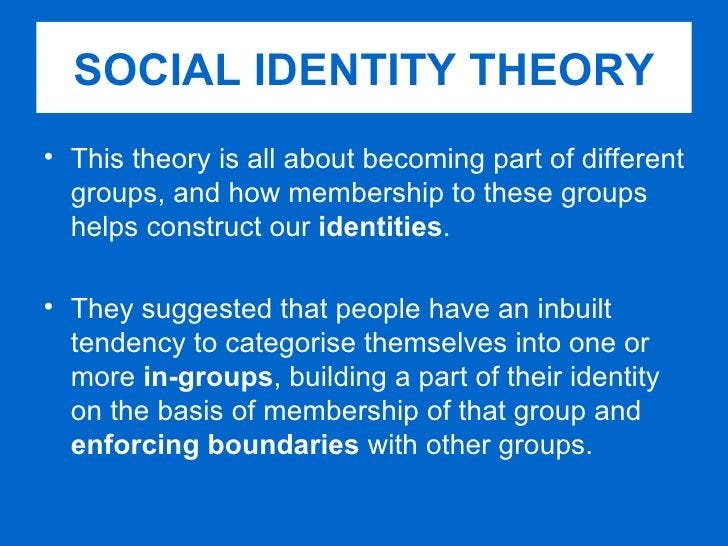
It is another important theory in the field of group dynamics psychology, and it helps us to understand how group membership influences our behavior and attitudes. According to Social Identity Theory, our sense of self is heavily influenced by our membership in social groups, and we tend to adopt the values and attitudes of those groups.
Belbin’s Team Role Theory
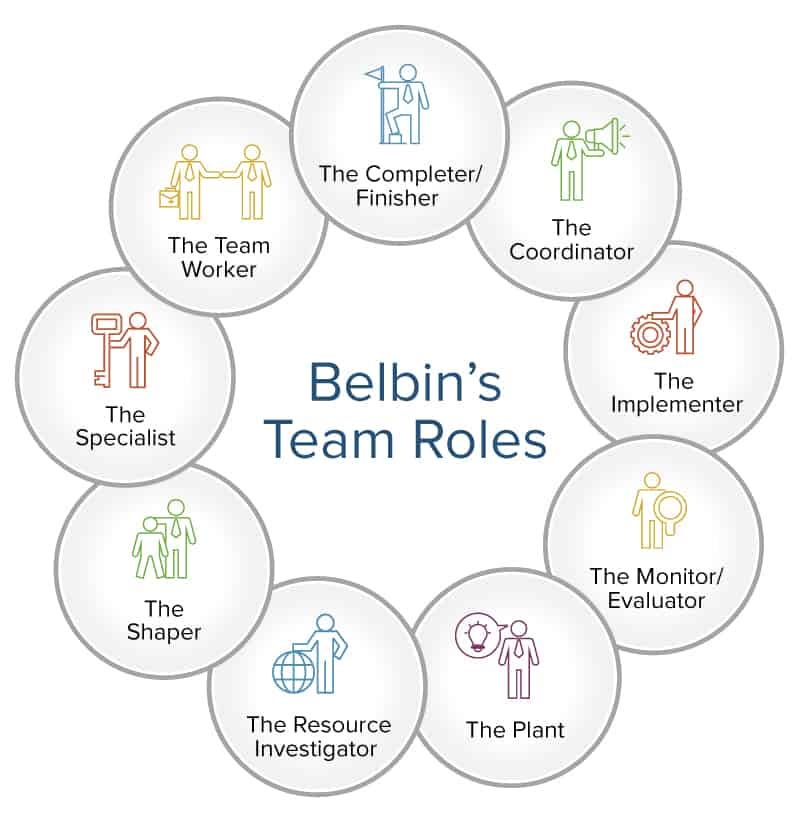
It is a valuable tool for understanding the strengths and weaknesses of different team members, and for creating well-balanced teams. According to Belbin, different people have different tendencies and preferences when it comes to team roles, such as Plant (innovative), Monitor Evaluator (analytical), Implementer (practical), and more. By understanding these team roles, we can ensure that teams are composed of individuals who complement each other, leading to more effective and efficient team dynamics.
It describes nine different roles that individuals may naturally exhibit in a team setting. These roles include:
- Plant: A creative and unorthodox team member who generates new ideas and approaches.
- Monitor Evaluator: An objective and analytical team member who evaluates the strengths and weaknesses of different ideas.
- Coordinator: A supportive and diplomatic team member who helps to build good relationships within the team.
- Implementer: A practical and reliable team member who can turn ideas into action.
- Completer Finisher: A diligent and meticulous team member who ensures that tasks are completed to a high standard.
- Resource Investigator: An outgoing and confident team member who builds relationships with external stakeholders.
- Shaper: A dynamic and energetic team member who drives the team forward and overcomes obstacles.
- Teamworker: A supportive and flexible team member who helps to promote good team dynamics and resolve conflicts.
- Specialist: A knowledgeable and dedicated team member who brings specific skills and expertise to the team.
It’s important to note that individuals may exhibit characteristics of multiple roles, and the specific roles they exhibit can change depending on the situation and the team they are working in.
In conclusion, these are just a few of the important theories in the field of group dynamics psychology, and by understanding these theories, we can better understand why groups behave the way they do, and how to foster positive group dynamics.
Group Dynamics in the Workplace

Group dynamics play a significant role in shaping the overall atmosphere and productivity of a workplace. Understanding how different personalities, communication styles, and behaviors interact can help create a harmonious and successful team.
When it comes to the workplace, there are several key factors that can affect group dynamics. Some of these include:
Leadership Styles: The way that a team’s leader interacts with their team members can greatly impact the dynamic. A leader who is supportive and encourages open communication can foster a positive environment, while a leader who is unapproachable or dismissive can create tension.
Group Size: The number of people in a team can also have an effect on group dynamics. Larger teams may face more challenges with communication and collaboration, while smaller teams may have more close-knit relationships but may lack diversity in perspectives.
Team Composition: The mix of personalities, backgrounds, and skill sets within a team can greatly influence group dynamics. Teams with a good balance of diverse perspectives and complementary skills tend to work better together and produce higher quality results.
Goals and Objectives: Teams that have clear goals and objectives, and understand how their individual roles contribute to the success of the group, are more likely to work effectively together.
By understanding these factors, businesses can create a workplace environment that promotes positive group dynamics and ultimately leads to a more productive, efficient, and happy team.
Group Dynamics and Conflict
When it comes to working in a group setting, it’s common for conflicts to arise. But, don’t worry, this is all a normal part of the process and can actually lead to better outcomes and growth for the group.
First, let’s start by talking about the causes of conflict in a group setting. This could be due to a variety of factors such as differences in opinions, misunderstandings, competing goals, and power struggles. Understanding the root causes of conflict can help us better manage and resolve the conflict.
Next, let’s explore strategies for managing conflict in a group setting. This includes communication techniques, active listening, and utilizing problem-solving skills to find a mutually beneficial solution. It’s important for each member of the group to feel heard and for all perspectives to be taken into consideration.
Finally, let’s discuss the importance of conflict resolution in group dynamics. A successful resolution can lead to increased trust, improved group cohesion, and a stronger sense of collaboration. On the other hand, unresolved conflicts can lead to a breakdown in communication, decreased morale, and decreased productivity.
Group Dynamics and Diversity
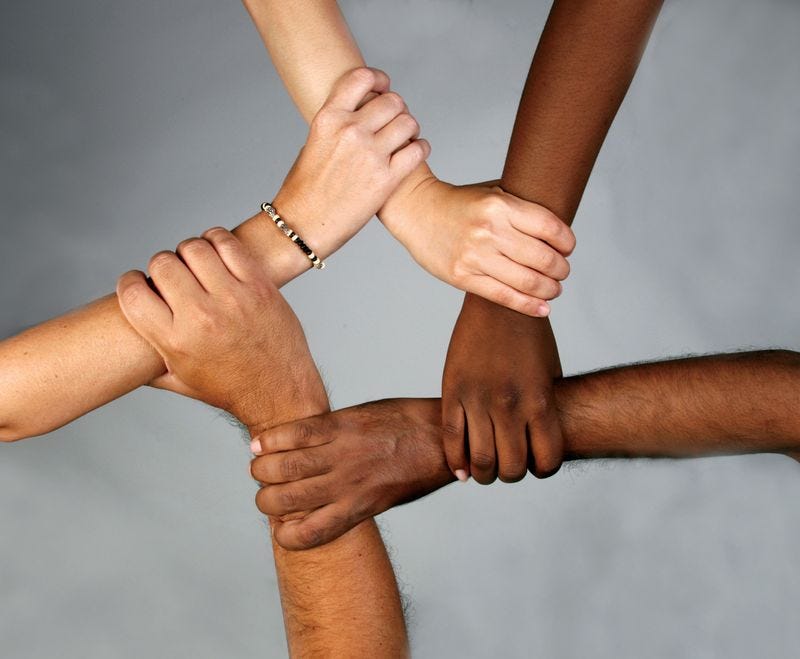
In the field of group dynamics, the study of diversity and its effects on group functioning is a fascinating and important area of research. A group’s makeup, including the diversity of its members in terms of factors such as culture, race, gender, and socioeconomic status, can have a significant impact on the group’s dynamics, behavior, and outcomes.
A. Understanding Cultural Diversity in Group Dynamics
In order to effectively address the impact of diversity on group dynamics, it is important to first have a solid understanding of what cultural diversity entails and how it manifests within groups. This can include exploring the various dimensions of diversity, such as race, ethnicity, gender, and other social identity factors, as well as how these dimensions interact and influence group dynamics.
B. The Influence of Diversity on Group Dynamics
Once we have a solid understanding of cultural diversity, we can begin to examine how it influences group dynamics. For example, research has shown that diverse groups can sometimes experience conflict and tension due to differences in perspectives, values, and experiences. However, with the right strategies and support, these challenges can be overcome, and the group can actually benefit from increased creativity, better decision making, and increased problem-solving abilities.
C. The Benefits of a Diverse Group
Despite the challenges that can arise in diverse groups, there are also numerous benefits to having a group that is diverse in terms of its members’ backgrounds, experiences, and perspectives. For example, research has shown that diverse groups are more innovative, generate more ideas, and are better equipped to tackle complex problems. Additionally, a diverse group can foster a more inclusive and respectful environment, which can lead to improved morale and satisfaction among group members.
Best Practices in Group Dynamics and Team Building
In this section, I share some best practices for group dynamics and team building. Creating a positive, productive and dynamic team is crucial for success in any organization, and understanding some key principles can go a long way in achieving this.
A. Communication: Open and effective communication is the cornerstone of any successful team. Encouraging open dialogue and ensuring that everyone is heard can help to build trust, reduce misunderstandings and foster collaboration.
B. Clear Goals: Setting clear, achievable goals is important for a team to work towards a common purpose. This not only helps to keep everyone focused but also provides a sense of accomplishment and motivation when goals are achieved.
C. Embrace Diversity: Teams with diverse backgrounds and skill sets can bring unique perspectives and ideas to the table. Encouraging diversity and valuing different perspectives can lead to more creative and innovative solutions.
D. Encourage Collaboration: Teams work best when they collaborate, share ideas and support one another. Creating opportunities for team members to work together and learn from one another can help to build stronger relationships and foster a collaborative culture.
E. Recognize and Reward: Recognizing and rewarding individuals for their contributions can help to build morale and motivation. Celebrating team successes and acknowledging individual efforts can also foster a sense of belonging and help to build stronger relationships within the team.
F. Lead by Example: Leaders play a crucial role in shaping the dynamic of a team. Lead by example, inspire and motivate your team, and create a positive and supportive environment.
By incorporating these best practices into your team building efforts, you can lay the foundation for a strong, dynamic and successful team.
Anti-patterns in Group Dynamics
Anti-patterns refer to repeated, common mistakes made in a particular situation. When it comes to group dynamics, there are certain behaviors and attitudes that can be detrimental to the overall functioning and success of the group.
Let’s take a look at some of the most common anti-patterns in group dynamics and how they can be avoided or addressed.
- The Blamer: This person has a tendency to blame others for the group’s problems or shortcomings, rather than taking responsibility for their own actions and contributions.
- The Dominator: This person wants to be in control and make all the decisions, often disregarding the opinions and ideas of others in the group.
- The Silent One: This person may be hesitant to speak up or share their thoughts and ideas in group discussions, leading to a lack of diversity in opinions and perspectives.
- The Complainer: This person is always negative and focuses on the problems rather than the solutions, bringing down the morale and motivation of the group.
- The Lone Wolf: This person prefers to work independently and may not be fully committed to the group’s goals and objectives.
- The Side-Tracker: This person is easily distracted and may steer the group off-topic or away from its goals.
- The Gossip: This person spreads rumors, hearsay, or confidential information within the group, causing damage to relationships and trust.
It’s important to note that these anti-patterns are not absolute and may not always apply to every group. However, it’s important to be aware of these tendencies and work together as a group to address them when they arise.
References
- “Group Dynamics” by Donelson R. Forsyth: This book provides a comprehensive overview of group dynamics, including its history, theories, and research. It covers topics such as group formation, group development, group behavior, group decision making, and group therapy.
- “Groups: Process and Practice” by Marianne Schneider Corey and Gerald Corey: This book focuses on the practical aspects of group dynamics, including group process, group leadership, group interventions, and ethical considerations.
- Teamwork Makes the Dream Work: Tips for Building a Strong Team (link)
- From Hire to Higher Productivity: The Role of Onboarding in Employee Success (link)
- Managing a Toxic Employee: Strategies and Best Practices (link)
- Diffusing Tensions: A Guide to Conflict Resolution in the Workplace (link)
- The Company Culture Blueprint: A guide to creating a positive and productive workplace (here)
- Mentorship 101: A Guide to Finding, Building, and Benefiting from a Mentor-Mentee Relationship (link)
- Breaking the Burnout Cycle: Strategies for Managing Stress in the Workplace (link)
I hope you enjoyed reading this 🙂. If you’d like to support me as a writer consider signing up to become a Medium member. It’s just $5 a month and you get unlimited access to Medium 🙏 . Before leaving this page, I appreciate if you 👏 Clap for the story and also follow me to see my future articles in your home page 👉


