avatarJF Danskin

Free AI web copilot to create summaries, insights and extended knowledge, download it at here

3515

Abstract

own experience? You start with what he does know, and you move in baby steps toward what he doesn’t.</p></blockquote><p id="6879">As a fantasy author, I consider that to be great advice!</p><p id="734f">I couldn’t recommend this book more highly.</p><figure id="38d8"><img src="https://cdn-images-1.readmedium.com/v2/resize:fit:800/1*2C2lE9mlDlZA_ohSjTaMQQ.jpeg"><figcaption>Image source: Amazon</figcaption></figure><h2 id="5a5f">3. ‘Into the Woods: A 5-act Journey into Story’ by John Yorke</h2><p id="68b7">I read Yorke’s book when I was just starting out as a novelist, and it had a huge influence on my early novels, for example my work on <a href="https://readmedium.com/a-litrpg-series-that-was-a-long-time-coming-d32dc3df8f1a">the Shadow Kingdoms series</a>, and also <a href="http://mybook.to/DruidsSaga">the Druid Stones Saga</a> (especially the later books).</p><p id="fce4">In fact, it still affects my outlining process to this day.</p><p id="5c7e">While the two books described above are rich with personal experience and anecdotes, this one goes into something a lot more technical — what a story really is, and how it is structured.</p><p id="280c">It’s not dry at all, though. It’s a great read, and endlessly fascinating.</p><p id="e6f7">The main point of the book is that stories always have five acts. <i>Always</i>. That is a pretty fascinating observation in itself, wouldn’t you say? And he makes the case convincingly.</p><p id="6ac7">And what’s more, each act or specific scene can be divided into the same basic pattern.</p><p id="090a">This isn’t a coincidence, or the result of authors all copying the same formula. It is, Yorke says, <i>the way our brains are wired</i> to think about story.</p><p id="8047">Yorke also says a lot about classic tales and how they influence our perception of the story. The title refers to the many fairy tales where someone goes ‘into the woods’.</p><p id="5f1c">And as Yorke sees it, all stories are on some metaphorical level about a character going into the woods and then trying to get back again.</p><p id="085c">Check out <a href="https://thescreenwriter.medium.com/the-roadmap-of-change-3ed21321aead">this article</a> by <a href="undefined">The Screenwriter</a> for more about the book.</p><figure id="0e09"><img src="https://cdn-images-1.readmedium.com/v2/resize:fit:800/1*8k3qp6UCf_RF9VEnUkZsyQ.jpeg"><figcaption>Image source: Amazon</figcaption></figure><h2 id="cb4e">4. ‘Marketing Strategy for Authors’ by Tao Wong</h2><p id="215a">More specific still, this is a brilliant recent guide for the genre author in terms of setting out, establishing a career, and marketing your work. It might be less famous, but it’s a great read and hugely useful.</p><p id="db4a">Tao Wong is a skilled and very successful author of <a href="https://readmedium.com/what-is-litrpg-dc2956c272b">LitRPG</a>. He started out on Royal Road, and now runs his own small press (<a href="https://readmedium.com/who-publishes-litrpg-5c0c4e10acad">read more about the LitRPG publishing scene here</a>).</p><p id="a0c1">Tao’s insights are sensible and well researched. I became aware of him early on in my career, in part because of his comments on a Facebook author’s group which were always incredibly detailed, helpful and smart. The book is very much in the same vein.</p><p id="4bcf">Strictly speaking it’s a marketing book rather than a creative writing book, but it does tell you a lot about running a career as an author.</p><p id="7e76">One of the insights in the b

Options

ook that I especially liked was the suggestion that it is well worth having a fun project alongside the things that we do for money. It’s important not to devote too much of your time and energy to that project — but it can help you stay motivated!</p><p id="dfae">As somehow who has talking about <a href="https://readmedium.com/free-to-explore-4417011a2b30">the value of being free to explore</a>, I strongly agree.</p><figure id="d1e8"><img src="https://cdn-images-1.readmedium.com/v2/resize:fit:800/1*Gc7MOFCbomvZC2aHP5CYwA.jpeg"><figcaption>Image source: Amazon</figcaption></figure><p id="40d8">Before I sign off, an honorable mention to a couple of other sources that have influenced my thinking a lot:</p><ul><li>Lani Diane Rich’s <a href="https://howstoryworks.transistor.fm/">podcast ‘How story works’</a>. I didn’t include it in the list above because it’s a <i>podcast</i>, not a book. All the same, I have learned loads from it. Perhaps most particularly, Rich’s observation that stories always revolve around protagonists and antagonists who have goals that conflict with each other. They both want something, and they can’t both succeed!</li><li>Raymond Carver’s piece, ‘On Writing’. This one I didn’t include it because it’s an article, but I strongly recommend checking it out. As a taster, here’s an article I wrote about just one of Carver’s quotes:</li></ul><div id="60d1" class="link-block"> <a href="https://readmedium.com/raymond-carver-on-writing-406ed8134a7d"> <div> <div> <h2>Raymond Carver on writing</h2> <div><h3>Raymond Carver was an unusual thing — a successful author who focused entirely on short stories. He wrote poetry and a…</h3></div> <div><p>medium.com</p></div> </div> <div> <div style="background-image: url(https://miro.readmedium.com/v2/resize:fit:320/0*QAzYjfdbkHCvVgJy)"></div> </div> </div> </a> </div><p id="4a69">I hope you found my rundown of my favorite creative writing books helpful. Why not leave a comment if you have read and enjoyed any of these?</p><p id="ecb5">And finally, a shoutout to <a href="undefined">Ayodeji Awosika</a> for the article “Stop Apologizing For Wanting to be Successful.” Great advice for creative writers, as well as anyone else!</p><div id="dd02" class="link-block"> <a href="https://readmedium.com/stop-apologizing-for-wanting-to-be-successful-2d4261726384"> <div> <div> <h2>Stop Apologizing For Wanting to be Successful</h2> <div><h3>Let the losers lose and become a winner</h3></div> <div><p>medium.com</p></div> </div> <div> <div style="background-image: url(https://miro.readmedium.com/v2/resize:fit:320/0*Y7rgdYUEM8tbW7_b)"></div> </div> </div> </a> </div><blockquote id="2d39"><p><i>To get more like this, you can get my posts direct to your inbox. <a href="https://jfdanskin.medium.com/subscribe"><b>Do that here</b></a>! And if you’re not yet a Medium member, consider supporting me and thousands of other writers <a href="https://jfdanskin.medium.com/membership"><b>by signing up for a membership with this link</b></a>, Doing so will support me directly with a portion of your fee, and won’t cost you extra. If you do, thank you so very much!</i></p></blockquote></article></body>

Author tips

Four Great Creative Writing Books

My selection of the best guides for authors
Photo by Roman Trifonov on Unsplash

There are a lot of good books about writing out there. In fact, I found it hard to settle on a number for the title of this article! I wanted to share some of the great resources that I have found useful, but without including an overwhelming number.

Time is limited, and sometimes less is more when it comes to writing advice.

And so, I have settled on four that I find especially compelling. Three are pretty well known, and one is much newer, but — I think — really valuable.

Here goes.

1. ‘On Writing: A Memoir of the Craft’ by Stephen King

This is no doubt the most obvious of my four choices, but I just can’t get enough of this book. It’s written in a very compelling way, peppered with anecdotes about Stephen King’s own life and childhood, making it as much an autobiography as a writing book.

That’s not a weakness, however. Instead, it means that the advice on writing feels personal and individual. It is more “this is what I did, and why it worked” rather than a system to follow.

All the time, it’s crystal clear that King knows better than most what good writing looks like. As we know, he is a huge figure in genre fiction, and every section has a load of ideas that we can all borrow from in our own way.

His description of the many rejection letters he got at the beginning of his career was an especially memorable point for me — if Stephen King got rejection letters, then there’s hope for the rest of us, right?

It is also genuinely fascinating and inspiring to hear about King’s daily writing routine.
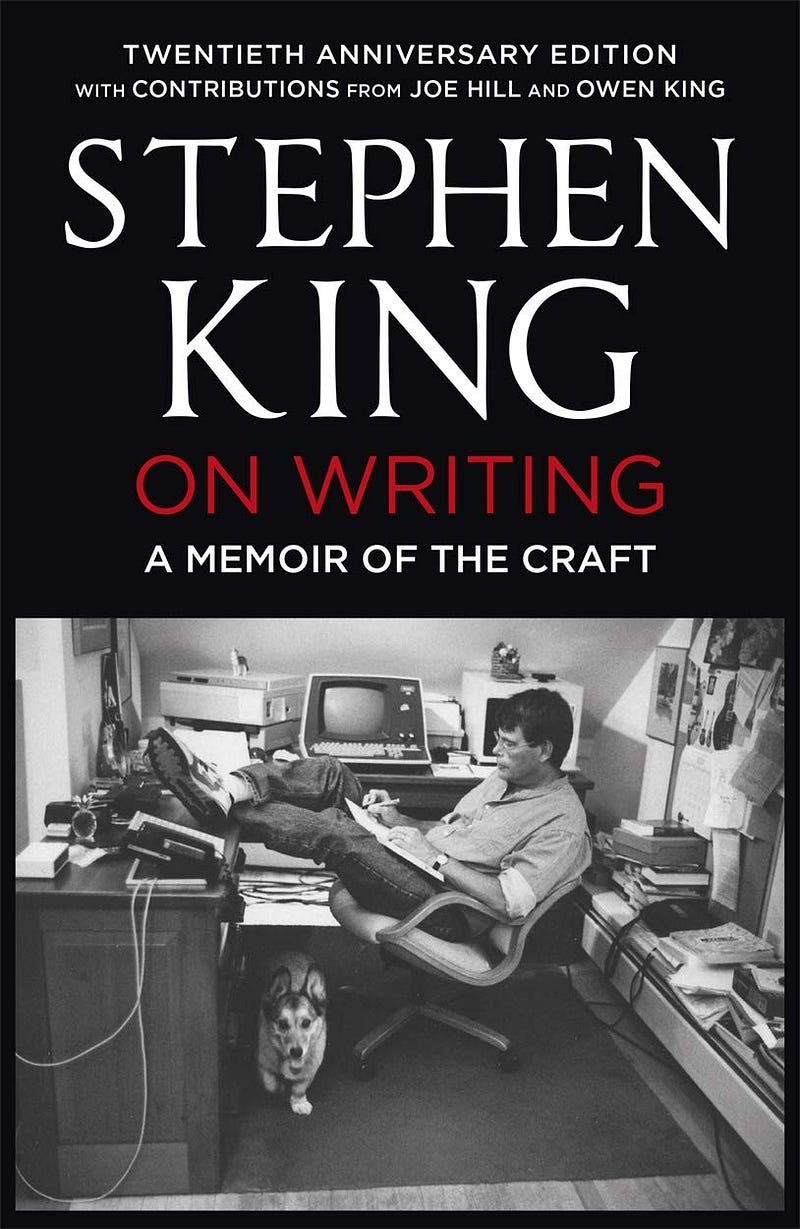
Image source: Amazon

2. ‘Consider This: Moments in My Writing Life After Which Everything Was Different’ by Chuck Palahniuk

I didn’t know all that much about this author (apparently he wrote ‘Fight Club’), and the book hadn’t been recommended to me.

I just picked it up.

That probably made the content all the more mind-blowing.

A bit like with King’s book, Palahniuk sprinkles his writing advice through a lot of anecdotes and personal experience. It’s not a ‘how-to’. But as much of it focuses on things like writers’ groups and conferences, it’s all highly relevant to any author, and easy to relate to.

What’s more, the advice is, if anything, even more pithy and powerful than Stephen King’s.

One of my favorite points was when he talks about how to write about outlandish and freaky events in a way that people will find convincing. The answer? Doing it gradually:

How do you convince a reader of something beyond his own experience? You start with what he does know, and you move in baby steps toward what he doesn’t.

As a fantasy author, I consider that to be great advice!

I couldn’t recommend this book more highly.
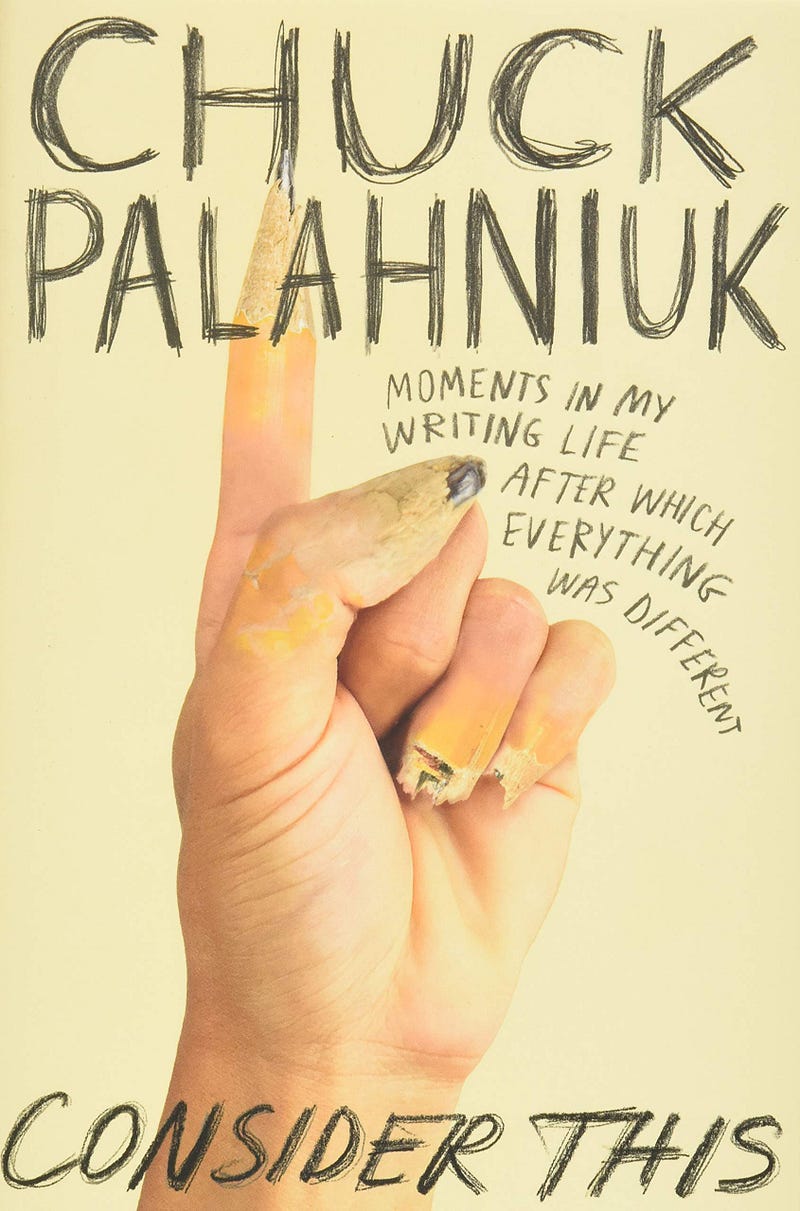
Image source: Amazon

3. ‘Into the Woods: A 5-act Journey into Story’ by John Yorke

I read Yorke’s book when I was just starting out as a novelist, and it had a huge influence on my early novels, for example my work on the Shadow Kingdoms series, and also the Druid Stones Saga (especially the later books).

In fact, it still affects my outlining process to this day.

While the two books described above are rich with personal experience and anecdotes, this one goes into something a lot more technical — what a story really is, and how it is structured.

It’s not dry at all, though. It’s a great read, and endlessly fascinating.

The main point of the book is that stories always have five acts. Always. That is a pretty fascinating observation in itself, wouldn’t you say? And he makes the case convincingly.

And what’s more, each act or specific scene can be divided into the same basic pattern.

This isn’t a coincidence, or the result of authors all copying the same formula. It is, Yorke says, the way our brains are wired to think about story.

Yorke also says a lot about classic tales and how they influence our perception of the story. The title refers to the many fairy tales where someone goes ‘into the woods’.

And as Yorke sees it, all stories are on some metaphorical level about a character going into the woods and then trying to get back again.

Check out this article by The Screenwriter for more about the book.
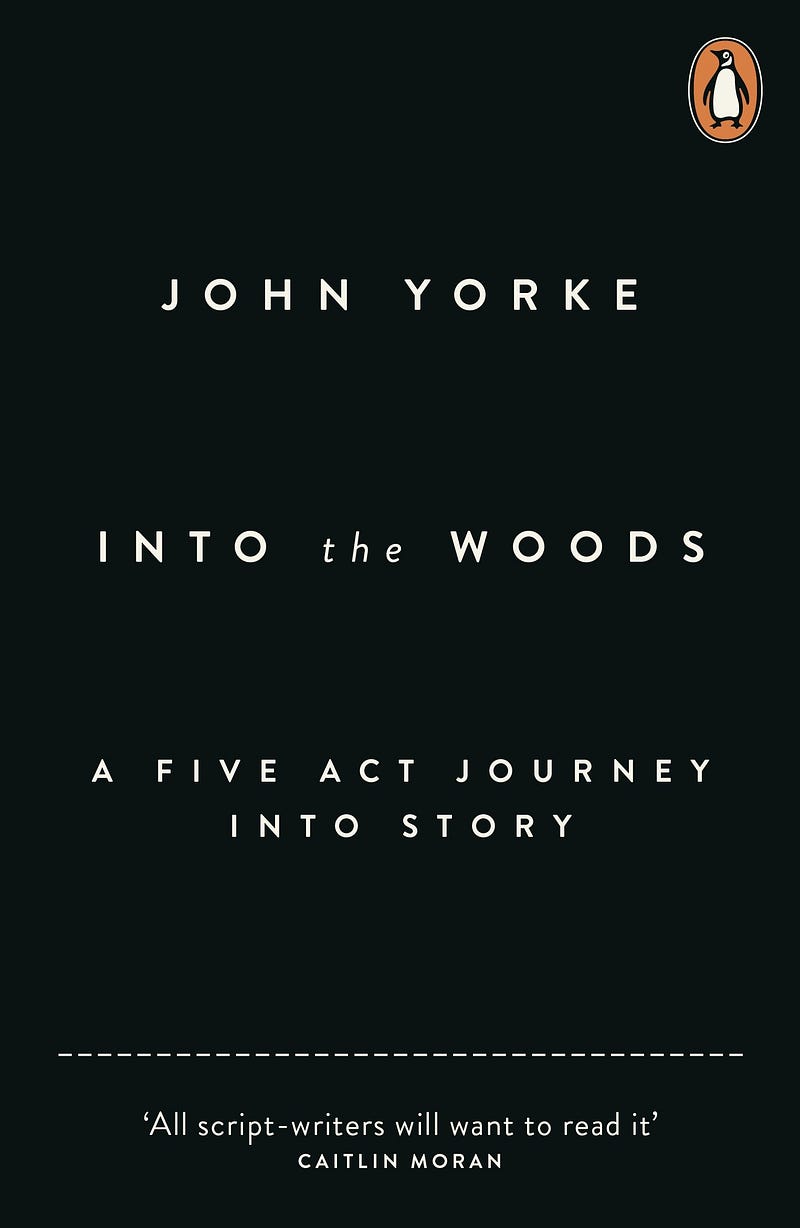
Image source: Amazon

4. ‘Marketing Strategy for Authors’ by Tao Wong

More specific still, this is a brilliant recent guide for the genre author in terms of setting out, establishing a career, and marketing your work. It might be less famous, but it’s a great read and hugely useful.

Tao Wong is a skilled and very successful author of LitRPG. He started out on Royal Road, and now runs his own small press (read more about the LitRPG publishing scene here).

Tao’s insights are sensible and well researched. I became aware of him early on in my career, in part because of his comments on a Facebook author’s group which were always incredibly detailed, helpful and smart. The book is very much in the same vein.

Strictly speaking it’s a marketing book rather than a creative writing book, but it does tell you a lot about running a career as an author.

One of the insights in the book that I especially liked was the suggestion that it is well worth having a fun project alongside the things that we do for money. It’s important not to devote too much of your time and energy to that project — but it can help you stay motivated!

As somehow who has talking about the value of being free to explore, I strongly agree.
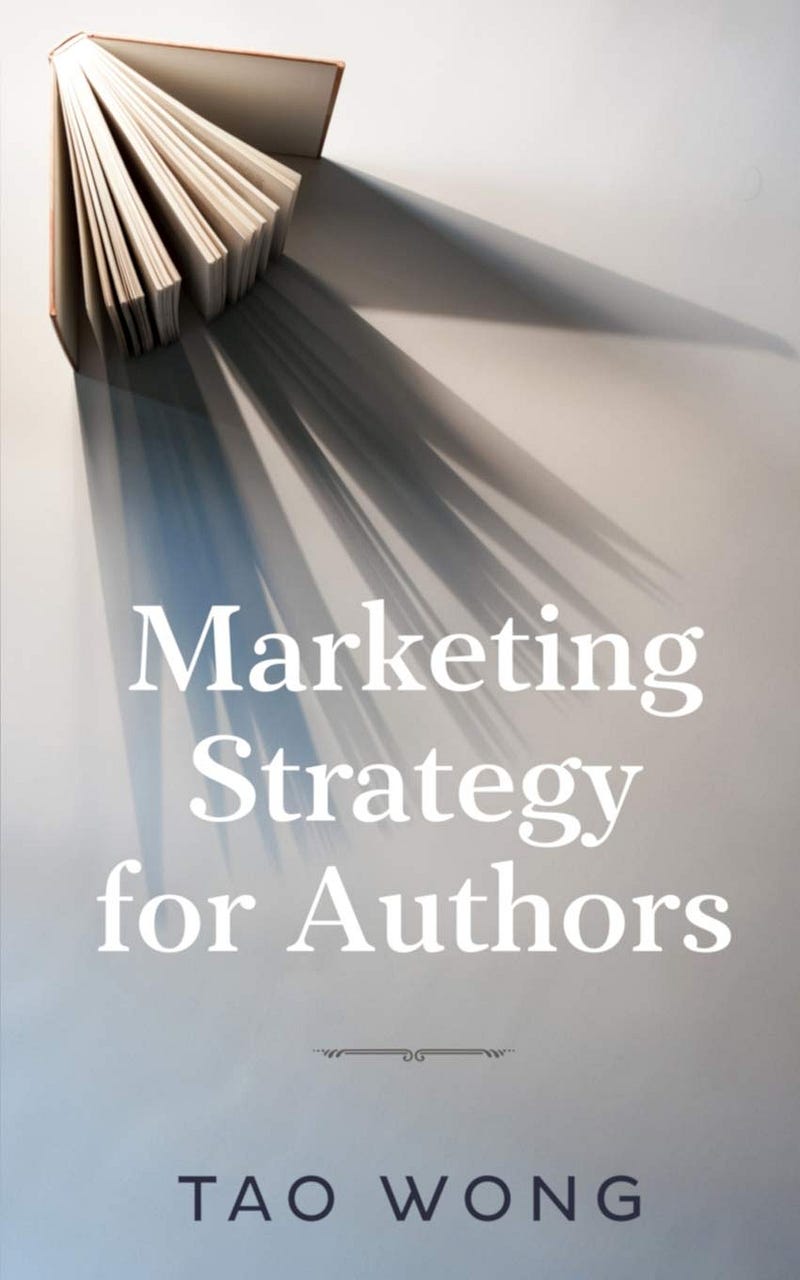
Image source: Amazon

Before I sign off, an honorable mention to a couple of other sources that have influenced my thinking a lot:

  • Lani Diane Rich’s podcast ‘How story works’. I didn’t include it in the list above because it’s a podcast, not a book. All the same, I have learned loads from it. Perhaps most particularly, Rich’s observation that stories always revolve around protagonists and antagonists who have goals that conflict with each other. They both want something, and they can’t both succeed!
  • Raymond Carver’s piece, ‘On Writing’. This one I didn’t include it because it’s an article, but I strongly recommend checking it out. As a taster, here’s an article I wrote about just one of Carver’s quotes:

I hope you found my rundown of my favorite creative writing books helpful. Why not leave a comment if you have read and enjoyed any of these?

And finally, a shoutout to Ayodeji Awosika for the article “Stop Apologizing For Wanting to be Successful.” Great advice for creative writers, as well as anyone else!

To get more like this, you can get my posts direct to your inbox. Do that here! And if you’re not yet a Medium member, consider supporting me and thousands of other writers by signing up for a membership with this link, Doing so will support me directly with a portion of your fee, and won’t cost you extra. If you do, thank you so very much!

Writing
Creative Writing
Author Tips
Book List
Writing Tips
Recommended from ReadMedium