
Understanding Nutrition: A Guide to Protein
Protein helps us to build muscle and reduce our calorie intake. Here are five great sources of information.
If you’re interested in health and fitness, then no doubt you would have heard about the benefits of protein.
In short, there are two key benefits.
First, protein is anabolic, meaning it helps us recover from exercise and build muscle by repairing damaged muscle fibres.
Two, protein is satiating, meaning we don’t feel as hungry.
See? Protein is great. Here are five articles that should teach you everything you need to know about protein!
How much protein do we need to maximise muscle growth?
When I first started buying protein in around 2006, there was a widely spread assumption amongst gym bros that the more protein the better.
The guys at the supplement stores would tell you this. And we didn’t know any better. It sounded logical — protein builds muscle so more protein equals more ability to build muscle.
Thankfully, our understanding of optimising protein synthesis to build muscle has come a long way in recent years. More science is readily available and through avenues like YouTube and Medium, scientific knowledge is more widely spread to the general population than previously.
Anyway, for most people, 150 grams of protein a day will be enough to optimise your ability to recover from exercise and build/maintain muscle.
It was previously thought that we approximately double how many kilograms we weigh, and that’s how many grams of protein we need.
So, for my roughly 85 kg of body weight, I’d require 170 grams a day of protein.
But, according to the most recent science, we don’t need quite that much as that.
Find out more in the article below!
Too much protein?
We know that protein helps us build muscle.
Amongst gym bros, many people still have the attitude that more is more when it comes to protein, and it won’t hurt to eat as much protein as you possibly can…
In conclusion, consuming protein has many benefits for our bodies, such as repairing damaged muscle cells/fibres after exercise and building them back bigger and stronger.
Therefore, many people who do resistance training consume a high-protein diet.
Approximately 0.7 grams of protein per pound of body weight (1.6 g per kg) is the optimum amount of protein to build muscle and there is no added benefit to consuming more.
However, many people do think that eating more protein means you build more muscle, or, that it can’t do any harm.
Well, just like carbs and fats, protein has calories. Overconsuming calories leads to fat gain.
Protein might be making you fat.
Protein quality: Meat vs Plant-based
Plant-based diets are increasing in popularity and products to substitute meat are appearing on supermarket shelves around the globe.
Meat or other animal-sourced protein sources like eggs are basically the holy grail of protein quality.
And protein quality matters.
A complete protein source contains the full profile of twenty Amino Acids that are used for various bodily functions. Essential amino acids are those that our body cannot produce naturally so we have to get them through food.
However, plant-based foods more often than not lack some essential amino acids (called ‘limiting’) — meaning that we need to obtain these lacking amino acids from another protein source.
Recent research findings from two New Zealand universities confirmed that red meat meals have far greater bioavailability of amino acids compared to popular plant-based meat alternatives on the market.
Learn more in the article below.
The best protein sources
It’s more about choosing foods with high protein.
It’s about choosing foods that have a high ratio of protein versus fats and carbs, therefore, we consume fewer calories. But protein quality is something many of us don’t consider and it’s identifiable through reading a label. A protein source’s amino acid profile and bioavailability also dictate how much of the protein our bodies can actually utilise.
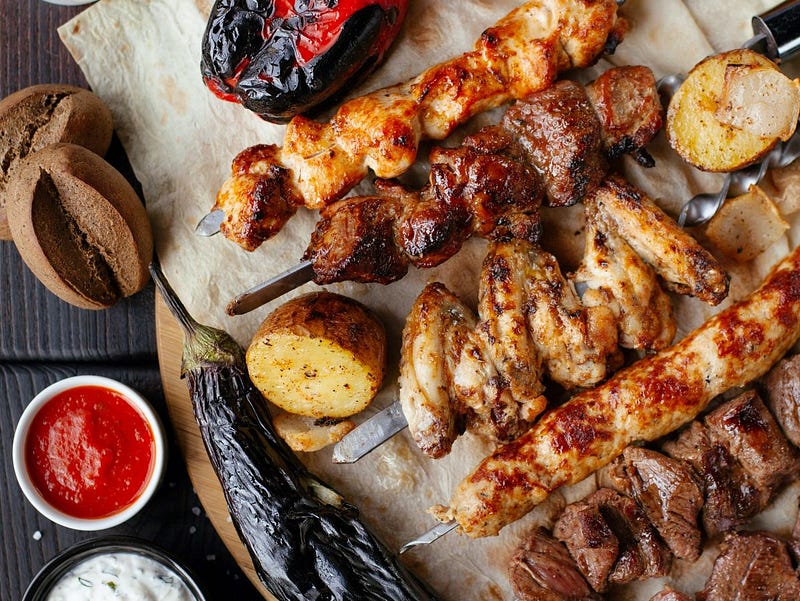
Some of the best protein sources to include in your diet are chicken, lamb, venison, tuna, salmon, shellfish, greek yoghurt and cottage cheese.
Find the full list of high-quality protein sources in the article below.
Including these foods in your diet will increase your protein content to improve recovery, build muscle and shape a physique you can be proud of.
15 High protein foods
Assuming you’ve read all the great resources about protein above, you’ll now understand why we should gravitate towards high-protein foods with many of our food choices if we have fitness and health goals.
If we can include as many of these foods in our diet as possible, it makes our job easier when it comes to choosing meals and increasing our general protein consumption.
Some of the foods included on the list of fifteen high-protein foods are turkey, lean beef, eggs, cottage cheese, legumes, beans, peas, and oats.
Want to know the other half, check out the article below!
Conclusion
Protein has several benefits for our bodies.
A high-protein diet is especially popular amongst the health and fitness communities for its ability to help us reduce calories to burn fat and build muscle.
This article links five pieces of content to help you better understand how protein works, and our body’s requirements. We also learn practical tips on increasing the protein in our diet with smarter food choices.
Thank you for reading
If you enjoyed the content, you may be interested in the article below about ten nutritious foods you should eat.
Subscribe to be notified when I publish new content.


