
The Best Protein Sources for Building Muscle
Many foods contain protein, but what sources of protein are the best?

Protein has several health benefits, such as helping to repair damaged muscle cells/fibres after exercise and keeping us satiated. Through improved recovery, our bodies can better adapt and grow more muscle.
Protein content in food varies. Moreover, more protein isn’t always better. In some cases, the protein quality is more important.
So, what foods should we eat to get the best protein hit?
Read on, and we’ll discuss the best high-protein foods to help you build more muscle.
Why you should eat high-protein foods
If you regularly exercise by working out in the gym or playing sports, no doubt, you’ll know about the benefit of eating protein.
But just quickly, what are its benefits?
Proteins are the “building blocks of the body” nutritionally, as excluding water and fat, the human body is made up almost entirely of protein.
Through improving our recovery, protein is vital for building and maintaining muscle.
“Proteins play a crucial role in the growth, maintenance and physiological functions of the human body.” — Adhikari et al., 2022
What food sources are best for protein?
Protein in food is comprised of twenty amino acids that are used for various bodily functions. In the case of building muscle, amino acids help to repair and rebuild muscle cells/fibres.
Amino acids are categorised as either essential, nonessential or conditional. Essential amino acids are those that our body cannot produce naturally. Therefore, we must consume high-protein foods to obtain essential amino acids.
For an in-depth breakdown of protein, read the article below.
But, just quickly, how do we know what the best protein sources are?
The macronutrient ratio of food
A good rule of thumb is a 3-to-1 protein-to-fat ratio when choosing a protein source from food. Or better.
For example, 30 grams of protein to 10 grams of fat.
Many meat cuts can often have a ratio of 1 protein to 1 fat or worse, meaning you are consuming extra calories. Processed meats can be even worse.
Something you need to consider If you’re trying to lose or maintain your weight,
Protein quality and availability
The World Health Organisation (WHO) defines protein quality as the amount and proportion of individual amino acids that the body can absorb and use.
The Protein Digestibility Corrected Amino Acid Score (PDCAAS) indicates a food’s protein quality and ability to meet the body’s amino acid requirements.
PDCAA scores range from zero to one hundred. This is based on amino acid composition and the protein’s bioavailability. A protein source needs a complete profile of all the essential amino acids, is easily digested and therefore synthesized by the body.
“Protein sources such as meat, poultry, fish, eggs, isolated soy protein, and dairy foods (milk, cheese, and yogurt) provide all 9 indispensable (essential) amino acids and are considered to be sources of high-quality protein. — Phillips et al., 2015
The best protein sources to help build muscle
More often than not, the best protein sources are derived from animals.
Essentially, all animal-based foods, including dairy and poultry, have a PDCAA score of at least 90.
On the other hand, plant-based proteins are often low in one or more essential amino acids.
“Plant protein quality varies among different plant food sources, and in many cases, most plant proteins lack certain essential amino acids and have low digestibility compared to animal protein.” — Qin et al., 2022
“Because proteins found in plants, legumes, grains, nuts, seeds, and vegetables can be deficient in one or more of the indispensable amino acids, these foods are considered lower-quality sources of protein.” — Phillips et al., 2015
Thus, this list is made up of primarily animal-based sources of protein.
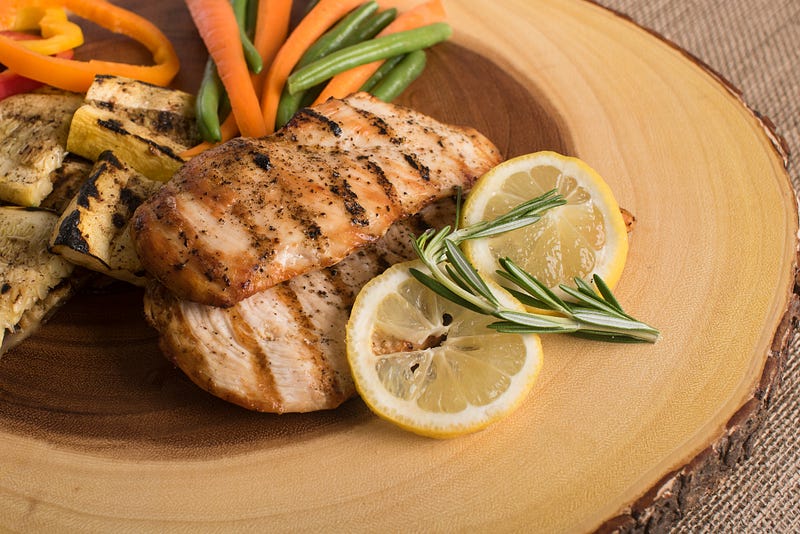
Chicken & Turkey
PDCAA score of 95–100
Because of its high protein content, meat is a low-cost option for a 20–30 gram serving of protein.
If you want a high-quality protein source and you eat meat, chicken and/or turkey should be top of your list.
In particular, the breast should be your preferred option as it has the lowest fat and total calories and the highest protein content.
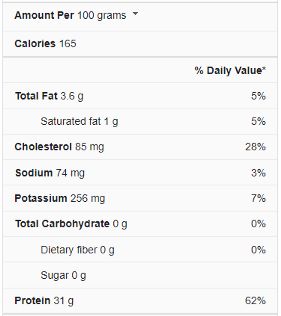
A chicken breast contains around 30 grams of protein per 100 grams.
Very high in protein but low in calories, chicken breast is an excellent addition to any diet. There are around 165 calories per 100 grams, most of those made up of 30 grams of protein.
Chicken is also very versatile — it can be used in a variety of meals across cultures, from sandwiches to salads to stir-fry.
Turkey is very similar to chicken in terms of taste and nutritional profile.
However, it is nowhere near as popular as a meal option, as abundant in stores, or as cheap. That doesn’t mean it shouldn’t be considered!
Turkey is often leaner than chicken, meaning it contains fewer calories. A 100-gram portion provides around 29 grams of protein and contains several micronutrients, such as selenium, zinc, and vitamins B12 and B6.
Turkey is a great addition to salads or sandwiches, in soups, or as the meat option in stir-fries or other meals to substitute for chicken.
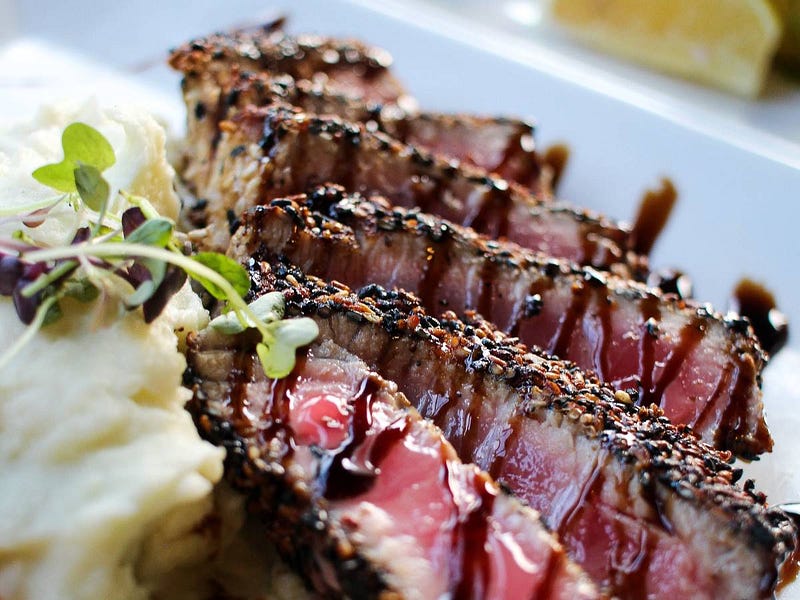
Red Meat
Red meat is an excellent protein option for any meat eater.
The most popular red meat globally is beef, sourced from cows.
I’m lucky — I live in New Zealand where grass-fed beef, lamb and venison are all plentiful. And they’re all great options, containing around 20–40 grams of high-quality protein per 100-gram serving It all depends on how lean a cut is.
- Beef — PDCAA score of 92–100
- Lamb — PDCAA score of 90–100
- Venison — PDCAA score of 90–100
Beef can give a great “protein bang for your buck”, as you can pick up cheap cuts that will provide 20+ grams of protein for very little cost when compared to other protein sources.
However, every cut of Beef will be different in terms of its fat and protein content. Lean beef options include sirloin or an eye fillet.
Beef mince is commonly sold with different options in terms of fat content. Lean mince is much lower than the standard option, with around 10–20% fat.
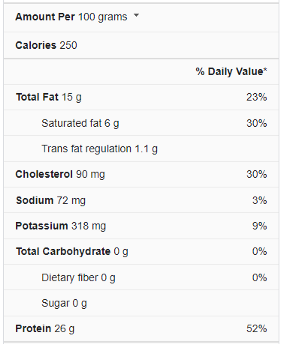
If you buy lean mince, it has less fat content. 85% lean beef contains 15 grams of fat per 100 grams and around 26 grams of protein.
If you buy steak, don’t forget to cut the fat off the side to reduce its fat and calorie content!
Beef also provides good servings of the micronutrients Zinc and Iron.
Lamb is another excellent red meat option to boost your quality protein intake. It helps that it’s also delicious.
Lamb generally packs a better punch than any other protein source — for example, lamb shank has around 33 grams of protein per 100 grams. It’s also a highly digestible protein source.
However, lamb might be expensive in your part of the world when compared to other meat. Moreover, the fat content can be quite high, so the calories can add up fast.
Lamb is high in the micronutrients Vitamin B12, Selenium, Zinc, and Niacin (vitamin B3).
Venison is leaner than both lamb and beef. Most cuts will contain less than 2% fat and venison mince contains less than 4% fat.
A 100g portion of cooked venison provides around 28–35 grams of protein.
Venison is an excellent source of B vitamins, particularly vitamin B12 — 100g provides over half our daily requirement for vitamin B12. Venison also contains thiamin, riboflavin, niacin and vitamin B6.
Fish
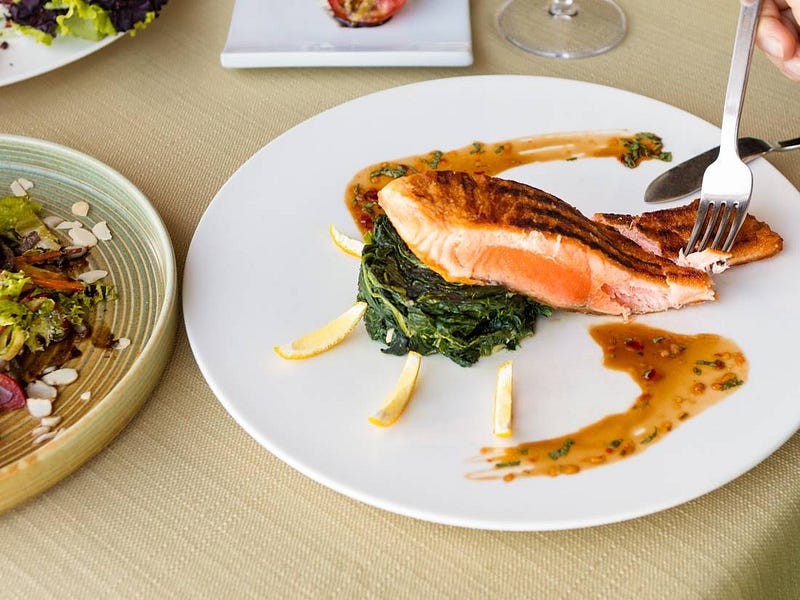
All fish types are high in protein and have high-quality protein with a complete amino acid profile. These include:
- Tuna — PDCAA 100
- Salmon — PDCAA of 100
- Whitefish — PDCAA score of 90-100
- Shellfish — PDCAA of 80–100
Not all fish is made equal obviously; but in general, a majority of the calories in fish come from protein — which is good!
Plus, fish contains mega-3 fatty acids that can help keep our joints healthy, important if we’re lifting heavy things, as well as having other benefits for our overall health, such as a healthy heart.
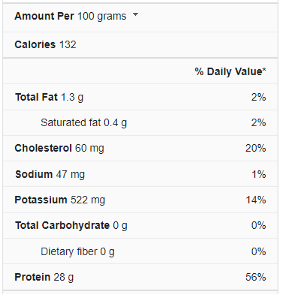
Tuna and Salmon are probably the two most popular fish varieties and are readily available throughout most of the world, especially in canned packaging.
Salmon contains around 20 grams of protein per 100 grams and Tuna around 28 grams of protein per 100 grams.
Both Salmon and Tuna are widely available and especially cheap in canned packaging.
Popular Whitefish include cod, bass, grouper, catfish, snapper, Halibut, and flounder. Where I’m from (New Zealand), add Hoki and Tarakihi.
Whitefish are typically high in omega fatty acids, a great source of important nutrients.
Cook whitefish in the pan, or oven, or smoke it. It’s great for a variety of meals.
Shellfish such as shrimp, oysters, clams, and scallops are excellent sources of protein and many micronutrients (vitamins and minerals), such as selenium and zinc.
Add shellfish to salads, pasta, and stir-fries.
Eggs
PCDAA score of 100
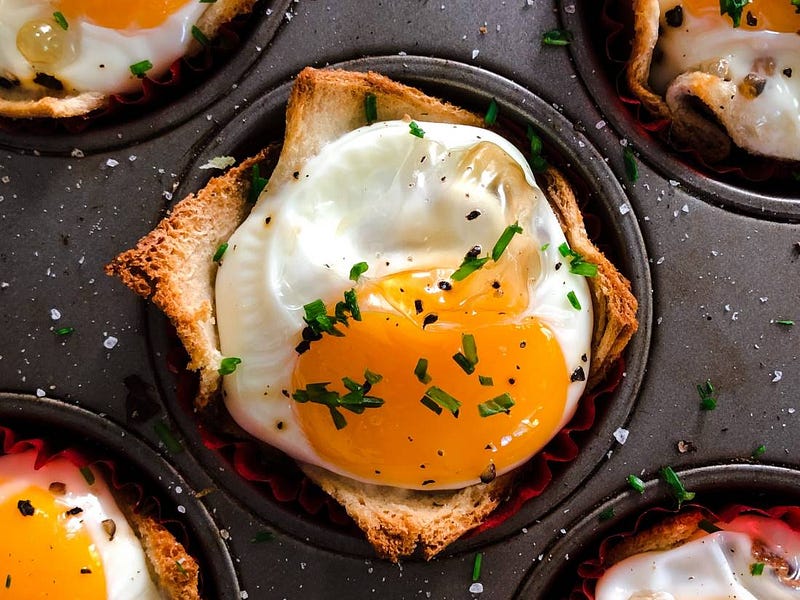
A very popular source of protein across the world is eggs.
Maybe because Chickens are everywhere and easy to keep. Maybe because chicken eggs should be a part of anybody’s diet.
One, they’re tasty, versatile, and easy to cook. Two, they’re a nutritional goldmine.
One large egg contains around 6–7 grams of protein, meaning you only need 3 eggs for around 20 grams of protein.
As well as being an excellent source of protein, eggs contain good amounts of many micronutrients such as vitamin D, iron, zinc, and folate, and the healthy fats Omega-3 fatty acids.
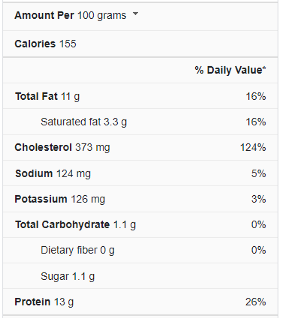
Other health benefits of eggs include the cholesterol in the egg yolk, such as supporting healthy testosterone levels, which is crucial to building muscle.
With a healthy body and mind, we can hit the gym hard and have the best ability to recover and improve.
Eggs are eaten in various ways, such as salads, omelettes, stir-fries, or just as a snack on their own.
Read the below article for ideas on how to eat egg whites!
Whey & Casein Protein
PDCAA scores of 100
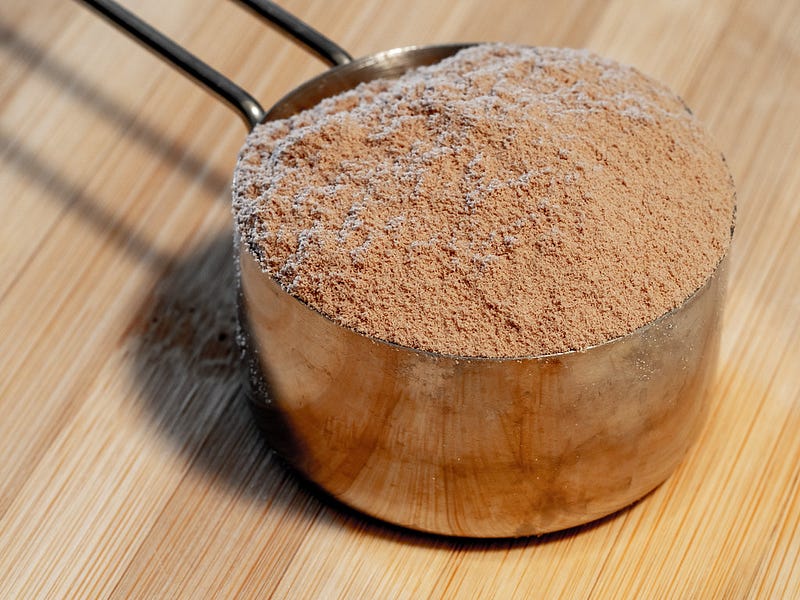
Protein powders are commonly used by many bodybuilders and athletes to supplement their total protein consumption.
Because of its fast-absorbing nature, Whey is perfect after a workout.
Casein on the other hand is a slow digesting protein. And both are sourced from cows' milk, from the traditional process of separating curds from the whey.
“The consumption of a casein supplement results in a slower availability of amino acids, labeled a “slow protein.” Casein is water insoluble and coagulates, resulting in a slow-release mechanism of amino acids that is sustained at increased levels in the body for a longer period of time.” — Wilborn et al., 2013
Whey and Casein contain on average around 80% total protein content, meaning there’s a lot of protein for a low number of calories.
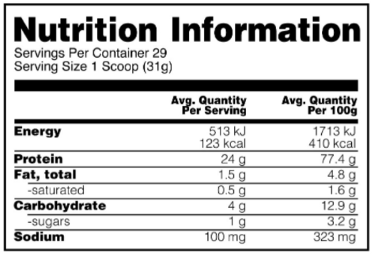
Protein content, quality, and scoop size will vary between products. If the total protein content isn’t above 80%, the product should be avoided as there will be cheap additives — these can be found on the ingredients list.
The average 30–40 gram serving of whey or casein will contain between 20–35 grams of protein.
Protein powders sometimes come in a blend, using a mixture of casein and whey protein with other milk protein and sometimes cheap added amino acids to try and boost the protein content. Therefore, avoid protein blends and instead go for either whey or casein, or even one of both.
“There does not appear to be a difference in the performance enhancing effects of whey versus casein proteins, and both prove to be beneficial to athletic performance in female athletes for both strength and body composition.” — Wilborn et al., 2013
Protein shakes are often consumed on their own with water (or milk), via a shaker bottle. However, as an addition to smoothies or cereal, it can provide a great protein boost.
Greek Yoghurt
PDCAA score of 100
Perhaps the healthiest type of yogurt, Greek yoghurt is higher in protein and lower in fat, carbs, and overall calories than other common yoghurt types.
Also referred to as “strained” yogurt, Greek yoghurt is produced by fermenting yogurt in tanks, straining whey along with some other liquids, during the final processing steps, creating a thicker yoghurt.
As a dairy-based product, you’re getting a top-quality protein source.
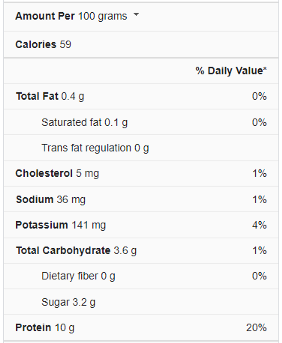
Greek Yoghurt contains around 10 grams of protein per 100-gram serving.
Greek yoghurt is also a source of many micronutrients such as calcium, vitamin B12, vitamin A, selenium, and zinc.
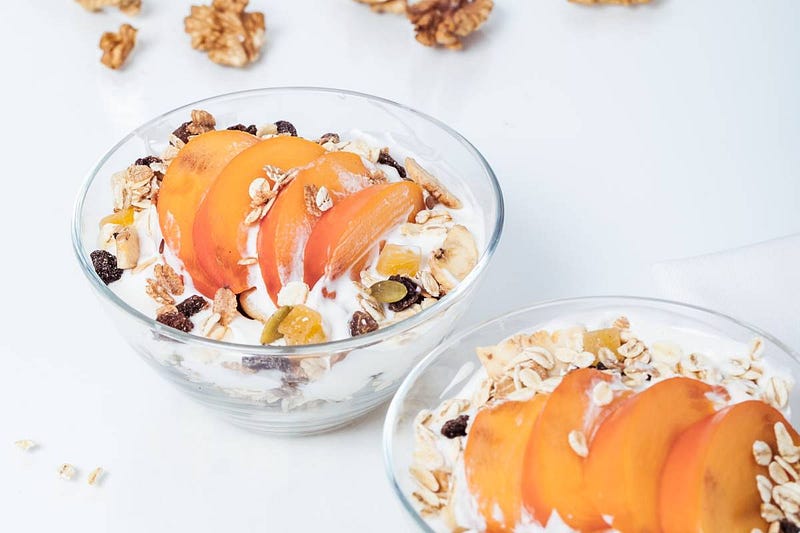
Greek yoghurt is a great snack.
With its creamy texture and slightly tart taste, berries, summer fruit and low-calorie sauces are great additions.
Add Greek yoghurt to breakfast cereals, desserts, pancakes, or as an addition to smoothies.
Cottage Cheese
PDCAA score of 100
We just discussed the two types of protein in milk, whey protein and casein protein.
Casein protein is very abundant in cottage cheese, making up around 80% of its protein content.
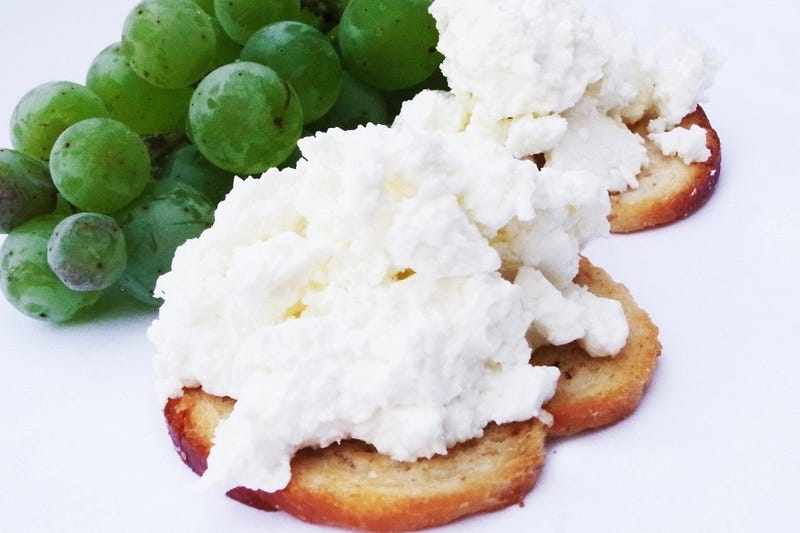
Cottage cheese is a soft, white, and creamy product in comparison to most cheese. It’s more like a lumpy cream in texture. It is produced from the curds of various levels of pasteurised cow’s milk
The flavour is very mild compared with aged cheeses.
Cottage cheese contains around 11 grams of protein per 100 grams.
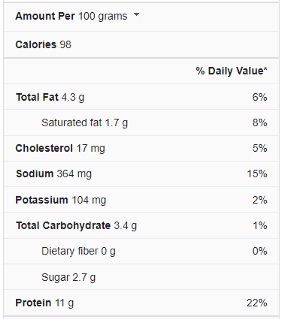
Cottage cheese is high in many nutrients, including protein, B vitamins, and minerals like selenium, and phosphorus. It is especially high in calcium to help keep our bones healthy.
Because casein protein is slow-digesting, cottage cheese is a perfect nighttime snack to help prevent muscle breakdown.
Eat it with fruit and a low-calorie sauce, add it to smoothies or desserts, or use it as an alternative or as a dip.
Soya beans products
PDCAA score of 70–100
A species of legumes, soy beans are popular worldwide with plant-based diets, due to Soy’s high protein content and versatility in developing food products.
Some soybean products include soy milk, soya bean protein, tofu, tempeh and soy-based meat alternatives.
Unlike most legumes, soybeans have a high protein quality with a balanced amino acid profile.
“Although soy protein lacks some of the essential amino acids, they still have the highest protein quality among plant proteins and the protein quality is comparable to some animal proteins.” — Qin et al., 2022
Because they contain all nine essential amino acids in similar amounts, the protein quality of soya beans is comparable to animal-sourced proteins, such as meat, eggs, and dairy. However, it is lower in sulphur-containing amino acids like methionine and cysteine SAA.
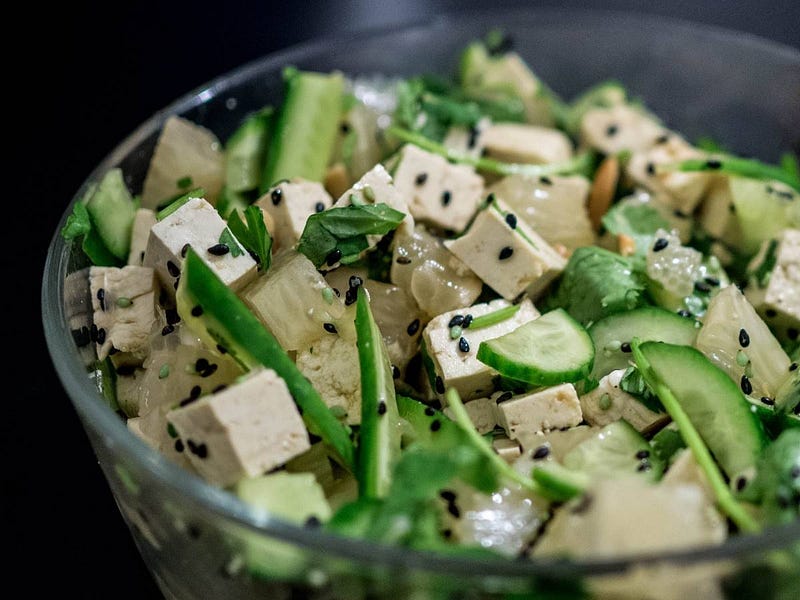
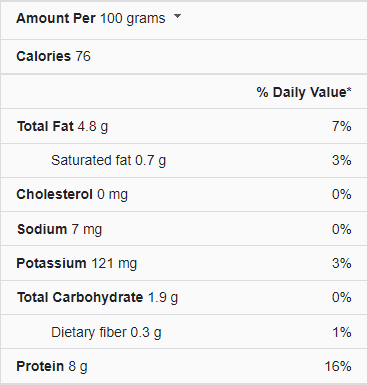
Tofu is a popular product among vegans and vegetarians. The protein in ranges from around 5g to 15g per 100-gram serving.
Tofu has quite a lot lower ratio of protein comparatively to animal-sourced proteins.
Meal options include stir-fries, salads or any other meal substituting meat.
Originating from Indonesia, Tempeh has a higher content of protein, dietary fibre, and vitamins than Tofu. It also has a different texture, but also comes in rectangular pieces. It can be used in chilli, stir-fries, soups, salads, sandwiches, and stews.
Soy Protein is found in soy products such as tofu or tempeh. It can also be purchased as a protein powder product.
Meat alternatives such as burger patties often use soy as one of the ingredients, but the nutritional profile will vary.
“Soy appears to be less effective at stimulating muscle protein synthesis than whey protein despite inducing a similar rise in circulating essential amino acids.” — Tang et al., 2009
Discussion and concluding thoughts
Due to all but one of these recommended protein sources being sourced from animals, if you’re a vegan or vegetarian, you won’t like this list of protein sources
What about legumes you ask? Nuts and seeds?
As mentioned earlier, compared to animal-sourced proteins, plant-based protein sources are inferior. Apart from the soy bean, plant proteins are low in at least one essential amino acid.
Therefore, plant-based protein sources must be combined to supply all the essential amino acids, becoming a complete protein source and better utilised by our bodies.
And, because we must combine protein sources, we’re likely to eat more calories overall. Thus, it can be more difficult to manage our weight.
Sorry!
“The higher energy intake to achieve adequate protein intake from plant foods needs to be considered. In addition, the bioavailability of some nutrients in plant-based dietary patterns or food sources of protein is generally lower than that of animal-based patterns. “— Phillips et al., 2015
To learn more about nutrition and protein sources, Google is an excellent resource!
It might sound obvious, but if more people used Google to learn about nutrition, not as many would be sucked into fad diets.
Check the total calories, calories per 100 grams, and ratios of protein, fat, and carbs. The more you learn about food, the better your choices become.
In conclusion, the best protein sources to include in your diet are chicken and turkey; red meat beef, lamb, and venison; fish: tuna, salmon, white fish, and shellfish; eggs; whey and casein protein; Greek yoghurt; cottage cheese; and soya beans products.
Including these foods in your diet should put you on the right track to improving recovery, building muscle and shaping a physique you can be proud of!
Thank you for reading
If you enjoyed the content, you may be interested in the article below about why consuming too much protein makes you fat.
Subscribe to be notified when I publish new content.


