
Mental Health, Fitness, Lifestyle
Here’s How I Use Everyday Activities As Brain Boosters.
How to leverage daily chores to boost our brainpower and reduce the chance of cognitive decline as we age

Our brain is the most essential organ for survival. Challenging our brains gently can help us enjoy our lives better. My goal is to find ways to lower the effects of cognitive decline as we age.
This is a practical piece, but the concepts are backed up by scientific studies in the cognitive science discipline.
I want to introduce the term “neurobics,” not even in the dictionary but used in the literature a bit.
The goal of neurobics is to boost our brain capacity.
I came across neurobics during my studies. I am a lifelong learner and studied the human brain from its learning capacity and capability aspects as part of cognitive science research.
My studies taught me that our brain regions could change with constant learning. The most common term is re-wiring the brain in the body of knowledge. Neuroplasticity is the scientific term for this concept.
An effective way of implementing neurobics is to use it in our day-to-day activities. Small things can shape our brains, leading to better performance later. Neurobics is a kind of brain gymnastics using daily activities. Repetitions can activate several parts of the brain.
I learned that re-wiring the brain could help prevent cognitive decline as we age. Neurobics can help us create cognitive reserves by activating various brain regions.
Rather than delving into theory, in this article, I want to highlight the benefits of neurobics, also known as brain gym, to have a more agile and flexible brain capacity to address cognitive decline. Any exercise challenging brain activities such as attention, memory, and task switching can be neurobics.
As we grow our muscles with regular use and intentional activities, we can also expand our brain capacity with deliberate exercises.
If you search the web, you may find many resources, books, articles, websites, videos, and training programs.
By leveraging these resources for many years and using theories I learned in cognitive science, I developed my neurobics exercises. I extensively researched adult learning theories, simplified them, taught them to students, and applied them to my learning practice.
During my research, I also found well-written books, peer-reviewed papers, practical articles, and blogs. Many activity books related to puzzles, sudoku, and other mental activities inspired me.

The first popular book that I came across was by Carol Vorderman, who explained that mental decline wasn’t inevitable with age, but we had ways to slow it down. Her book titled Super Brain offered 101 ways to a more agile mind. I loved this book and used all exercises. Carol published many more books related to topics, and I shared them with the kids.
Several years later, I came across another popular book by Lawrence Katz, who provided practical and useful neurobics exercises. I read this book titled “Keep Your Brain Alive: 83 Neurobic Exercises To Help Prevent Memory Loss And Increase Mental Fitness“ in 2014. This book was extra useful for my students, who have different reading styles, and me. It offered paperback, Kindle, and audiobook versions appealing to different reading styles.
There are many more books available in online bookstores.
However, we don’t have to read many books to use neurobics in our daily lives. My point is we can create our own neurobics activities. Let me share a few examples I use neurobics to work out my brain daily.
Most of these activities are simple, and with repetitions, they can turn into habits. For example, we all brush our teeth at least once a day. I brush my teeth three times a day to prevent gum disease. Since it is a habit, I use toothbrushing as a neurobics activity.
I am a right-handed person and more comfortable doing my manual tasks, mainly with my right hand. Frequent use of the right hand created more neurons associated with my right hand. However, when I switch to using my left hand for toothbrushing, I feel discomfort.
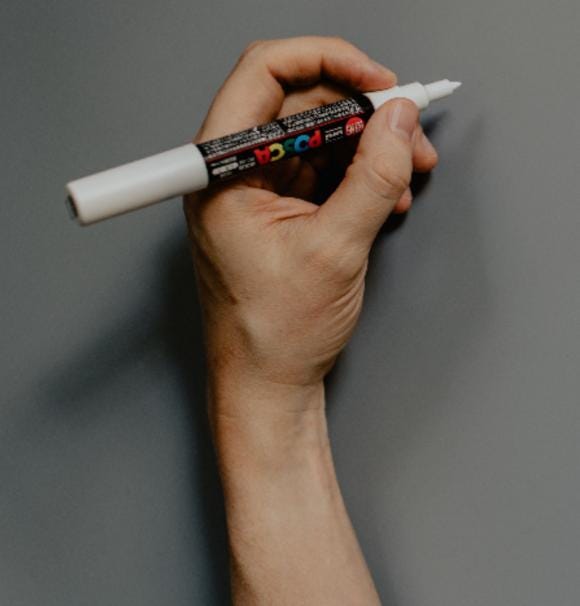
The secret is to recognize this uncomfortable feeling and deliberately challenge it. For many years, instead of using my right hand, I tried to use my left hand to brush my teeth. In the beginning, it was difficult. I had a powerful urge to use my right hand.
With awareness and willpower, I persisted in using my left hand for brushing my teeth. After several months, it got much more manageable. Nowadays, I can easily use both hands with no discomfort. The reason is the brain created new pathways associated with my left hand.
I extended this skill to several more activities. The best example is writing with the left hand. Similar to toothbrushing, writing with my left hand also took me years to get proficient. I use left handwriting for creativity.
One of the common exercises I use for creativity is asking questions by writing with my right hand and answering them by writing with my left hand. While developing several books, I tried this technique, which helped me overcome my writer’s block.
I also use neurobics for editing and proofreading. When I complete a chapter in my books, I read the sentences backward. This simple habit helped me find typos more effectively. When I read in a typical sequence, the brain’s pattern recognition aspect prevents me from seeing the errors.
With the confidence gained from these activities, I tried it in many other daily activities. I love washing my dishes as a therapeutic activity. Even though we have a washing machine, I don’t use it. I prefer cleaning manually with my hands. Scrubbing the dirty dishes with my left hand became another gained skill for me.
A mindful approach to daily tasks can contribute to the focus and attention capability of our brain. When I get dressed, I observe my behavior purposefully. My brain preferred easy ways; therefore, I felt comfortable with the patterns.
Learning to juggle was one of the best brain boosters for me.

To grow the capacity of brains, we need to challenge it deliberately. Trying different ways in our habitual activities is one way of stretching our brains. As muscle grows, brain regions also get denser with habitual use and practice.
Dexterity became the best tool for activating various parts of my brain. Nowadays, I feel more comfortable using both hands for daily tasks. The more I practice, the more effortless my tasks become.
Neurobics is an excellent way for brain fitness. It helps our brain to learn to focus and improve memory. With focus and attention, we can perform better task switching.
These mental capabilities help us become more creative, productive, and satisfied in our daily lives. Having a well-functioning brain appears to be the way to slow down cognitive decline.
7 Tips to Prevent Cognitive Decline and Impairment
Thank you for reading my perspectives. I wish you a healthy and happy life. If you enjoyed this story, you might check my reviews of supplements and molecules affecting brain health, including:
Boron, Urolithin, taurine, citrulline malate, biotin, lithium orotate, alpha-lipoic acid, n-acetyl-cysteine, acetyl-l-carnitine, CoQ10, PQQ, NADH, TMG, creatine, choline, digestive enzymes, magnesium, hydrolyzed collagen, nootropics, pure nicotine, activated charcoal, Vitamin B12, Vitamin B1, Vitamin D, Vitamin K2, Omega-3 Fatty Acids, and other nutrients that might help to improve metabolism and mental health.

Disclaimer: Please note that this post does not include health or professional advice. I shared my reviews, observations, experience, and perspectives only for information. If you have disease symptoms, please consult your healthcare professionals.
About the Author
Thank you for subscribing to my content. I share my health and well-being stories in my publication, Euphoria. If you are new to Medium, you may join by following this link.
You can join my publications as a writer requesting access via this weblink. I write about health as it matters. I believe health is all about homeostasis. I share important life lessons from people in my professional and social circles compiled in the attached collection.
You might join my six publications on Medium as a writer by sending a request via this link. More than 16,000 writers contribute to my publications with inspiring content for readers of this platform. You might find more information about my professional background. Join Medium with my referral link


