
Emotional Meltdown: High Temperatures Exacerbate Mental Health Conditions
Heat waves are hard on our brain’s chemistry and our moods.

This article is part of a Wise & Well Special Report: Extreme Heat and Human Health.
Despite the sweltering conditions, I needed to put forth an image of enthusiasm. I was the chaperone after all. But I was not sure how I was going to make it to the end of this stupid backpacking trip. And then we came to the river. Within minutes of entering the cold water I was living my best life.
Perhaps you can relate to feeling irritable and crabby on a hot summer day. But for those suffering from depression and other mood disorders, the symptoms — and the stakes — are considerably worse.
Heat and mental health symptoms
In the United States, rates of suicide increase in the hottest months of the year. And according to a study published this month, heat waves in particular are associated with rising levels of suicidality and hospitalization for mental health conditions.
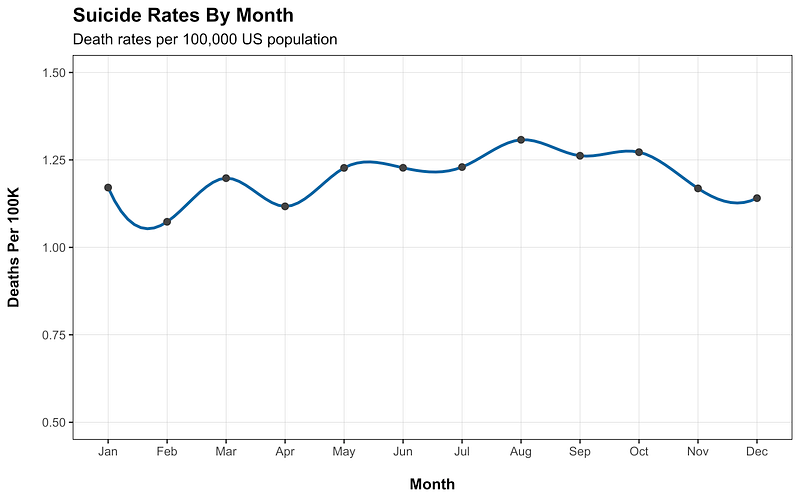
The research — systematic analysis of all previously published data on the topic from around the globe — found the strongest effects to be associated with temperature spikes, as opposed to regional differences in average temperature.
“Many people don’t realize that there are mental health risks associated with heat, in addition to physical health risks,” Rhiannon Thompson, PhD, research associate at Imperial College London and co-author on the study, said in a statement. “When you consider some of the possible ways this could happen, like sleep disruption and increased stress, it makes a lot of sense.”
The mechanism by which heat exacerbates mental illness is just beginning to be unraveled. Hot days can set us all on edge, but there is more to it for those with mood disorders. Thompson said, “Physiological changes, such as alterations in blood flow or serotonin levels, can also be impacted by high temperatures, which may disproportionately affect individuals with preexisting mental illness.”
Research into the neurological details of these effects is limited as of now. But, Thompson speculates, “Factors contributing to heat induced exacerbation of depression likely include disruption of sleep, heat induced changes in neurotransmitters like serotonin, and disruption of specific neural pathways.”
Which neural pathways might those be?
Evidence is emerging that elevated environmental temperatures alter signaling in the brain’s “default mode network,” a system within the brain responsible for thinking about one’s self.
In people with depression, this network can be hyperactive as the individual gets caught in a cycle of negative rumination. When temperatures rise, signaling in this system of the brain changes in ways that are detrimental to attention and decision making.
This may partly explain the connection between heat waves, depressive symptoms, and suicidality.
Double whammy: antidepressants and heat
My float in the river was definitely therapeutic for my mood. But what effect do more conventional antidepressants have on our heat tolerance?
Many common medications used to treat depression can interfere with our body’s ability to regulate temperature. For example, tricyclic antidepressants, like amitriptyline and nortriptyline, can essentially turn up the body’s thermostat. However use of this class of antidepressants is now relatively rare.
On the other hand, selective serotonin reuptake inhibitors, or SSRIs, including citalopram and fluoxetine, are much more widely used. For some individuals, these medications can increase sweating — and thereby increase the risk of dehydration.
If you are presently taking medications for depression, anxiety, or other mental health conditions, make sure you talk to your doctor about any special precautions you should take in the heat.
Global warming is literally depressing
The warming of our planet is only going to make my summer hikes hotter.
Mental illness may not be the first thing you think of when considering the impact of global warming. But with mental health resources already struggling to keep up with the need, it is essential that we start to plan for a warmer future and the increased demand for these resources that will accompany higher temperatures.
“Climate action can be mental health action,” said Emma Lawrance, PhD, policy fellow for mental health at Imperial College London and co-author of the above study with Dr. Thompson. “The mental health of communities will benefit from action to rapidly phase out fossil fuels and support resilience to ongoing climate change, including measures such as increasing tree cover in cities, improving building standards and strengthening mental health systems.”
There does not appear to be much difference in mental health outcomes in hot regions of the world compared to cooler regions. This suggests that the body (and brain) adapt to local conditions over the long haul. So a slow rise in temperatures may not be hazardous to our mental health — but it is too soon to know for sure.
However, rapid fluctuations from typical seasonal temperatures are detrimental. In addition to a slow rise in average global temperatures, global warming also brings with it an increase in local temperature variation including heatwaves.
In terms of depressive symptoms and suicidality, these heatwaves will likely be the most hazardous aspect of global warming.
Turning down your mental health thermostat
What can you do if you or your loved one suffers from depression or other mental health conditions when the weather gets hot? Here are a few ideas:
- Hot weather only makes isolation seem more tempting. Reach out to family and friends for a meet-up at a cool location.
- Stay active with indoor activities, or continue to exercise outdoors if you can do so safely.
- Do what you can to get a good night’s sleep — ideally in a cool spot.
- Give yourself an extra measure of grace. Few of us are our best selves in the heat.
For those of us living with depression and other mental health conditions, when the temperature rises it’s time to double down on self care. And if that is not enough, do not hesitate to reach out for help from a mental health professional.
If you or a loved one is anxious or depressed, make sure to talk to your doctor to discuss the full range of therapeutic options available to you. If you need help right now, don’t hesitate to call the confidential National Suicide Prevention Lifeline at 1–800–273-TALK (8255) for English, 1–888–628–9454 for Spanish.
If you enjoyed reading this article, consider subscribing to my weekly newsletter focused on better living through mindfulness. — Eric