
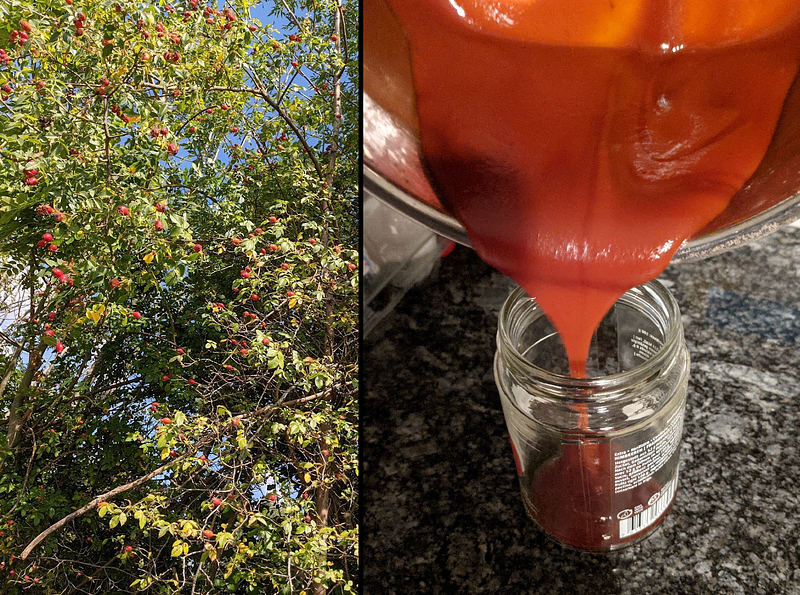
Edibles from the Forest: Rosehip Jam
Especially tasty and I cannot find it easily around here, so I prepare it myself with fruits from the forest
Rosehip jam carries me to my several visits to the city of Bariloche, in Argentinian Patagonia. I have close relatives there, and I lived part of my life close to that city (for Argentinian standards 400 km is very close!). So I’ve been to the city probably 10 or 20 times. Now every fall I prepare this jam myself. It’s like building my own teleportation device wired right to Patagonia.
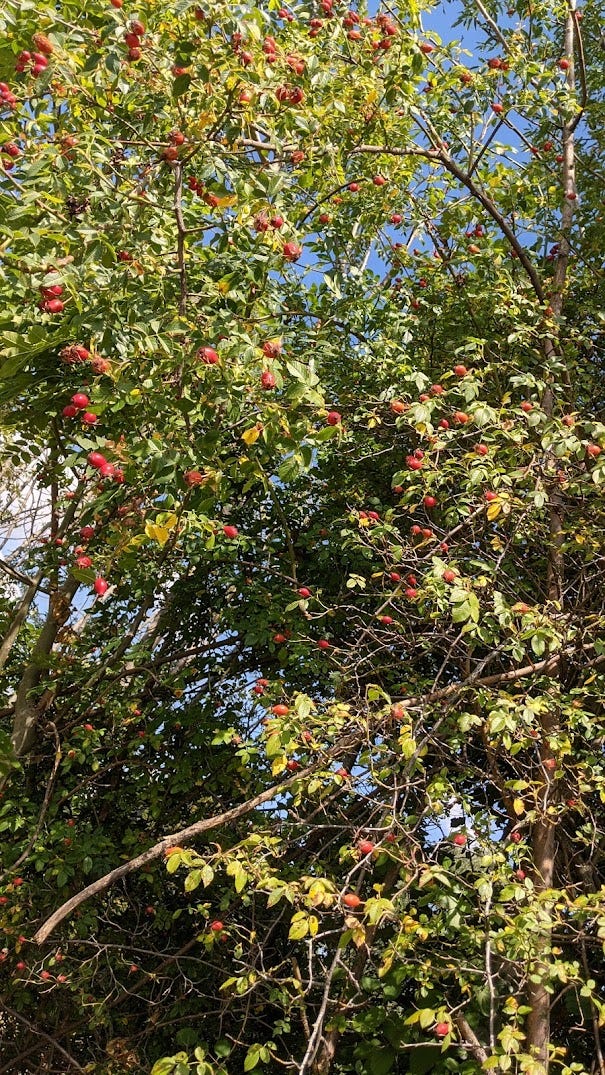
I showed you in previous posts from this summer some photos of the flowers and the early fruits. These fruits take quite some time to ripen, around 4 months indeed. Moreover, some cold days are apparently needed for the fruits to develop full flavor.
This is what the flowers and fruits looked like in spring and summer:
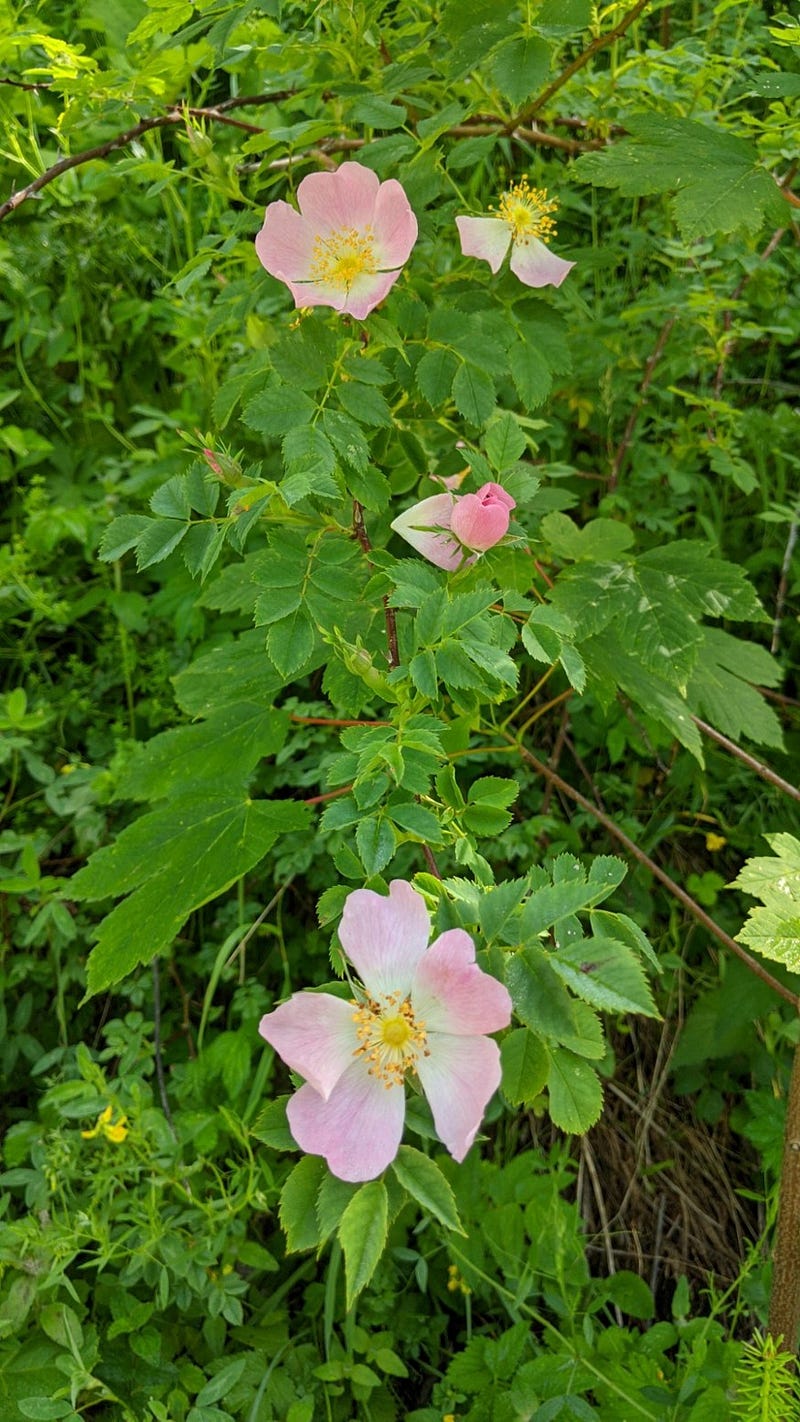
I shot these flowers in this story about spotting flowers along a summer hike:
Now in the middle of the autumn, the fruits still look the same although they have actually ripened, while all leaves get yellow, orange, red, and brown colors:
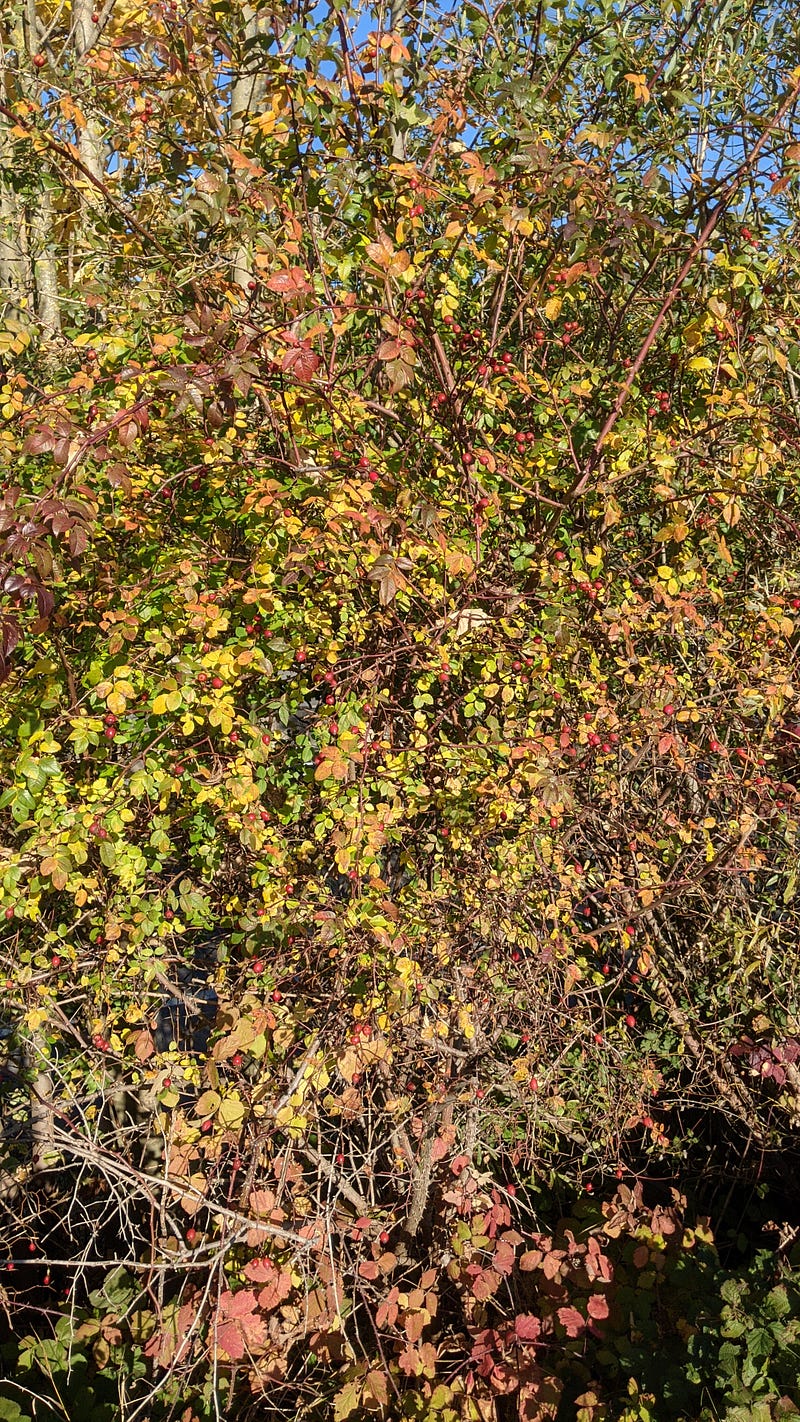
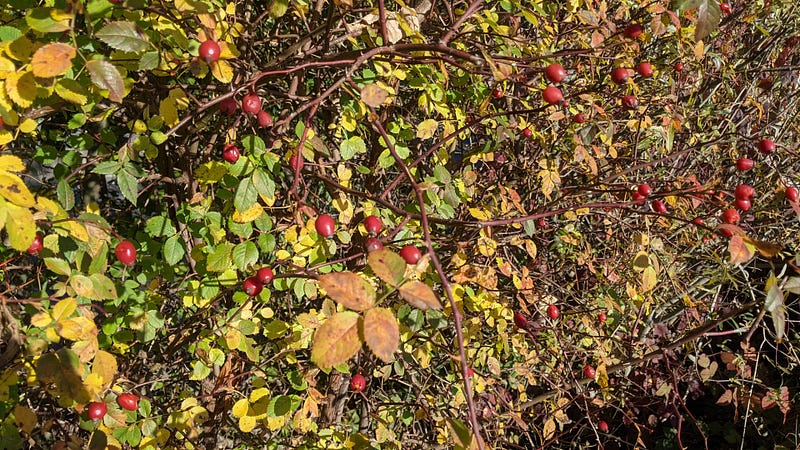
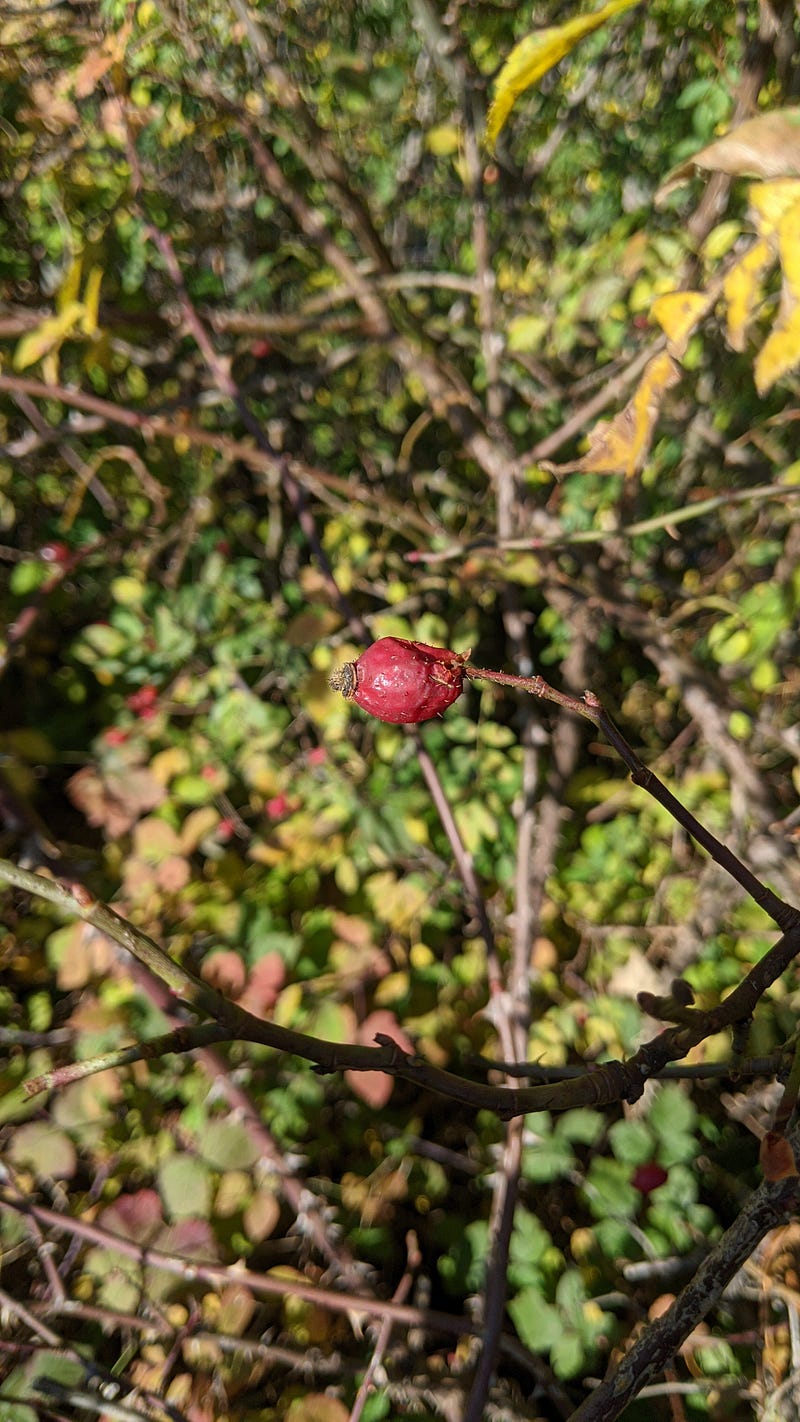
If you look closely, you will see that many fruits are not hard anymore (as they were until a month go). If you press on them you will them soft, and a red cream (that’s what we want!) will go out. Many fruits are also wrinkled:
Recipe
Now the recipe. Here’s the amount I collected, around 200 grams. I should go get some more, because the edible mass of flesh that actually goes into the jam is very small (maybe 10% ?).
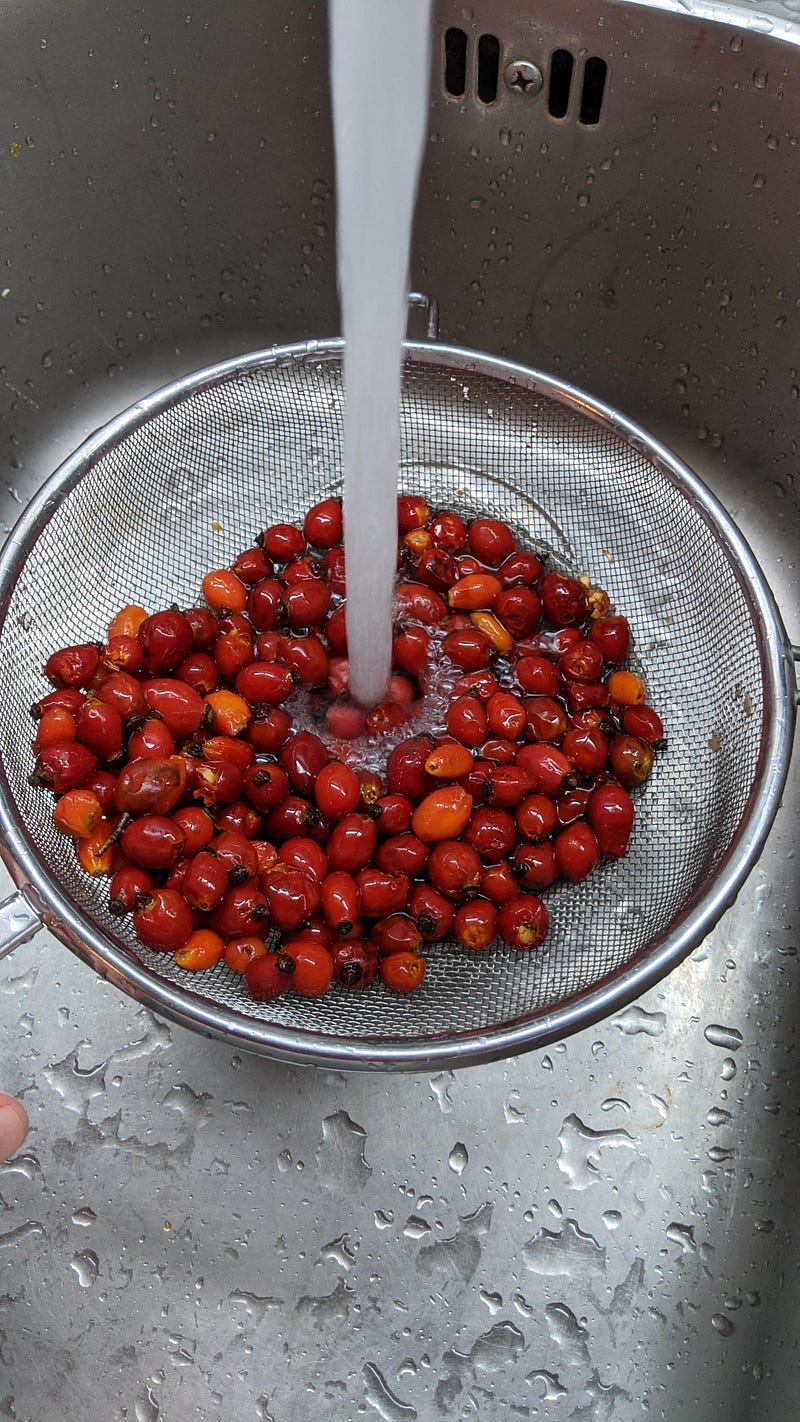
The key first step is, of course, to wash the fruits:
Squeezing the flesh out of the fruits
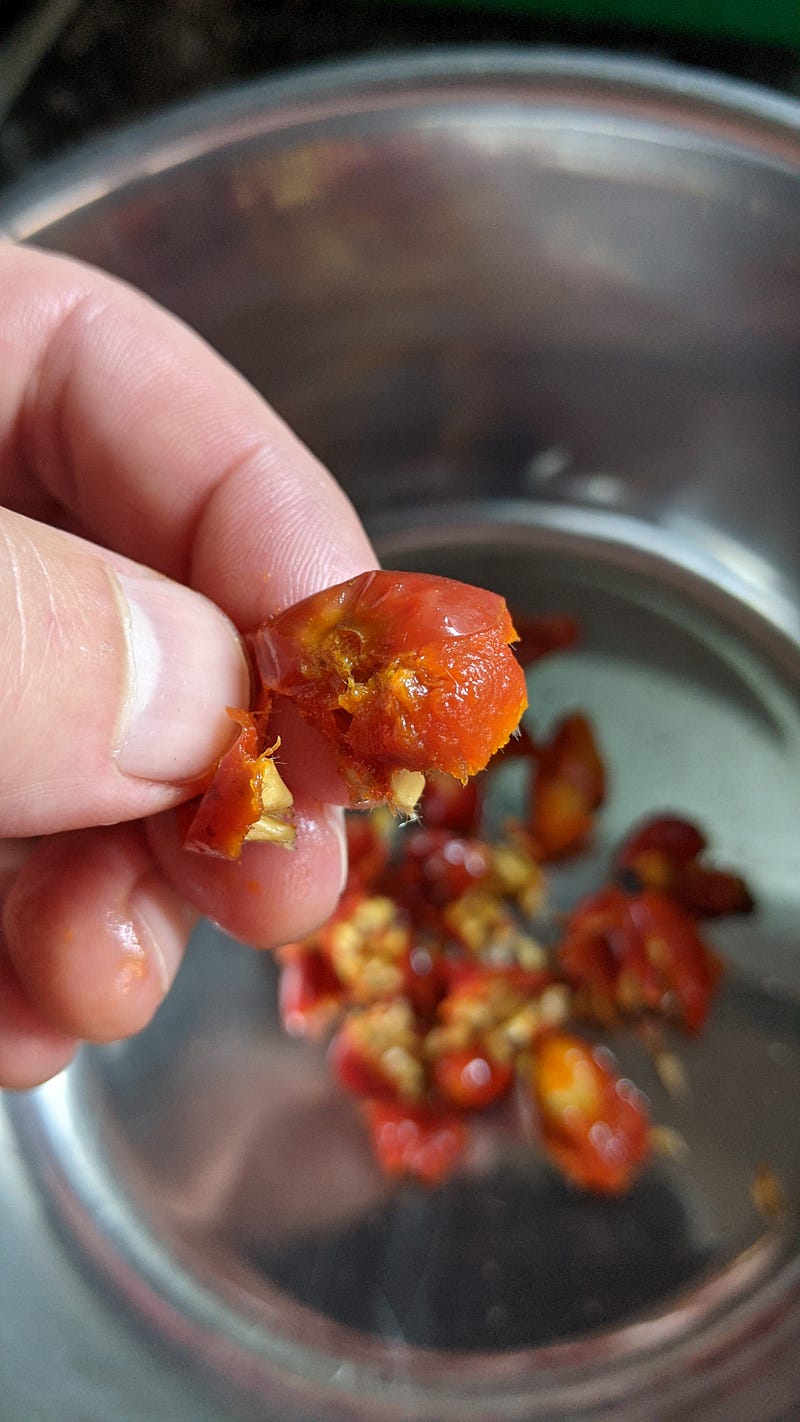
Now some hard work. Underneath the peel, the fruits have a small amount of red flesh, which is where the taste resides. You need to squeeze this flesh out of the fruits one by one, also removing any hard tips and pieces of stem.
I collect the squeezed fruits into a bowl where I will continue the process of extracting the flavors out of the fruits:
Here are all the fruits squeezed and ready for the next step:
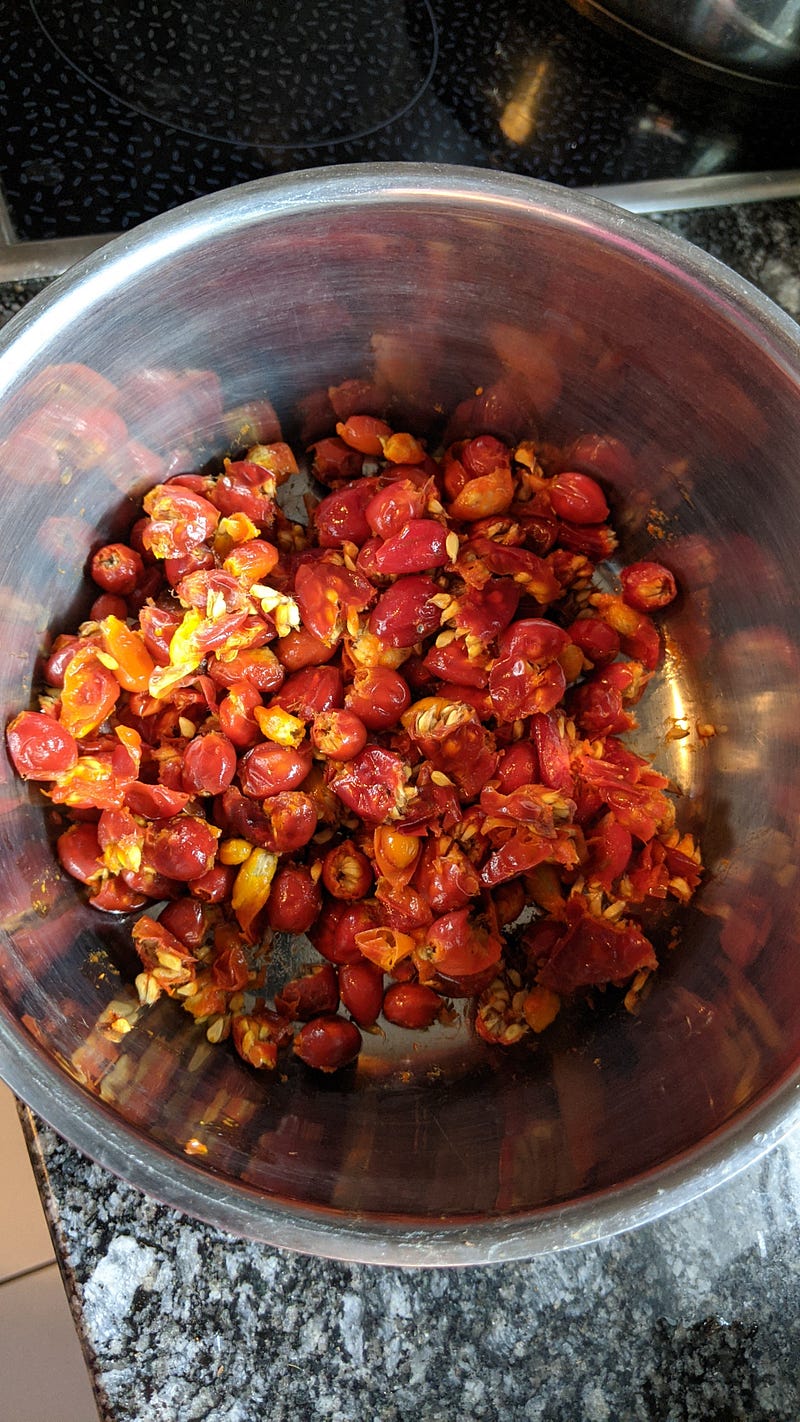
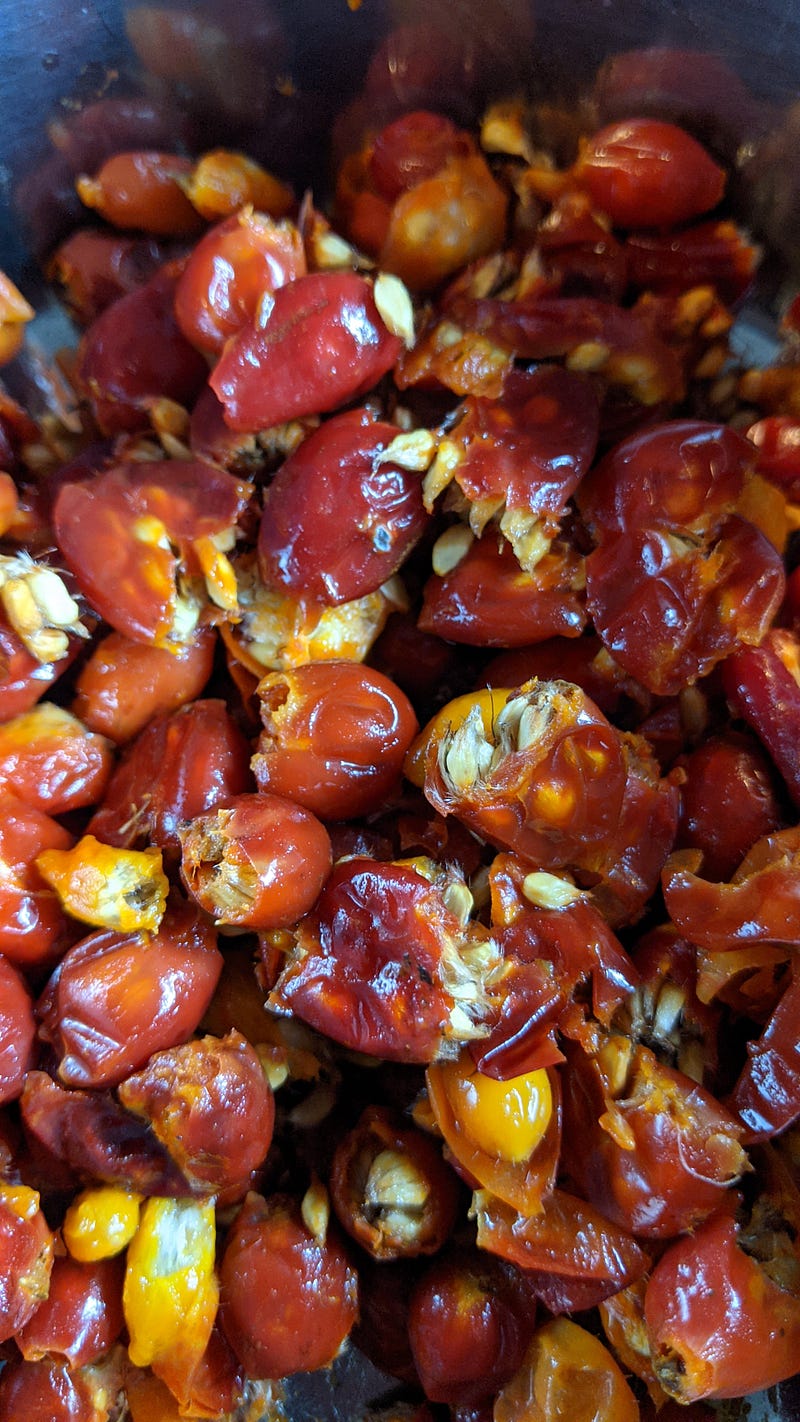
Extraction (of the flavors from the flesh)
I call this step extraction; it is key and it is to be repeated 3 or 4 times. You first add some sugar and crush the fruits. The sugar will end up in the jam, and also works here as an abrasive.
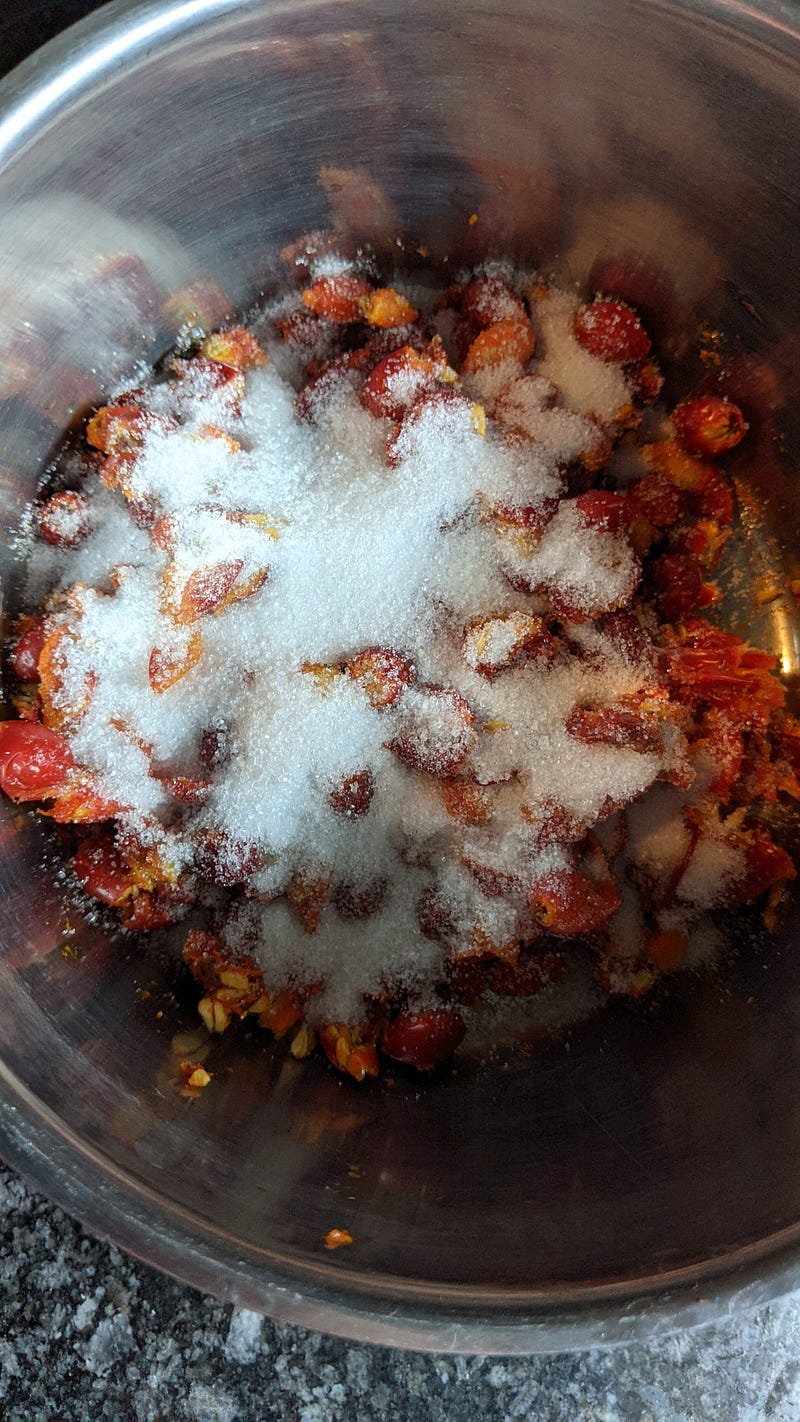
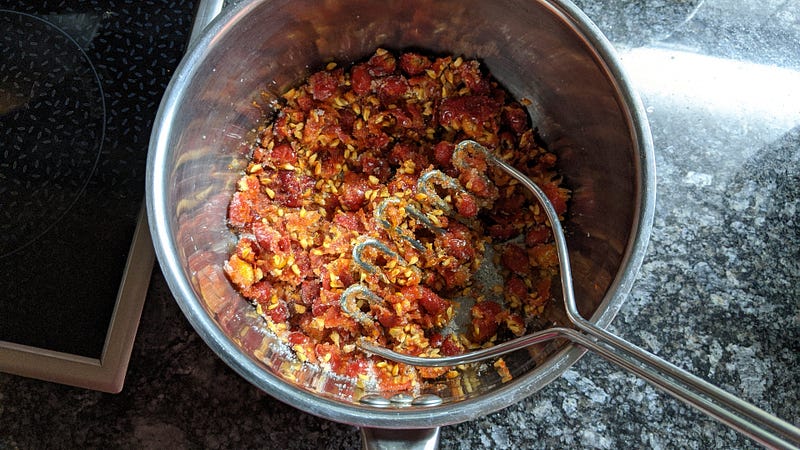
I then add some water and keep crushing to extract the flavors. At this point, I also begin to heat up the mixture. And I begin to smell Patagonia.
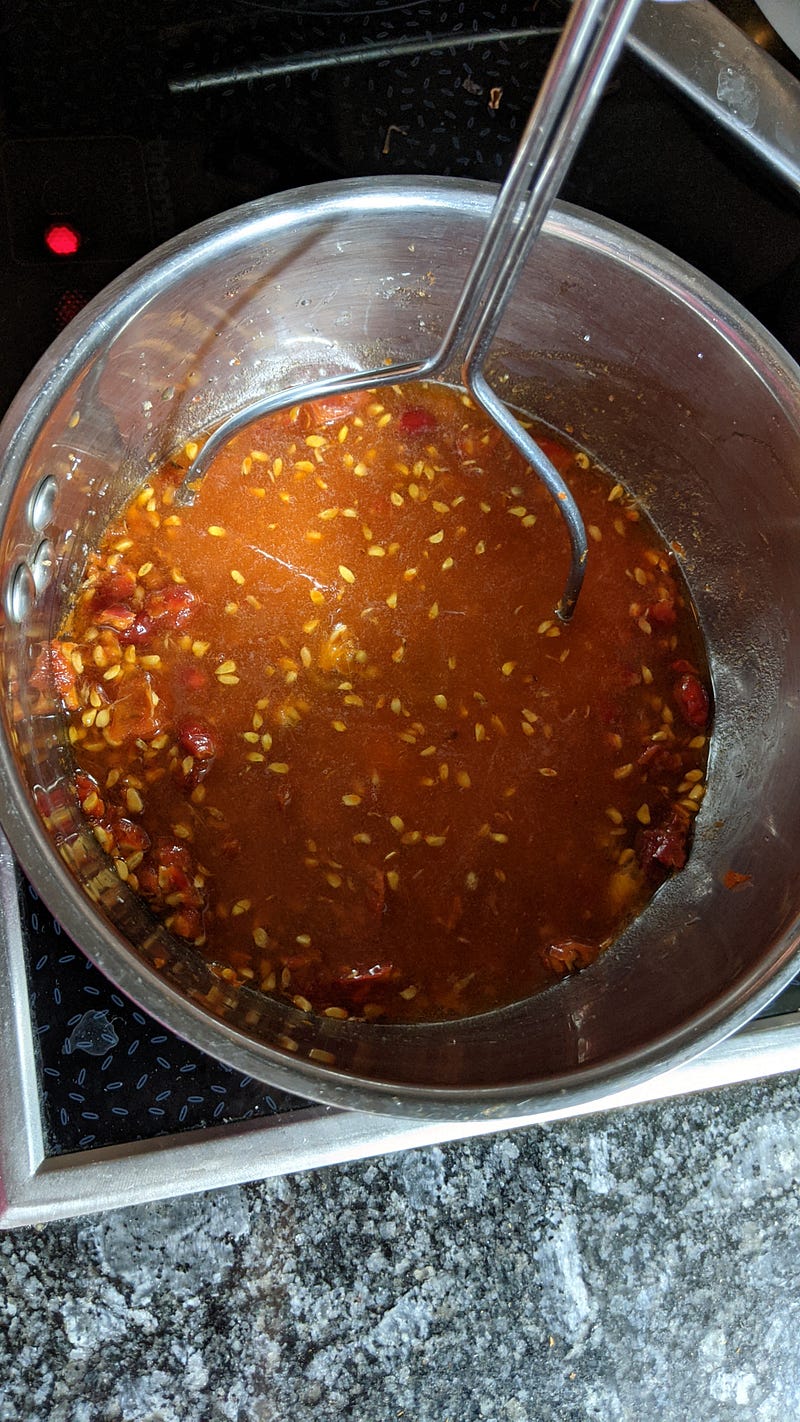
The next step within the extraction procedure is to reduce the liquid by boiling, while constantly crushing and stirring:
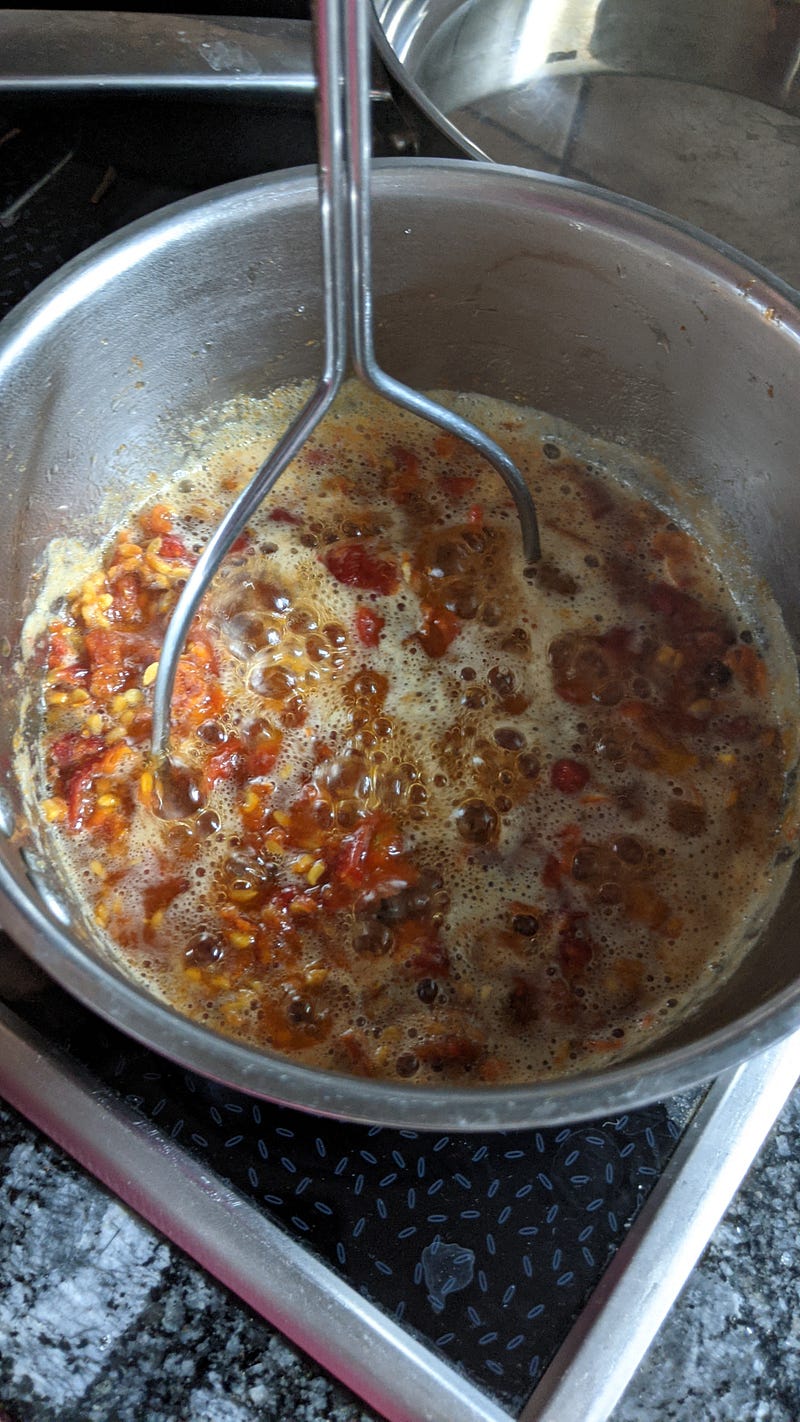
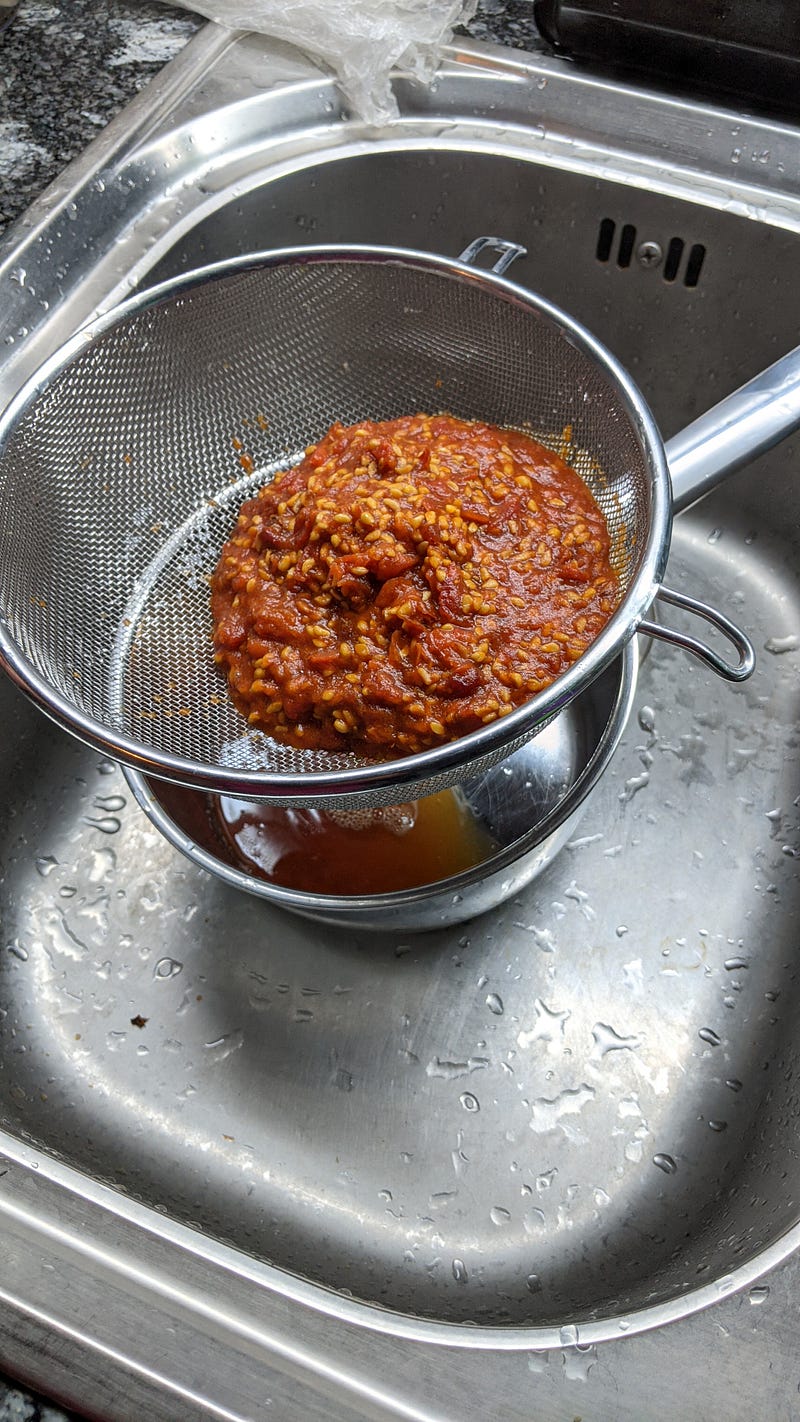
Then you filter this mixture, keep the liquid (which has the flavors in it), then add just a bit of water to the solid, and go back to another round of crushing while boiling.
Here I am filtering the result of the first round; see how the liquid goes through with color (and taste!) but the remains that are stuck in the filter still have quite a lot of flesh.
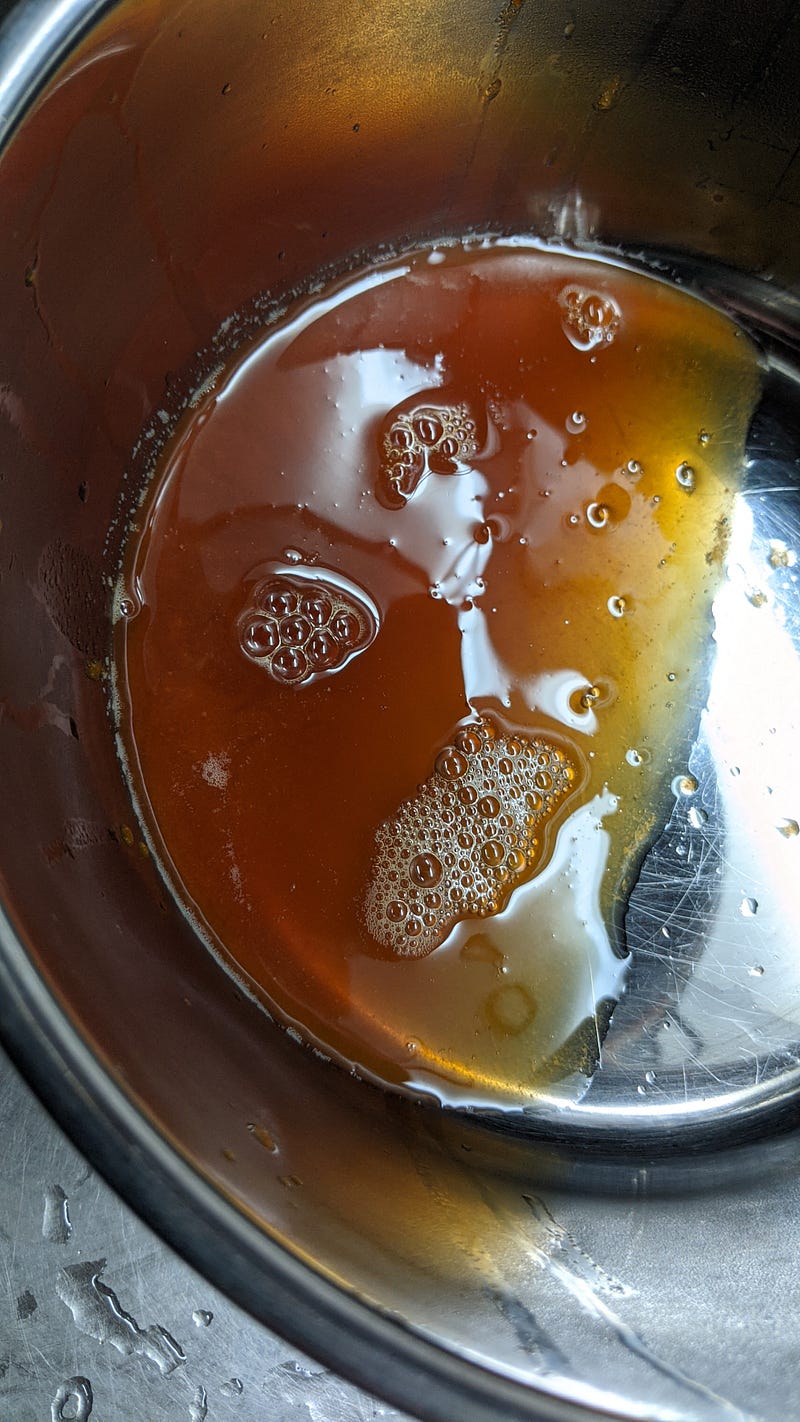
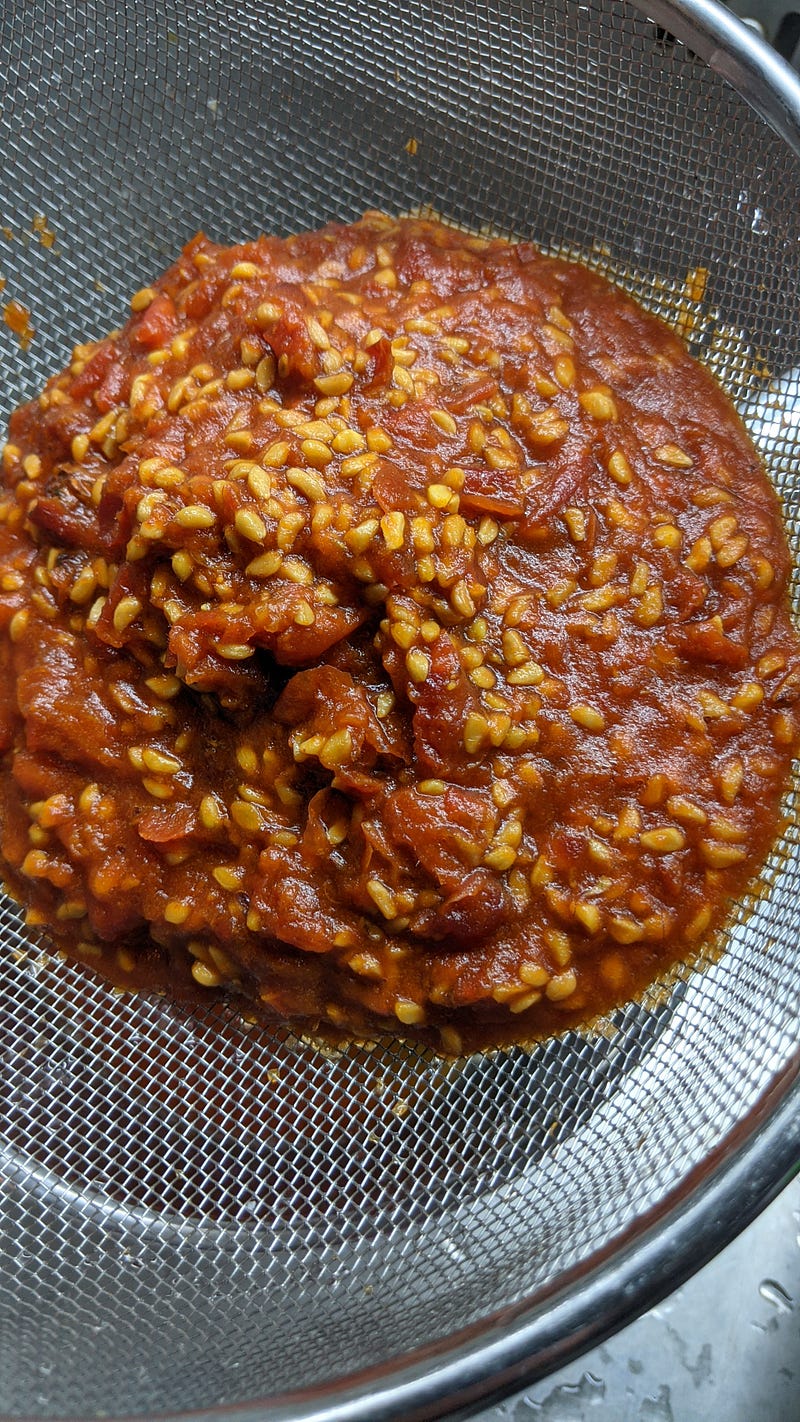
Repeat the extraction protocol 2 or 3 more times, trying to not add too much water each time. In my case, after a total of three passages the solution and solids look like this:
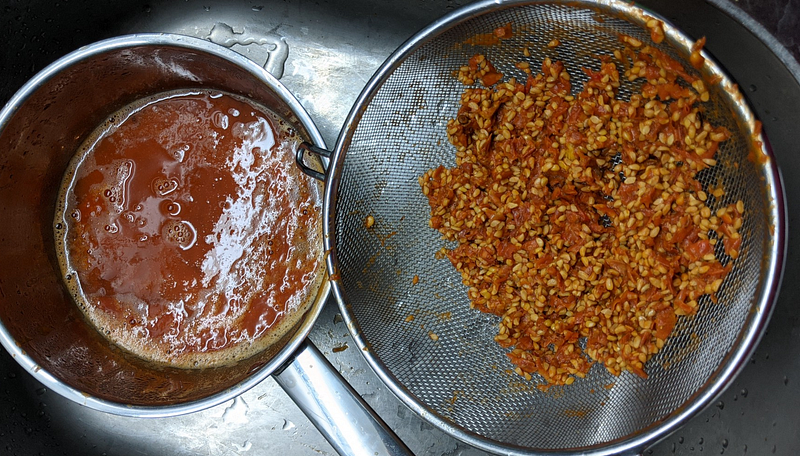
Last steps
Now, the last step. Put back this time only the liquid into the heater (you can trash the solid waste), add a spoon of lemon juice, probably some more sugar, and boil again with constant stirring until you achieve the desired viscosity (remember that when the solution cools down it gains viscosity, so you probably need to stop evaporating the water before the desired point).
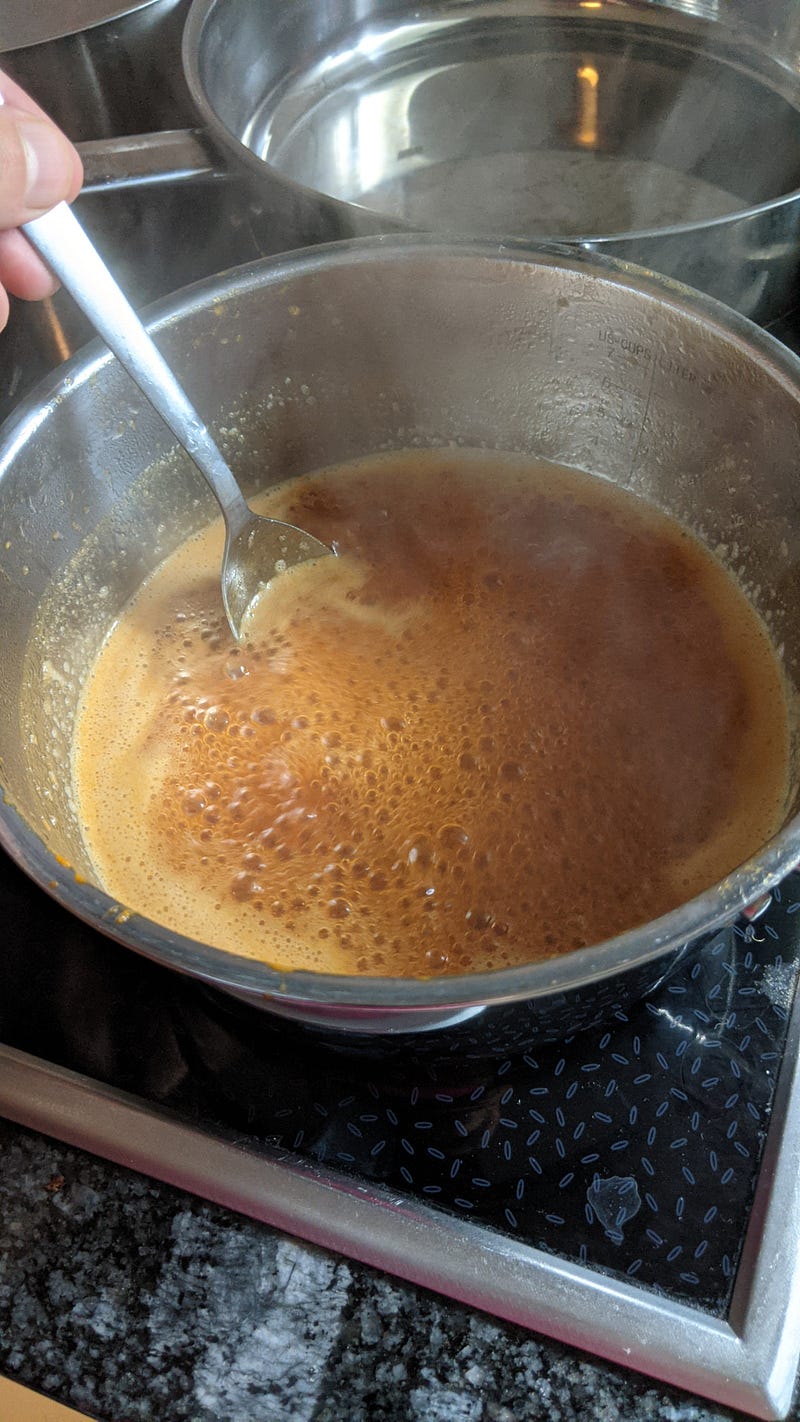
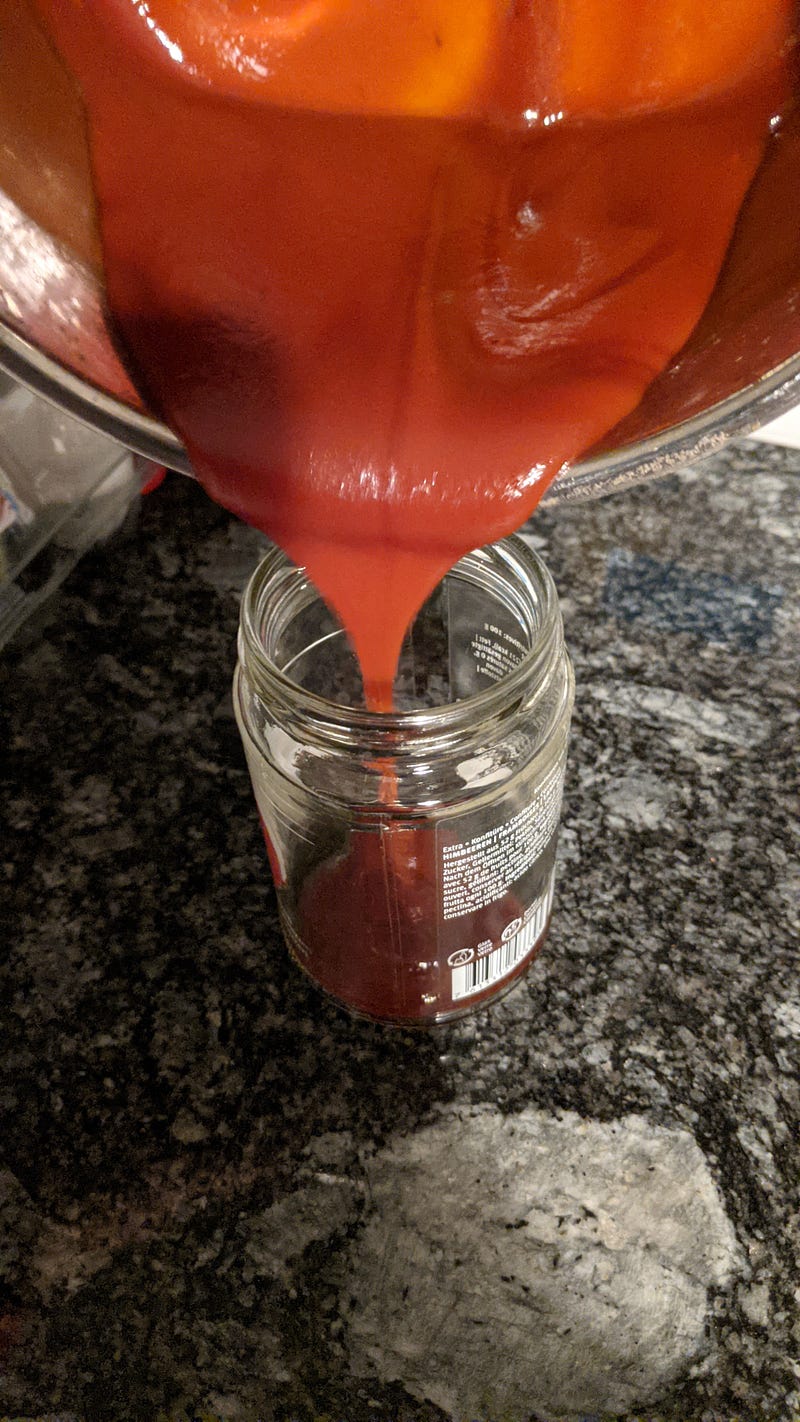
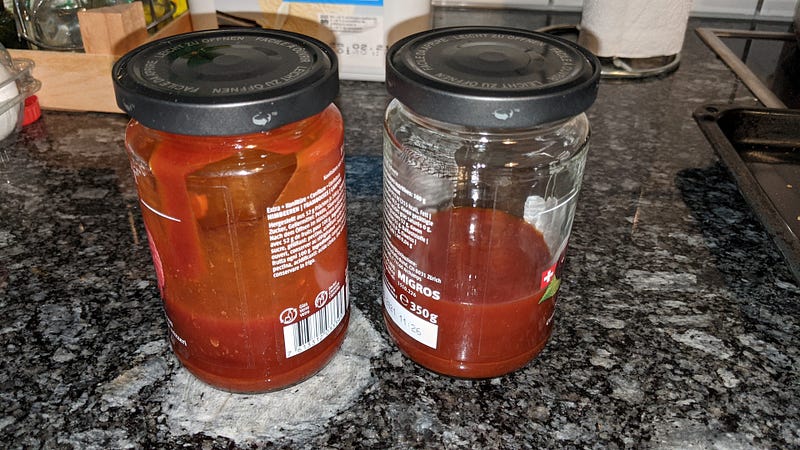
And voilà, the rosehip jam is ready! When I get a good amount, I split it into aliquots, freeze the aliquots that I will not consume immediately, and keep in the fridge the ones I will consume in the next days. I give more tips about preserving this kind of preps here.
This time I got enough that I could split into two jars:
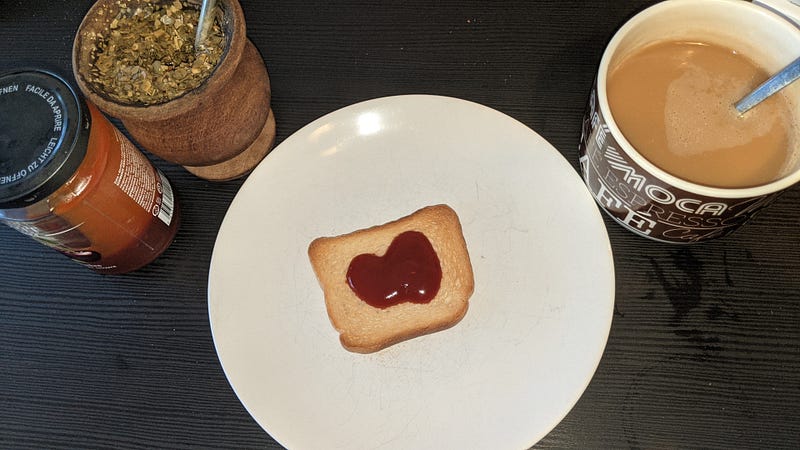
Next morning I’m already having the rosehip jam on my toasts 😋
Fan of wild edibles? Check out these other stories!
I am a nature, science, technology, programming, and DIY enthusiast. Biotechnologist and chemist, in the wet lab and with computers. I write about everything that lies within my broad sphere of interests. Check out my lists for more stories. Become a Medium member to access all its stories and subscribe to get my new stories by email (original affiliate links of the platform for which I get small revenues without special costs to you). Donate here through various means. Contact me here.
To consult about small jobs (on programming, biotech + bioinf project evaluations, science outreach + communication, molecular data analysis and design, molecular graphics, photography, moleculARweb tutorials, science teaching and tutoring, etc.) check my services page here.