
Coming of age with pistol packin’ pilot Audie Murphy
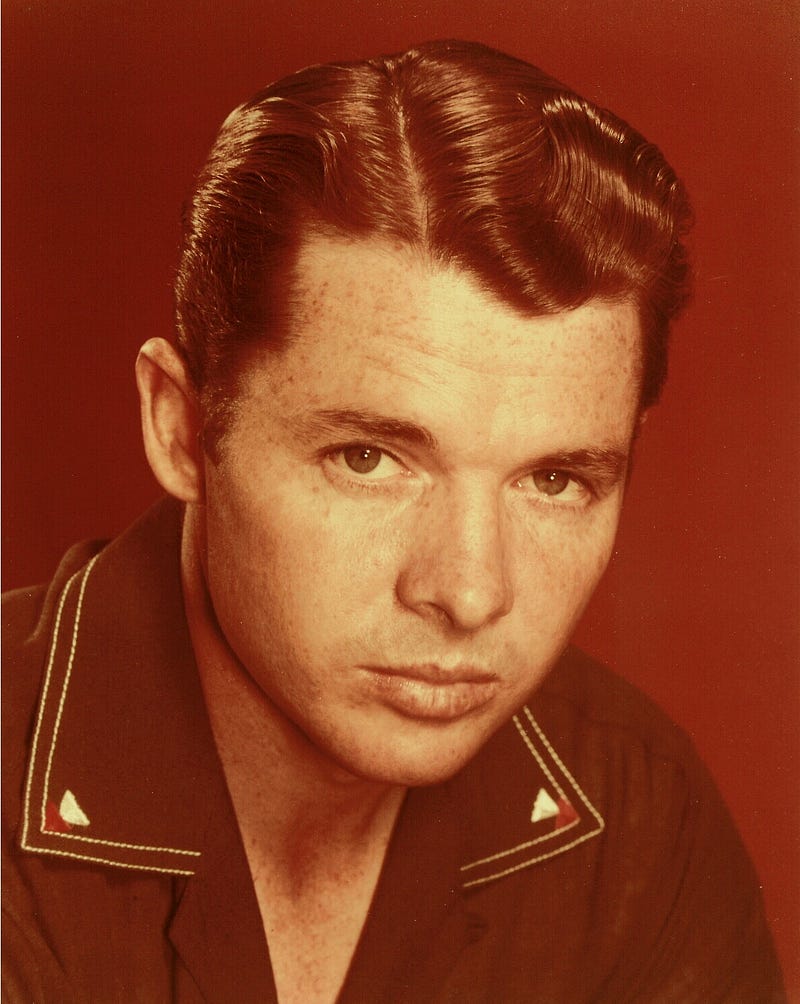
Kent McCord was a 13-year-old long-legged teenager cuttin’ grass and pumpin’ tane at Brackett Field Airport when he came face to face with World War II hero Audie Murphy, who had been featured on the cover of LIFE magazine and was universally acknowledged as one of America’s most decorated combat soldiers. By 1956 the diminutive Texan was the doting father of two preschool boys and a hot commodity in Hollywood, breaking box office records with Universal’s dramatization of his wartime exploits in To Hell and Back and upending western tropes by treating Native Americans with respect and circumventing Anne Bancroft’s crush in Walk the Proud Land. Anxious to see his quarter horses compete at the Los Angeles County Fair, the budding pilot with a deadly trigger finger, short fuse, and warped sense of humor made an indelible impression upon the future Adam-12 police officer. In case you’re just tuning in, the preceding episode of the exclusive McCord interview revolves around “John Wayne, Hellfighters, and a Sighting of Frontier Master John Ford.”
The Kent McCord Interview, Part Four
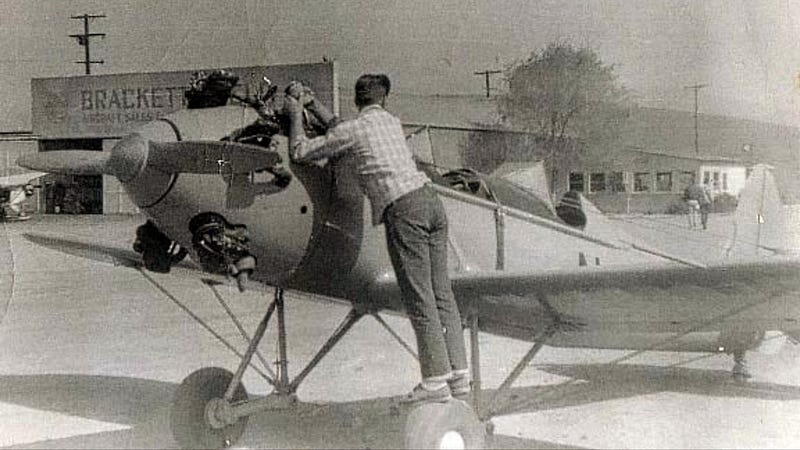
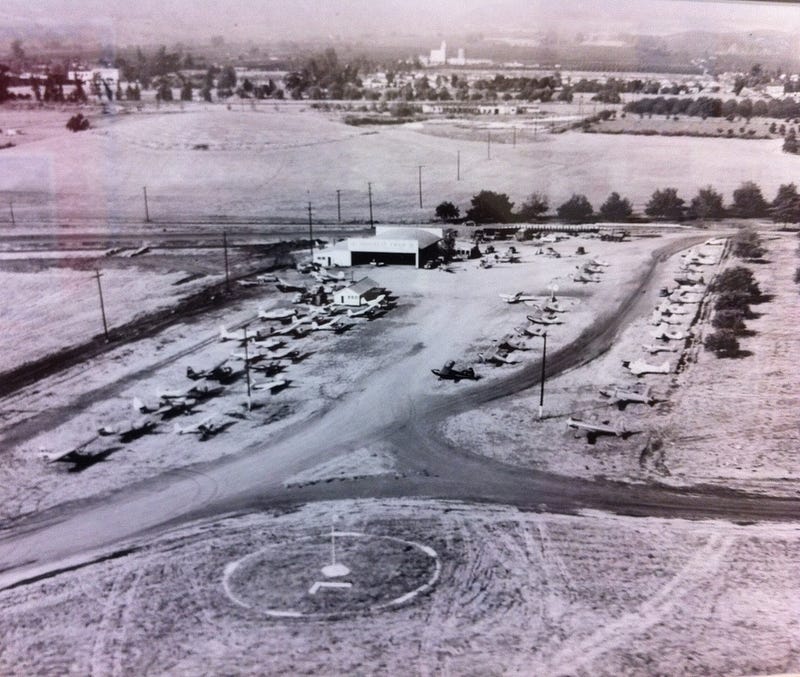
As a 13-year-old boy in 1956 I went to work at Brackett Field Airport in La Verne, California. I pumped gas and did all sorts of jobs like mowing the weeds that would grow along the 2,600 foot runway during the winter months. All the people at the airport were like family. Most of the pilots were veterans learning to fly on the G.I. Bill.
One day at the end of summer in September, we got word that Audie Murphy was flying in from Whiteman Air Park with an instructor. They were going to be picked up and taken to the L.A. County Fair that was just off the east end of the field. Audie was taking flying lessons and would get his private pilot’s license during this time. He was running his race horses during the fair and was there to see them. A car came onto an area of the field usually restricted to pick them up.
Later during that month of the fair Audie had soloed and was coming in by himself. One day he pulled his Cessna 182 plane to the gas pumps for me to top it off. When I finished we were walking from the gas pumps to the office for him to pay. My nickname is Bucky, and that is what everyone called me growing up. I had yet to turn 14 on September 26 and I was, at 6-foot-1-inch and 215 pounds, taller than Audie [who was 5-foot-8.5 inches and 160 pounds]. As we were walking, Audie asked, “How old are you, Buck?” “Thirteen.” He stopped and looked up at me and said, “God***n boy, what are you going to be when you grow up?”
During the fair some time later, Audie was flying into Brackett and going to watch his horses run. I would gas his plane and taxi it down the line and tie it down. Wreckage from a mid-air collision that killed two of my airport friends, Paul Thompson and Kay Macaby, on March 1, 1958, had been brought back to Brackett Field and placed behind the hanger. It was one of the incidents that took the romance out of flying for me.
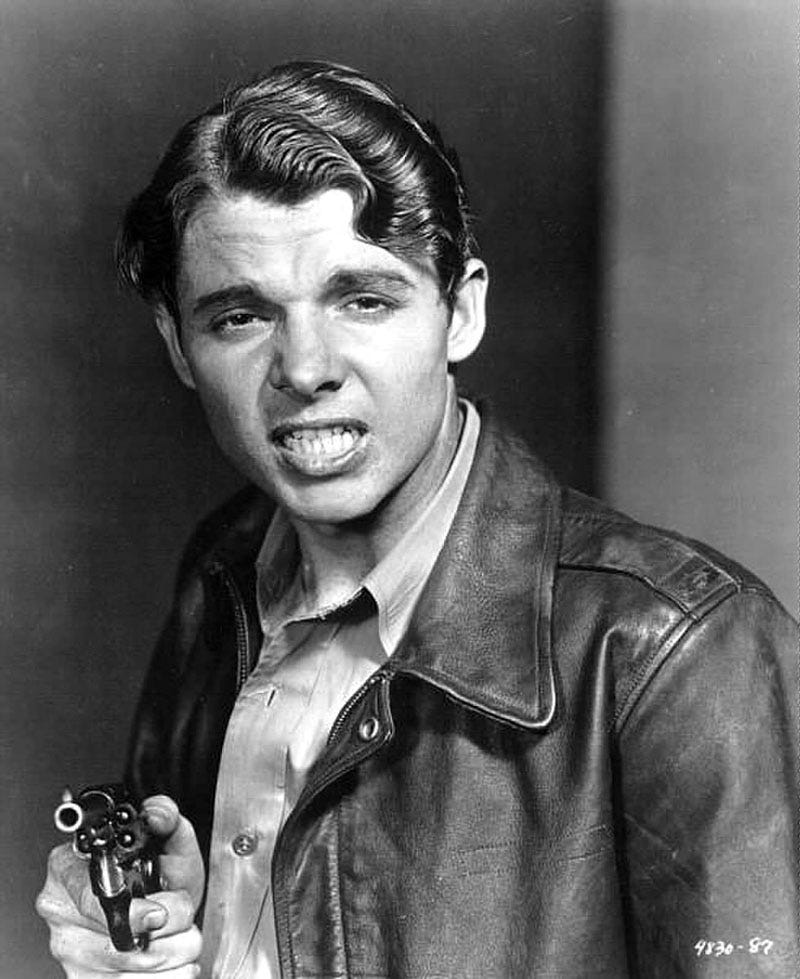
Audie had flown in and turned his plane over to me, and I gassed and parked it. Some hours later I was behind the hanger with the wreckage lost in thought when the other line boy, Chuck, found me and told me, “Mr. Murphy is looking for the keys to his plane.” I had them in my pocket. I asked Chuck where he was and he said at the plane. I took off in a sprint to get to the plane. When I got within 15 or 20 feet from Audie he pulled a gun out and said, “Give me them god***n keys, boy,” and had a good laugh. I apologized for keeping him waiting. When I handed him the keys he slipped a $5 bill into my hand.
After I went under contract in November 1965 to Universal [fittingly the same studio that Murphy had been under contract to for almost two decades, originating with his sympathetic 1949 portrayal of a black-hatted Billy the Kid in The Kid from Texas; Murphy’s last film for the studio, Gunpoint, guilty of being a “lot of gun and not much point” according to certain cast members, was a B-western distributed quietly five months after McCord signed on the dotted line], I tried to find Audie to let him know what I became when I “grew up.” Once we were shooting Adam-12 on location in Toluca Lake. I was told that Audie lived down the street from where we were. I went to the house and knocked on the door but there was no answer.
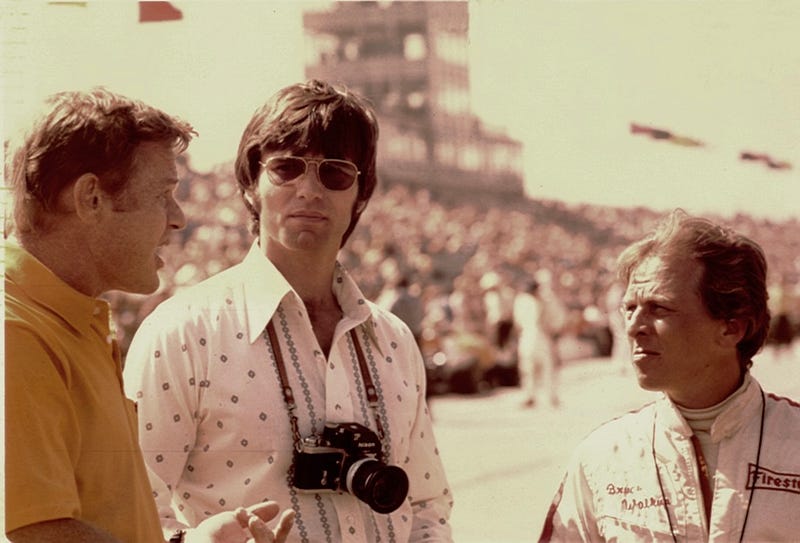
I was at Indianapolis for the 500 when Audie was killed in a plane crash on May 28, 1971. Ironically Audie lived through the horrors of World War II, becoming one of the nation’s most decorated soldiers with all his heroic acts occurring while he was still a teenager, only to die in a plane crash at age 45 on Memorial Day Weekend, the day we honor all the men and women who have served the nation. I regret that I didn’t make more of an effort to contact Audie.
© Jeremy Roberts, 2023. All rights reserved. To touch base, email [email protected] and mention which story led you my way. I appreciate it sincerely.


