avatarKristi Dawn Riggs

Free AI web copilot to create summaries, insights and extended knowledge, download it at here

2053

Abstract

Chinese market was packaged in white, as this could be interpreted as depressing or depressing.</p><p id="9db2">There was a case study on the drink brand Snapple trying to enter the market in Japan and failing, in part, because of the color of the drink (the product). It was cold and cloudy, perceived as dirty, and the green label was off-putting to Japanese consumers.</p><figure id="3ae1"><img src="https://cdn-images-1.readmedium.com/v2/resize:fit:800/1*3WHkeKQaH9l2hflMlUoNbQ.png"><figcaption><a href="https://www.amazon.com/Color-Meaning-Art-Science-Symbolism/dp/0520226119">https://www.amazon.com/Color-Meaning-Art-Science-Symbolism/dp/0520226119</a></figcaption></figure><p id="248e">In the book “Color and Meaning: Art, Science, and Symbolism” by John Gage, he argues that “color does not simply exist ‘out there,’ waiting to be discovered or measured. Rather, it is an active ingredient in the world, one that shapes our perceptions and influences our every waking moment.”</p><p id="11b3">Gage goes on to say that “color is not just an aesthetic quality, it is also a carrier of meaning.” And he’s right. Color is everywhere, and it’s not just aesthetic. It has the power to influence our emotions and our behavior.</p><p id="0127">When working with color symbolism, it’s important to be aware of the different meanings and associations that colors have. It’s also important to be aware of the different connotations that colors have in different cultures.</p><p id="94e9">Color symbolism is an important tool for designers, marketers, and communicators to understand and use to ensure accurate and effective communication.</p><h2 id="c55d">Common American colors associated with the holidays are:</h2><ul><li>Red and green for Christmas</li><li>Orange and black for Halloween</li><li>Red, white, and blue for Independence Day/4th of July</li></ul><h2 id="a506">Common colors associated with American politics are:</h2><ul><li>Red, white, and blue for the American flag</li><li>Red for Republicans</li><li>Blue for Democrats</li></ul><h2 id=

Options

"30dd">Common colors associated with culture are:</h2><ul><li>White for purity</li><li>Black for death</li><li>Red for anger</li><li>Blue for sadness</li><li>Green for nature</li><li>Yellow for happiness</li></ul><h2 id="52b1">Common colors associated with top brands are:</h2><ul><li>Red for Coca-Cola</li><li>Blue for Ford</li><li>Yellow for McDonald’s</li></ul><p id="40cb">Color symbolism is everywhere, and it’s important to be aware of the different meanings and associations that colors have.</p><p id="0259">Also, read</p><p id="392e"><a href="https://readmedium.com/color-theory-color-theory-color-space-is-a-term-used-for-digital-file-formats-and-devices-11d16846f2a6?sk=57a5aa9f599db77db6dc6d837aef5ea1"><i>Color Theory: <b>Color space</b> is a term used for digital file formats and devices.</i></a></p><p id="2eeb"><a href="https://readmedium.com/color-theory-heat-maps-use-color-temperature-to-convey-information-quickly-5d74a8f74633?sk=52bbe101d112f4343bbf7404aa047365"><i>Color Theory: <b>Heat Maps </b>use color temperature to convey information quickly.</i></a></p><p id="7d06"><a href="https://readmedium.com/color-theory-analogus-colors-are-one-approach-to-developing-color-schemes-bbdfd31d89c8?sk=3ac5eb7a2396b8421d940d07f029bdb2"><i>Color Theory: <b>Analogus Colors</b> are one approach to developing color schemes.</i></a></p><p id="b77d"><a href="https://readmedium.com/color-theory-is-a-complex-study-related-to-the-properties-of-light-and-human-perception-8722b24ab65e?sk=17f0f6c3edd49f6f0c33bb038da7d10c"><i>Color Theory is a complex study related to the properties of light and human perception.</i></a></p><p id="3407"><a href="https://kristipelzel.medium.com/list/color-theory-f990c402b76f">Full Color Theory List</a></p><p id="1ae1">If you’ve enjoyed my writing, please consider supporting me by becoming a Medium Member, accessing unlimited Medium articles. <b>F<a href="https://medium.com/@kristipelzel/membership">ollow the link to subscribe </a></b>for 5 a month or 50 per year. <i>Thank you!</i></p></article></body>

Color Theory

Color Theory: Color symbolism is associated with culture, politics, brand identity, holidays, and so much more.

Photo by Donovan Reeves on Unsplash

What is the American flag? It’s an abstract object designed with three colors, red, white, and blue, but it’s so much more than that. The flag is a symbol of the United States of America, and it’s a symbol of freedom and liberty, and even without the flag, when people see color schemes with red white, and blue together they think of the U.S.A.

The American flag isn’t the only flag with colors that have meaning and symbolism behind them. Every country has a flag, and each one is different. Different colors can represent different things, and some colors are even considered lucky or unlucky in different cultures.

In the western world, white is often associated with purity, cleanliness, and innocence. But in many eastern cultures, white is the color of death and mourning. In China, for example, white is the color of funeral attire.

Red is another color with a lot of cultural symbolism. In the western world, red is often associated with danger, blood, and violence. But in China, red is the color of good luck and happiness.

Color symbolism matters for people working in globalized and “glocalized” environments to ensure accurate and meaningful communication without misrepresentation or offense.

One example of color symbolism gone bad would be if a product targeted at the western market was packaged in red, as this could be interpreted as dangerous or aggressive.

Another example would be if a product targeted at the Chinese market was packaged in white, as this could be interpreted as depressing or depressing.

There was a case study on the drink brand Snapple trying to enter the market in Japan and failing, in part, because of the color of the drink (the product). It was cold and cloudy, perceived as dirty, and the green label was off-putting to Japanese consumers.
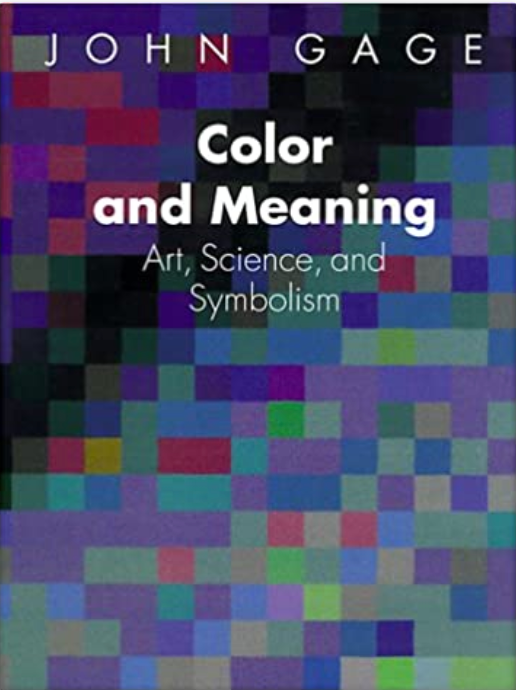
https://www.amazon.com/Color-Meaning-Art-Science-Symbolism/dp/0520226119

In the book “Color and Meaning: Art, Science, and Symbolism” by John Gage, he argues that “color does not simply exist ‘out there,’ waiting to be discovered or measured. Rather, it is an active ingredient in the world, one that shapes our perceptions and influences our every waking moment.”

Gage goes on to say that “color is not just an aesthetic quality, it is also a carrier of meaning.” And he’s right. Color is everywhere, and it’s not just aesthetic. It has the power to influence our emotions and our behavior.

When working with color symbolism, it’s important to be aware of the different meanings and associations that colors have. It’s also important to be aware of the different connotations that colors have in different cultures.

Color symbolism is an important tool for designers, marketers, and communicators to understand and use to ensure accurate and effective communication.

Common American colors associated with the holidays are:

  • Red and green for Christmas
  • Orange and black for Halloween
  • Red, white, and blue for Independence Day/4th of July

Common colors associated with American politics are:

  • Red, white, and blue for the American flag
  • Red for Republicans
  • Blue for Democrats

Common colors associated with culture are:

  • White for purity
  • Black for death
  • Red for anger
  • Blue for sadness
  • Green for nature
  • Yellow for happiness

Common colors associated with top brands are:

  • Red for Coca-Cola
  • Blue for Ford
  • Yellow for McDonald’s

Color symbolism is everywhere, and it’s important to be aware of the different meanings and associations that colors have.

Also, read

Color Theory: Color space is a term used for digital file formats and devices.

Color Theory: Heat Maps use color temperature to convey information quickly.

Color Theory: Analogus Colors are one approach to developing color schemes.

Color Theory is a complex study related to the properties of light and human perception.

Full Color Theory List

If you’ve enjoyed my writing, please consider supporting me by becoming a Medium Member, accessing unlimited Medium articles. Follow the link to subscribe for $5 a month or $50 per year. Thank you!

Colors
Art
Design
Symbolism
Branding
Recommended from ReadMedium