
Christianity learns its history of ‘gay marriage’
A religion has kept secrets
I’m old enough to remember when Christianity insisted the Apocalypse would happen if gay marriage got legalized.
What did happen is the religion itself started to be revealed. In the last decade, there’s been a lot of scholarly work on the hidden history of Christian same-sex marriage.
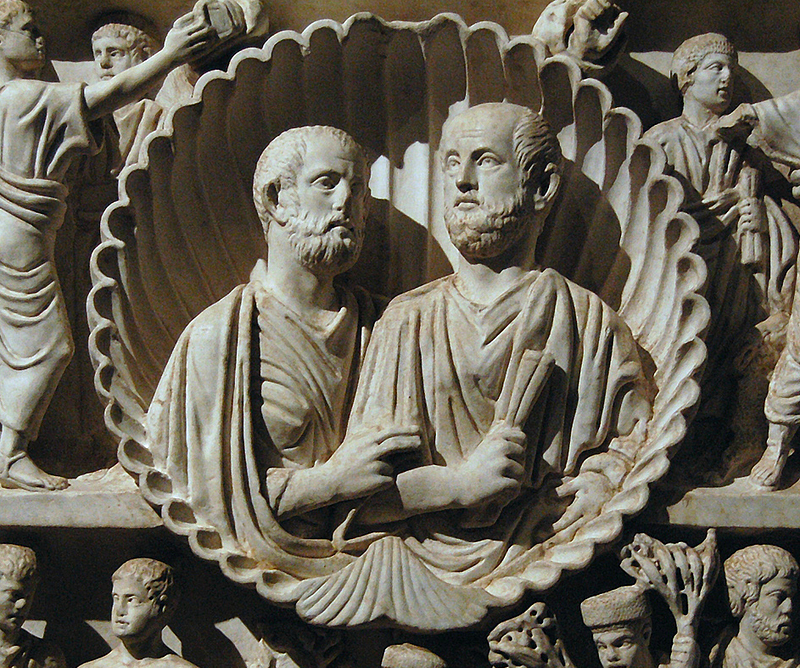
Christian sarcophagi prove so interesting?
They were buried in catacombs for over a millennia, and got dug up, and put in museums. They’re fascinating works of art, often decorated with biblical scenes—portraits of how Christianity “saw” its stories.
And they were decorated with portraits of the people buried in them, typically married couples. I’m catching a lecture by Ally Kateusz, a specialist in early Christian art, which has the unexpected title: “Same-Sex Marriage in Early Christian Sarcophagi.”
Notice how the male-female couples get presented.
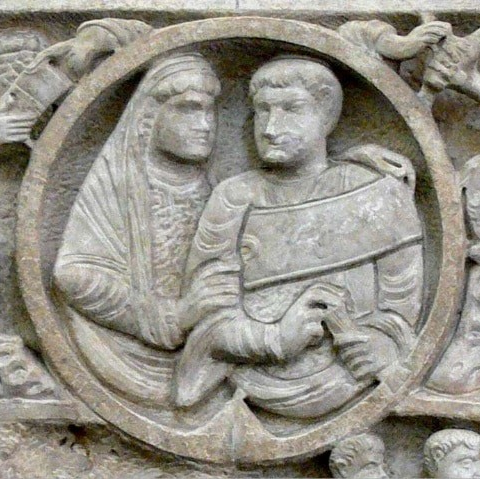
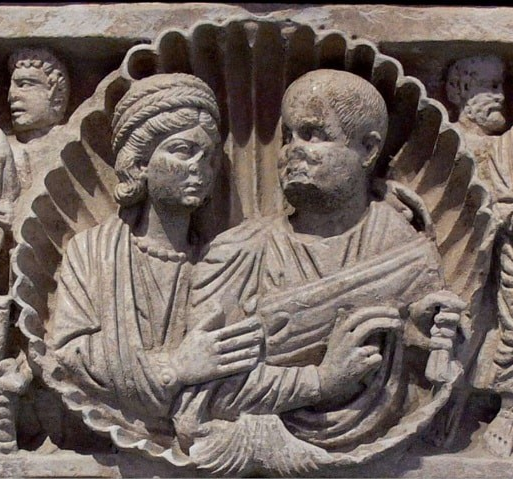
Then there’s one with a twist…
The sarcophagus known as ‘The Sarcophagus of Two Brothers’, dated to 325 A.D., is in the Vatican’s museum. The Catholic curators added a note that the men were “possibly brothers.”
Not so fast, Kateusz says. The posing is the same. The wifely hand on the arm doesn’t look all that brotherly. These two men seem spousal.
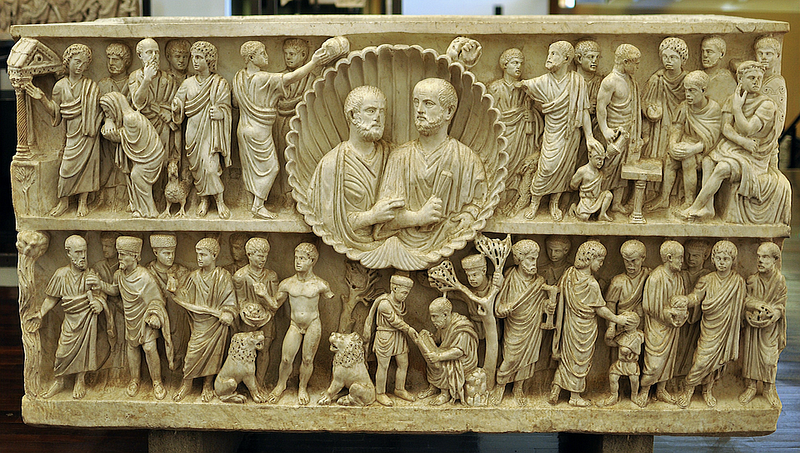
“Catacomb sarcophagi of married couples tell a different story than what we have been taught,” she explains. “Here we see a Christian couple portrayed in the same pose as other Christian couples. This was holy marriage in early Christianity.”
Looking back, Christianity was given a good solid warning to do better.
Indeed, John Boswell might be viewed as a prophet—if that means someone who comes along to try and remind a religion that they have to change.
Back in 1994, he was the famed Christian scholar at Yale University, and he published Same-Sex Unions in Pre-Modern Europe. As he was dying of AIDS, he’d assembled a set of provocative suggestions that Christianity had, for centuries, done a form of ‘gay marriage’ under the semi-official cover of a ‘brotherhood’ ceremony .
As usual, people don’t listen to prophets. His book was largely discounted. He’d been confused, Christians said, or just too eager to prove the case he was trying to make.
In the following years, scholars started to think Boswell was onto something.
Many books and papers started to trace a Christian history of something that looked real close to ‘gay marriage’. In 2004, the gay scholar Alan Bray published The Friend, begun after he noticed the chapel of Christ’s College at Cambridge had a tomb in which two men were buried together. Their bond had been clerically sanctioned.
The Russian Orthodox church, from the 11th to the 17th centuries, had a liturgical rite called bratotvorenie which united two men as ‘brothers’. The saints Sergius and Bacchus were the great example. Boswell had discussed them.
In a 2017 study, Nick Mayhew notes: “Orthodox Russian scholars confirmed the absurdity of his suggestion, and that was that.” But the rite, Mayhew finds, “was associated culturally with marriage.”
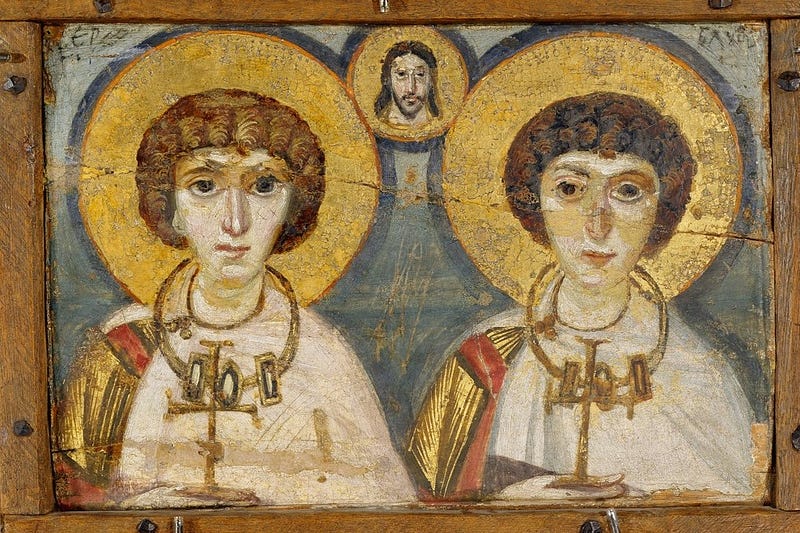
There was a similar practice in France.
Allan Tulchin had read Boswell’s Same-Sex Unions in Pre-Modern Europe as a graduate student, and was was reminded of a French practice called affrèrement. Same-sex couples lived together, and were often buried together.
In 2007, Tulchin published a paper on the subject, addressing the vexed question of whether these ‘brotherly’ relationships were sexual. Maybe, maybe not? For some reason it just wasn’t publicly discussed.
He writes: “They loved each other, and the community accepted that.”
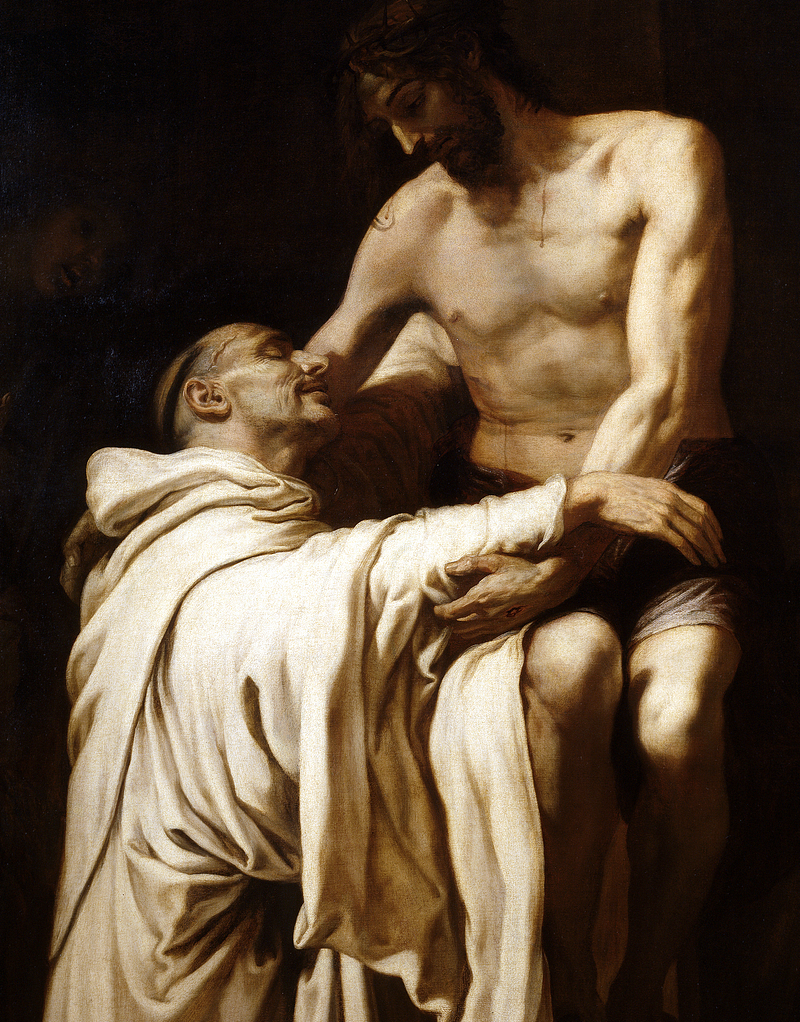
Many Christian heroes had their ‘gay marriages’ excavated.
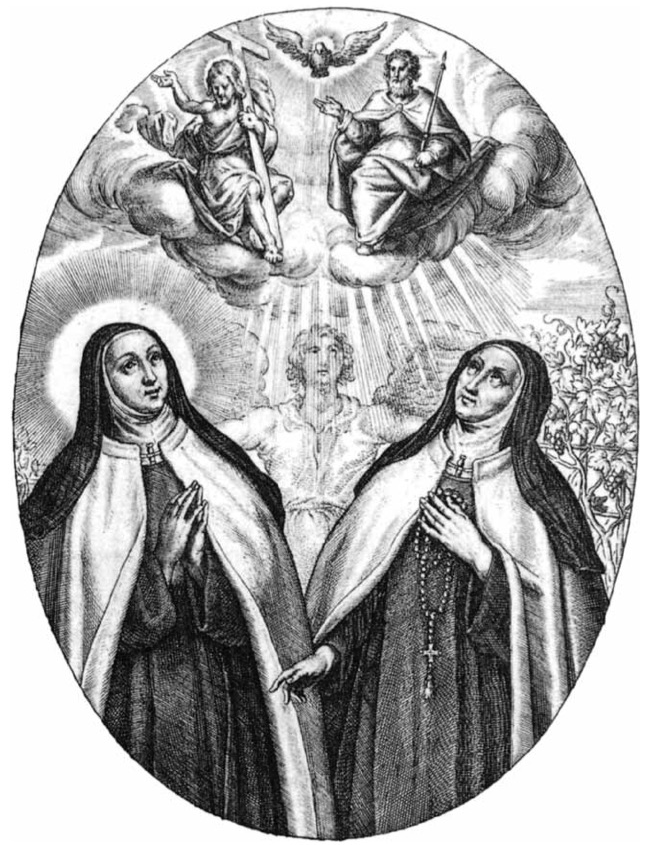
The Catholic superstar saint Teresa of Ávila was essentially married to a fellow nun, Ana de San Bartolomé, as Sherry Velasco documents in her 2011 book, Lesbians in Early Modern Spain. People at the time noted their “unbreakable bond of love, so much so that you wouldn’t see one without the other.”
The two women lived in the same chamber, though nuns were not allowed such liberties. It’s so ‘queer’ to go breaking those rules.
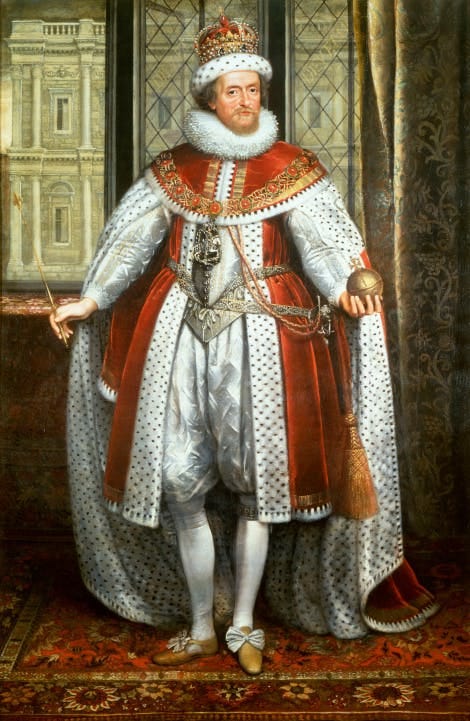
King James I is one of the most famous names in Protestant history, the Christian patron of the King James Bible! He had a female spouse, and about three male ones too.
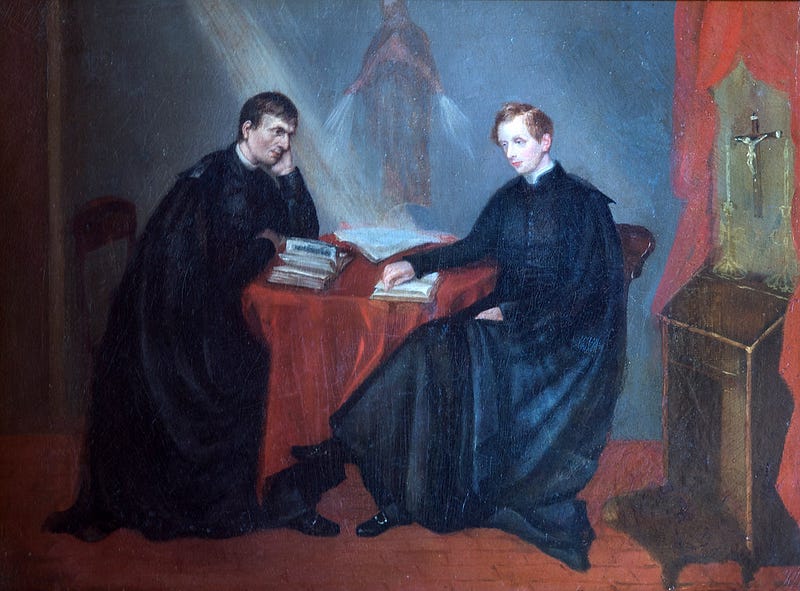
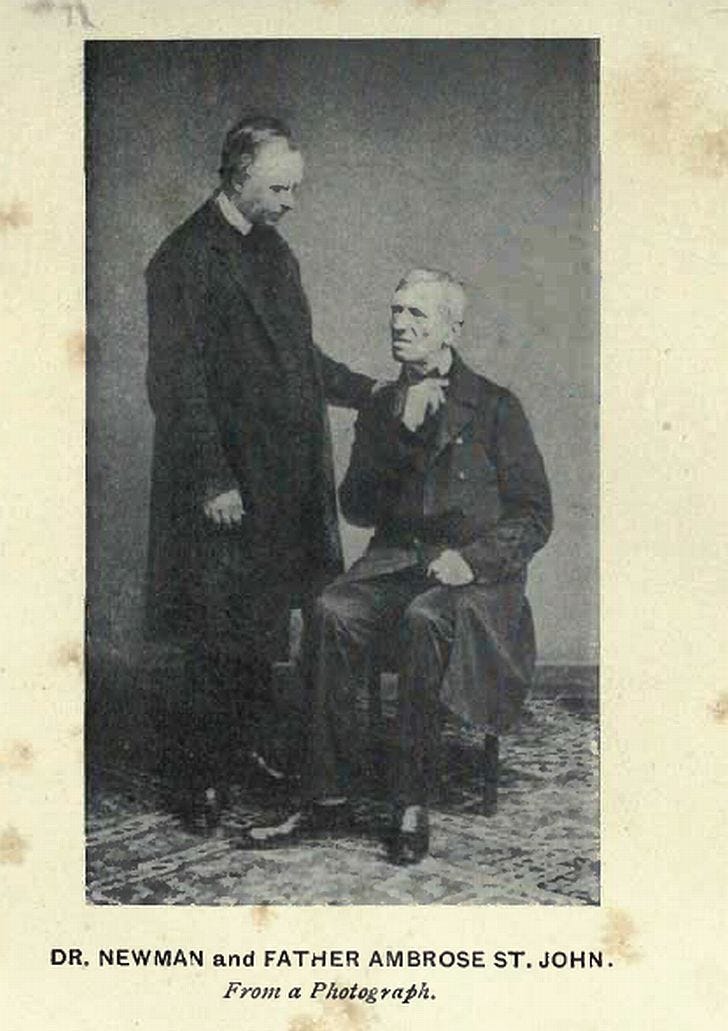
John Henry Newman, recently made a saint of the Catholic tradition, had a life partner in Ambrose St. John, whom he calls “my earthly light.” They lived together and were buried together.
There were strange stories that turned out to be true.
In 1578, the French philosopher Montaigne noted that he’d been in Italy, and heard talk of…gay marriages?
“They married one another, male to male, at Mass, with the same ceremonies with which we perform our marriages…”
Over the years, the report was dismissed as false. In a 2020 study, Giuseppe Marcocci found proof of the story. The official church hadn’t permitted ‘same-sex unions’, but a group of Christian men had staged some in a protest of official teachings.
They were hanged in the center of Rome, their bodies burned.
What that suggests is ‘gay marriage’ is not at all a modern idea. As in 20th or 21st century America, in Renaissance Italy there were popular calls for it, as there were clerics willing to get nasty.
What was going on with the Moravians?
The founder, Nicolaus Zinzendorf, was surmised to be closeted, and the whole denomination was something of a queer haven, as Paul Peucker finds in a 2006 study. As a Moravian woman said:
“…this sin and bedazzlement by the Devil among women is not so rare.”
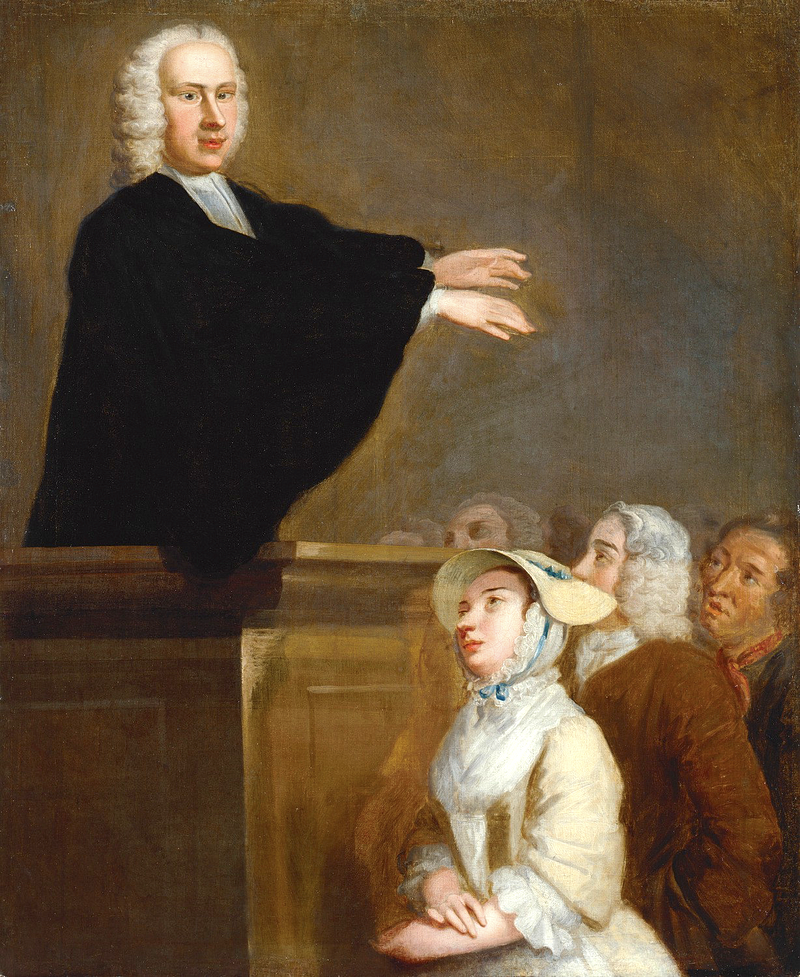
More Christian heroes were popping out of the closet they’d lived in. There’s George Whitefield, the Protestant hero of early America, whose sexuality was tracked in a 2017 paper by Glen O’Brien. Whitefield’s marriage to a woman was clearly a public fiction.
And those are ‘gay marriages’ too, I guess—forced on people by a religion that cared more about its rules than people’s lives.
And how about those ‘gay marriages’ in the Biblical period?
I’m reading a 2020 paper by Gergő Gellérfi, detailing references to same-sex weddings in ancient Rome. Bisexuality was the norm, but it would be slaves who’d be the ‘feminine’ role. And yet some free men were pursuing marital relationships. Not legally enforced, they seem to have been heartfelt.
And this is the world of the New Testament!—scenes that Jesus and the gang would see. Gay marriage can be discussed in the context of the Bible. It is not “anachronistic.”
The New Testament itself had them!
Like that weird little book called Philemon, near the end of the New Testament, concerns an erotic relationship between two men. A Roman man seems to have developed feelings for his sex slave, and sends him away. Paul sends Onesimus back, with a blessing:
“that you might have him back for ever…as a beloved brother…”
Christianity was blind to its sweetest stories, and to the lives of its own people. Maybe, going forward, it can begin to see. 🔶


