
Cybersecurity and Privacy
ChatGPT Might Be Allowed in Italy with Specific Conditions
Time will show what will happen.
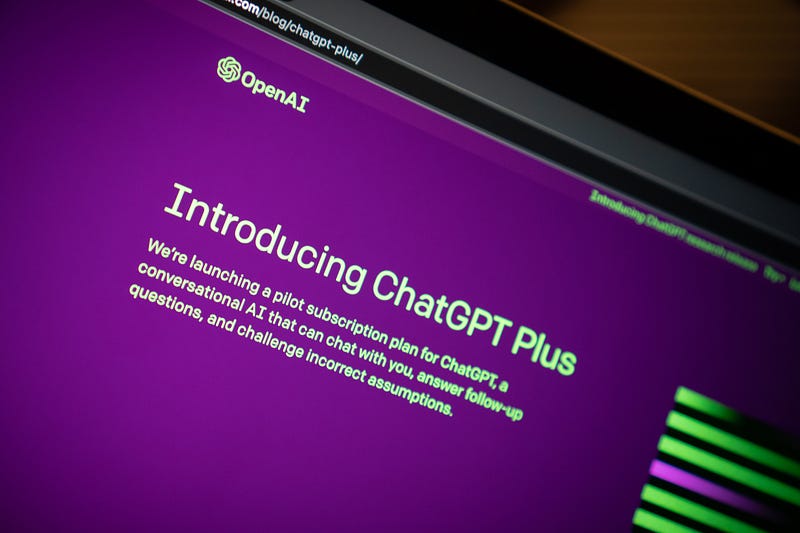
In a previous article, I mentioned that ChatGPT Has Reportedly Been Banned in Italy. This created some positive and negative feelings for different people.
Some people are happy, and some are not. Many Italians might want it back, providing their privacy is maintained.
In this post, I’d like to share some updates on the possible return of ChatGPT in Italy. My inspiration for this post came from an article I read. You can read that here.
What’s Happening With ChatGPT In Italy?
OpenAI’s ChatGPT chatbot could potentially be allowed to return to Italy, but only if OpenAI complies with the privacy rules outlined by the Italian data protection authority, Garante. According to the Associated Press, Garante had imposed a temporary ban on the software over concerns about privacy.
On Wednesday, the Italian data protection authority outlined a list of requirements that OpenAI would need to satisfy by April 30th in order to have the ban lifted. Garante had ordered OpenAI to temporarily stop processing the personal information of Italian users while it investigated a possible data breach.
Garante emphasized that it did not want to hinder the development of AI but stressed the importance of adhering to the strict data privacy rules of the European Union.
OpenAI responded to the news positively, stating, “We are happy that the Italian Garante is reconsidering their decision, and we look forward to working with them to make ChatGPT available to our customers in Italy again soon.”
As part of Italy’s requirements, OpenAI will need to provide information on its website regarding how and why it processes the personal information of both users and non-users and provide the option to correct or delete that data.
According to the watchdog, the company will also have to rely on consent or “legitimate interest” to use personal data to train ChatGPT’s algorithms.
Garante had questioned whether there was a legal basis for OpenAI to collect massive amounts of data used to teach ChatGPT’s algorithms and raised concerns that the system could generate false information about individuals at times.
OpenAI will also be required to carry out a publicity campaign by May 15th through radio and TV, newspapers, and the internet to inform people how it uses its personal data for training algorithms.
In addition, there will be a requirement to verify users’ ages and set up a system to filter out those under 13 and teens between 13 and 18 who do not have parental consent.
It is clear that Garante takes data privacy very seriously and wants to ensure that the European Union’s strict data privacy rules are followed. OpenAI will need to carefully consider these requirements and ensure that it complies with them if it wants ChatGPT to be available to customers in Italy once again.
While this may seem like a burden for OpenAI, it is essential to remember that data privacy is a fundamental right and must be protected at all costs.
Privacy is a genuine concern related to technology and AI tools like ChatGPT. I documented my perspectives in the following article.
Online privacy also includes the collection and use of data by companies and other organizations, like search engines, social media platforms, and advertisers.
They can include tracking user activity and collecting data on preferences and behaviors. Besides, online privacy can refer to the security of personal data stored on devices, networks, or cloud services, protecting it from unauthorized access, theft, or misuse.
Maintaining online privacy is essential for protecting our personal safety, financial security, reputation, autonomy, and civil liberties. Understanding and controlling the information shared online can protect us from potential harm and preserve our privacy.
Final Words
The Italian government has been focused on data protection and privacy issues in recent years, with the introduction of the General Data Protection Regulation (GDPR) in 2018 and the establishment of the Garante Privacy as the country’s independent data protection authority.
The Garante Privacy’s action against ChatGPT is part of this broader effort to protect the privacy rights of Italian citizens and ensure that companies operating in Italy comply with data protection laws.
The watchdog found that ChatGPT did not comply with Italy’s data protection laws, which require explicit consent from individuals to collect and process their personal data.
Privacy is a real concern related to technology and AI tools like ChatGPT. We need to protect our privacy to prevent cyberattacks. These attacks can cause identity theft, financial loss, and reputation loss of business people.
If you enjoy my posts and would like to stay updated on the latest gaming-related news, technology advancements, design trends, and social media insights, I invite you to follow my profile.
I will continue to share my thoughts and insights on a wide range of topics in the world of entertainment and technology.
With that being said, thank you for reading my post, and have a good one.
About Me
I write articles in my field covering gaming, film-making, social media, and design. I am also a YouTuber. Thank you for subscribing to my account to get notifications when I post on Medium. I also created a new website to share my content for free and promote stories of writers contributing to my publications on Medium. Let’s connect on Twitter and LinkedIn.
I own two publications on Medium. One for video gamers and another for YouTubers and Podcasters. I also support Illumination Integrated Publications as a volunteer editor and participate in collaborative activities in the Slack Workspace. Writer applications for my publications can be sent via this weblink. Please add your Medium ID.
If you are new to Medium, you may join via my referral link. You may also consider being a Vocal+ member to monetize your content. I write for both platforms and repurpose my content to reach a larger audience. Here is more information about Vocal Media.
This post includes my Medium and Vocal Media referral links.