
Data-Driven Architecture 2030
Can Buildings Be Recycled?
The look at the question of commercial buildings
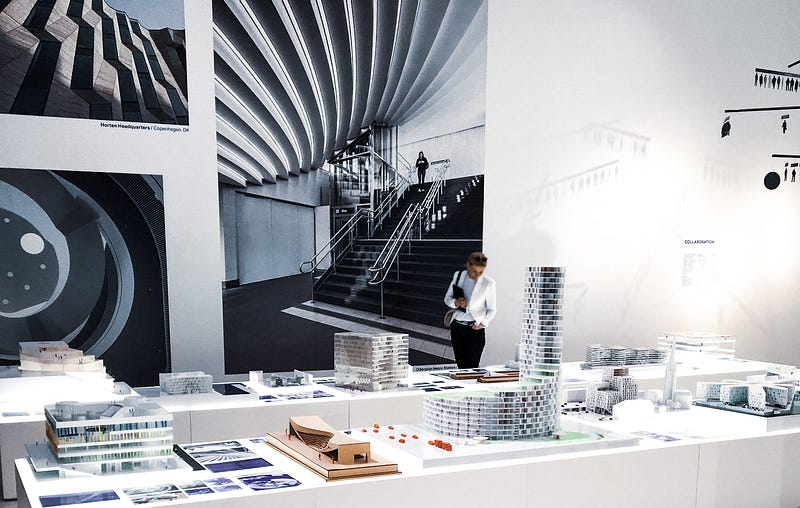
Since the industrial revolution, humans have been reaching for more cheap, easy-to-produce materials to keep up with the population. Unfortunately, many of these materials are harmful at high consumption levels, often resulting in a loss of pure natural environments — so how can this be avoided?
The answer is Data-Driven architecture; here, we seek out architects who consider esthetics and environmentalist values. This means that old buildings must be replaced with new ones made from recycled materials. Unfortunately, many old buildings are being demolished to make room for something new, but this is a waste of resources if these resources can be used for something else.
Now that data is ubiquitous and reaches into most aspects of life and business. So it’s time to build a sustainable economy. Why? Because you can find out everything that needs to be done from the information contained in the data — and then do it. But we’re still looking at old-fashioned buildings and thinking about how we will adapt them for new uses. Instead, we should use structures for activities that benefit the community and not just commercial purposes — like shopping.
“Maybe it’s because of the spirit of the age, maybe we wanted to shout against this loveless age, but some people have to get up and say what they want. “It’s not just a home affair. This is a global problem. The problems that bother us all go beyond the limits. This period will not be easy, and in the present situation, there will be many disruptions in the future. Perhaps we are already seeing this kind of development.
The global economy collapsed in the first half of 2028, accompanied by a massive wave of retail chain failures. Most people on earth have stopped wanting to go shopping without getting into trouble. Their children have never visited any store in physical reality in their lifetime. Only the historic city centers have retained the small shops as museums. In fact, until 2028, the decline had been evident for many years.
This article describes only a tiny part of the new 2030 architecture reality; Autonomous stores have become a temporary trend. All retail spaces have lost their function. Trade has finally moved to the internet. Couriers replaced sellers. Commercial architecture has become another historical period in the development of architecture. The same goes for office buildings. The only economically viable direction in architecture development is to satisfy the need to shelter billions of people without endangering the environment for a catastrophe.
The most pressing problems the world has to solve are energy, food, water, and housing. This is what architecture and urban planning should focus on. We must provide people with an environment in which they can live sustainably. The solution is to create living environments that use new technologies and resources. Is it possible that commercial buildings from the past have been used for other purposes? After all, we have many such facilities at our disposal.
It is difficult for people to judge the value of the structure. It’s nice to say art shouldn’t be used for commercial purposes, but what about the building itself? The whole structure can become valuable, and then you have to consider whether it is worth saving. A building can be helpful if it can be “recycled” somehow. This is where the data comes into play.
How to solve the problem of converting existing commercial buildings to the community’s needs? This question is best answered by data collected over the past 20 years. All information about the production, transport, and distribution is in one place and can be used for any purpose. The fact that a building has been used for commercial purposes during its lifetime does not necessarily mean that it cannot be reused.
However, we need a new architecture that allows us to use buildings from different eras as intended. A building can only become valuable if it is used for something new. To understand what this architecture is, we need to think about shops and structures that have been built in recent decades. These buildings are made of concrete, steel, and glass; they are functional but not very beautiful.
Therefore, we need a new type of architecture that reflects people’s inner values. Such a construction could only be made with the help of information technology. Architecture should preserve the historical importance of buildings and adapt them to new uses.
We must understand that all existing buildings are historic and valuable because they are made of the best materials of their time. The facilities are designed to last for a long time. Does this mean that the building itself has no value? In many cities, we see old buildings being demolished or abandoned.
“Time for a paradigm shift in architecture. Aesthetics — yes, but not at the expense of the environment. Any material used should be cataloged and available for reuse”. Dariusz Gross #DATAsculptor
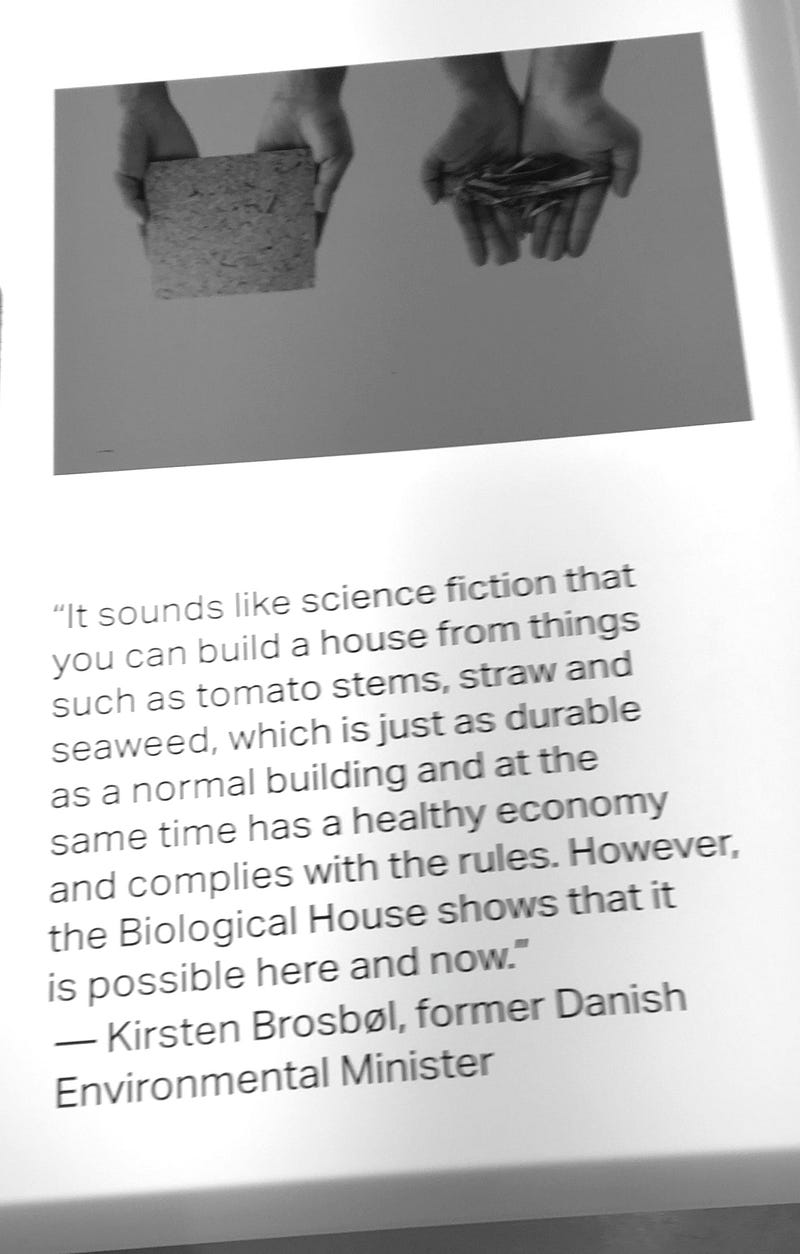
The problem is that we cannot predict what the building will be used for in the future and whether it will have any value. There was no data in the past, and it was not easy to understand what would happen in the future. Today’s buildings and structures are made of modern materials that are safe for the environment. Do these buildings become less valuable after they are constructed?
A building or structure can only remain valuable if its materials can be used in the future.
In conclusion, we need to learn from the past and find ways to reuse buildings for more than one purpose. In addition, we need to find new ways to build houses and structures that do not endanger the environment. Finally, architecture must be sustainable to provide more housing for billions of people on this planet.
The whole article is part of the Data-Driven Fiction project; the data used was generated for the article’s purpose. Therefore, the story is fiction and is not related to actual facts and real persons.
I am an Art Curator, founder at EvArtology, and ML consultant at MLearning.ai. I advise companies and institutions in the creative industries on using AI tools in their daily work. Human collaboration with ML models can be very creative and bring huge benefits. The new era begins now.


