
machine learning solutions
Greenwashing in Architecture
Architects are responsible for 38% of CO2 emissions
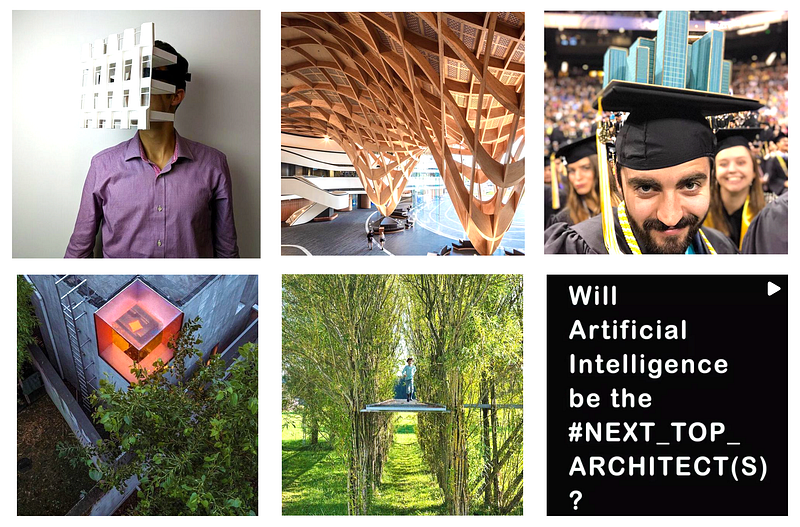
OK, time for a confession. I’m not perfect. I know that if you are reading this post, you are either an architect yourself or taking architecture classes, in which case your professor may be grading your papers on sustainability. So forgive me if, at the same time as I praise all the essential work that architects are doing, I also make a small confession to reflect on the effects of an architect’s work. It’s easy to build guilt-free buildings as no one has solved this problem before!
There’s no denying the fact that climate change is one of the most pressing issues of our time. One of the main issues for climate change is the architecture of the buildings we live, work, and play in.
Architects are responsible for the climate crisis. They have to take a stand and create a sustainable future for generations to come.
Unfortunately, architects are not leading the charge.
Ten years ago, I created a global community of #next_top_architects who want to change the face of architecture in the future; there were 500,000 posts with the hashtag #next_top_architects on Instagram only. My observations in social media and at many architectural biennials and exhibitions lead me to the unpleasant conclusion that architects pursuing technological solutions contributed to the climate catastrophe. I know this is a very drastic conclusion, but let me give you just one of the many examples available. The example concerns only an architectural detail; it is not a construction of a vast building.
How did architects impact climate change? Is it appropriate to use a material that causes irreparable havoc to the planet?
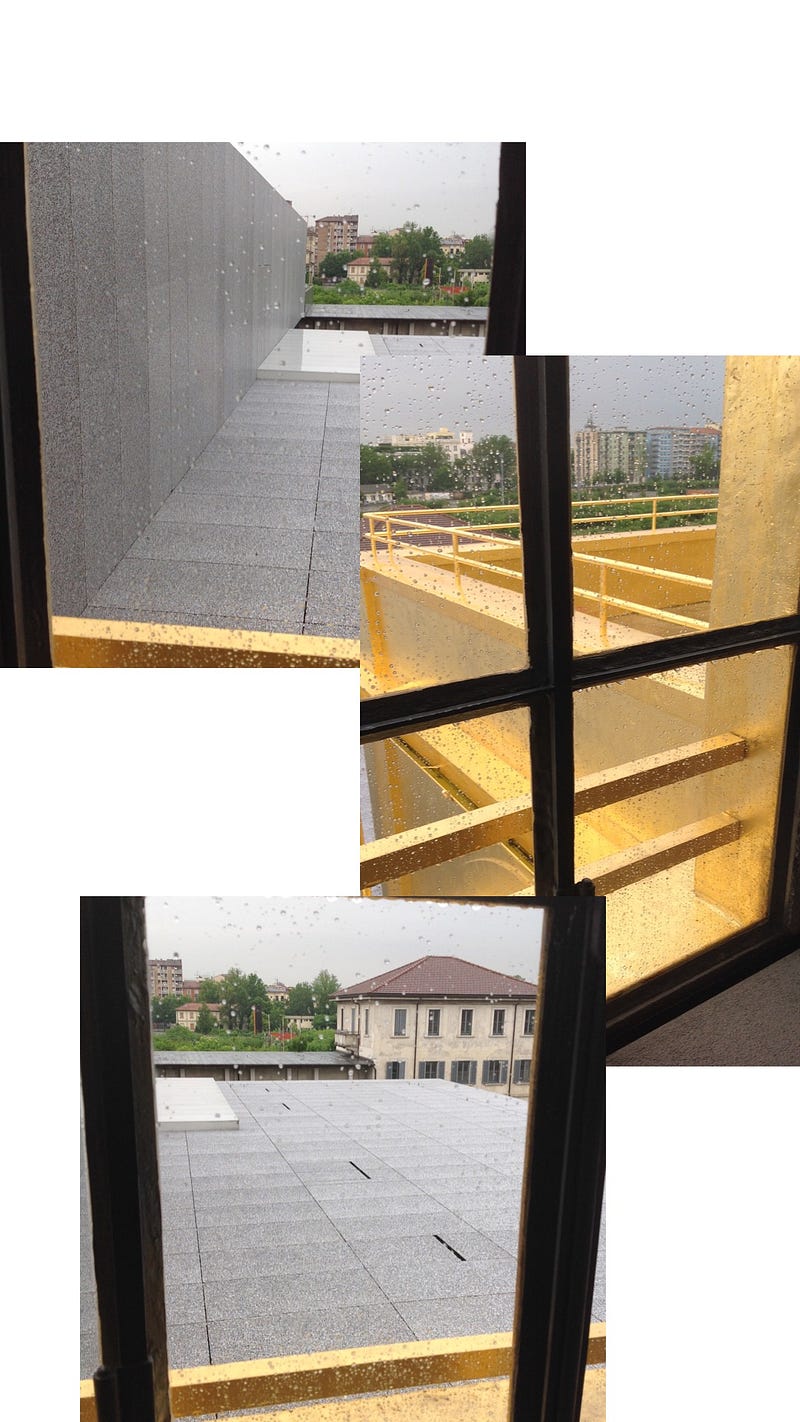
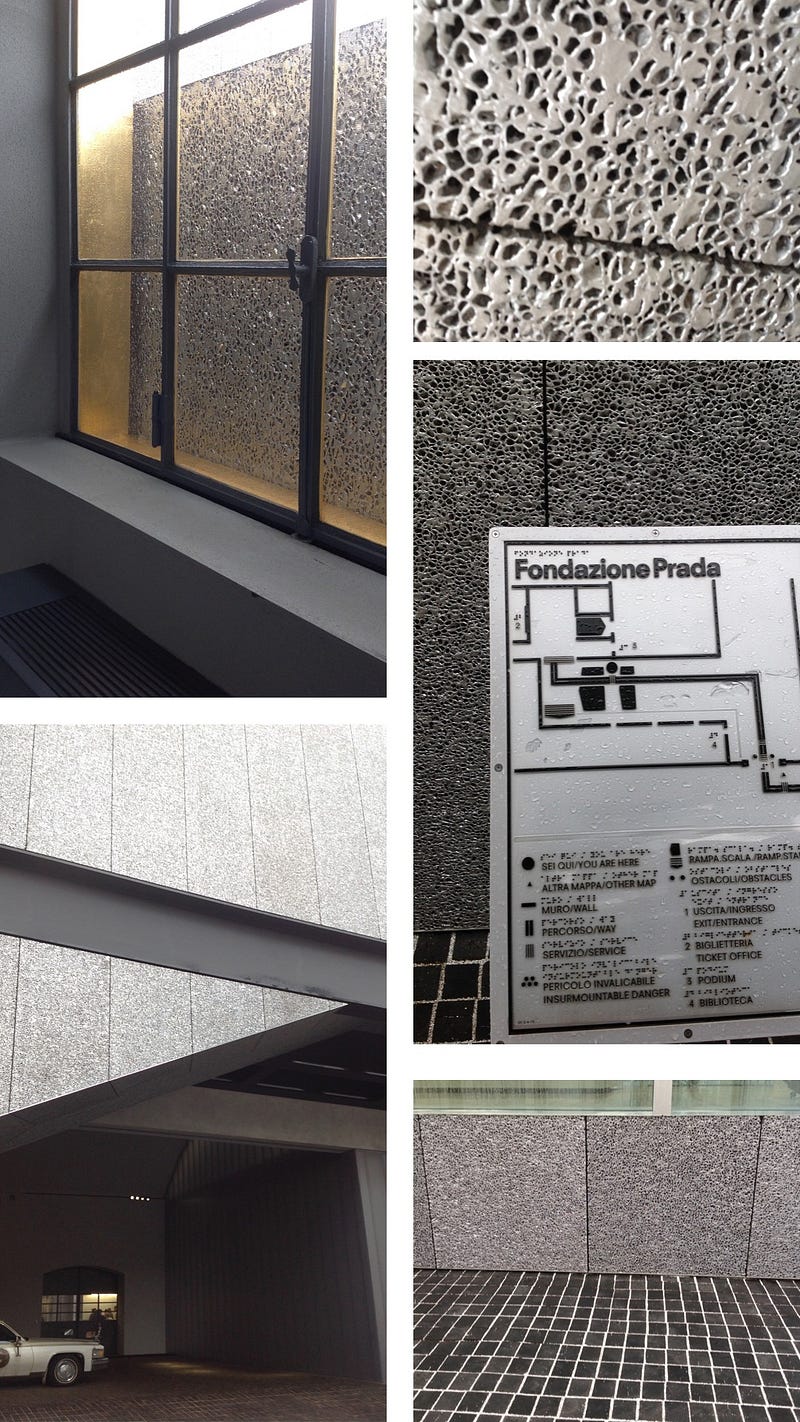
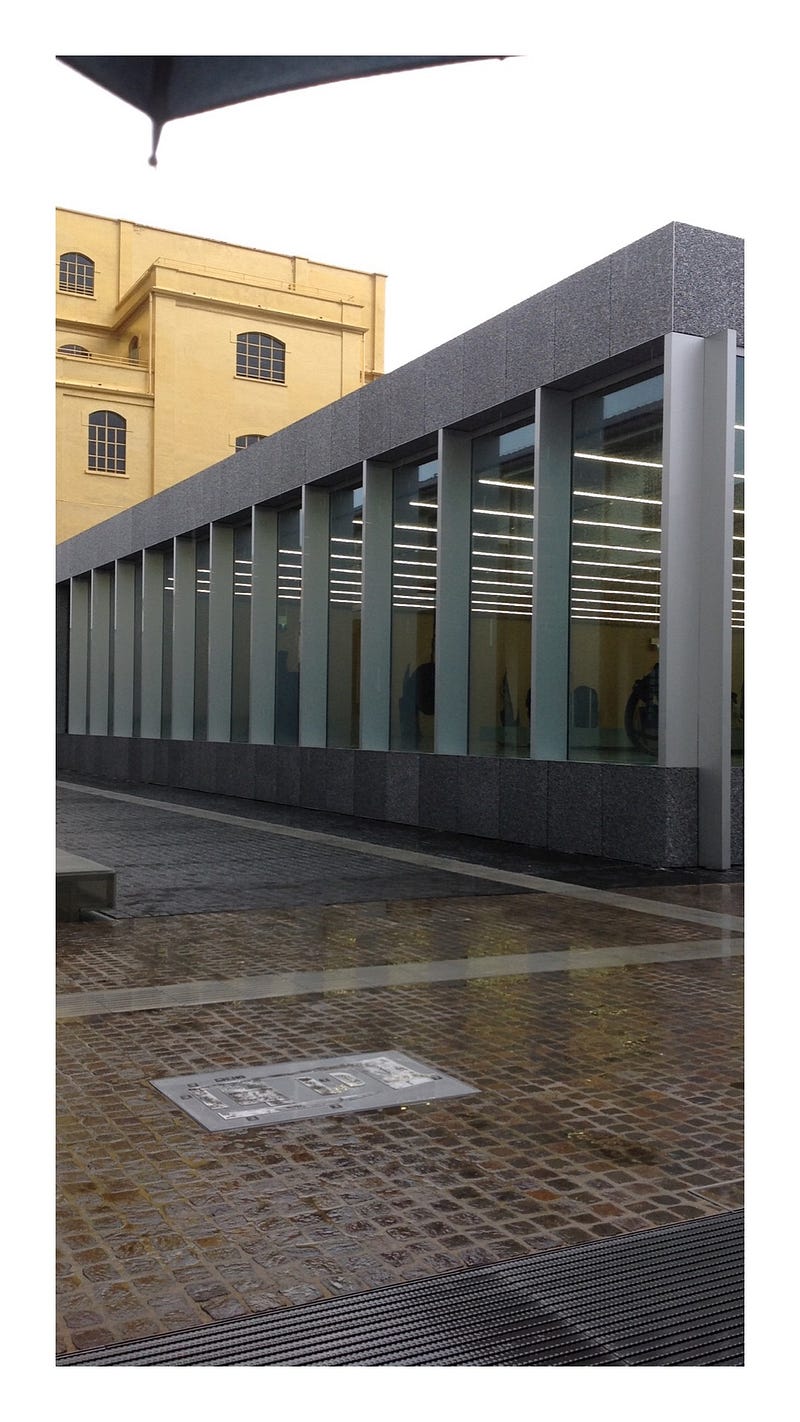
Rem Koolhaas (Pritzker Prize -awarded architect) had an early vision of aluminum foam in the Fondazione PRADA project. The Fondazione Prada Museum in Milan, Italy, is an ample space that hosts various cultural events. The building currently consists of over 6,800 square meters of aluminum foam. It also has walls, ceilings, and roofs made of aluminum. The estimated amount of aluminum material used in the renovation of the building is approximately 60 tons of aluminum. Therefore, it takes 17,000 kWh to produce 1 ton of aluminum. The carbon footprint of 1 ton of aluminum is 20 tons of CO2; the water footprint is about 1 million liters of gray water. I mention here only a tiny part of the whole building — the cladding, which has no function apart from decorative value, perhaps apart from acoustic.
The text in the prospects that something is recycled in 100% is greenwashing. The energy used was consumed and came mainly from coal. This has already turned into CO2.
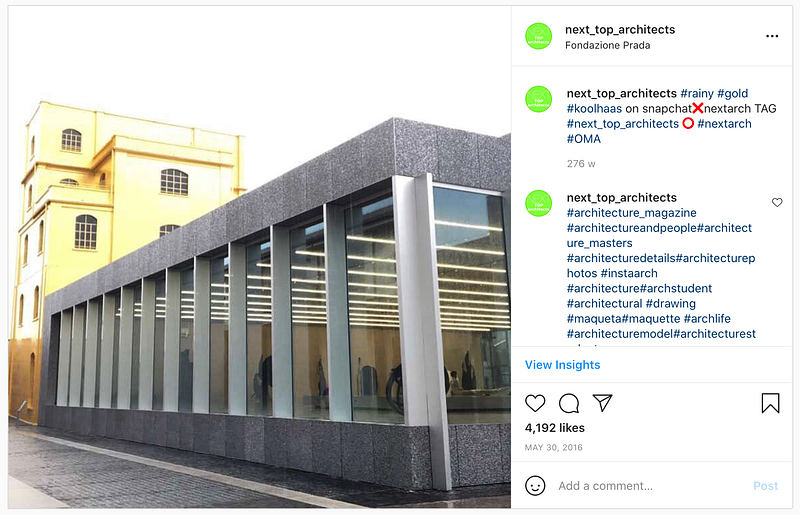
I bring up this humble example of a tiny grain of sand in the desert to make you realize how much energy consumption depends on the choices architects make. Architects are compensated according to their investment budget. Material consumption is the foundation of modern architecture. Every architect who builds today is responsible for thousands of tons of CO2 consumed in the production of building materials.
How will machine learning change contemporary architecture?
My suggestion for #next_top_architects is a salary depending on material savings.
#next_ai_architects thanks to the use of machine learning tools, they can build with the help of technology that is not only greenwashing. A technology-based on respecting each material used in the construction can be a solution. It is carbon/water footprint and any other that humans have not yet noticed need to be declared. The complexity of this task is only possible with the use of machine learning. No previous design methods take into account the effects associated with the construction process itself. We focused on the use of buildings, forgetting that the materials used are a massive cost for nature. No recycling will restore the ecosystem destroyed forever. Machine learning solutions can change that. The materials used in construction are limited resources. A machine learning solution can predict the strength of demand for these materials. It is also possible to predict what will happen to the prices of these materials, which is very important for sustainable development. This is just one application among many
The architecture of the future must be sustainable. Verification should be the key to 21st-century architecture. Proof of durability should follow the proof of concept.
Why is the future of architecture important?
Architects (Construction industry) are responsible for 38% of CO2 emissions. They need to take a stand and create a sustainable future for future generations. When building buildings, pay attention to efficiency, not only aesthetic values. Think of the people who will live there in 2–3 decades, not only for themselves. Think about people in 2050! When designing a building, think about how it will function. If you are building now, you are helping yourself in the future! Use materials whose use is sustainable.
Contemporary architecture does not meet utility needs, it is a business, and the construction is greenwashing.
#next_AI_architects want to build according to their conscience — time for a change!
The built environment’s role in climate change should be taken into account. We need to start living in harmony with nature today. The architecture of the future must be sustainable! The built environment has a significant impact on the health of the planet. Environmentalism is not just about nature conservation but also about preserving people’s lives and ensuring good quality of life.
I invite you to discuss and subscribe to my following articles; I will demonstrate machine learning solutions that will change the face of architecture.
I know that the arguments in this article are provocative, but if you have a better idea for how to solve the problem, share it.
I’m curious about your opinion
- Check out my instagram with new material every week
- If you enjoyed this, follow me on Medium for more
- Want to collaborate? Let’s connect on LinkedIn
- https://linktr.ee/datasculptor
- 3D Machine Learning generated model on sketchfab


