
Queen was interviewed on May 1, 2021
Zaha Hadid , the architecture of the next century
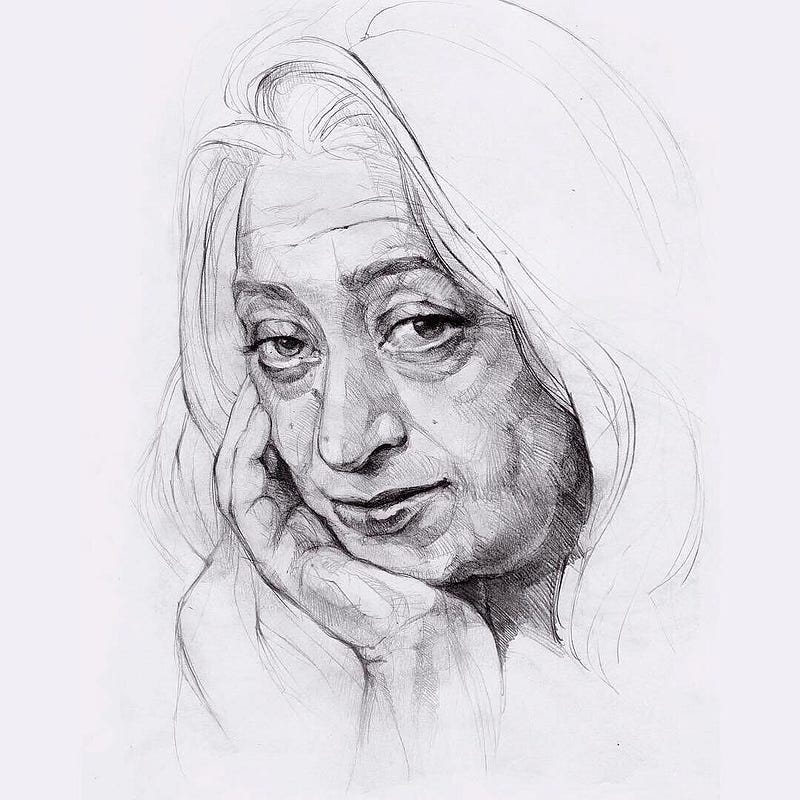
5 years after her death, NTA #next_top_architects interviewed Dame Zaha Hadid
NTA: What will be the architecture of the third decade of the 21st century?
Zaha Hadid: We already started it. I think, is about to conclude the next decade, as an experimental decade. And the next decade will be a very different decade. the continuation of architectural investigations into realm of the digital-physical, where the two realities merge into one architectural experience: the physical and the digital are no longer separate. the continuing technological advancements have an impact on my work; the new digital technology is no longer an addition to the process of design, it is the primary design decision. in the process of design of a building or an object we are now looking at digital technologies as the medium for the design work; in a sense, it is no longer just a means of documentation. the digital technology has been integrated as part of the creative process.
The next decade will be like, the end of a century. I think that the next decade will be the start of a new century. The architecture of the next decade will be completely different from the architecture of the previous decades.
NTA: How will it be different?
Zaha Hadid: The way humanity is evolving, the way we live, the way we think, the way we relate to one another, the way we relate to the earth is changing.
The way we relate to the environment is changing.
The way we construct, the way we construct buildings, the way we construct cities, the way we construct habitats is changing.
NTA: It sounds like the beginning of a new era.
Zaha Hadid: Yes, of course.
NTA: And what are the key characteristics of the new era?
Zaha Hadid: Well, I think, we still need a new language. We need to invent a new language. I think it’s the only thing we can do now.
Because we are living in a global world, and there is so much information coming at us, we need to invent a new language that’s going to allow us to stay on the edge.
NTA: What is the architecture of our time?
Zaha Hadid: It’s the architecture of the people. It’s the architecture of the general public. It’s not the architecture of the 1%. It’s the architecture of the 99%. It’s the architecture of the people.
NTA: Are you saying that the architecture of the next decade will be more democratic?
Zaha Hadid: I think the architecture of the next decade will be very democratic. I think that the architecture of the next decade will be more aligned with the general public.
NTA: So we’re going to see more democratic architecture?
Zaha Hadid: Yes, I think so.
NTA: But what about the architecture of the corporate world?
Zaha Hadid: The architecture of the corporate world, I don’t know. I’m not working for the corporate world.
NTA: But you are still working as an architect.
Zaha Hadid: I’m still working as an architect.
Publication of the next parts of the interview with Zaha Hadid soon
Queen Zaha Hadid, 1950- 2016, Iraqi-born British architect known for her radical designs. In 2004 she became the first woman to be awarded the Pritzker Architecture Prize. Queen of the curve Zaha Hadid has died at the age of sixty-five from a heart attack
Zaha Hadid has been commissioned to design buildings around the world, and she’s the first woman to win the Royal Institute of British Architects’ gold medal.
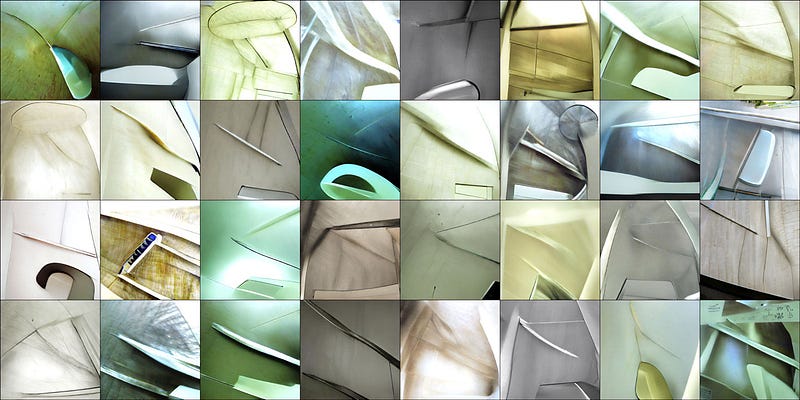
a few examples from the Queen’s architectural achievements
Vitra Fire Station (1991–1993)
One of her first clients was Rolf Fehlbaum the president-director general of the Swiss furniture firm Vitra., In 1993, he invited Hadid to design a small fire station for the factory.
The design of the building was made entirely from raw concrete and glass. Sharp diagonal forms intersect each other in the center, making it a standout sculpture. The construction plans appeared in architecture magazines just before they were built.
Her career started here
Bergisel Ski Jump (1999–2002)
The old ski jump, built in 1926, had been used in the 1964, 1972, and 1976 Winter Olympics. The new structure not only includes a ski jump, but also a cafe with 150 seats offering a 360-degree view of the mountains. Hadid had to innovate and make things happen quickly. She needed to complete the project in a year before the next international competition. “She described the building as “an organic hybrid”, a bridge-like structure that’s also shaped like a tower. The form creates movement and speed.”
Contemporary Arts Center, Cincinnati (1997–2000)
She competed against some of the world’s best-known architects for the design of the Contemporary Arts Center Cincinnati, Ohio. She won, in the process of becoming the first female designer of an art museum in the United States.
Zaragoza Bridge Pavilion (2005–2008)
Between 1997 and 2010 Hadid ventured into the engineers’ domain of bridge construction, a field also occupied by other top architects including Norman Foster Santiago Calatrava . The Zaha who designed and built the Bridge-Pavilion of Zaragoza was responsible for both an exhibition hall and a bridge, created for the Expo 2008. a topic of water development
National Museum of Arts of the 21st Century (MAXXI), Rome, Italy (1998–2010)
The project of the building is very fluid — everything in it seems to be in motion.
The design is intended to generate what Hadid described as “convergence, interference and turbulence”
Guangzhou Opera House (2003–2010)
The architecture of this building is inspired by natural earth forms. It was even called the “two pebbles” at one point because of its round shape.
Dongdaemun Design Plaza, Seoul, Korea (2007–2013)
The concrete, aluminum, steel, and stone in the mushroom-like structure is what makes it float. It’s a floating monument.
Port Authority, Antwerp, Belgium (2016)
A square in Rotterdam was renamed after Zaha Hadid
questions waiting to be answered:
- How Zaha Hadid Designed the next World’s Largest Architecture School
- 3 Types of Architecture Students, Which One Are You?
- What can you do with an architecture degree?
- What is the architecture of the next World’s Largest Architecture School?
- What do you learn in the next World’s Largest Architecture School?
- Why you should visit the next World’s Largest Architecture School
- the next_top_women in architecture ?
- Which famous people studied architecture?
- next_top_practice of architecture
- Who is the best female architect?
- What can you do with an architecture degree?
- architectural & design
- What is the ‘Uber of architecture’? And should you be worried?
- How did Zaha Hadid become famous?
- What should I study at high school if I want to study architecture?
- What makes architecture unique?
- What is the difference between a designer and an architect?
- Why you should visit the next World’s Largest Architecture School
- contemporary architecture form the next World’s Largest Architecture School’s students
- next_top_ space is public spaces?
- next_top_generation of Architects
- next_top_architectural language
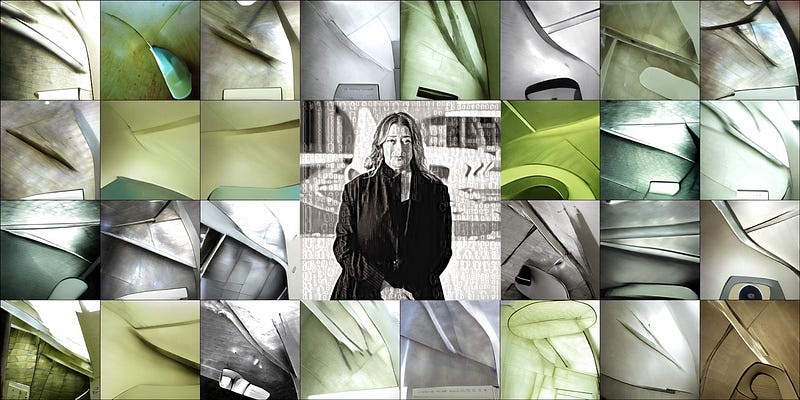
the article is an artistic machine learning project dedicated to the memory of the Queen Zaha Hadid
join us, http://aitools.nexttoparchitects.com/ in order to see this next world,
or become a #next_top_architects member https://nta.nexttoparchitects.com
Thanks for reading this article.
- Check out my instagram with new material every week
- If you enjoyed this, follow me on Medium for more
- Want to collaborate? Let’s connect on LinkedIn
- https://linktr.ee/datasculptor
- 3D Machine Learning generated model on sketchfab


