
Arnold Schwarzenegger and ChatBots
Baby terminator likes to chat
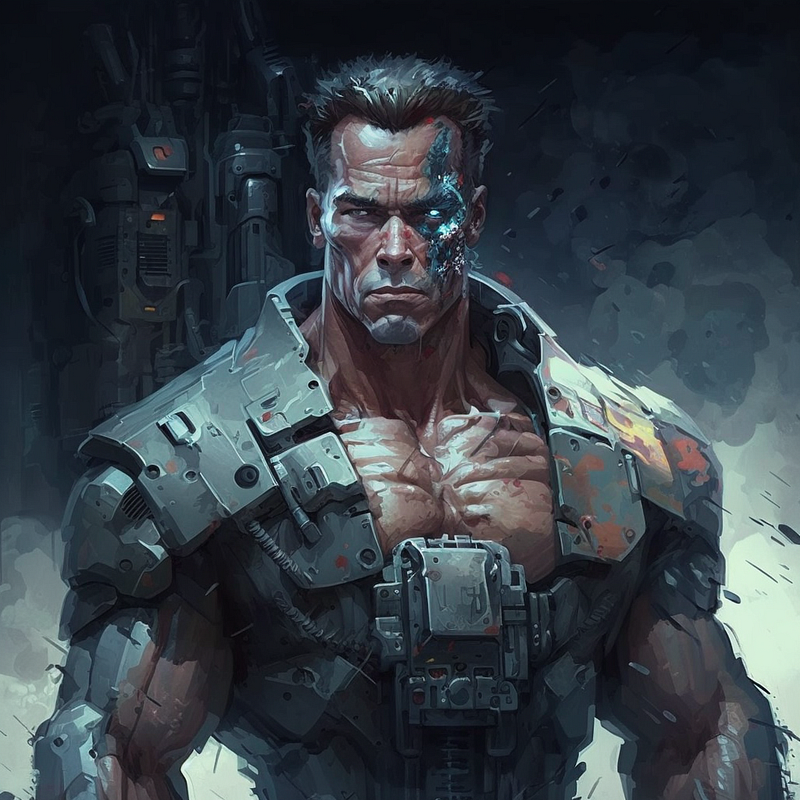
Back before kids and grandmas were on the Internet, back in ancient history, 1984 to be exact, a movie called the Terminator punched the world with humor and violence. The lead character was the Terminator: a machine sent from the future. Arnold Schwarzenegger played that humanoid machine as a man of many muscles and very few words.
The terminator was sent back in time from the year 2029 to terminate a few key people.
This was sci-fi, so anything was possible. And yet the writers did not make the Terminator witty. He had a funny line or two, but no long rap waxing poetic.
Here we are 39 years later and we don’t have killer androids lumbering about, yet, but we do seem to have something like the beginnings of an artificial brain taking shape. A witty one.
The Real Terminator
ChatGPT is our peek at the real terminator. It can already create jokes, poems, fiction stories, news articles, computer programs, and more. And it is super cheap to use; free for most people, pennies for others.
The newest GPT-4 can even describe a picture in words.
You can be sure, this technology will be terminating office jobs near you soon.
Some people comfort themselves in their deep knowledge that the technology of ChatGPT is not structured the way our brain is structured. So what?
Did we have to copy a bird to fly higher, faster, and further than any living creature has flown or ever will?
Why would we have to copy the architecture of a living brain to produce thought as good or better than the best living brains produce? The scary answer, to many, is we may not have to copy anything. Perhaps our living brains are handicapped in ways synthetic creations will not be.
For now, the terminator is passively chatting for giggles. Now will only last a few months. Baby steps.


