
Can You Own What an AI Created?
A monkey started this conversation in 2011
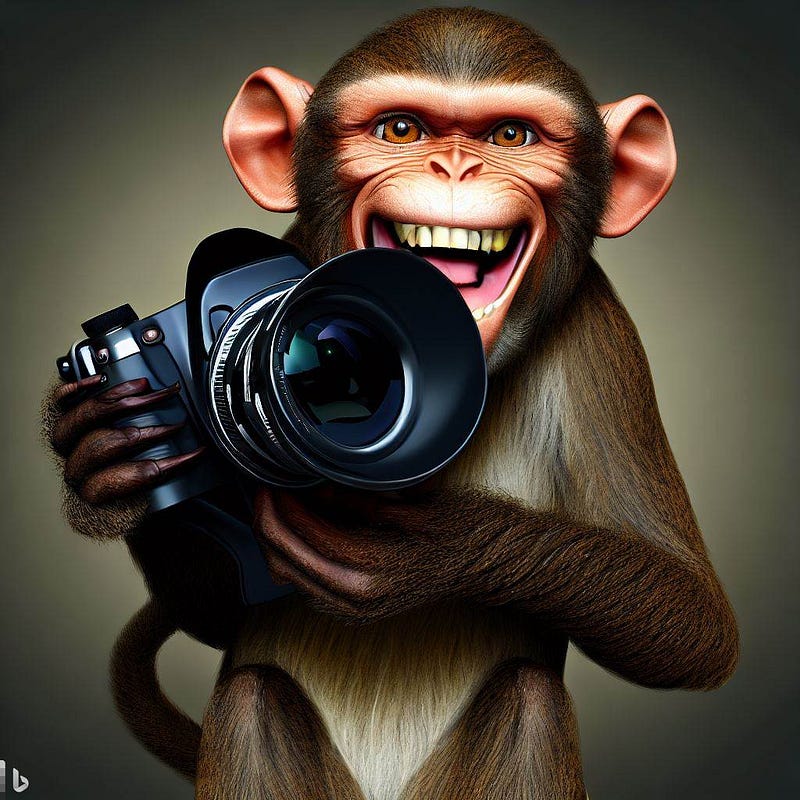
British nature photographer David Slater did not directly take the following picture of a monkey in 2011. The monkey took the selfie using equipment David left in the forest for that purpose.
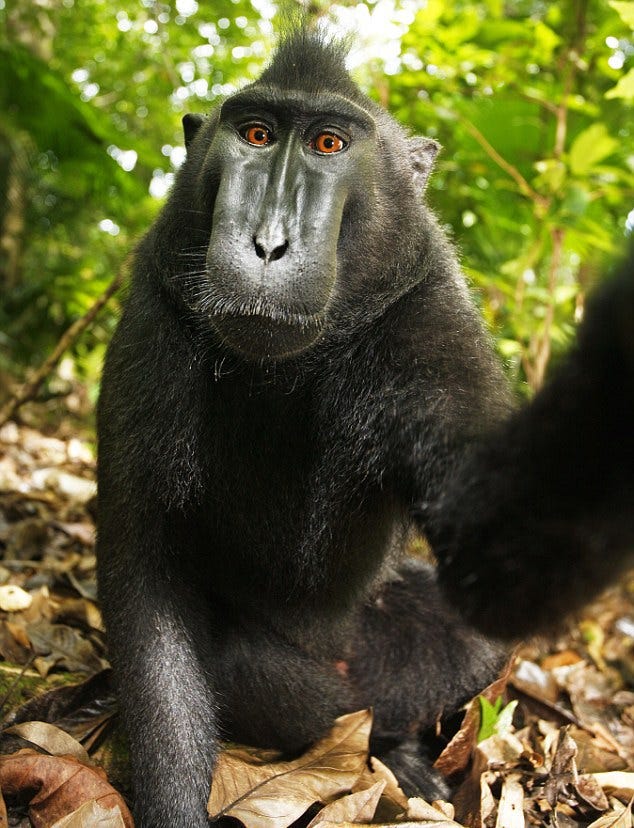
David claimed the copyright in 2011 and that’s when a new kind of ownership question came up:
Can a person own a copyright for something not directly created by a person?
Perhaps not?
In 2014 the United States Copyright Office ruled no. So, the “Monkey Selfie” picture is in the public domain and can be shared without compensating David.
All things created by non-humans are in the public domain by US Copyright rules.
But did the monkey really create the picture? Is this picture truly the creative product of a monkey?
Monkeys and Artificial Intelligence (AI)
The question of how much help a person has in “creating” gets slippery when the creation came from a non-human entity that anyone could conceivably coax to make that thing. In this case, David put a camera in the Forest — in the right place — and waited. Perhaps anyone could have done that.
People have been coaxing Elephants to paint for while, and those works are not copyrightable for the same reason.
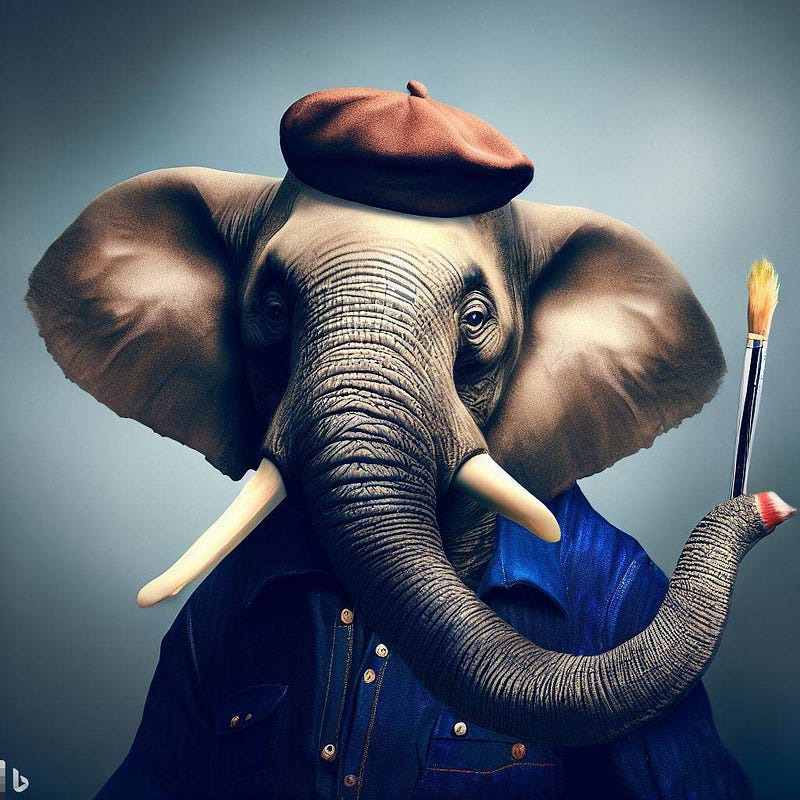
Were the generated pictures in this article created by me because I told the DALL-E Artificial Intelligence (AI) to draw them?
I don’t feel I did much really to create the images shown here. It was super easy to type a few words and click a button for the AI to generate these cool animal pictures. I did create the specific text of the request — and some consider that a “prompt-engineering” skill; but it was not hard.
I feel in some way, the AI tool I found on the internet and clicked makes me the Monkey in this scenario. I do not own the AI. Someone put it there for me to use.
Some people feel the Monkey owns the copyright on the selfie it took using David’s camera. So maybe those people feel I own the copyright on these animal pictures?
If AI someday is considered sentient would those people then consider the AI to own the copyright on the generated work instead?
Isn’t some AI already as smart as some monkeys?
At some point, maybe soon, the courts will weigh in and set a precedent. Then some people will surely get pissed off. There are opinions on all sides of this question.
Disney Weighs In
These AI systems are getting faster and smarter every day now. People are using them to generate usable writing ( not for this post ) and very usable imaginative graphics ( all over this post ). Some people are even using them to generate voice, music, and video. It will not be long before the bulk of our entertainment products are in part or mostly generated by AI.
Will Disney be cool with not owning the copyright on its latest Pixar animated feature? Everyone can freely copy and distribute Disney entertainment that is generated by AI if the current Monkey precedent holds.
I think the mouse will use its considerable legal and lawmaker-lobbying muscle to not let that happen.
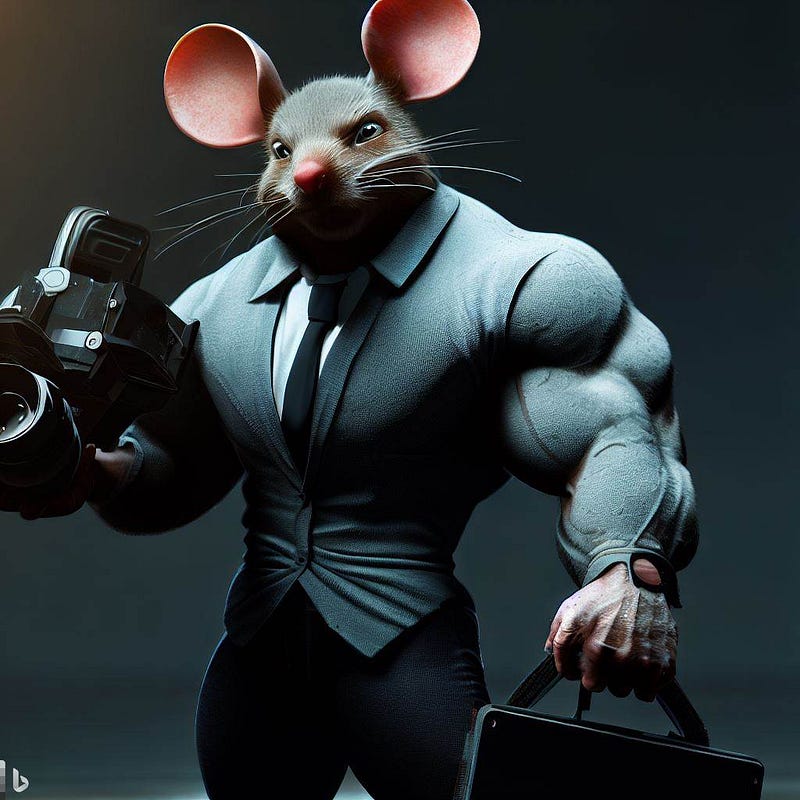
The mouse has a history in this realm: they already extended copyright long past the death of the original creator through their federal lawmaker influence. They did this to keep making money on their creative properties and they will surely put their muscle into making money on the entertainment created by the AI they control.
If they go in that direction, and I think they will, then yes; perhaps David does own the monkey selfie. And perhaps I did create these graphics.
Some Background References
Important Disclaimer by Author
I am not a lawyer. But, depending on how the law works out, I might be a graphics creator. See a real lawyer if you have important questions about copyright.


