
Human Minds and Data Streams
Artificial Memories More Real Than Ours
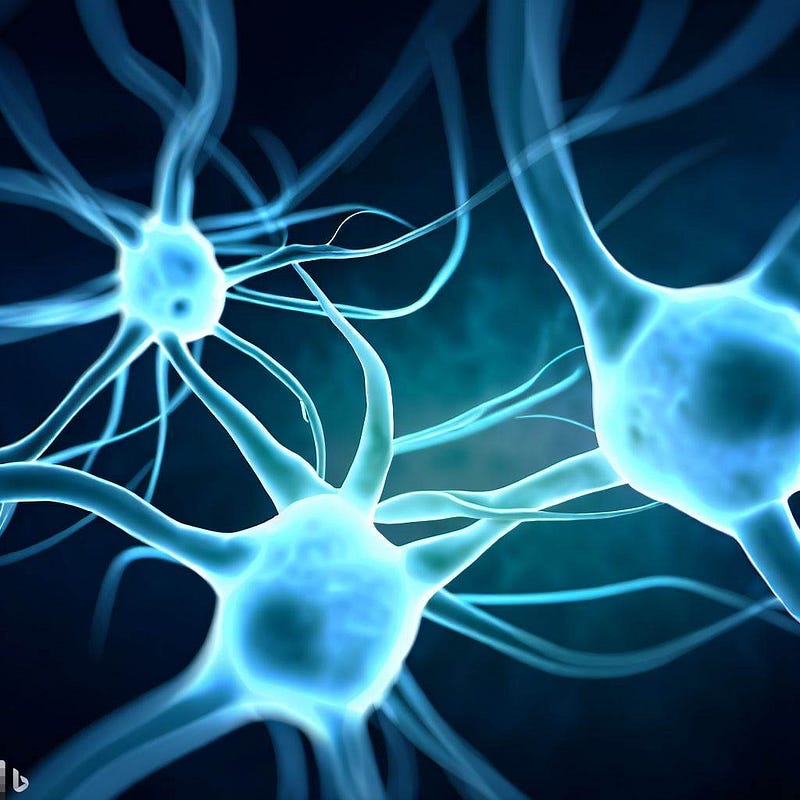
Our brains have never smelled a rose, seen a flower, or walked a garden. You may remember these things, but only because cells elsewhere in your body have sent signals to cells in your head that your brain then interpreted in those ways.
- Our noses have cells that sense smells and send signals to brain cells about what they have smelled. The brain did not smell.
- Our eyes have cells that sense light and send signals to brain cells about what they have seen. The brain did not see.
- Our ear canals have cells that sense motion and send signals to brain cells about how we have moved. The brain did not sense motion.
All we learn from external stimuli is sensed and converted into a signal that our brain then processes. Some of that processing leads to memories — memories of the signals.
Artificial Intelligence (AI) based on Artificial Neural Networks (ANNs) learn similarly. Their memories are as real as our memories and sometimes better.
Real Memories in Machines
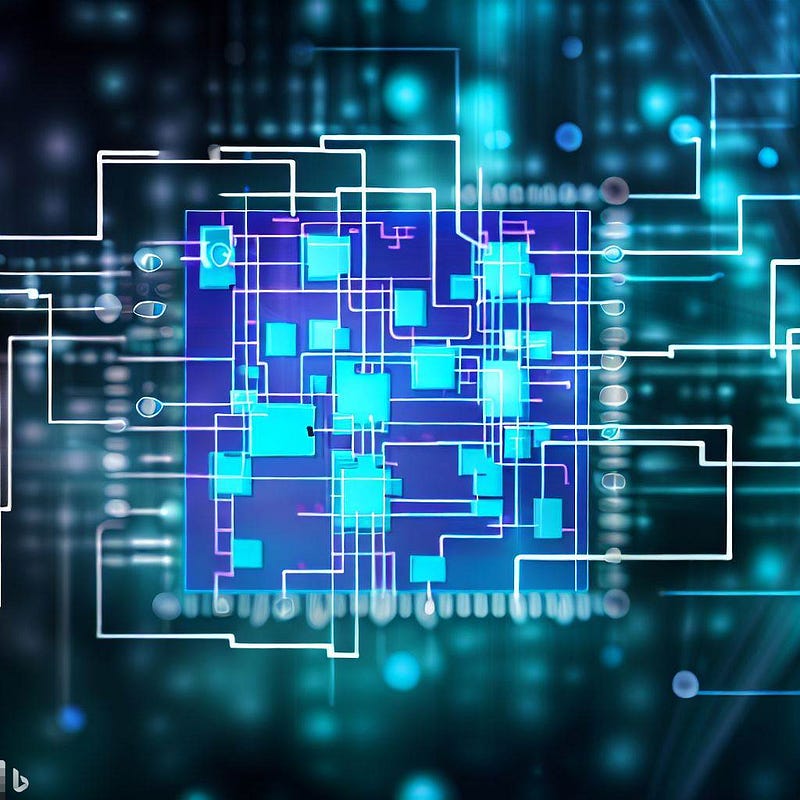
Deep learning Artificial Neural Networks (ANNs) have been available for years at no cost to advanced computer hobbyists and professionals. Some of those hobbyists today are kids, they download a Machine Learning (ML) framework and play at teaching it by feeding it examples of what they want it to learn. The training examples are external stimuli — sent as signals to the artificial neurons of the AI for processing.
The ANN creates memories in its network not unlike our brain cells create memories in their networks. But unlike our brains, there is NO PRACTICAL LIMIT to the amount of training data an ANN can process. And there is NO PRACTICAL LIMIT to the quality and variety of training data an ANN can learn. We on the other hand are awake only for part of each day and can only experience a fraction of what is available in our limited healthy years of life.
The quality and quantity of real memories we can accurately store in our heads is a drop compared to the ocean of high-quality and variety of real memories an AI can recall.
There is no limit to the number of signals an AI can be engineered to remember.
Synthesizing Real Thoughts
The rippled gray and white matter in our heads generates what we describe as thoughts; we seem to spring from this amazing tangle.
Our ideas appear to emanate from what we have learned and how we are wired.
The relatively simple ANNs we currently have are already replicating and exceeding human capacities in creating new content from memories stored in their networks. The philosophers can argue whether this output is thought — but for all practical purposes, it is.
AI has richer vaster memories in some domains today than any human that has ever lived or will ever live. Are the insights generated from these AIs less thoughtful in those domains than human thought in the same domains?
The party tricks of ChatGPT are just the beginning.
The Human Limit vs the Machine Limit
If the quality of thoughts is a product of architecture and richness of experience, then we can be sure AI will eventually exceed the human capacity for quality thinking.
We can never experience as much as a tireless AI can consume.
And there is no proof that the messy biological structures in our skulls are the best architecture possible for producing thought.
Copying the brain’s structures may be a start to producing thought outside the human body. However, the best architecture may be something else.
Perhaps we have already stumbled into some of it. Time will tell.


