
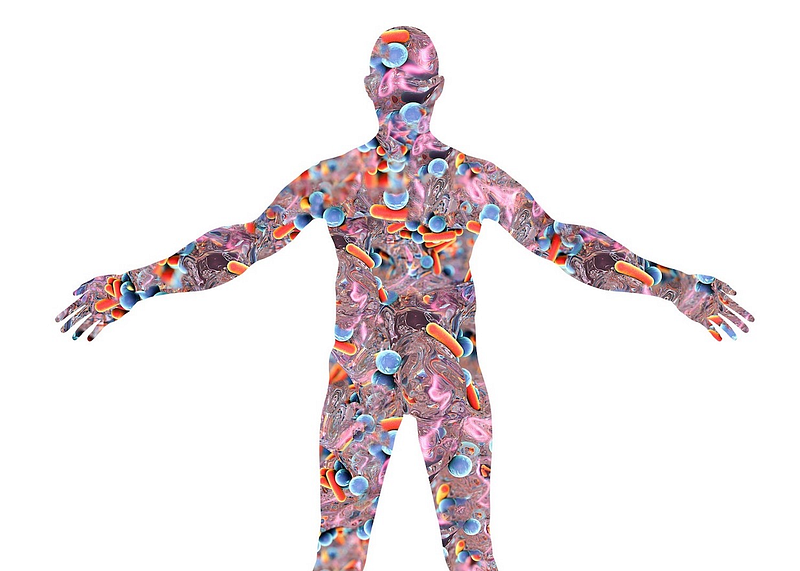
Are There Fungi Living Inside Me?
And if there are, should I be worried?
When was the last time you gave even the slightest thought to all the microorganisms that normally live on or inside your body?! It’s not something I start my day with!
This is not a topic we generally think about or talk about in conversations with our friends or family. And there are good reasons for that! It’s kinda icky.
When we’re healthy and everything is going along nicely, why think about bugs that live inside us that aren’t even making us sick?!
But what if I told you that you could be even healthier and get sick less often if you did pay some attention to those microbes? Would that make you want to know more about them?
If I wrote an article entitled, “Here’s 3 unique things you could do to have a healthier life” you’d jump on that one, right?
But if it was entitled, “Here’s 3 things you could do to have a better microbiome” how many people would read that one?
A lot fewer, that’s for sure!
So let’s get you up to speed on just why you should want to read that second article. Why knowing about microbiomes is important and can have a real effect on the quality of your life.
Here’s a good place to start.
Current estimates for the average 20–30 year old male place the number of microbes to human cells in our bodies at a ratio of 1.3 to 1.
Sounds important but ratios like that are meaningless. Let’s make it more real.
That means that there are 39 trillion microbes to 30 trillion human cells in our bodies.
That’s a lot of cells and microorganisms! It’s actually really hard to imagine numbers that large.
In this article, I’ll tell you about those 39 trillion microbes in our microbiomes, how many microbiomes we have, why they are there, which ones are the most beneficial and why they are so important. Then I’ll finish up with a summary of a recent article that appeared about fungi and the beneficial impact they have on our microbiomes and daily metabolic activities.
So let’s get started.
What is and where are Microbiomes?
Look, there are whole courses at universities that teach all the aspects of microbiomes. And that’s TMI for what I want to accomplish today.
You know that book series with the title “___________ for Dummies”? I have the weight lifting one!
Think of this next part as “Cole’s or Cliff’s Notes on Microbiomes for Dummies” and we’re good to go. (I’m really dating myself here, aren’t I? 😄)
What I want to do is give you enough basic information so you will have no trouble reading and understanding this and any future articles that you come across that talk about microbiomes.
So, what is a microbiome?
A microbiome consists of all the organisms you need a microscope to see that are found at any specific location.
One kind of location is a living creature. That includes mammals, bugs, amphibians, birds, fish, trees, other plants etc.
Or the location could be environmental. That includes terrestrial, aerial, marine and other aquatic environments as well.
A microbiome consists of all the microbes found within any specific location.
Ok, where did the word microbiome come from?
That’s an easy one. A biome is all the organisms found in a particular location. And micro refers to really small. You need a microscope to see them!
So the microbes found in a microbiome will include viruses, bacteria, fungi and archaea. And maybe a few other minuscule creatures.
Archaea: These are single-celled organisms that lack nuclei and are not bacteria. from Wikipedia "They are part of the microbiota of all organisms. In the human microbiome, they are important in the gut, mouth, and on the skin"And when we talk about plants and animals we can also specify particular internal or external systems as the location.
So if I use people as an example, you can categorize the microbiomes found in our guts, our mouths and oral cavity, our ears, on our skin or hair, etc.
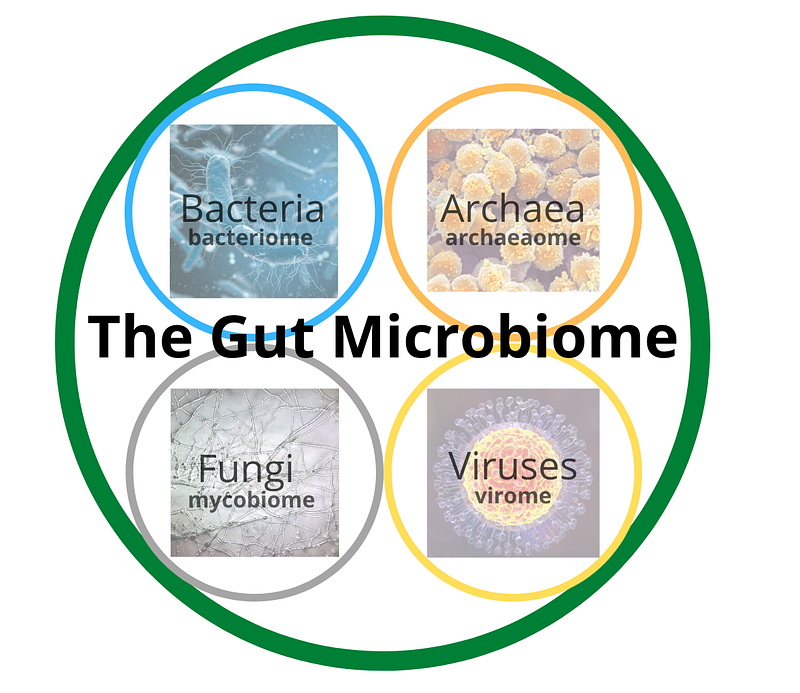
Here’s a simple figure I created to illustrate a gut microbiome. The big green circle represents the entire gut microbiome and the circles inside are the 4 different microorganism biomes that make it up.
Here’s a fairly complete list of all the human microbiomes researchers know about and study.
Now think about our environments. Our homes, our bathrooms, our beds, our kitchens, our workplaces, our cars and the list goes on. If you can think of a specific location, you can find a microbiome!
As you can see, that’s a lot of places and microorganisms to try to identify and categorize!
But not all of them are equally important to our general health and the health of our environments.
Important microbiomes
For humans and other mammals, the most important microbiomes are found in your oral cavity, on your skin, and in your gut (stomach, intestines, bowel cavity).
Most of the articles you see nowadays in the popular press are about gut microbiomes. And there’s a good reason for that. It has been shown that the microbes found in a person’s gut are often associated with both healthy and unhealthy outcomes.
There are also a lot of studies that show that altering the microbiome by passive (lifestyle choices such as diet or exercise) or aggressive means (surgical interventions such as fecal transplants) can range from having no effect to having a dramatic effect on a person’s health.
For plants, the most important microbiomes are found in the various tissues that make up the plant and the soil or water in which the plant is growing.
Ok, so now I think you get the idea. A microbiome is the compilation of all the tiny organisms not visible to the naked eye that are found in a specific location.
Categorizing the microbiome
This is where things begin to get a bit tricky.
The starting point is the same for all microbiomes; what organisms are found in the microbiome we’re interested in?
And that is generally pretty simple. Just take a sample from the location of interest, identify all the microbes and make a list.
How do you identify all the organisms? Metagenomic sequencing and database searching. For more information about that, see my article on DNA and sequencing.
So you did the sequencing and identified all the microorganisms in that specific location.
Now you can further classify this information thanks to modern bioinformatics which has developed all kinds of different computer tools to process and search databases with the results of your DNA sequencing.
You can look at the geographical data to see if different microbes in the same location are found clustered in specific places on the planet. For example, you could determine and compare the gut microbiomes from 13–15-year-old white males found in the USA, Sweden, England, and Canada. Are there any interesting differences?
Or you can also look at the relative abundance of the microbes to each other between different individual samples.
You can also categorize the microbes into known beneficial or harmful organisms.
So for instance, I might want to know if human gut microbes differ between men and women of the same age, or between different ethnic groups with drastically different diets and so on. Or people who own cats vs those who own dogs.
The possibilities are endless. Some are tested out of plain curiosity and others because different populations may be showing different health outcomes for a given disease or condition.
That’s why I said it can get tricky.
Because it’s not easy to ask even simple questions without including all the necessary tests to make sure you’re not introducing any bias into the samples chosen or the interpretation of the data obtained.
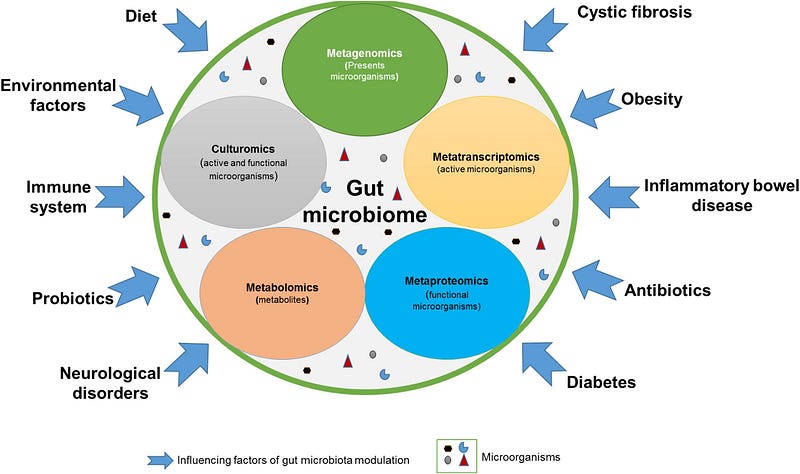
Here’s a great picture showing just some of the ways the human gut microbiome can be influenced. Ignore the 5 coloured ellipses inside the circle. They are highly technical methods to further refine what is being looked at.
I just want you to concentrate on the blue arrows and the little microorganism icons.
So now you know some of the most important ways microbiomes are looked at and categorized.
Now let’s have a look at a recently published study that I thought was pretty interesting.
In my previous microbiome articles, I’ve only talked about the human gut microbiome. So I thought it would be fun to look at some recent research that investigated the gut microbiome in a different mammalian creature, the mouse.
Mouse gut microbiome
The reason so many scientific studies are first conducted in mice is because evolutionarily, they are very closely related to humans. So what you learn studying mice may be directly applicable to people.
(Or not. And that’s another discussion for another time!)
One of the advantages of using mice is you can treat them in ways that you’re not allowed to treat humans. Following specific ethical procedures, you can kill them and harvest their organs, you can starve them, you can breed them, sterilize them and so forth. So they are one of the most common and valuable creatures to experiment with.
And they have a very short life span so you can follow them over many generations to look at long-term effects.
The study I’d like to tell you about today was done by Tahliyah Mims and colleagues in the laboratories of Joseph F. Pierre, Assistant Professor of Pediatrics, University of Tennessee Health Science Center and Kent A. Willis, Professor of Neonatology at the University of Alabama.
As you can see from his Google Scholar profile, Pierre has done extensive research in the microbiome arena as has Willis.
Remember that we can use modern metagenomic sequencing methods to not only tell us what organisms are present but also the relative numbers of each of them.
Mims and this team looked at whether composition and relative abundance of mice gut microorganisms showed any correlation with key features of mouse metabolic processes.
In particular, they especially wanted to look at the fungi because they felt that fungi had not been as well characterized as the other organisms usually reported in microbiome studies.
Common fungi in microbiomes include Saccharomyces (yeasts) and Thermomyces (penicillin and other closely related fungi)
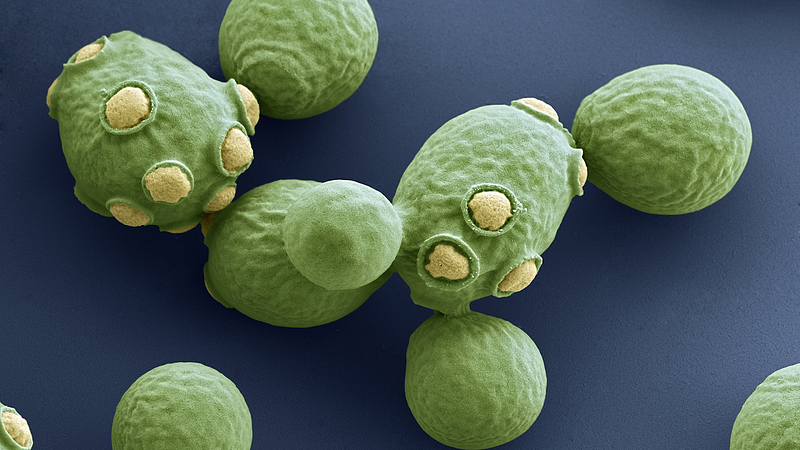
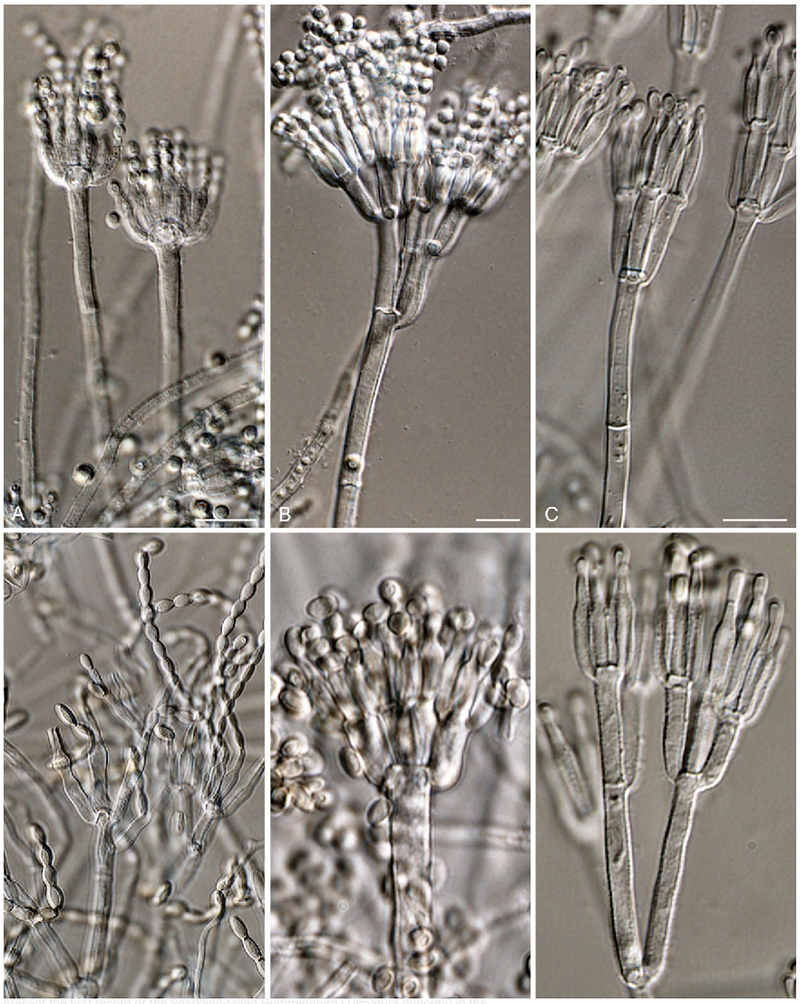
Note of interest: both of these fungi have the suffix “myces” in their taxonomic name. Mycology is the study of fungi.The word mycology comes from the Ancient Greek: μύκης (mukēs), meaning "fungus" and the suffix -λογία (-logia), meaning "study".All fungi grow as long filaments called mycelia or hyphae before they produce the fruiting bodies we are so fond of seeing and eating.The gut mycobiome
The fungi that occupy a specific location are referred to as a mycobiome. (pronounced mike-o-buy-ome)
Here’s another way to think about it. If the microbiome is all the people in a city, the mycobiome is all the people of one of the ethnic groups that live in that city.
One of the things that researchers strive for is to look for and fill important gaps in our knowledge.
If you look at the 2 graphs below you can see one of those gaps: publications about the microbiome versus those about the mycobiome.

At first glance, these two graphs look very similar.
They aren’t!
There are several important points to note about this figure. First, the scale on A tops out at 4000 while B tops out at 30.
Second, the first microbiome publications in 2005 are 3 years before the first mycobiome publications in 2008.
And lastly, in 2018, there were around 3500 microbiome publications vs 28 mycobiome publications. That’s over 100 times more micro- than myco- biome publications!
So you can see that there is likely a clear gap in what we know about the significance and role of the mycobiome versus the microbiome.
The publication from which those graphs were taken has a really good review of some of the reasons for this large difference.
One of the main reasons they offer for this disparity is that the bacterial genomic databases are much larger than the ones for fungi so it is more difficult to get a fully comprehensive listing of all the fungi present in a given location.
How large is the gut mycobiome?
“In general, fungi constitute a minor component of the entire gut microbiome. Recent shotgun metagenomics sequencing analysis has revealed that fungi consist of nearly 0.1% of the total microbes in the gut.”
Ok, given all those constraints, what DO we know about the gut mycobiome?
This table lists the fungi most commonly found in the human gut mycobiome.
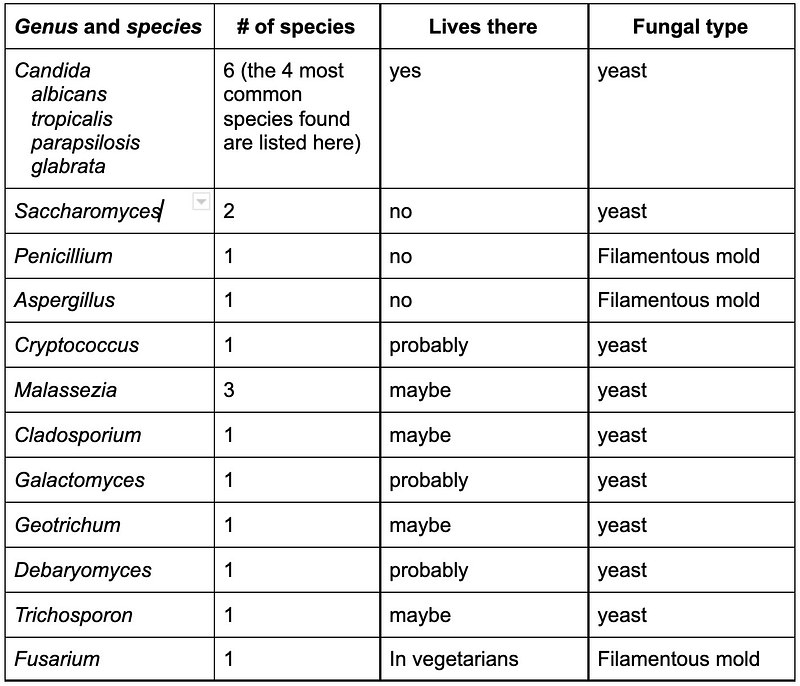
But I have to balance this table with this paper's results that claim there are no fungi that reside in the human gut microbiome. All are transients just visiting.
And that’s how good science works. Present your results, someone else tests them and gets a different result. Now everyone has to go back and do some more work to find out what is true.
Having said that, the majority of papers on the topic do seem to support the idea of fungi living in the gut. So let’s continue down that path.
What are some of the reasons that we might want to know more about the fungi present?
Back to basic biology.
While the gut is a specific location, you can also think of it as an ecological niche that organisms like to live in. And that implies various interactions between organisms.
- You have the host (gut) interactions with the microorganisms.
- You have the different kinds of microorganisms interacting with each other.
- You have evolution and adaptation over time.
These interactions can be mutually beneficial, neutral or in the case of infections by pathogens, negative.
How might evolution, adaptation and natural selection come into play?
There will be competition amongst organisms for who gets to live in a particular part of the gut. Is that bacteria better adapted to survival than this one? Are these archaea producing toxins that prevent other microorganisms from occupying a given location? Do those chemicals affect the host in any way?
What other factors might influence who gets to occupy that space? Host genetics? The environment? Diet? Age? State of health of the host? And so forth.
As you can see, there is a whole lot that could be going on, some of which are not even known yet!
These are some of the questions that Mims and this team sought answers to.
So what were their experiments and what did their experiments tell them?
The experiments
This is where it gets interesting!
They ordered mice with identical genetic backgrounds from 4 different suppliers. They wanted to know if mice from different suppliers had identical mycobiomes or differed significantly from one another.
To do this, they euthanized some of the mice and determined the fungi present in the jejunum, a portion of the intestine known to harbour fungi. Since the only difference would be in the food they were fed when they were originally raised, diet would likely be responsible for discrepancies between the 4 batches.
And there were differences. Dramatic ones!
Apart from that, across the 4 vendors, they identified a core mycobiome of 18 different fungi. Another total of 14 fungi were also identified and were associated with the individual suppliers.
To ask their next set of questions, they needed to get all the mice on “the same page”. To do that they fed them a standardized diet and kept them at identical conditions for 8 weeks.
This led to a reduced core mycobiome of 12 different fungi, with a couple of unique ones still associated with a specific vendor’s mice.
The bottom line was that the fungal diversity in the gut decreased with age and exposure to the standard diet.
Next, they fed the mice with a “processed food” diet for 8 weeks. The processed diet was made up to resemble a typical Western diet, rich in purified carbohydrates.
In this case, what they found was that the composition of the mycobiome was significantly altered — its diversity decreased — from what was present before being exposed to the processed diet. And the changes were different from those seen after exposure to the standard diet.
As one of their experimental controls, they also monitored the bacteriome of their mice throughout these experiments. This was to see if similar changes occurred and also to see if there were any indications that bacterial and fungal populations showed any effects on each other’s biome makeup.
In the standard diet group, bacterial diversity increased while in the processed diet group, it decreased.
But the fungi were definitely more sensitive than the bacteria to the change in diet.
Ok, so we know both bacteria and fungi populations changed in response to diet. Did that have any effect on the host mice?
Interesting fact: in the genetic strain of mice they were using, females do not become obese no matter what they are fed.Looking at male mice, they analyzed what we scientists call biomarkers; biochemicals correlated with a specific condition.
In this case, the biomarkers assayed for obesity all indicated an increase in additional fat tissue.
Next, they examined what they called metabolic tone, how well the metabolism is functioning. They looked at 3 components of metabolic tone; weight gain and 2 different metabolic biomarkers.
What Kims and the team found was “Altogether, these results suggest fungal community composition is strongly associated with host metabolic tone.”
Conclusions
So what did all these experiments tell us?
Here’s what co-senior investigator Willis said.
“We showed that the gut mycobiome of healthy mice is shaped by the environment, including diet, and significantly correlates with metabolic outcomes.
Our results support a role for the gut mycobiome in host metabolic adaptation, and these results have important implications regarding the design of microbiome studies and the reproducibility of experimental studies of host metabolism.”
I like that seemingly innocent phrase, “important implications regarding the design of microbiome studies”.
What they are telling you here is you need to be really careful when you are doing studies like this. If you are doing gut microbiome research with mice, you need to take into account what microbes were there inside them when they were sent to you!
Essentially, different mice from different vendors could easily give you different results if you’re not careful!
To quote Pierre, their conclusion was:
“Our results highlight the potential importance of the gut mycobiome in health, and they have implications for human and experimental metabolic studies,”
“The implication for human microbiome studies, which often examine only bacteria and sample only fecal communities, is that the mycobiome may have unappreciated effects on microbiome-associated outcomes.”
I think that’s enough about mice mycobiomes. And now you now more about microbiomes and that there is such a thing called the mycobiome!
How cool is that?!
I hope you had fun, guys! (pun intended! Forgive my gender bias here, please)
Until next time,
Rich
Hey! If you enjoyed this article, you need to join my tribe and share it with your social media friends!
Sources:
- The gut mycobiome of healthy mice is shaped by the environment and correlates with metabolic outcomes in response to diet by Tahliyah S. Mims et al., March 2021
- Here’s How Many Cells in Your Body Aren’t Actually Human by BEC CREW, April 2018
- Metaproteomics of the human gut microbiota: Challenges and contributions to other OMICS by Ngom Issa Isaac, June 2019
- A Fungal World: Could the Gut Mycobiome Be Involved in Neurological Disease? by Jessica D. Forbes, et al., Jan 2019
- Fungi in the healthy human gastrointestinal tract by Heather E. Hallen-Adams and Mallory J. Suhr, Oct 2016.
- Investigating Colonization of the Healthy Adult Gastrointestinal Tract by Fungi by Thomas A. Auchtung et al., March 2018.


