
Antiques & Collectibles As An Investment — The Inside Secrets To The Best ROI — Part 2
The best ways to invest your money — in things that you love!
This article is Part 2 of my article about “Antiques & Collectibles As An Investment”. If you have not read Part 1 make sure to catch that one first!
In part 1 of “Antiques & Collectibles As An Investment”, I took you through the historical significance and potential ROI of five of the top 10 categories: art, watches, jewelry, coins, and whiskey. These categories offer diverse opportunities for both investors and collectors — each with its own unique characteristics and considerations.
In the next installment of this series, we will delve into the remaining five categories: wine, furniture, militaria, rare books, and glass. By examining the historical context and investment potential of each category, I aim to provide a comprehensive overview of the world of antiques and collectibles as an alternative investment avenue.
6. Wine
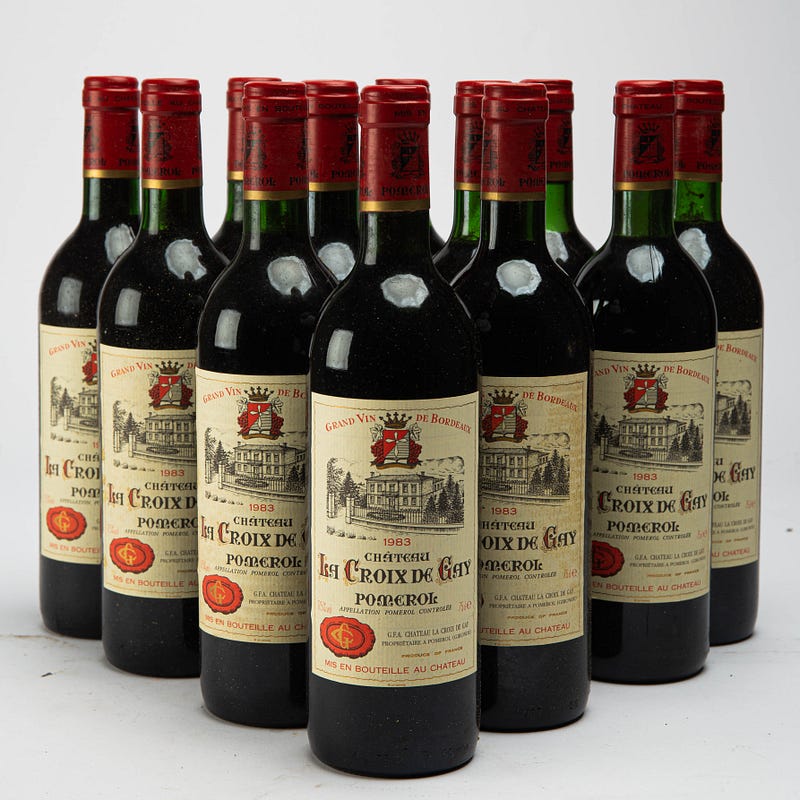
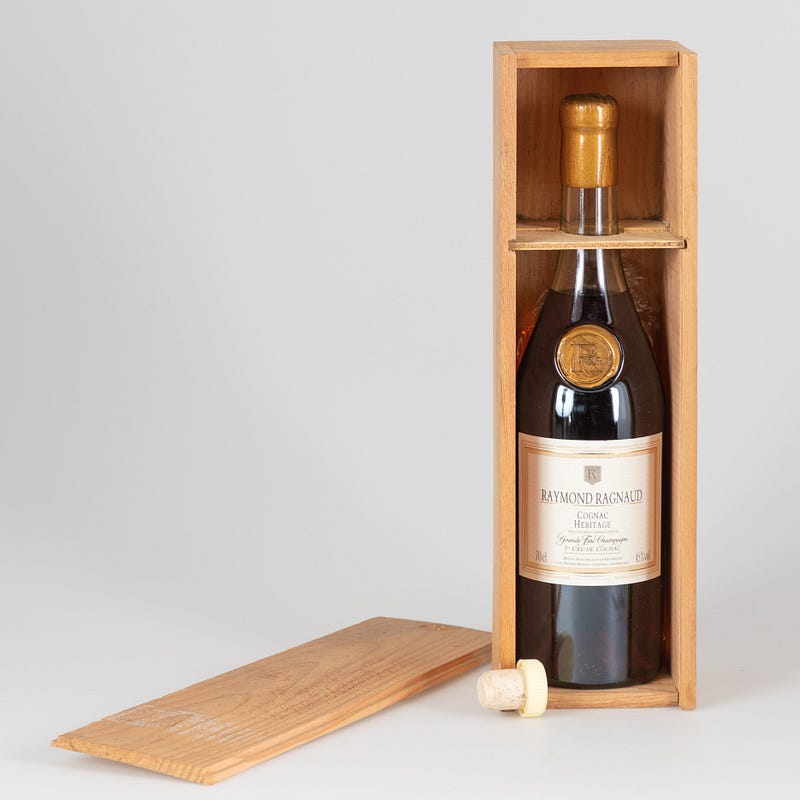
Wine, often associated with refined tastes and celebrations, has also found a place in the world of investments. Fine wines from renowned vineyards and vintages can appreciate significantly in value, making wine an intriguing alternative asset.
Historical Perspective
The history of wine production and consumption spans millennia, with wine being an integral part of many cultures. The concept of investing in wine gained prominence in the late 20th century as collectors and investors recognized the potential for wines to appreciate over time.
ROI in Wine
The ROI in the wine market can be particularly promising for well-selected vintages from prestigious vineyards. According to Liv-ex, a fine wine trading platform, the Liv-ex Fine Wine 1000 index, which tracks the performance of 1,000 fine wines, showed an average annual return of 11.3% from 2000 to 2020. This impressive performance is driven by factors such as scarcity, quality, and the reputation of the vineyard and vintage.
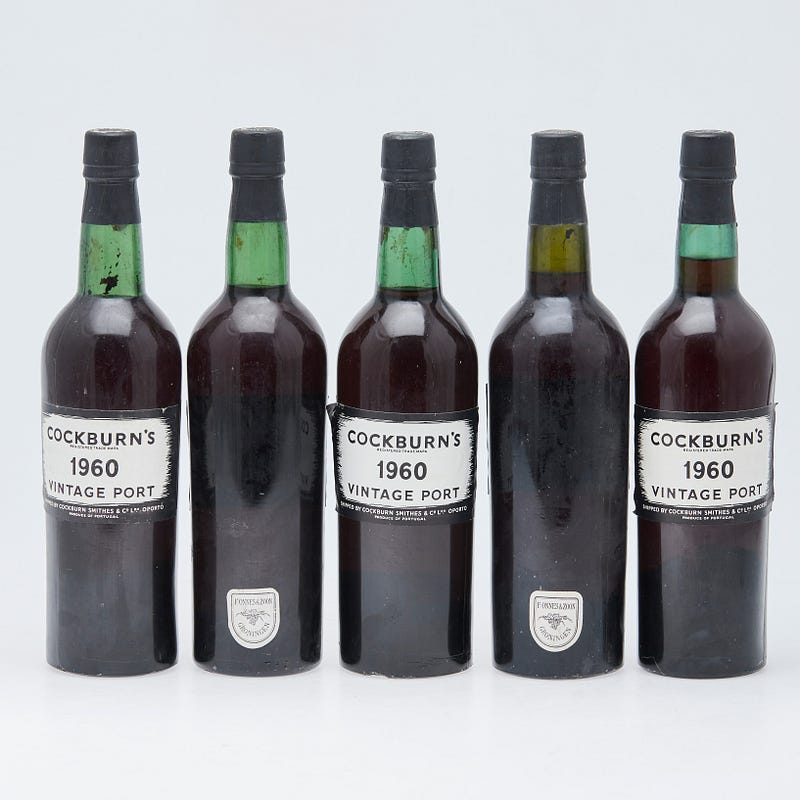
Investing in wine requires a deep understanding of the market and a willingness to hold bottles for extended periods. Wine enthusiasts often engage in cellar management, carefully storing bottles under optimal conditions to enhance their value. Additionally, staying informed about market trends and the reputation of specific vineyards is essential for successful wine investment.
7. Furniture
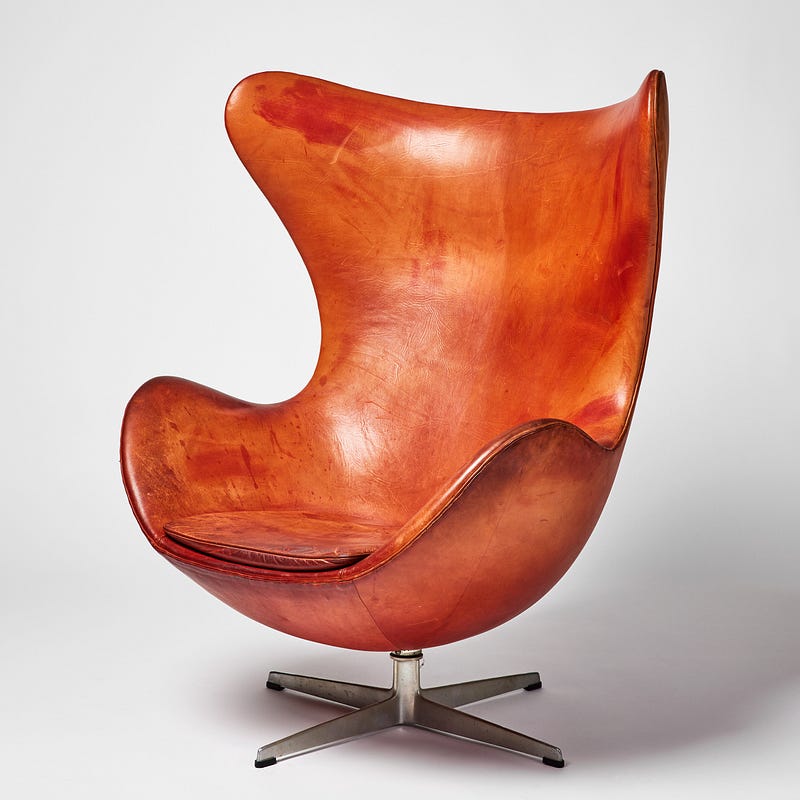
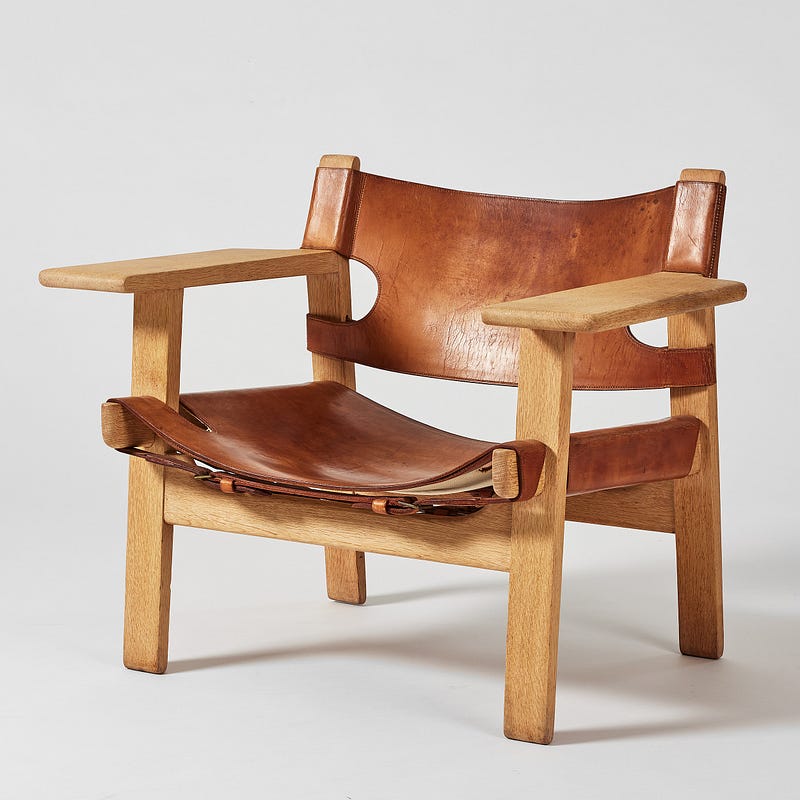
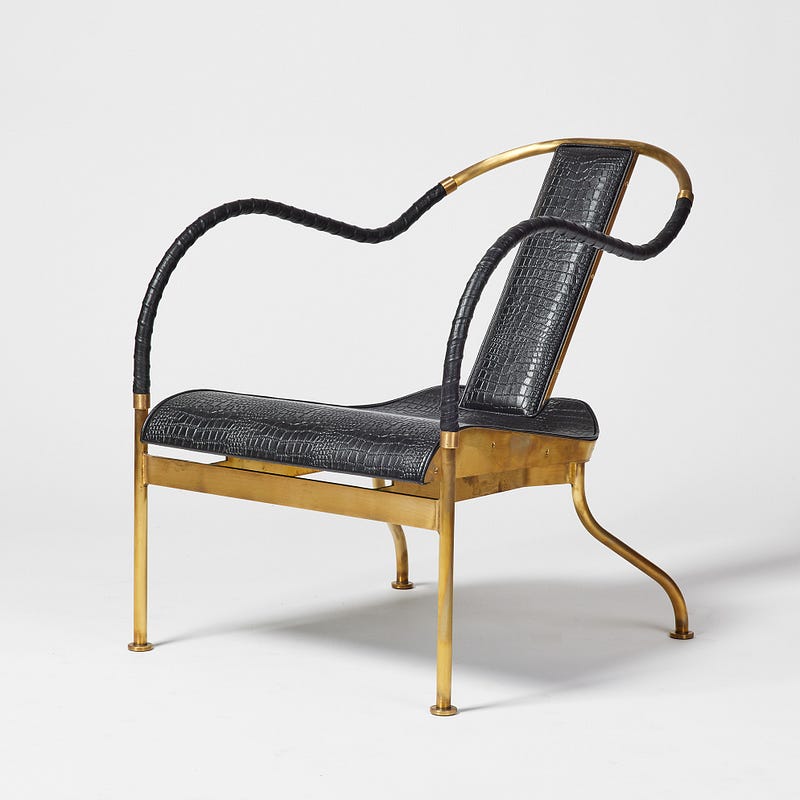
Antique and vintage furniture represents a unique category of collectibles that blends craftsmanship, historical significance, and utilitarian value. While furniture may not be as glamorous as art or jewelry, it has proven to be a stable (for the most part), and rewarding investment for those with an eye for quality.
Historical Perspective
The history of furniture as an investment dates back to the 17th and 18th centuries when European nobility and aristocracy commissioned exquisite pieces for their homes. Furniture design has been influenced by various historical periods, such as the Renaissance, Baroque, Rococo, and Art Nouveau, each contributing to the diversity of collectible furniture styles.
ROI in Furniture
The ROI in antique and vintage furniture can vary depending on factors such as design, craftsmanship, and historical significance. While the returns may not be as dramatic as those in some other categories, well-chosen pieces can appreciate steadily over time. According to the Knight Frank luxury investment report, furniture provided an average annual return of 3% from 2000 to 2020.
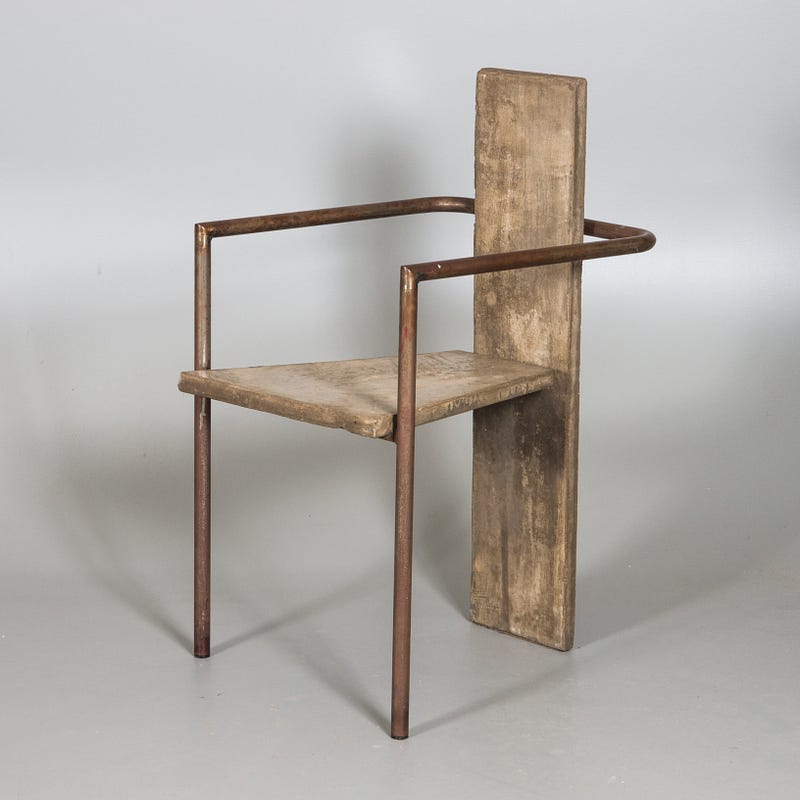
Investing in furniture requires an understanding of different styles, periods, and materials. Collectors often seek pieces that are in good condition, preferably with original finishes and hardware. Additionally, the provenance, a good name, and historical context of furniture items can significantly impact their value.
8. Militaria
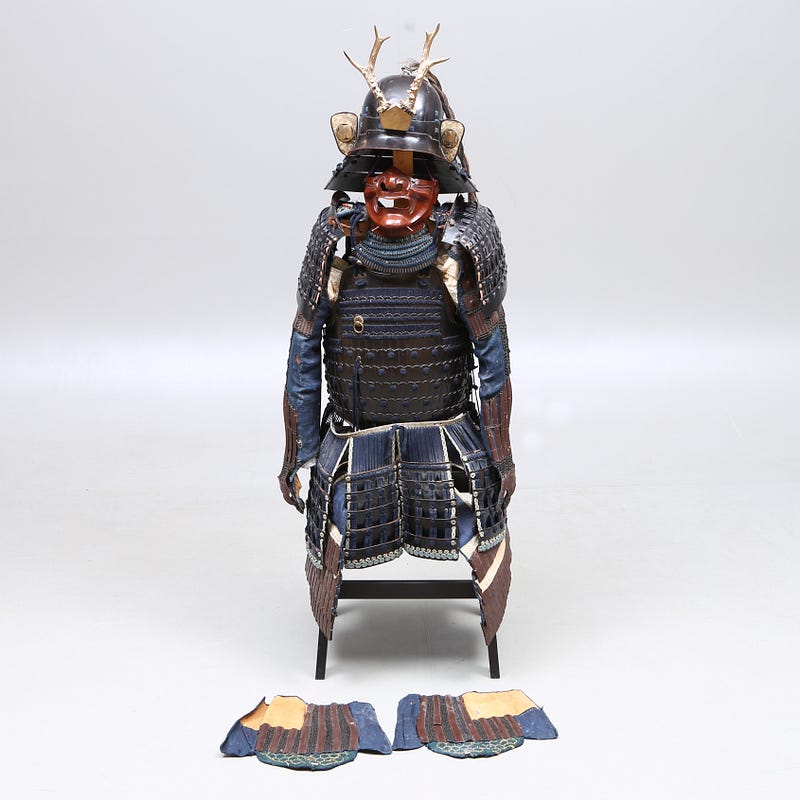
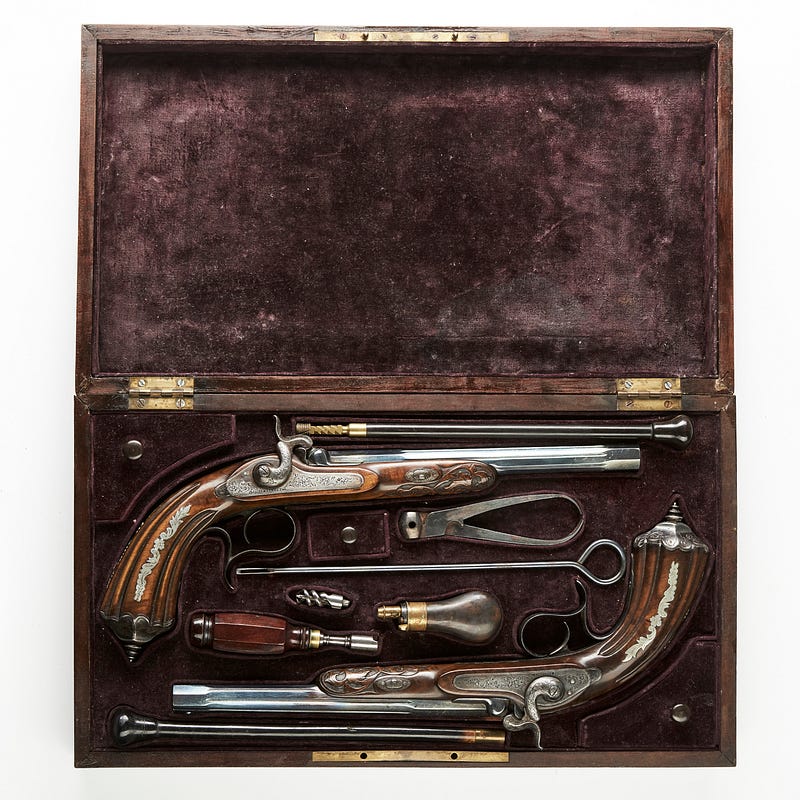
Militaria, comprising collectibles related to military history and warfare, has attracted a dedicated group of enthusiasts and investors. This category includes a wide range of items, from uniforms and weapons to medals and documents, each with its own historical significance.
Historical Perspective
The collecting of militaria can be traced back to the 19th century, with veterans and their families often preserving war-related items as mementos. Over time, militaria collecting evolved into a niche market with a strong focus on historical accuracy and authenticity.
ROI in Militaria
The ROI in militaria can vary widely depending on the rarity and historical significance of the items. While returns may not be as high as other categories, militaria has demonstrated steady appreciation. Unfortunately, specific ROI data for this category is limited, but items with unique provenance and ties to famous historical events tend to command higher prices.
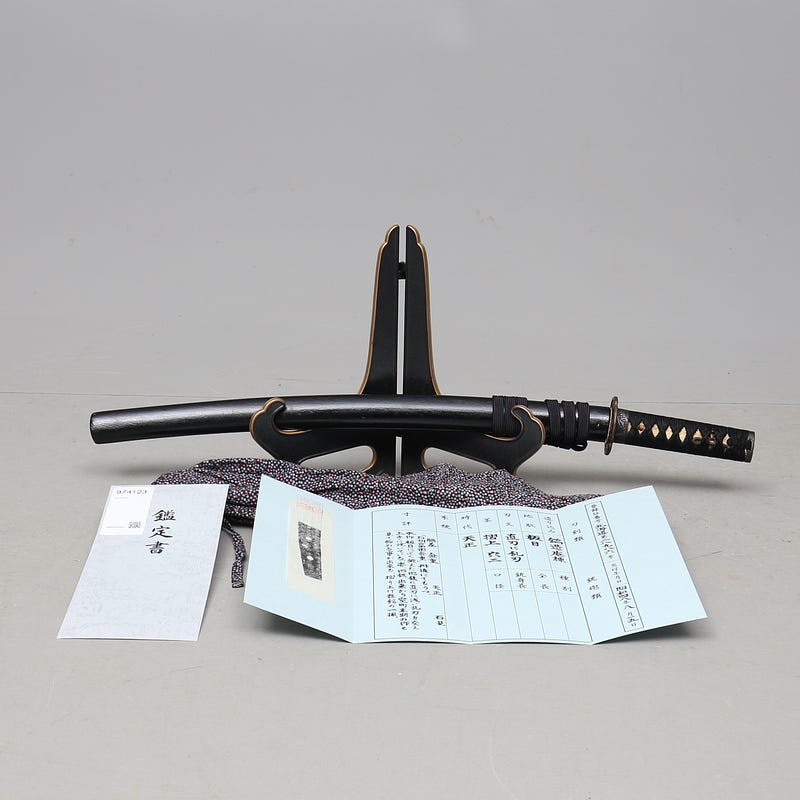
Investors interested in militaria should prioritize authenticity and historical accuracy. Additionally, militaria collecting often appeals to history buffs and veterans, contributing to its enduring popularity.
9. Rare Books (Maps & Manuscripts).
Rare books offer a fascinating blend of literature, history, and collectibility. For centuries, bibliophiles and collectors have cherished books for their content, aesthetics, and importance.

Historical Perspective
The history of rare book collecting is intertwined with the history of printing itself. As books became more accessible with the advent of the printing press, collectors began seeking out unique and limited-edition volumes. Over time, rare book collecting evolved into a specialized field with its own set of criteria for assessing value.
ROI in Rare Books
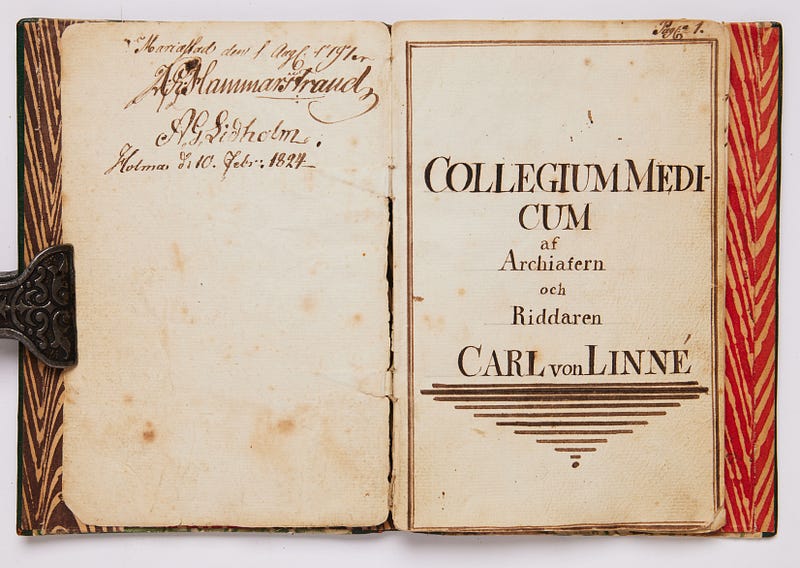
Rare books have shown consistent appreciation in value over the years. According to the Knight Frank luxury investment report, rare books provided an average annual return of 6% from 2000 to 2020. The rarity of the edition, the significance of the author, and the condition of the book are critical factors influencing its value.
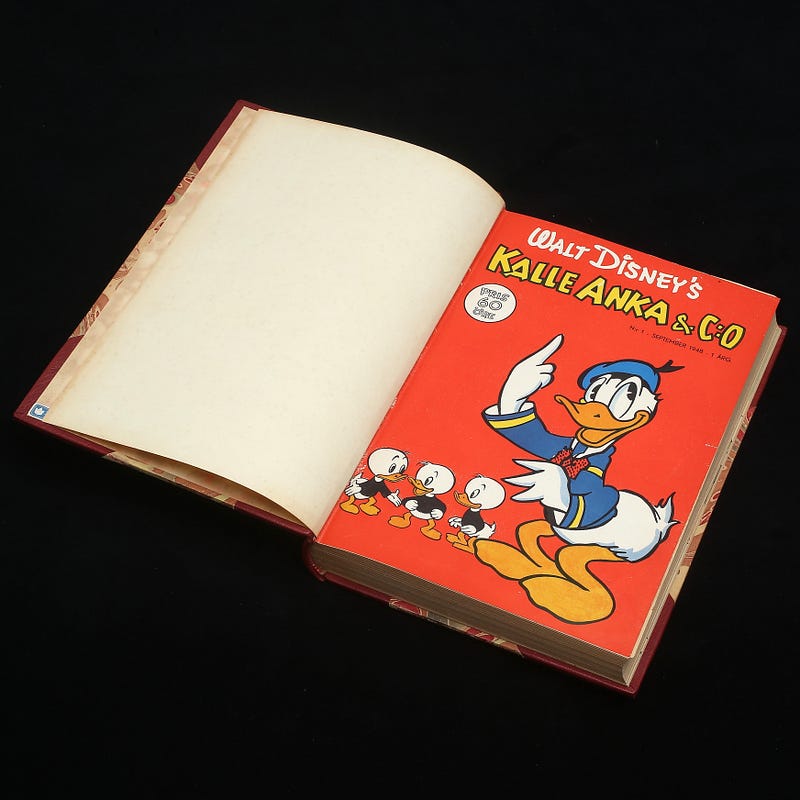
Investing in rare books almost requires a deep appreciation for literature and historical context. Collectors often seek first editions, signed copies, and books associated with famous authors or historical events. Due diligence in assessing a book’s condition and authenticity is also essential in this market.
10. Glass
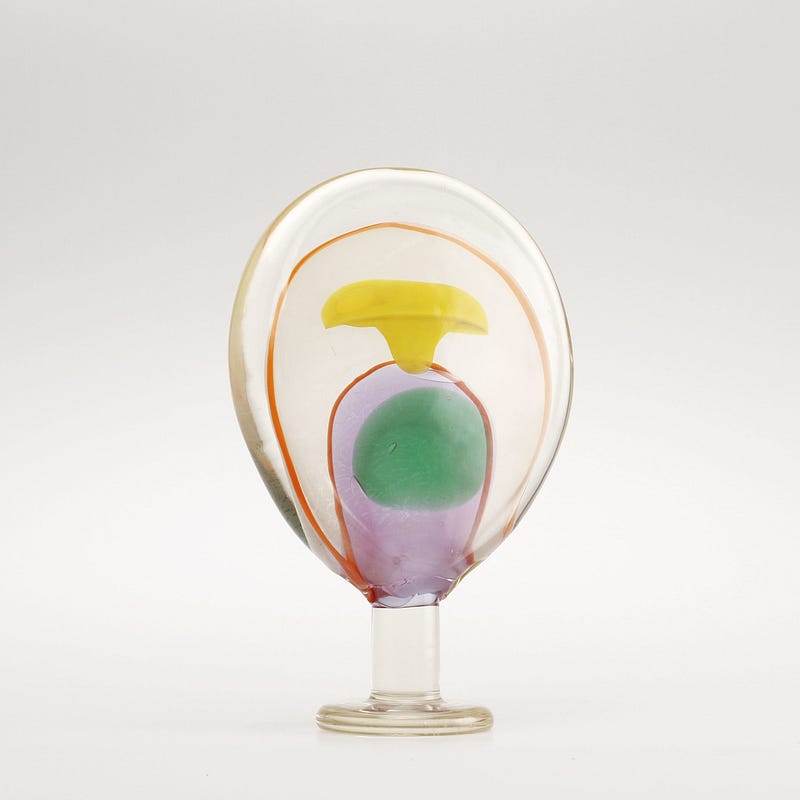
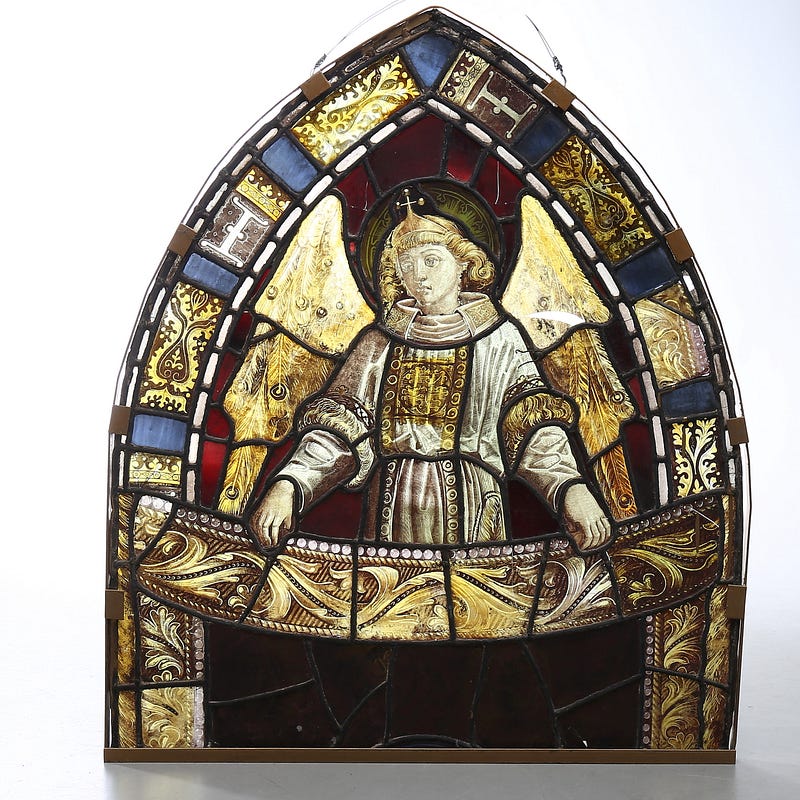
Glass collectibles encompass a wide range of items, from delicate glassware and decorative objects to stained glass windows and art glass. This diverse category appeals to collectors who appreciate the artistry and craftsmanship of glassmaking.
Historical Perspective
The history of glassmaking spans millennia, with ancient civilizations producing glass objects for practical and ornamental purposes. Collecting glass items gained popularity in the late 19th and early 20th centuries, with artists like Louis Comfort Tiffany and René Lalique creating highly sought-after pieces.
ROI in Glass
The ROI in glass collectibles can vary based on factors such as the artist or manufacturer, design, and rarity. While not as widely tracked as some other categories, quality glass items can appreciate steadily. Specific ROI data for glass collectibles is limited, but certain pieces have fetched substantial prices at auctions, highlighting their potential as investments.

Investing in glass collectibles requires an understanding of different glassmaking techniques, styles, and artists. Condition and provenance are crucial factors to consider when evaluating glass items for investment potential. Additionally, staying informed about trends in the glass art market can help investors make informed decisions.
Conclusion
In this second part of my articles on antiques and collectibles as investments, I have taken you through the historical significance and potential ROI of the latter five of the top 10 categories: wine, furniture, militaria, rare books, and glass. These categories offer diverse opportunities for both investors and collectors — each with its own unique characteristics and considerations.