
Antiques & Collectibles As An Investment — The Inside Secrets To The Best ROI — Part 1
The best ways to invest your money — in things that you love!
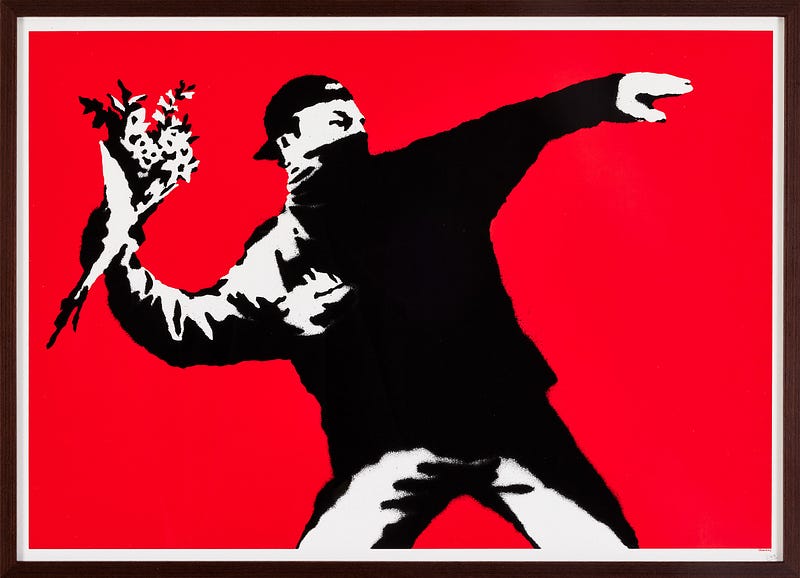
Investing in antiques and collectibles has long been an intriguing avenue for individuals seeking alternative forms of investment beyond traditional stocks, bonds, and real estate, which in these times have become highly volatile.
These tangible items, often rich in historical and cultural significance, can not only provide aesthetic pleasure but also serve as a huge potential store of value and a source of profit.
With 15 years of experience in the trade, buying, selling, and performing evaluations for auction houses, I will try to explain the world of antiques and collectibles as an investment, delving into the top 10 categories, that I have found (and historically have offered), the best “Return On investment” (ROI).
Historical Significance of Antiques and Collectibles as Investments
The concept of investing in antiques and collectibles dates back centuries. Wealthy individuals and nobility have, for generations, accumulated and cherished items that possess unique historical and artistic value.
These objects were not only symbols of affluence but also repositories of cultural heritage. This practice of collecting has evolved over time, with certain categories emerging as particularly promising investments. Antiques have taken a backseat in the later years and today people often tend to focus on an item’s aesthetics rather than its age.
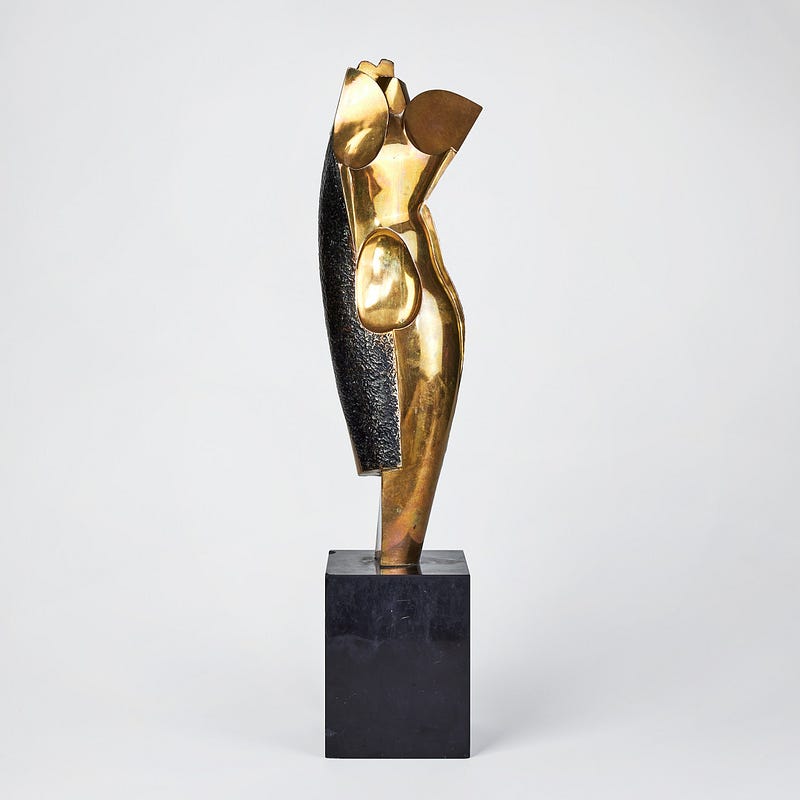
Evaluating ROI in Antiques and Collectibles
Measuring the ROI for antiques and collectibles can be challenging due to the variability in factors (rarity, condition, and market trends). Nevertheless, numerous studies and historical records provide insights into the performance of these investments over time. For this article, we will rely on data from various authoritative sources to indicate ROI percentages for each category.
1. Art
Art has long been a preferred investment for those seeking to diversify their portfolios. The allure of owning a piece of history, a creation of a renowned artist, or a masterpiece of human expression is undeniable. Throughout history, art has not only appreciated in value but has also played a significant role in reflecting societal changes and cultural shifts.

Historical Perspective
Art as an investment can be traced back to the Renaissance period when wealthy patrons commissioned works from artists like Leonardo da Vinci and Michelangelo. These commissions not only supported the artists but also provided opportunities for the patrons to accumulate valuable assets.
The modern art market emerged in the 19th and 20th centuries with the establishment of art galleries and auction houses. Artists like Vincent van Gogh and Pablo Picasso gained fame during their lifetimes, and their works have since become highly sought after.
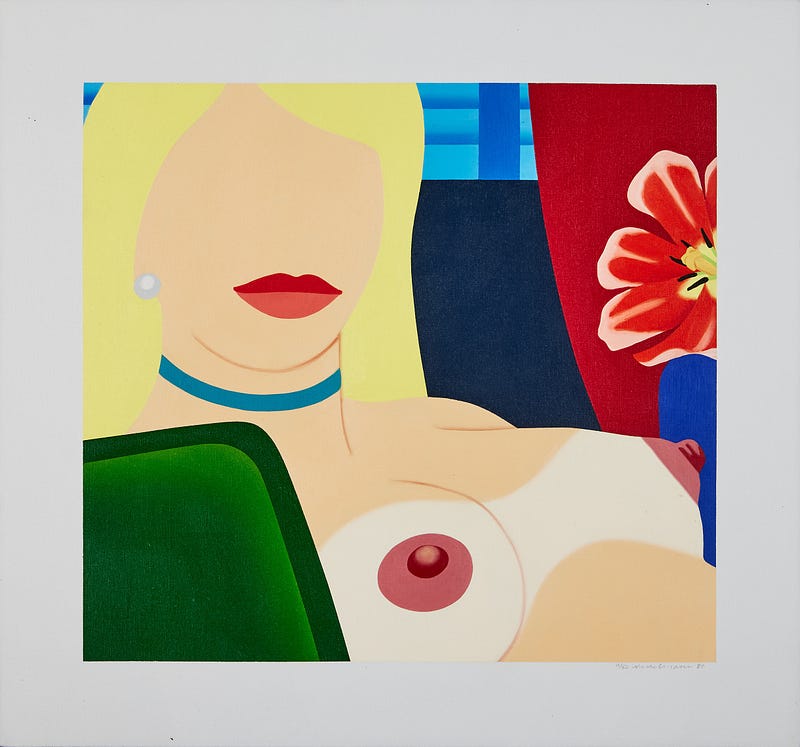
ROI in Art
The ROI in the art market can vary widely, depending on factors such as the artist’s reputation, the rarity of the work, and market demand. According to a report by Artprice, the global art market showed an average annual ROI of 5.3% from 2000 to 2020. However, certain works of art, especially those by renowned artists, have seen much higher returns, often in the double digits.
It’s important to note that art investments can be highly speculative and require expertise to navigate successfully. As a result, investors often seek the guidance of art advisors and appraisers to make informed decisions.
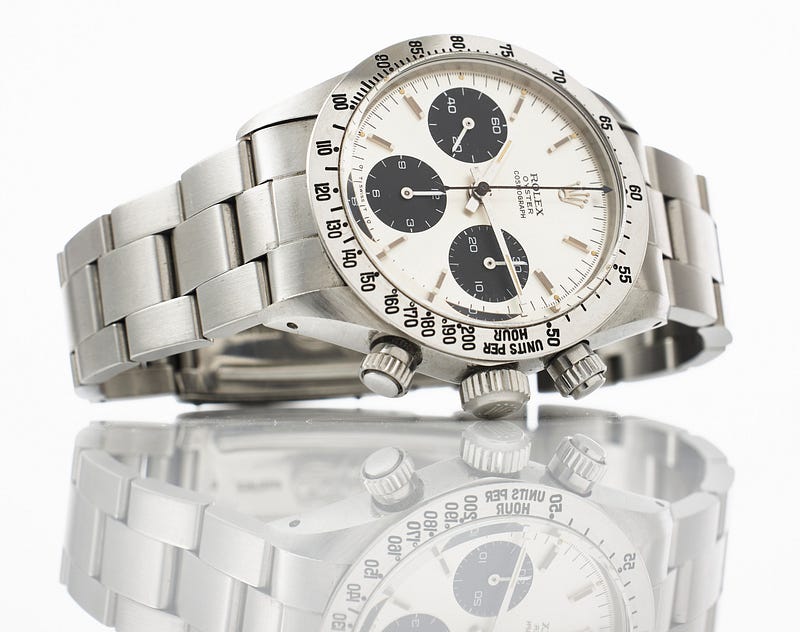
2. Watches
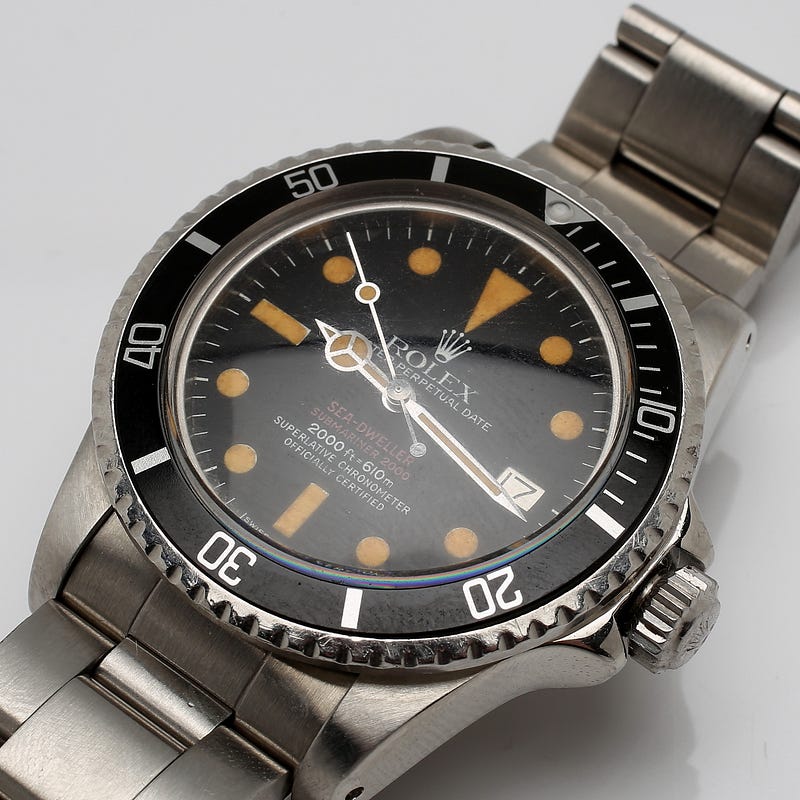
Watches are more than mere timekeeping devices; they are miniature pieces of engineering and craftsmanship that have captivated collectors for centuries. From intricate pocket watches to modern luxury wristwatches, this category boasts a rich history and an extremely promising ROI potential!
Historical Perspective
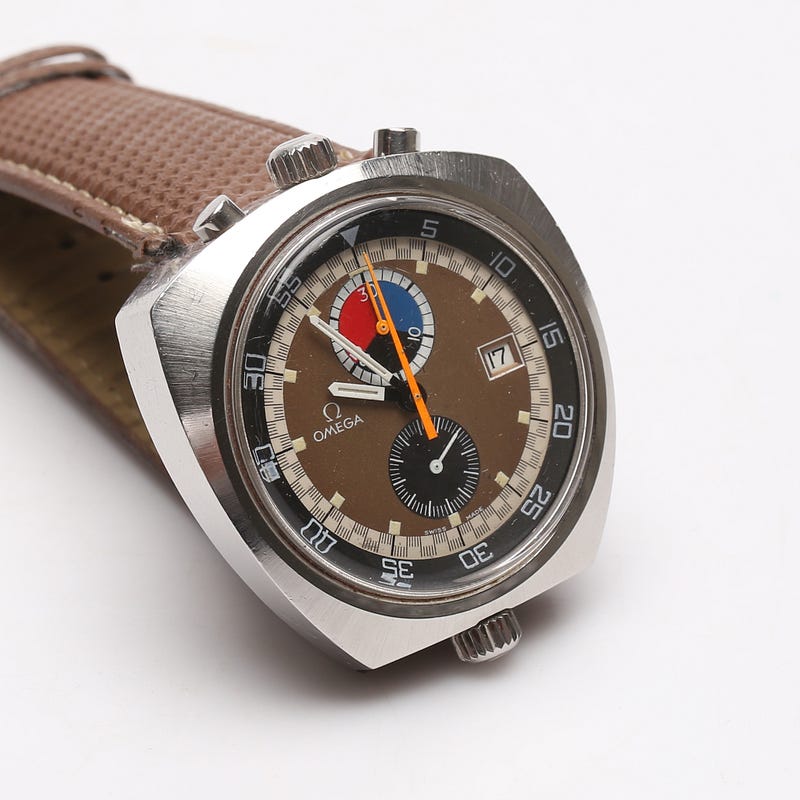
The history of watches as collectibles dates back to the 16th century when the first portable timepieces were developed. Watches were once considered status symbols and were often handed down through generations. Today, vintage and rare watches from renowned makers like Rolex, Patek Philippe, Omega, and Audemars Piguet are highly sought after by collectors.
ROI in Watches
Watches have demonstrated impressive ROI over the years. According to a Knight Frank report on luxury investments, collectible watches delivered an average annual return of 51% from 2000 to 2020. (Compare that to high-yield savings accounts or savings bonds…and here you can hold the item in your hand — or rather, on your wrist. Bear in mind here, that AAR is calculated by taking the total ROI and dividing it by the years of investment). The limited production of certain models, the desirability of vintage and military pieces, and the appeal of luxury brands have contributed to this exceptional performance.
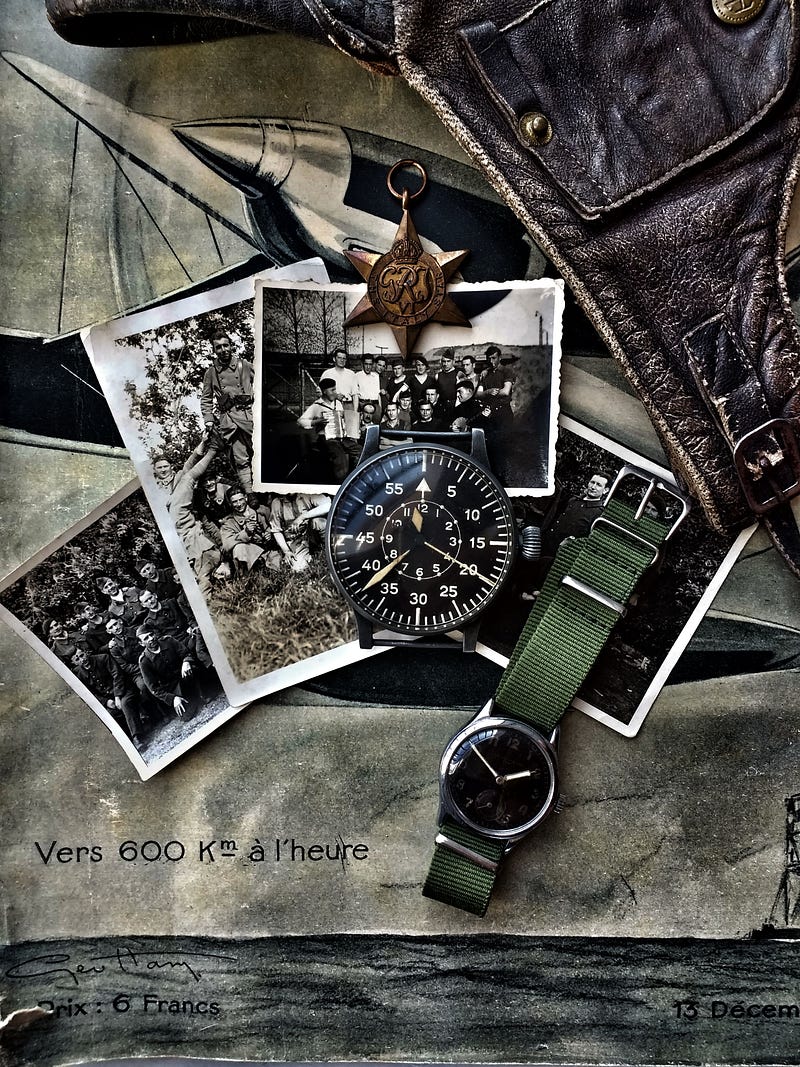
Investors in the watch market should be aware of the importance of provenance, condition, and authenticity when evaluating potential purchases. As with art, expertise is invaluable in making sound investment decisions in this category.
3. Jewelry
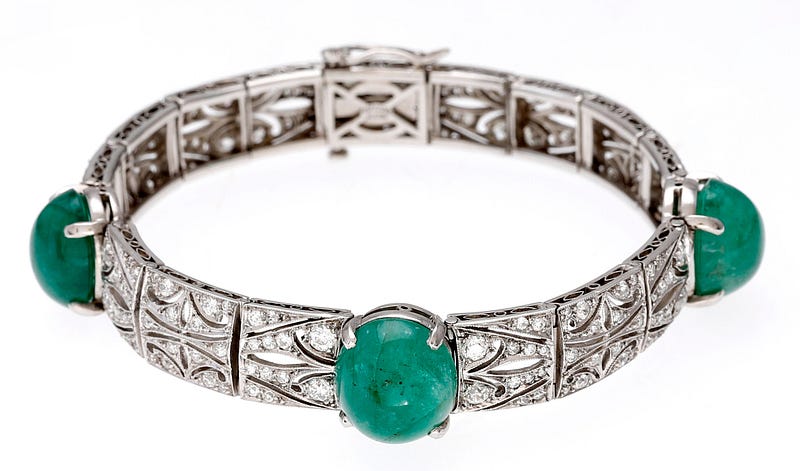
Jewelry, with its allure of precious gemstones and exquisite craftsmanship, has always held a special place in the world of collectibles. From ornate antique pieces to contemporary designer creations, jewelry offers investors a tangible and enduring asset.
Historical Perspective
The fascination with jewelry dates back thousands of years, with ancient civilizations creating intricate adornments using materials such as gold, silver, and gemstones. The concept of jewelry as an investment has evolved with time, driven by the inherent, intrinsic value of precious metals and gemstones.
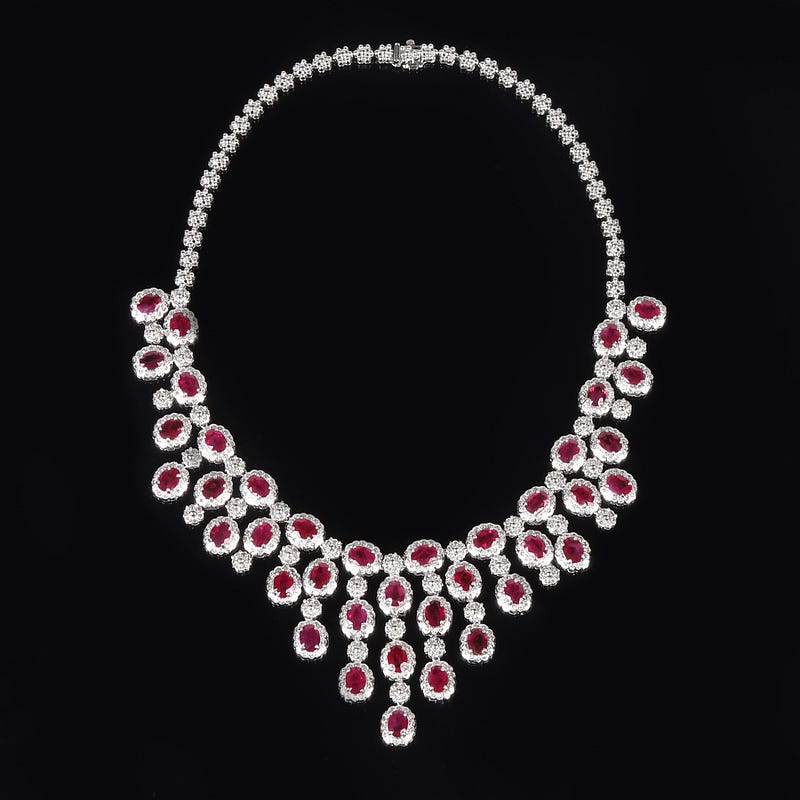
ROI in Jewelry
The ROI in the jewelry market can vary significantly based on factors such as the quality of materials, design, and historical significance. According to Knight Frank’s luxury investment report, jewelry delivered an average annual return of 4% from 2000 to 2020. While this return may seem modest compared to other categories, certain pieces, particularly those with rare or large gemstones, can appreciate significantly more.
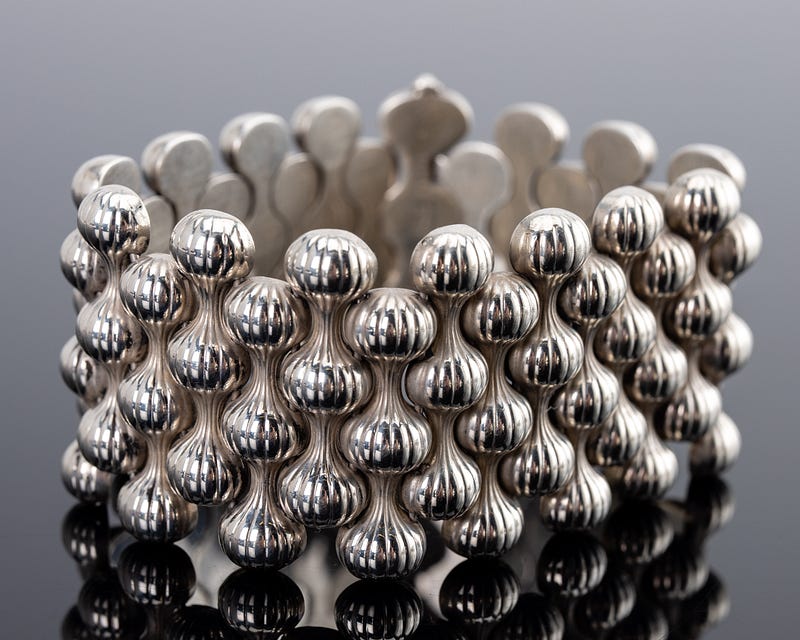
In the world of jewelry investment, understanding gemstone grading, craftsmanship, and the historical context of pieces is crucial. Additionally, investors should consider the role of jewelry as both a fashion accessory and an investment asset, as trends in jewelry styles can impact market demand. Good names and limited vintage pieces in high quality rarely depreciates in value — and they look good too!
4. Coins
Coins offer a unique blend of numismatics, history, and investment potential. Collectors and investors are drawn to coins for their historical significance, rarity, and the opportunity to profit from their appreciation in value.
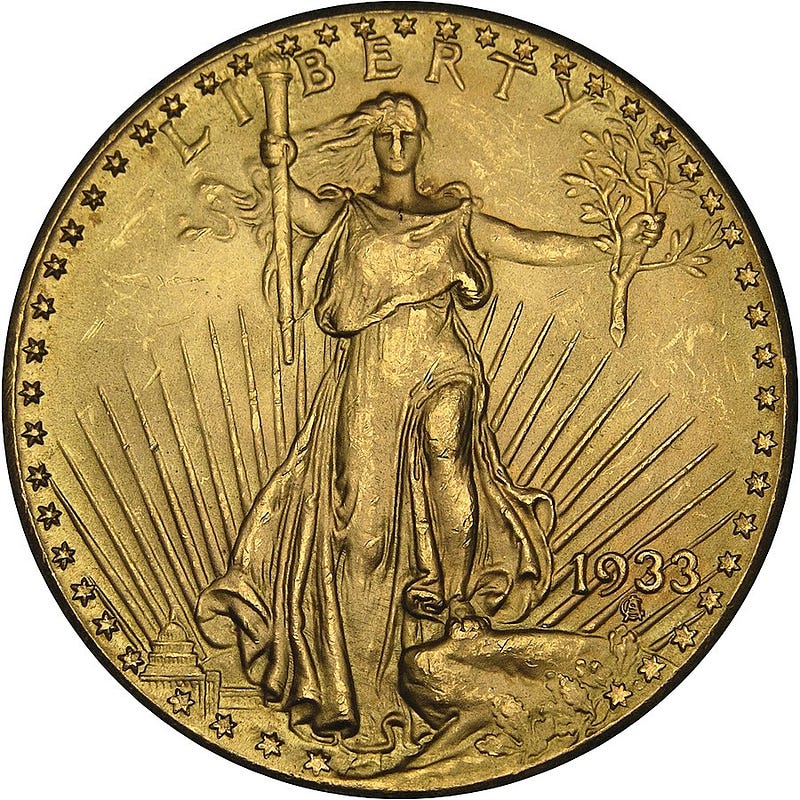
Historical Perspective
The history of coin collecting, (known as numismatics), can be traced back to ancient civilizations, where coins were often minted to commemorate significant events or rulers. Over time, coin collecting evolved into a formal hobby, and today, it is a thriving market with a wide range of collectors and investors.
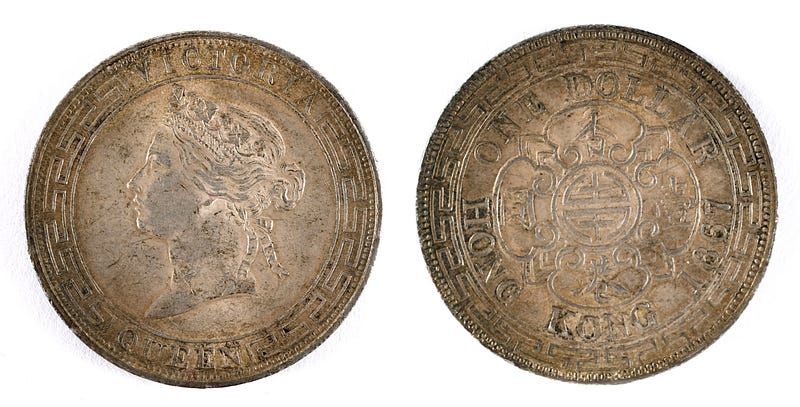
ROI in Coins
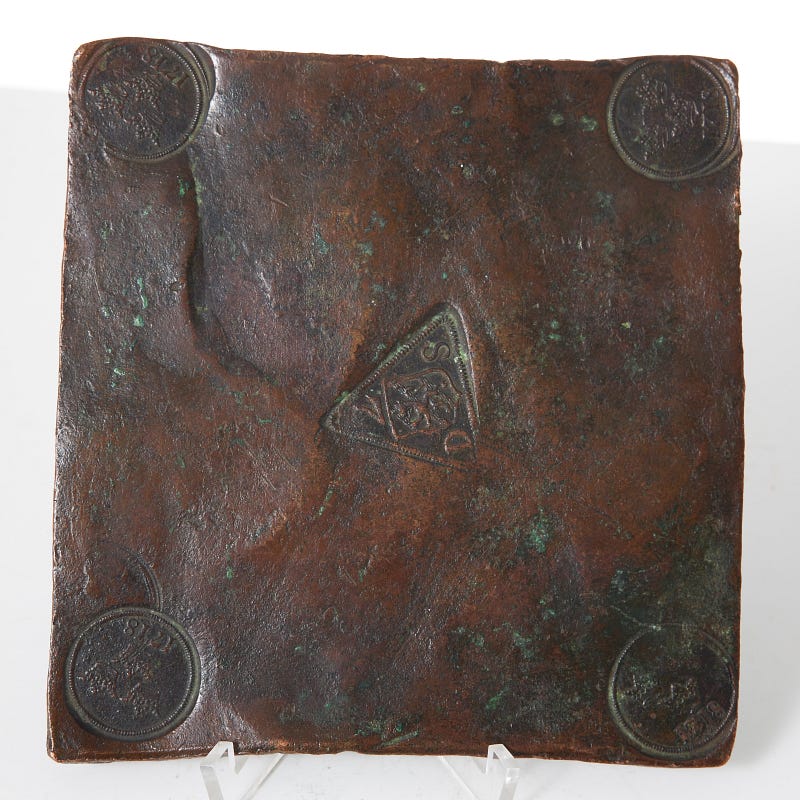
Coins have demonstrated strong ROI performance over the years, especially for rare and historically significant pieces. According to the Knight Frank report, rare coins provided an average annual return of 8% from 2000 to 2020. Notably, some coins have achieved astronomical prices at auctions, further highlighting the potential for substantial returns.
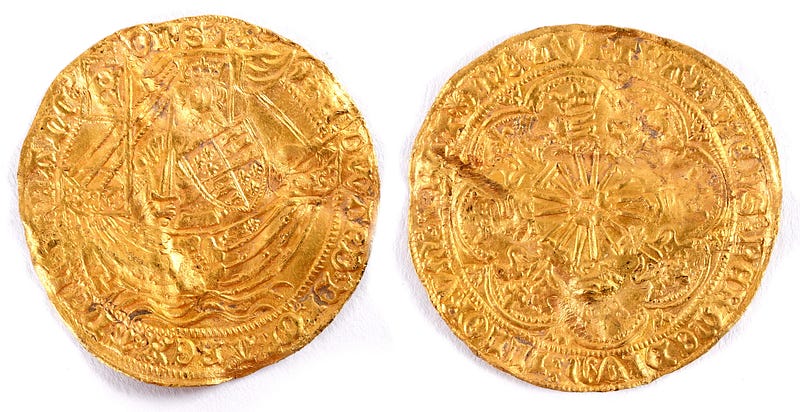
Investors interested in coins should focus on factors such as rarity, condition, historical context, and demand within the numismatic community. Additionally, the market for rare coins is influenced by collector trends and historical events, making it essential for investors to stay informed about market dynamics.
5. Whiskey
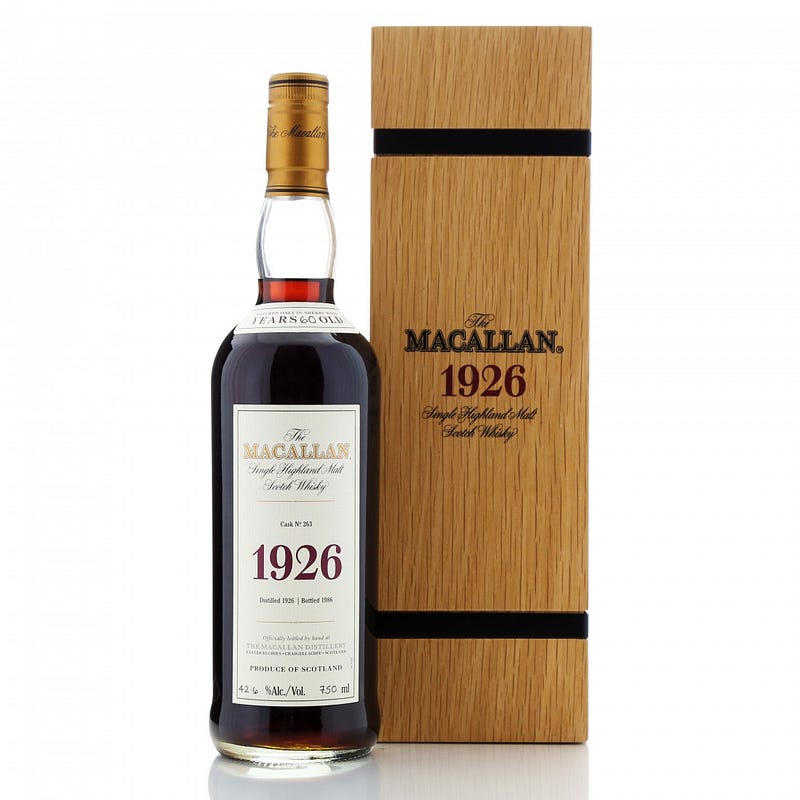
Whiskey! A spirit with a rich and fragrant history, has gained recognition as an investment-worthy collectible in recent years. Rare and limited-edition whiskies, in particular, have seen substantial growth in demand and value.
Historical Perspective
The production of whiskey can be traced back to ancient times, with Scotland and Ireland being recognized as the birthplaces of modern whiskey. While whiskey has been enjoyed for centuries, its role as an investment began to gain prominence in the late 20th century.
ROI in Whiskey
The ROI in whiskey, especially for rare and limited-edition bottles, has been remarkable. According to Whisky Invest Direct, the average annual return for investment-grade whiskey from 2008 to 2020 exceeded 14%. This outperformance is driven by factors such as limited production, aging, and the emergence of whiskey as a global collectible.
Investors in whiskey should be aware of the importance of provenance, bottle condition, and authenticity. As with wine, whiskey is subject to trends in taste preferences and collector demand. Additionally there is also the option of investing in casks that are stored for a number of years, slowly maturing and accumulating a solid ROI.
Conclusion
In this first part of my articles on antiques and collectibles as investments, I have taken you through the historical significance and potential ROI of five of the top 10 categories: art, watches, jewelry, coins, and whiskey. These categories offer diverse opportunities for both investors and collectors - each with its own unique characteristics and considerations.
In the next installment of this series, we will delve into the remaining five categories: wine, furniture, militaria, rare books, and glass. By examining the historical context and investment potential of each category, I aim to provide a comprehensive overview of the world of antiques and collectibles as an alternative investment avenue.