
Data Driven Art
AI Guernica
Machine Learning tools for artists
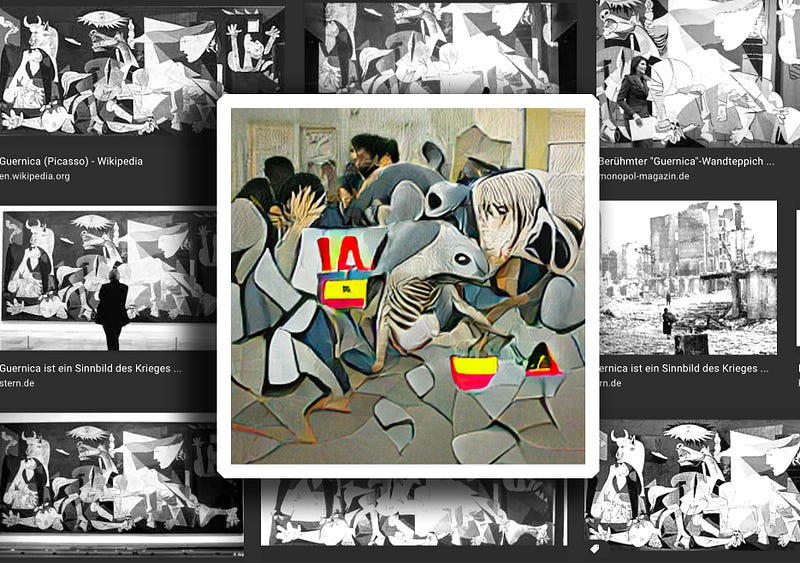
Art is intertwined with all aspects of life, and it has the power to express the human condition. For example, modern machine-learning techniques have allowed us to create new variations on an iconic painting by Pablo Picasso. Art has constantly been evolving, and this is just another example of how new technology is changing the way we experience art.
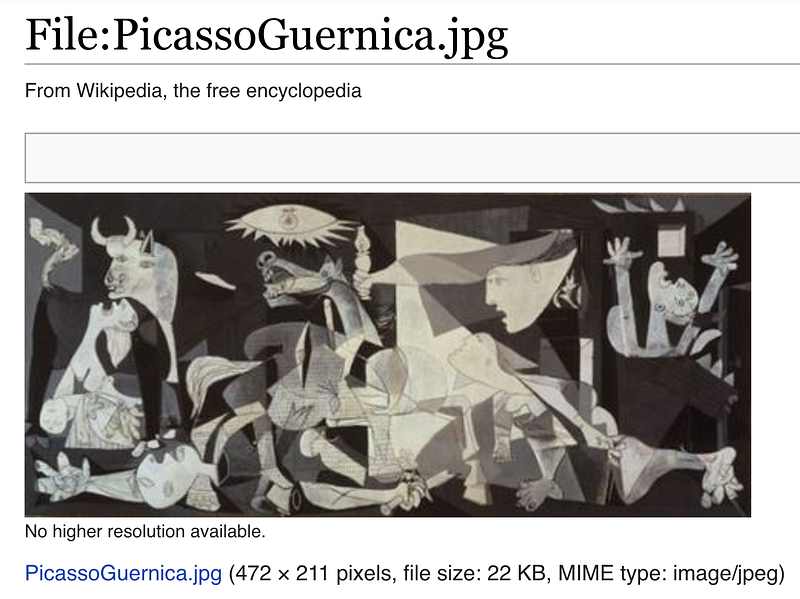
The painting “Guernica,” by Pablo Picasso, is one of the most famous paintings in the world. It depicts the bombing of the town of Guernica during the Spanish Civil War and is considered a defining work of the 20th century. Picasso drew inspiration from a black-and-white photo of a devastated city. What would “Guernica” look like if he drew inspiration from a generated sketch by MLearning.ai.
art.MLearning.ai is a machine learning art model that renders photorealistic images of faces, landscapes, and abstract paintings using Generative Adversarial Networks (GANs) and captioning image models. The painting of “Guernica” by Pablo Picasso is a masterpiece that has accompanied us for over eighty years. It’s a powerful and moving image that captures the tyranny and horror of war — it begins with the titular town in flames as fire rains from the sky (a metaphor for bombing). It then expands to show Spanish civilians, soldiers, and animals alike fleeing in terror from destruction. Though it’s one of the most famous images in contemporary art, Picasso made several alternative versions of “Guernica.”
What if we could apply modern machine-learning techniques to create an endless number of new variations on the iconic painting?
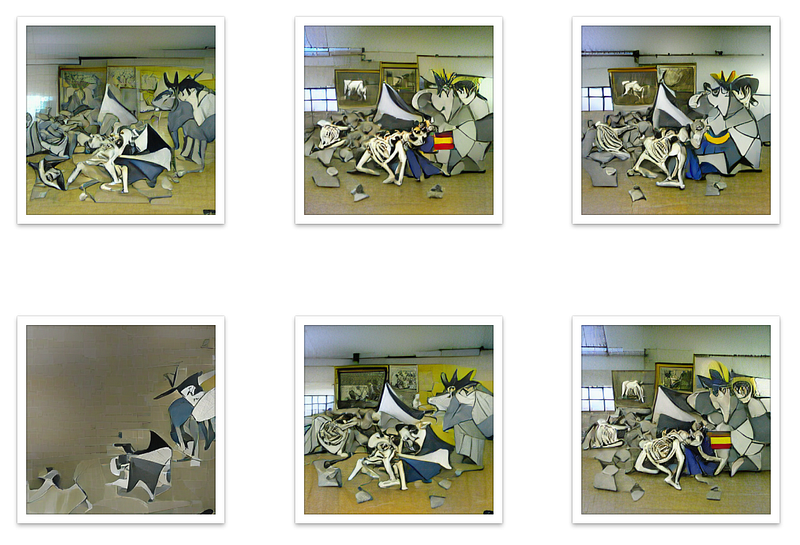
The art.MLearning.ai model was built to do just that; by learning from thousands of pieces of artwork, it creates new images in the style of machine-generated art. The model was created by combining a Generative Adversarial Network (GAN) with a captioning network that provides feedback as the model is evaluated on the generated images.
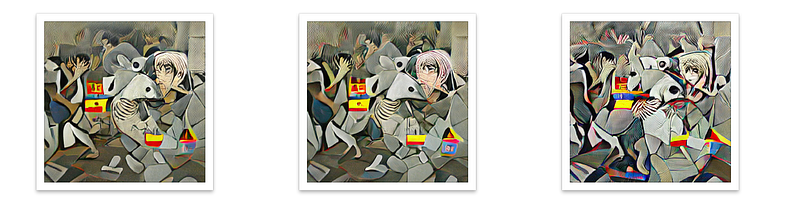
For this experiment, we generated a large number of images using a limited number of inputs and observed several patterns emerging from the training set. We trained for about five hours and developed a range of outputs from sketches to photorealistic paintings. We then hand-reviewed these images for style and thematic similarity to “Guernica.”
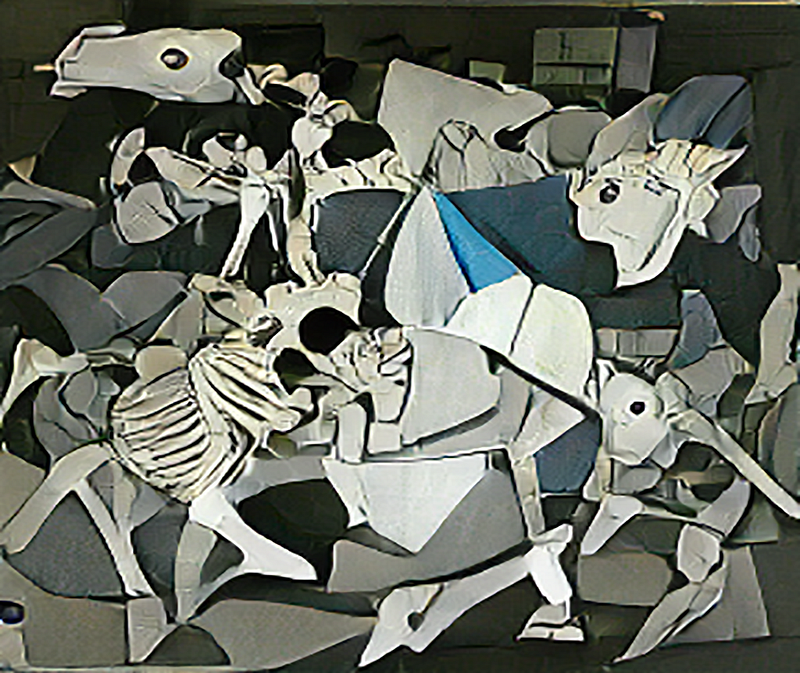
The results are intriguing. The art.MLearning.ai model showed an impressive level of abstraction, but the quality of the output varied widely. Some images looked like photorealism, while others were more abstract in their representation of Picasso’s style. This led to an evolution of fashion as we went further down the rabbit hole.
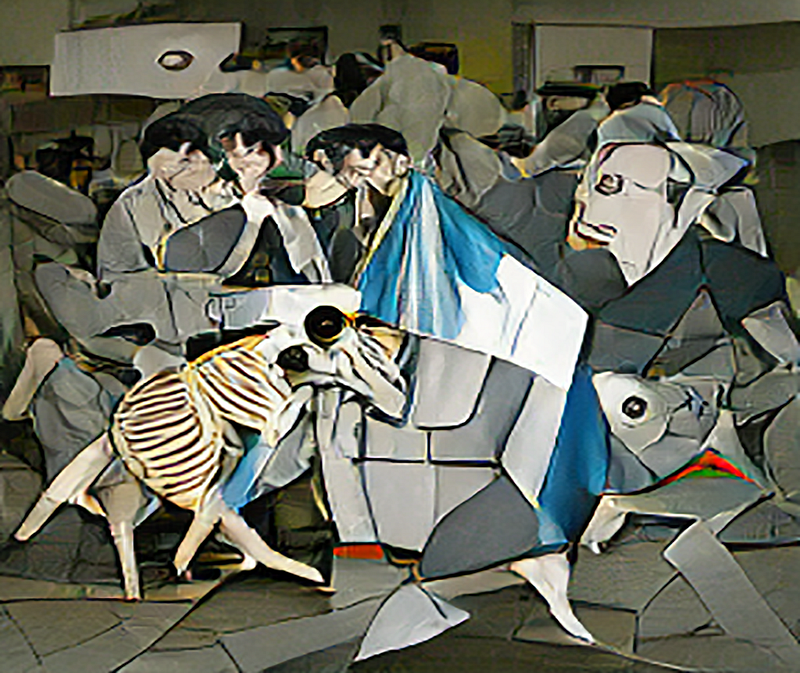
The generated images are not perfect. For example, the abstract paintings are devoid of the meaning conveyed by “Guernica.” This is the compilation certificate of the database used to learn the model.
How to start your adventure with AI art ?
AI & Art (also for Non-Programmers)
towardsdatascience.com
Still, this experiment is a clear indication of how new art technology can impact the art world.
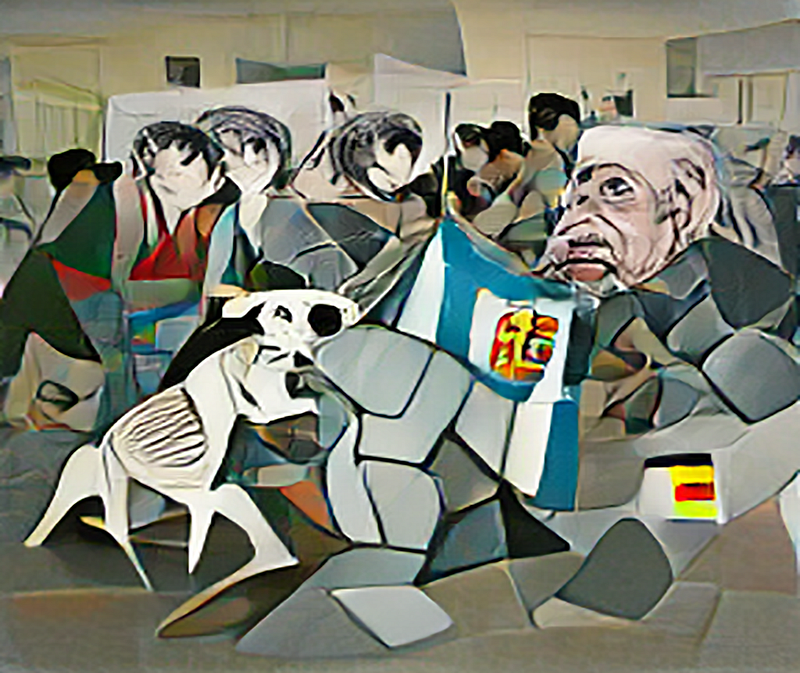
As an AI art curator, I would like to address the issue of machine learning and new innovations in the world of art. Artificial intelligence is taking over all aspects of our lives, and with such rapid development, recent advances are inevitably being made in science. Technological innovation has given us instantaneous access to the best tools for the job. What makes me so keen on penning my thoughts on this subject is because there are so many great benefits this innovation has brought forth. One of these advancements is machine learning, which allows computers to learn without explicitly telling what input to use or what output they want to create. Machine Learning has transformed into an industry that uses algorithms that can generate content without human intervention, increasing the variety of results.
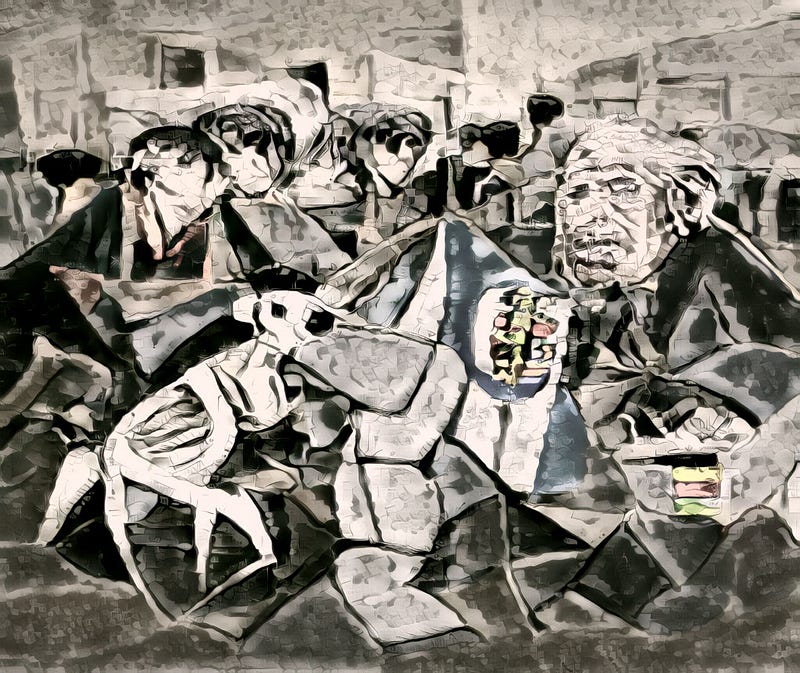
However, this technology is still young and unstable, but I foresee a bright future for this industry. Machine learning is revolutionizing the world of art because it will enable people to create new works without the same level of skill that Picasso had back in his time. As a result, artists will create more unique and elaborate works with relative ease; the only boundaries are those imposed by their imagination.
Join us, with my referral link, to support all talented writers on medium as well.
I am an Art Curator, founder at EvArtology, and ML consultant at MLearning.ai. I advise companies and institutions in the creative industries on using AI tools in their daily work. Human collaboration with ML models can be very creative and bring huge benefits. The new era begins now.


#/media/File:PicassoGuernica.jpg)