
Adjusting Our Inward and Outward Senses to the Rhythms of Nature
I was transformed by what I witnessed from my window
The house was quiet.
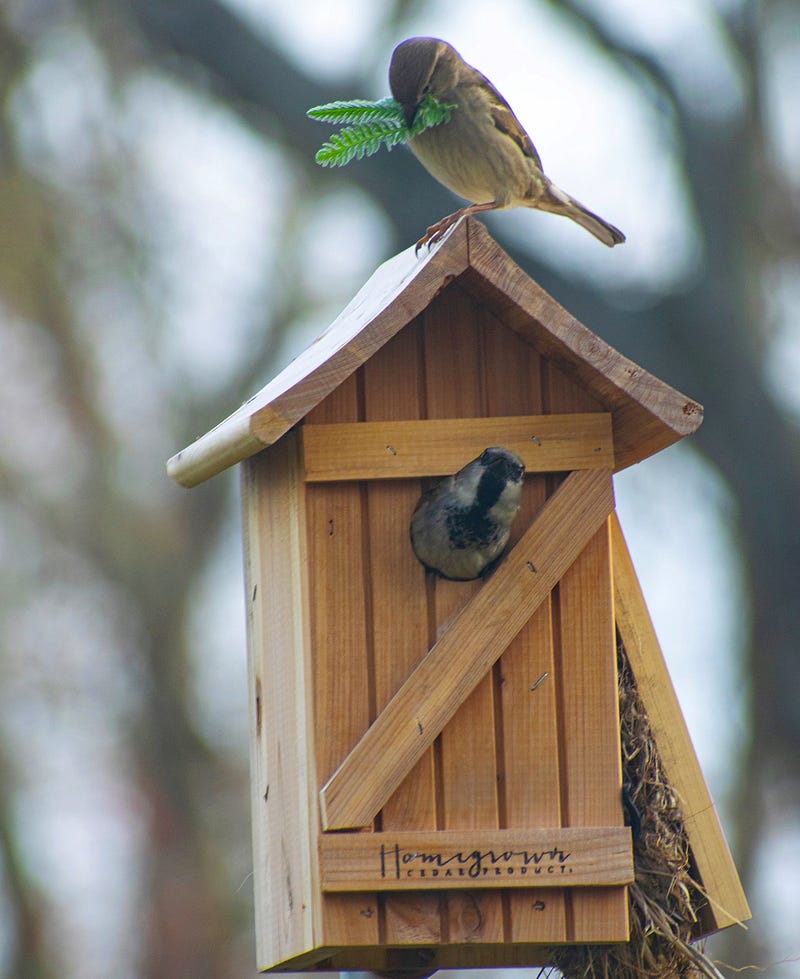
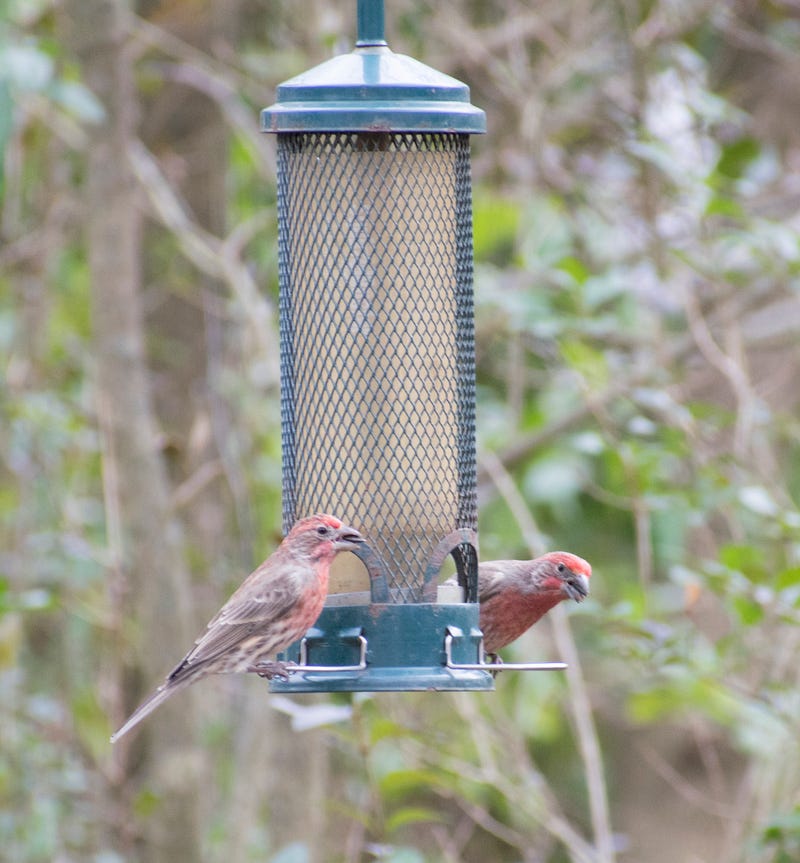
I sat on the couch, alone, sipping a potent Irish Breakfast brew, watching the birdhouse through the window. I grabbed my Nikon. The finches were busy.
Something was up. It wasn’t the usual behavior: the manic flitting here and there for nesting material and food. The male finch seemed particularly anxious. He perched on top of the cedar birdhouse I bought from Amazon.
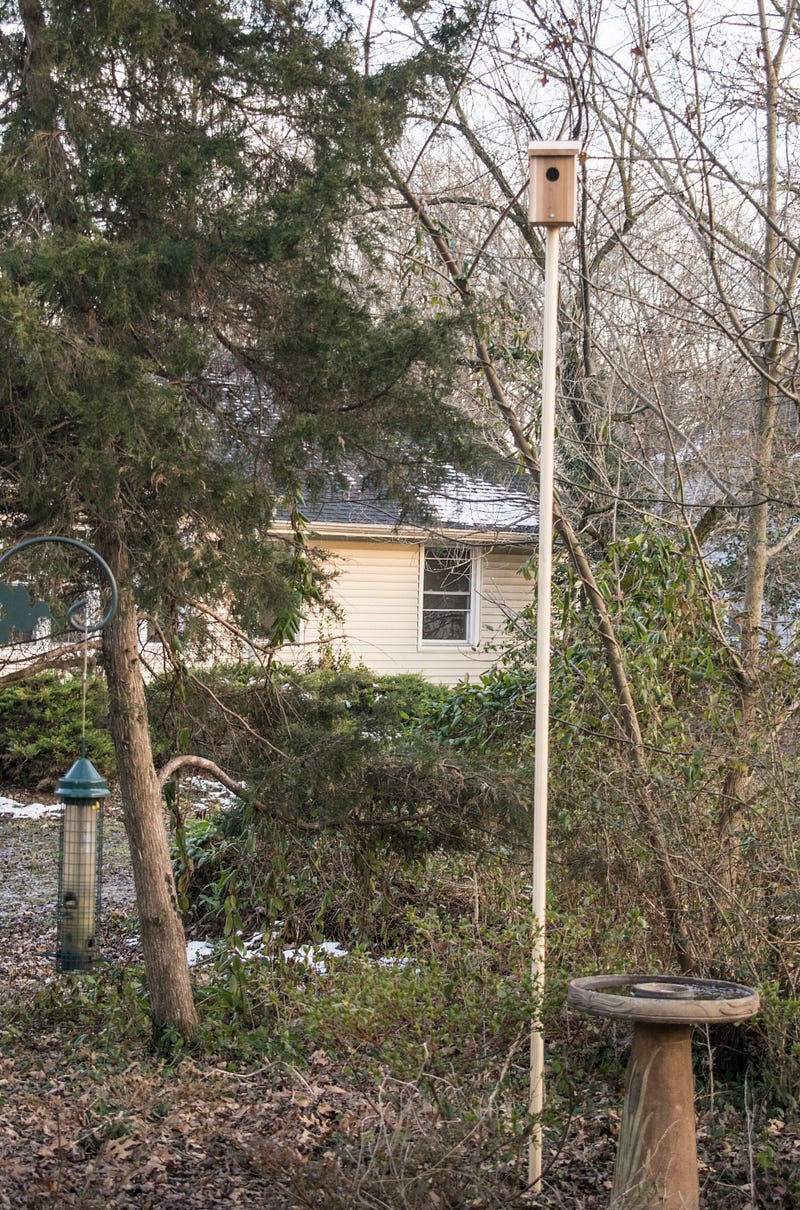
He was squawking. I mean, squawking mean — meaner than the times I’m underneath his house mulching my peppers. A small head poked out of the hole. Was the head ready to launch? The previous year, I stuck the birdhouse on top of a metal pole from Lowe’s, thinking a birdhouse would be a good thing. I love life to surround me.
It’s not something my twenty-year-old “cool self” would ever do, but we are evolving creatures, right?
I sipped my tea and watched.
My wife teases me that I share so many similarities with old ladies: tea, books, gardening, and birds.
I don’t know the head coach of the Yankees, the engine of my car is a mystery, and installing a mailbox is my defining achievement of home improvement. But ask me about worm composting and calcium for tomatoes, and all my circuits fire.
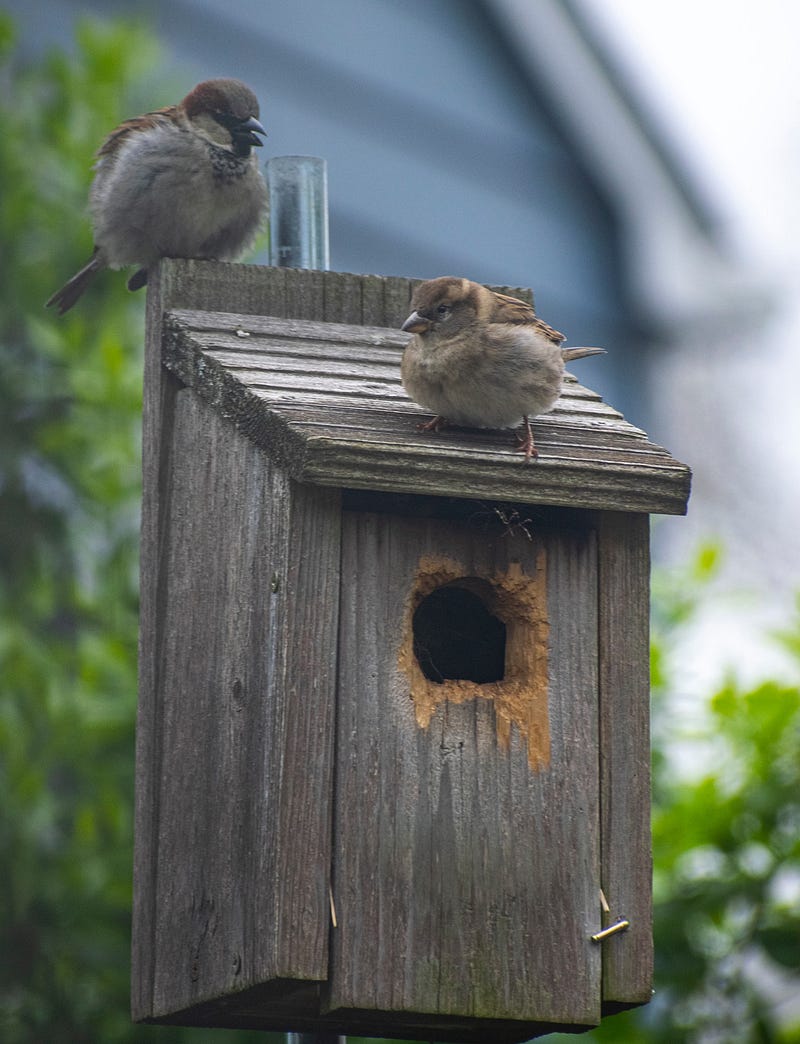
I placed my tea down on a Tonewood brewery coaster on the wood table, respecting the wood, and inched closer to the window. I still don’t know if what I saw was accurate, but the finch swooped down, grabbed the young “chick” — this “finch-ling” with its beak, and tossed the cautious chick out of the house. The chick — now an official “bird” — just like that — flew to a lilac twig.
A successful launch, I suppose. Yeah, but now you need to attract another bird.
I’m not enough of a birder to know if such tactics are widely used, throwing this punk and lazy chick from the basement, but it was a powerful reminder of its pain and necessity: time to find his own food, and to mate, and to make his own nest.
It’s what Emerson taught me about self-reliance, except for the times I need an oil change or my gutters cleaned.
I went about my day, puttering around, making cookies, cleaning, cutting craft-brew six-pack cardboard boxes for a future wall-art project, and wishing my wife needed me for something. If I’m needed, there is no excuse for putting off what you should be doing, right? Preparing for the next stage in life?
Oh, but don’t we love explainable excuses for procrastination?
Instead of the hard stuff, I located every rechargeable battery in the house that needed charging. I scrubbed the stove and washed down the white kitchen cabinets. I gazed out of the window and realized the morning glories could use some worm compost. And a squirrel had toppled a few edging stones!
Nature doesn’t love walls, right, Frost?
So I dug through my worm bins, wishing good morning to the thousands of worms that toiled in my tea bags and leaves and lettuce scraps and tomatoes. I don’t think tomato seeds ever get composed. Just too hearty. And the tomato plants pop up in the most unusual places. And I fixed my rock wall — until toppled again by a squirrel or a skunk or an opossum.
Tired, wishing someone would come home, I sank down on the sofa again, with a new, hot mug of Earl Grey, and took out a pen and paper. Typing on the computer leads me into Internet wormholes of despair.
Then I saw the finch again. Oh, that busy, busy finch. But something was amiss. What was wrong, Finch?
Why no longer alive with activity? Why so dormant as a winter morning? Why just stand still? For a long time, he remained motionless. Did he want a sofa, too, to chill? Relax? Did he have no idea what to do either?
His head would turn here, and there, as if to see the world anew; no longer what was needed for the nest or his brood. He was successful. He mated, and raised the chicks, his replacement in the natural world, and now they were gone.
Gone — just gone. Would they return to say, “Hey, pops!” Would they stay local? Keep in touch. Did he cry a finch tear — remembering the stench inside the birdhouse with all that chick poop and the chirp chirp chirps for always more and more food and attention?
Was he bored? Was he ready for a new family for the next season? Did the neighbor’s cat kill his beloved Mrs. Finch?
I wrote this observation down. I am that bird. So many of us are that bird. For years I complained about driving my girls to dance practice, to a bassoon tutor, attending football games for a successful marching band, and where the football team always lost by 93–3. I fly ‘here, there, and everywhere ‘— like Paul McCartney, only not as good-looking. Cooking dinners every night.
Oh, but that Finch. I’m that Finch. Call me Mr. Finch. But unlike the outside finch, he eventually flew away — off for more work and labor, but I just sat there with my cheek warm with the tea. My insides were warm now, too.
So what now Father Finch at Fifty-Two?
Now I’m off to my own labors. Time to write. Finalize that memoir, edit, once again, that completed novel, and outline a new novel. Make dinner for the wife. Be there when she needs me — and give her space and time and care for her to get through this hectic stretch of her life. Tend to the garden. Contemplate landscape changes. Where to put the next birdhouse? Even in winter. Finish reading that biography on Napoleon. Then join my friends for a craft brew at Tonewood to talk music and literature and our next podcast.
Yes, Daddy Finch doesn’t need to be so lonely. Now he can nurture his own needs, but still, be there as an adviser and supportive finch for when the chicks visit — or when the busy wife needs a backrub and an ear.
Thank you for reading!
PS: The title comes from Emerson’s Nature. Chapter 1.
Here are a few other articles of mine from The Environment:


