
This Is What You Shall Do to Grow Amazing Tomatoes
Hey, everyone! It’s Walter Bowne — an aspiring Master Gardener!
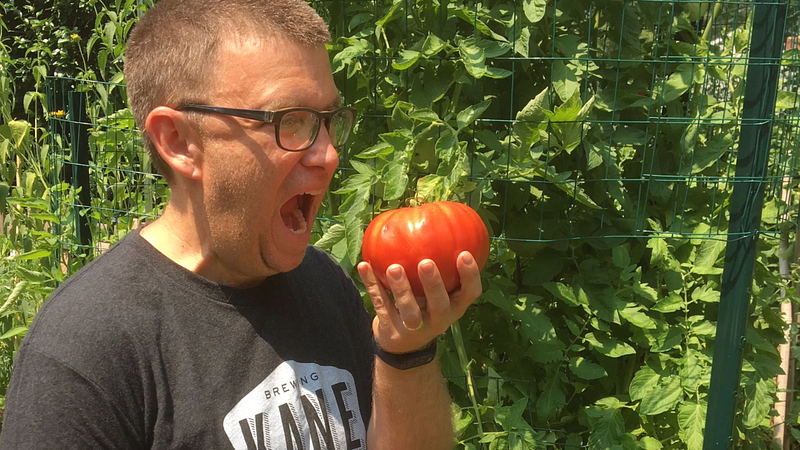
Let’s Talk Tomatoes!
’Tis the season, right — with the ground now in many parts of tomato growing zones above 70 degrees. Tomatoes love the heat — and you’ll find out soon.
Why do you need some hip, gardening dude in a great headpiece to tell you how to grow tomatoes? Well, many of you may buy ’em at Walmart and stick ‘em in the ground and hope that Nature takes over, right?
Well, not really — unless you want horrible tomatoes! I used to think I planted tomatoes correctly. Then I got crappy tomatoes! For me, I was taking it personally — the Tomato Gods were spiting me!
What did Nature have against me?
Now, after years of trial and error, and attending a phenomenal in-person lecture (remember them?) by Mike McGrath of the defunct NPR’s You Betcha Garden, I now grow killer tomatoes — not the type of Horror Film Fluff — but the type that will make your sauces, your salsa, your sandwiches, and your salads — and everything else that may not begin with an “s,” cry out in juicy, citric acid ecstasy!
Here in the Garden State of New Jersey, I had my handy-dandy notebook and took copious notes during the lecture. I also recorded the lecture on the sly, because my ear and hand and brain coordination often times malfunction due to aging software. I’m still awaiting a Walter 2.0 system update.
This is What You Shall Do To Grow Amazing Tomatoes.
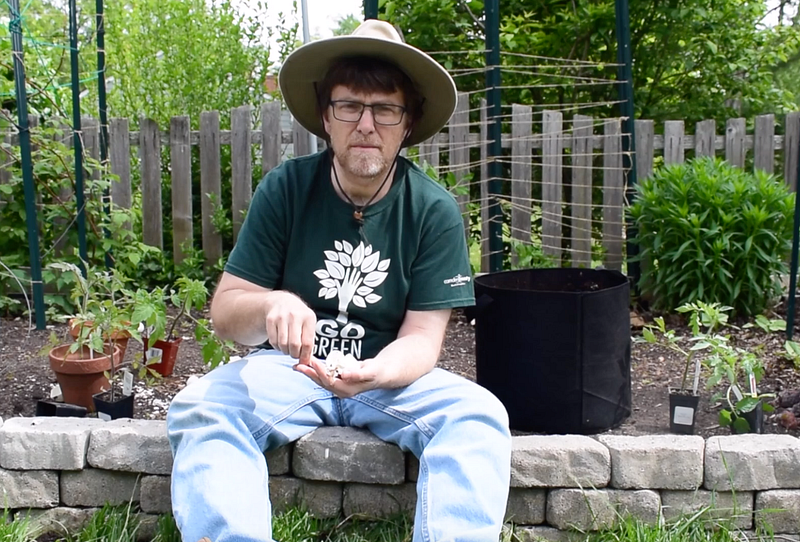
It’s All About the Calcium: Eggshells
Throughout the year, I collect eggshells. I don’t put them in my worm compost or outside compost bins. They don’t break down, right? Like human bones in the ground. I just wash the eggshells in warm water — a good rinse — to scare away the legionella and rubella and salmonella and other odious words that end in “a.”
I either collect the eggshells in a container or just tuck them snugly away in future tomato beds. Tomatoes not only love calcium; they adore calcium. And boy do I get upset when my wife or daughters forget and merely toss the precious shells into the general compost or worse — into the trash.
“Yo yo yo, girl,” I stammer, salvaging the eggshells after a daughter makes a Spanish omelet. “Are you depriving my tomatoes of nutrients?”
Use twelve crushed eggshells per plant. Medium or Extra large eggs — it’s all good. If twelve was good for Jesus, then it’s good for the tomatoes!
Make sure you mix these shells in at the bottom of the hole. The calcium will feed the root ball for a long time. You know — bones and all.
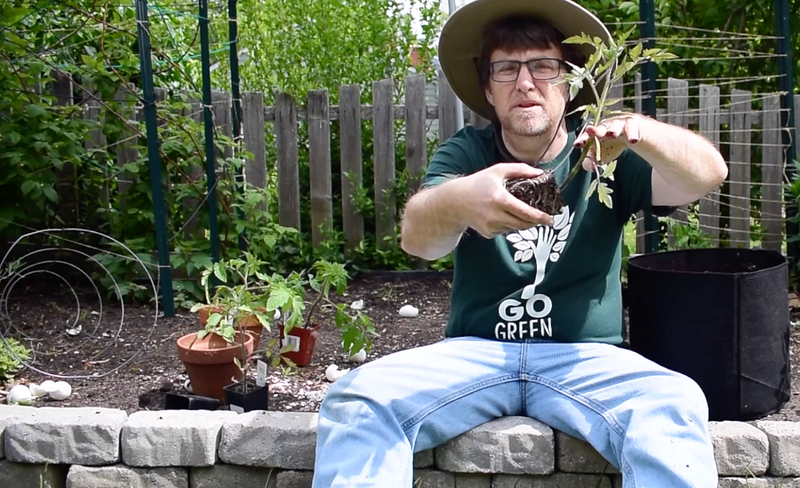
Go Deep and Sideways When Planting the Young Plant
I always grew bad tomatoes for two reasons: I didn’t know what the heck I was doing, and I was planting the tomato all wrong. Don’t plant the tomato at ground level. This will create a leggy tomato. And don’t try growing things in a window. Your plants will have the legs of a ZZ Top toxic male fantasy porn, and you will have lousy tomatoes.
Bury that baby deep in the bed, even covering the early leaves of the plant. Believe me: do this! It seems crazy, but the craziness doesn’t end there. You want to twist and turn the root ball so the length of the root ball rests on the bottom of its eggshell and soil bed. And make sure you are using great soil — and I’ll talk about that in a Jiffy-Lube second.
This will create many more roots and create thicker, sturdier stalks. Thick and sturdy is great! (No Michael Scott joke here).
I’ve seen mine (tomato plant) climb so high I could steal a golden goose from a sleeping giant! And all of this means many tomatoes for you, family, friends, squirrels, and chipmunks.
Sharing is caring, peoples!
Don’t Rip, Snip, or Clip the Little Runners — Just Let the Plant Grow!
People think, foolishly, that this will stimulate fruit rather than more green — like deadheading a Jerry Garcia pansy. No — what you’re doing is depriving that poor plant of needed energy cells.
Think of the leaves as energy generators. Polar panels! You can have the green and the awesome tomatoes. The two go together like Bert and Earnie and Captain and Tennille — wait. They divorced. Polar panels? Was I trying to be alliterative and oxymoron-ic? Solar panels, man!
Never mind.
In fact, some overprotective, well-meaning gardeners think they must fuss over their plants, thinking they’re attentive. Don’t over-parent. Let your children be!
Like my child here — this yellow plum tomato. I love color in my salads and salsas — like peppers, right? And plum tomatoes make yummy sauces — or gravies, for those fortunate enough to be Italian.
Can you teach me to be sexy and a great cook, Mama Rosa?
Just Say No to the Tomato Cages, Unless Your Cage Can Contain King Kong
When I was a really bad tomato grower, I used these little cages. You see them all over the place. These are fine if you are growing patio, determinate tomatoes on the porch, with enough light, of course.
Because they worship the sun more than the Ancient Mayans, tomatoes would get melanoma if the tomatoes were people.
Do you honestly think a Big Boy or Brandywine or a Rutgers variety will care about staying confined in this tiny cage? If so, you’re in serious trouble, brothers, and sisters!
Yeah — just try to contain its growth — especially when the summer gets serious and the humidity of August makes everyone miserable except the tomatoes and the squash and those demonical squirrels.
I’ve seen fellow gardeners at the community garden where I used to toil my patch at Barclay Farms — trying every which way to contain the vines. And when we are talking about heavy fruit here — you need something strong to keep everything upright and secure with enough air to circulate and for the bees and the butterflies to pollinate the flowers.
Do you want to look ridiculous in rigging up crazy contraptions? I have, and I’ve hurt myself and punctured wound myself — and almost lost an eye with those stupid cages.
Now, I have injured myself for produce, and all of my stuff is as organic as I can get it. I can’t help what my neighbors place on their grass or what falls from the sky — but you can minimize the risk if you take careful precautions.
Also, watch your step around the holes.
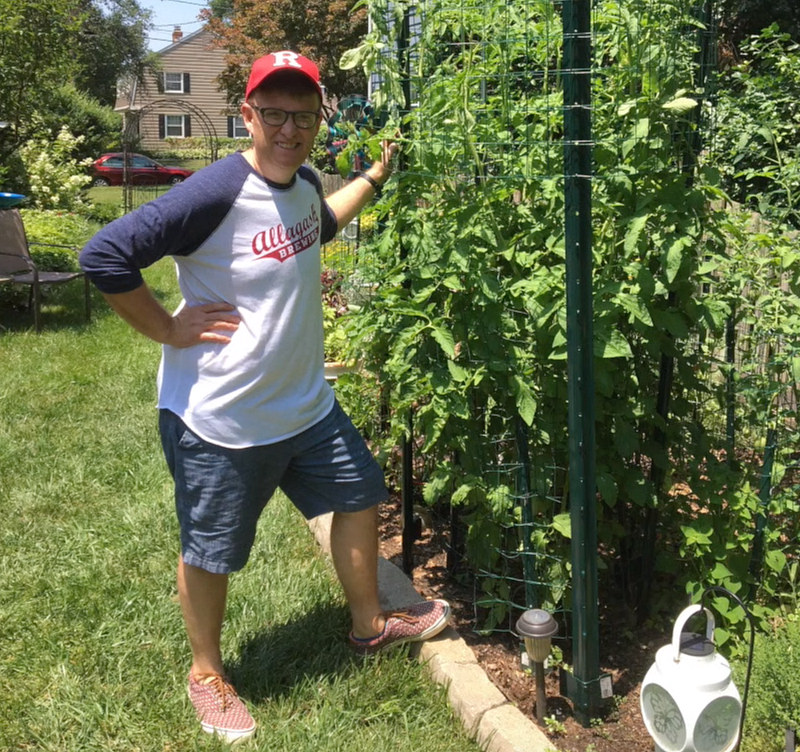
If you want to be serious, you want a support system for a plant that may grow as high as 16 feet — or two and a half Walter Bownes. My ego makes up for my lack of height!
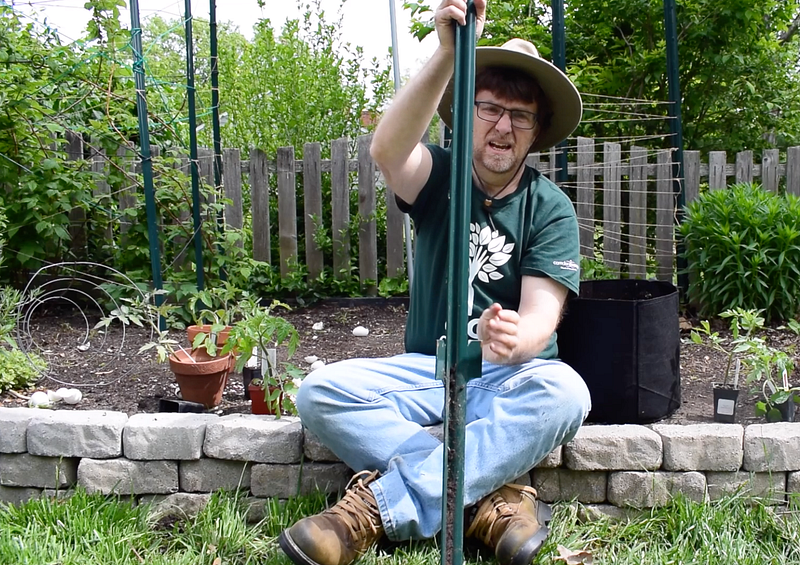
It can really take over, the tomato and my ego, depending on the season and the weather, and what kind of soil you have. I use these sturdy green fence-things from Lowes or Home Depot and drive them into the ground with a heavy mallet from atop a step ladder. Yes, dear reader, I have hurt myself, so be careful, and have someone hold the ladder!
It makes me feel manly — like a gentleman farmer! And it can make you feel womanly, too — or whatever makes you feel human-ly!
Make sure the poles or stakes are solid. You should also have the stakes slanting slightly away from the hole. I’ve run into trouble when the three or four poles start to create a cone shape at the top. Coneheads were fine on Saturday Night Live in the 1970s— but not for cages!
Now, you’ll either need heavy-duty twine or something that may last more than a year. I used twine last year — and now it’s just good for the birds and their nests. Again — nothing goes to waste.
I’ve also used heavy gauge fencing or plastic fencing, and that works well, too, but remember you’ll have to reach in and pluck the tomatoes. Some tomatoes will need gardening cutters to secure the luscious fruit!
Such a contraption may not look pretty in May, but do you want beauty or beautiful and bountiful tomatoes? And by late June and July — the greenery of the plant and those tomatoes, especially Early Girls, will cover any odd-looking structure. I also use cardboard from Amazon and craft beer runs for walkways that I cover with leaf mulch.
Determine Whether Your Tomato Plant is Determinant or Indeterminate
This does not mean that the tomato cannot make up its mind. Determinate means that it will grow to a certain size, and that’s about it. The other type, indeterminate, means it can grow as large as it wants, depending on the conditions and the support.
I have seen my cherry tomato plants climb over fences and invade the yard of my neighbor. Grow bags are good for determinate tomatoes, like the patio or bush tomato plants. You can also move them around, especially if the critters found the spot.
By the way, squirrels hate tomatoes, but they will still eat them. They will leave the slightly knawed tomatoes by the side, just to let you know what awful jerks they are. Don’t tell me it’s not out of spite and kicks and giggles. That’s all they care about.
Avoid Overwatering, and Avoid Watering the Leaves
Tomatoes love morning wood — I mean, morning water. They don’t take baths and showers at night unless Nature decides otherwise. If so, that’s okay. Nature takes care of its own. We’re the ones who cause all the trouble, right Adam and Eve? Imagine if the Tree of Knowledge was a Plant of Tomato? How would history have changed? Or if Eden was in South America?
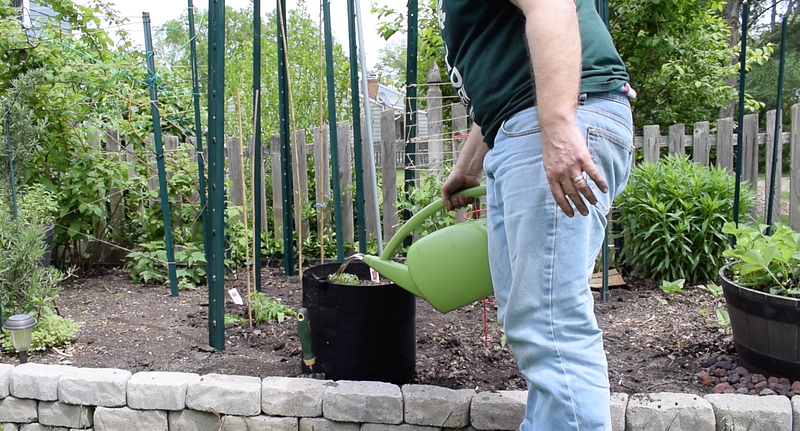
When you water, and water deeply, and water the base of the plant. The original, wild tomatoes are indigenous to South America. Growing at the base of the Andes, these ancient fruits loved the water that came from melted snows, and they loved the heat of the tropics — stretching their long vines out into the desert, or forest.
Each tomato we grow has its soul in that wild tomato from The Land Before Time. So tomatoes love their roots watered but not their leaves. The tomato, almost like a cat, right, we think are domesticated, but they fool us — cats and tomatoes — and sometimes wives. The tomato still has its genetic code, even though all the varieties of tomato, including the luscious heirlooms, are far removed from the Plant Tomato Original — or PTO.1.1
Watering too much may cause the leaves to yellow. But please water. They soak it up. And are thirsty buggers! Where does all that juice come from anyway? The Juicy Juice Company?
Now, if you forget to water deeply in the morning, and you want to do it in the evening, I’m not sure that’s such a problem. You may just want to wait until the next day and water your plants in the morning and water at the base.
Just don’t spray the whole tomato plant like you’re washing your car, okay? And what’s up with washing a car? Isn’t that such a waste of resources?
Don’t Rush the Tomato Plant Before Its Season
“To everything, turn, turn, turn,” right?
Tomatoes won’t do anything until the ground is about 70 degrees. They’ll exist. They just won’t be happy. It’s like basil, you know.
I have greenhouses and they keep things at a high temperature until they’re ready to go — like peppers, but my greenhouses are usually for cold weather crops, like lettuce, which feeds my family for months on a variety of types of lettuce. They also keep the critters away.
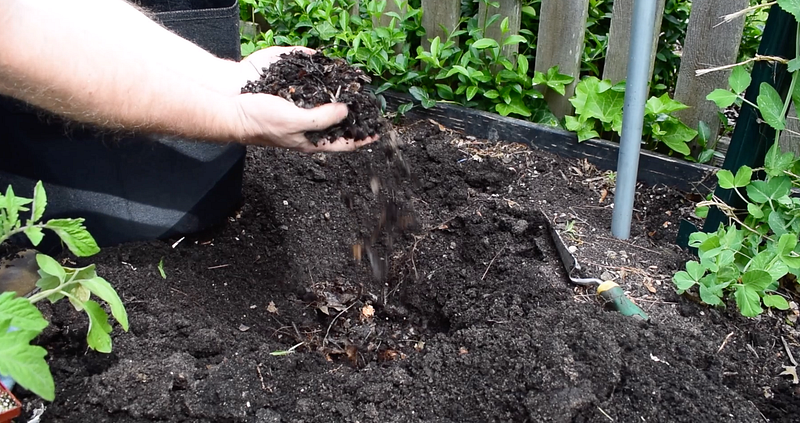
Compost! Compost! Compost!
Tomatoes like compost. I use my own leaf compost and worm compost. I compost all of my leaves in the fall and use them to cover the beds, and I feed the leaves to the worms or place the shredded leaves on my grass as a natural fertilizer. So much better than chemicals, right — and much less expensive.
I don’t put any leaves on the curb. Even my pine needles I collect for my acid-loving, Ken Kesey-like plants, like azaleas and rhododendron. Let Nature do what it needs to do. My tomatoes love worm casings — and my wife is perfectly fine with the worm composter in my basement.
Really.
That stuff is Garden Gold, my friend! Don’t forget the worm tea — liquid fertilizer. That’s for another essay! I sometimes get lobster compost, if funds allow. I would avoid mushroom compost. It depletes the nitrogen from the soil. And that’s okay for some plants. Just research!
Good compost will help retain the moisture, keep the plant warm and snug at night, and will keep other weeds from growing too quickly around it. But you will have to do some weeding.
Whatever you do, save the money on wood mulch from those Super Stores. Buy craft beer or great bread instead, and use leaf compost. I’ve piled wheelbarrows full of soil from my composters — and it’s all free, people.
That type of labor is worth it — though not by the billable hour.
Your community may also have compost available. Trucks collect the leaves and compost them for you. It’s light and looks like soil, but just don’t overdo the compost. Your plant still needs to breathe and needs other nutrients.
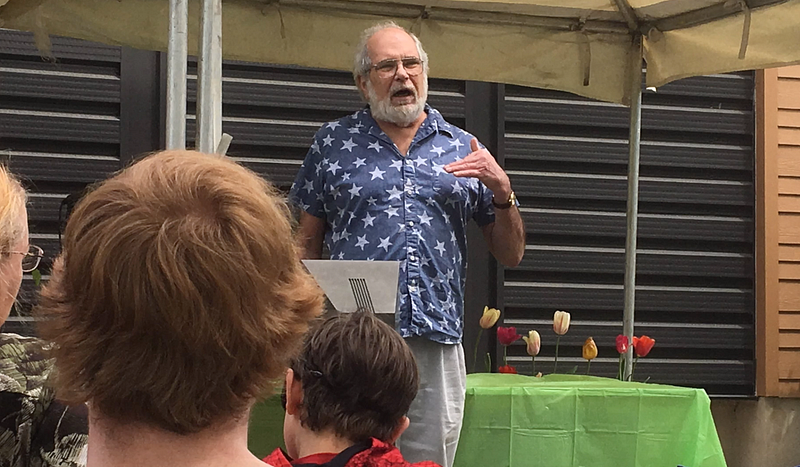
Gardeners Love to Share Information and Their Bounty
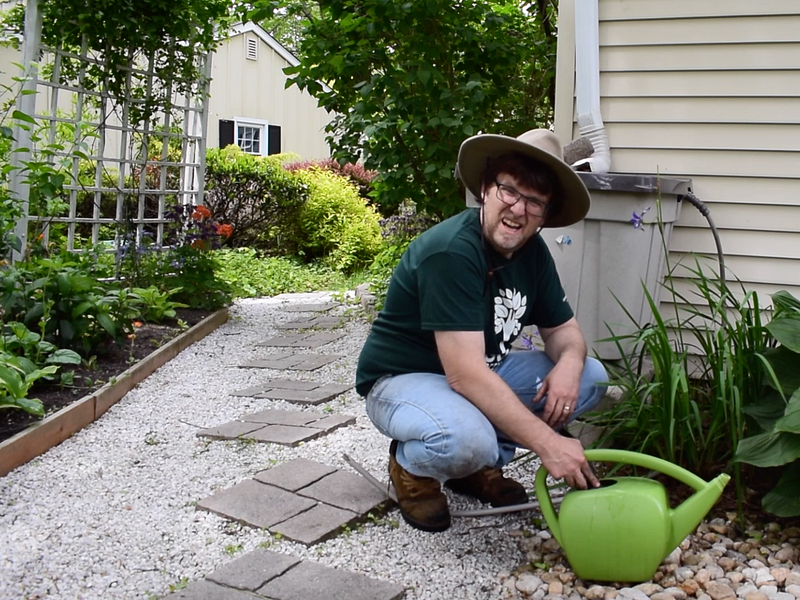
Like Mike McGrath, I don’t take credit for this. I’m just spreading the love like I’m spreading the soil. At some point, look into composting and even getting a rain barrel or two. Most days, I have enough in my rain barrel and overflow units to water the entire garden without running up my water bill.
Don’t worry about making mistakes. Every gardener makes them. It’s part of the fun. But the more you invest your time and energy into the garden, the better your health, and connection to the Earth.
And your food will be amazing — a true Victory garden! And don’t we need more of that, my friends?
Oh yeah — I forgot:
- Don’t plant tomato plants too close. They’ll grow!
- Don’t plant tomato plants in the same place — they’ll catch something called wilt. Rotate the plants and locations— even if it’s over twelve inches.
- Grow a few varieties — especially Early Girls — so you’ll have tomatoes in the early summer and into late fall — depending on the zone.
I hope these tips helped! Happy gardening!
Thank you for reading! You can also watch my gardening video on YouTube.
You can also share your love and concerns for this lovely planet. Just click the below image and write for The Environment


