
Adam Wasn’t The First Human On Earth
Says none but some eye-opening traditions.
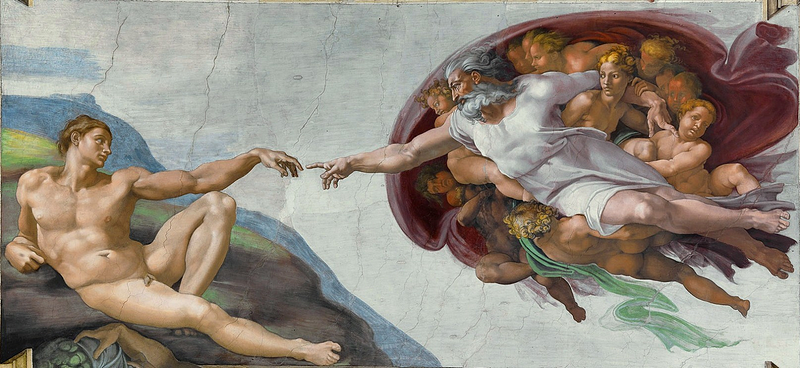
For a long time, we have believed Adam was the first ever but is he?! One of the main reasons that we humans believe that Adam was the first human is because of religion.
For this article, we will take references from the Bible to know if, in fact, Adam was the first human ever.
It is mentioned in the Bible that God created humans on the 6th day of creation.
Later comes the story of Adam and his creation, and some modern scholars believe that this is nothing but an assumption that the story of Adam is somehow related to the creation of humans.
When looking back into history, we don’t find any concrete evidence that shows us that earlier humans were in any way concerned if Adam was the first human or not.
Until and after Jesus, one reason being the religion he brought with him came — this was when humans were well settled on Earth.
The Debate Of Evolution Versus Creation
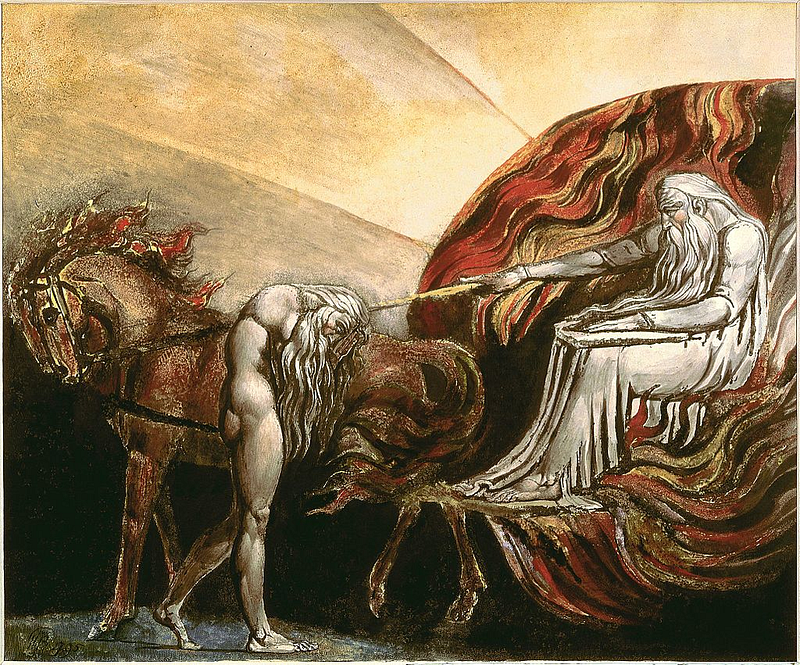
The debate of evolution Versus Creation has long been the most schismatic topic that we have been facing to date.
People from every possible Faith have been arguing for a long time, and this, in some way, has led to our children not being able to know the other side’s concerns — the side favoring the evolution part.
One of the main reasons why the Bible and modern science are incompatible with each other is the interpretation of what the Bible says about Adam and him being the first ever human being.
Correcting this or having some tolerance for others’ points of view would take Genesis out of the realm of mythology and put it somewhere into known history, a well deserving place.
The Mythos of Sumerians, The First Civilization
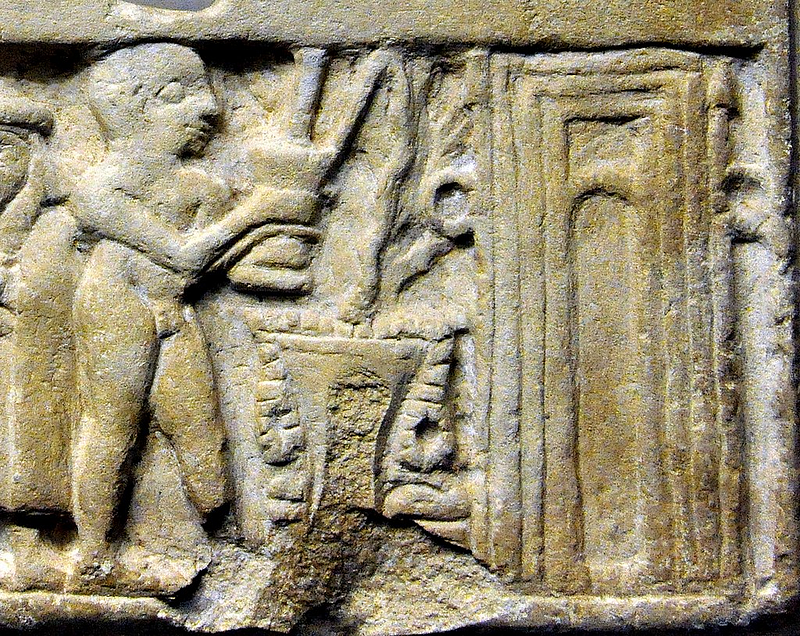
Sumerians are often believed to be the first civilization of the world — a civilization that first began in Mesopotamia more than 4,000 years ago.
This extremely knowledgeable civilization has invented a lot of stuff that we see a modern version of in our times.
Soon after the Sumerians started large-scale farming and securing their food supplies, this super-advanced civilization of their time turned to writing.
It didn’t take long for the Sumerians to reach an advanced level of writing, where they wrote stories of their past to pass on to future generations.
The surprising thing here is the Sumerians don’t accredit their ancestors for any of their advancements and inventions, but they claim everything that was thought to them was by an Immortal Human-like God.
Some of the tablets contain stories similar to those found in Genesis, which also include the story of Adam and Eve.
Sumerian mythology impacted the civilization that followed and especially the Akkadians. Later came the Greek and the Romans mythologies which also echoed somewhere around the same theme.
All these mythologies spoke of multiple Gods in human form who lived just like humans and reproduced in manner, but their lives were full, and they had nothing to worry about like us humans.
Coming back to the creation of Adam in Genesis — if Adam’s creation took place in an already populated world, the time period of that would be the time of the Sumerians.
The Book Of Moses And Its Unique Interpretation
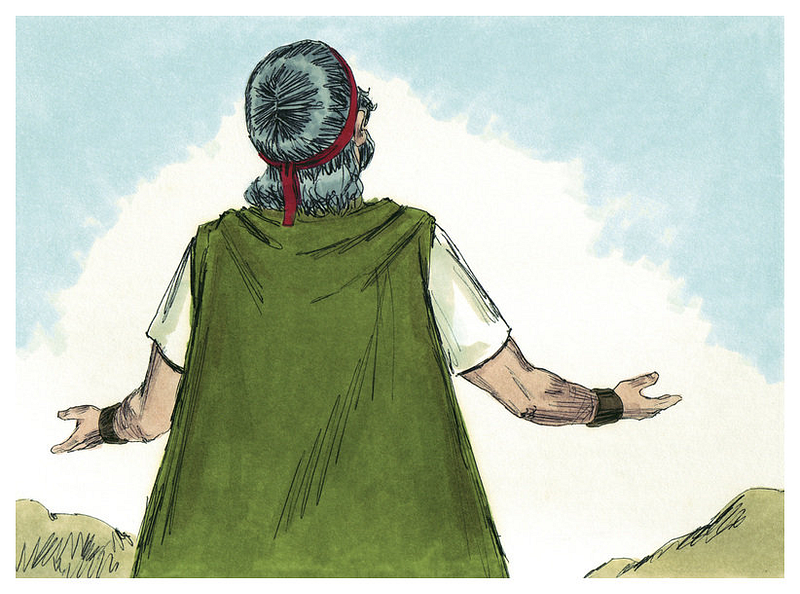
The story that The Book of Moses tells us is different and unique from the rest of the stories that are out there. The part that differentiates the stories of the Book of Moses from the rest is that it claims that there is One God.
In today’s world the Book of Moses is more accepted than Genesis, which people of this day and age think is nothing more than some old mythology.
One of many reasons that the Book of Moses has been so widely accepted is because it denies the Great Planetary Flood because, scientifically, it is believed that the whole world was underwater around 3 billion years ago, and at that time, no land even existed.
This is because it is genetically confirmed that humans, which exists in today’s world, share common ancestors — ancestors derived from the African continent thousands of year before the Genesis event.
The only part that modern researchers can agree upon in Genesis is the first 5½ chapters of Genesis — this part of Genesis is more in sync with the modern interpretation of the history of humankind.
Was Adam The First Man?
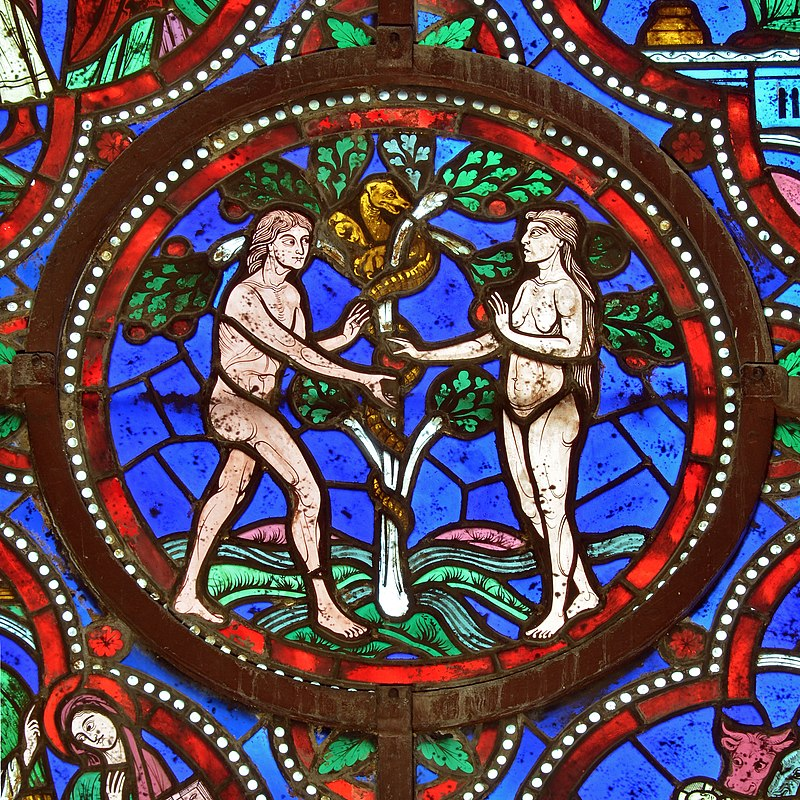
It may be hard to swallow at first to know that Adam was not the first Mankind to have ever walked on Earth or Heavens l.
One reason for this to sound so unbelievable is because, for so long, we have been hearing that the first ever human that God created was Adam — now, if anyone says anything contradicting, it makes us feel uncomfortable.
However, when we talk in the context of the evolution of life, it all starts to make sense.
The aspect of new species or humans with their own free will and long lifespans is nothing more than the adaptations or sea animals crawling onto the land or the change of single-celled organisms to multi-celled organisms.
Another leap in the progression of humankind is the progression of homogeneity. However, even if a much more advanced form of the human species actually appeared just a few thousand years ago — they don’t exist anymore.
The reason described in the story is a large flood which must have washed away every living being that existed during those times.
Mass extinctions have been playing their role throughout the history of life, and mass flood is the last of many corrections that shaped life as we know it.
Final Words
Whether Adam was the first of God’s creation of humankind or not, we will leave that to you to decide.
However, my take on this would be that some stories are better not altered and believing the fact that Adam and Eve were the first of our kind is just something that is soothing to believe.
In a sense that we have had a beginning but on the other hand, the more we learn about the evolutionary perspective of humans, the more sense it starts to make.
More from the author:




.jpg)
