
Rare Historical Photos From Around The World That Made Us Say “Gosh”
Historic photographs that actually bring history to life.
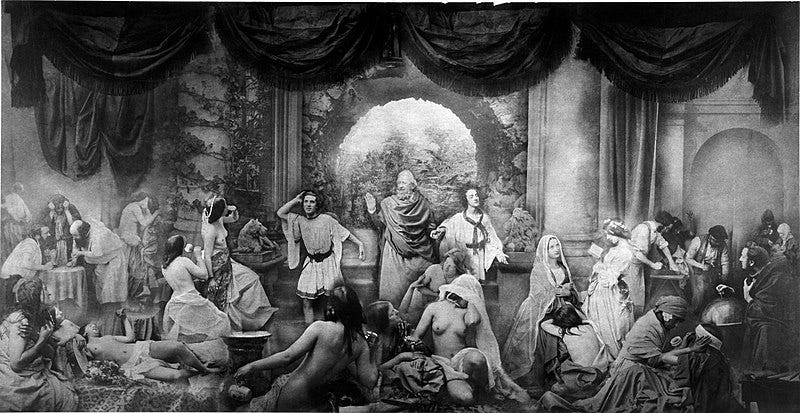
The history of humans has been full of events, whether good or bad, and a lot has happened during the period of modern history — the history which is by far the most well-preserved.
The best way we see a glimpse of history is after the invention of cameras.
As the cameras got better and better, photographers from around the world started capturing a glimpse of the events that took place in our history. Below you will find some pictures that are as rare as can be.
Racial Segregation
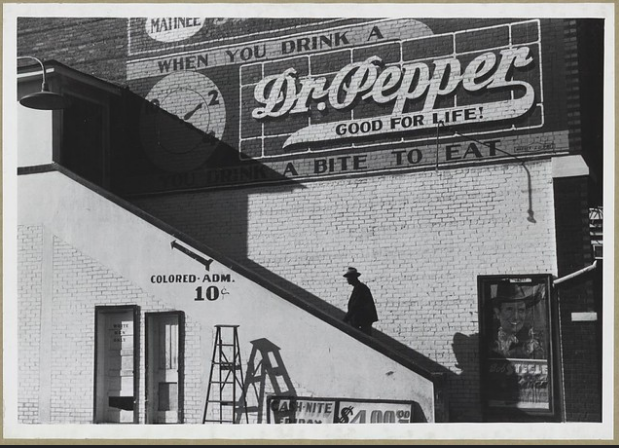
There were two forms of racial segregation — the first and official was the Black Codes. These laws were made and passed in the Southern part of the United States around 1865. The law dictated most aspects of Black’s lives, whether it be the place they were allowed to work or a place they could live at.
Later came the Jim Crow laws, the name derived from a derogatory term that was used for Blacks. Legislatures made sure that everything was segregated — from residential areas to schools to public parks, which included benches to theaters and pools, asylums, jails, homes, and even the cemeteries.
Now you might think this is all well, but you are wrong because there is more. The law was so precise that even the small things, like waiting areas, were separated. The city of Oklahoma took things so far that they even segregated the public phone booths.
ENIAC, The First Electronic General Purpose Digital Computer
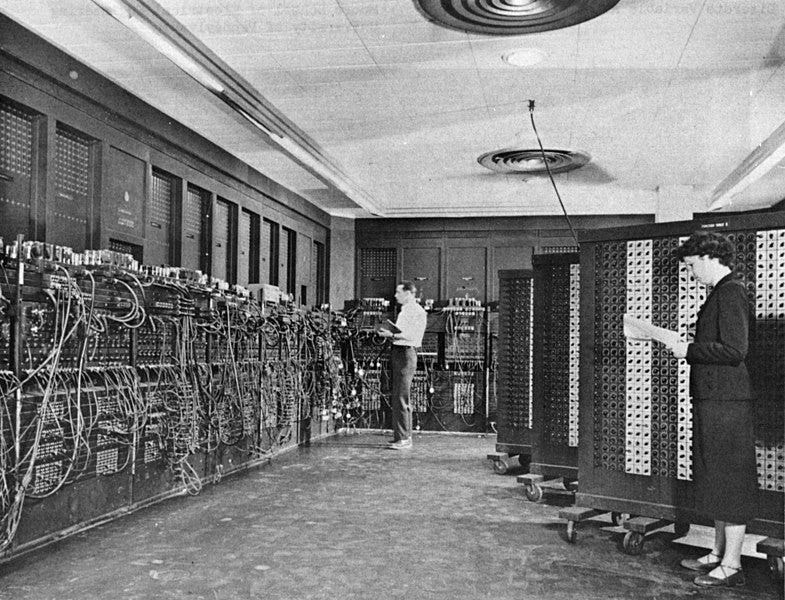
Electronic Numerical Integrator And Computer, commonly known as ENIAC, was a computer that was purposefully built for the United States Military.
The massive 30 tons computer took three years to be made; it was the first of its kind but the second electronic computer to be built after the British Colossus.
The humongous device cost around 6.7 million US dollars after being adjusted for inflation.
One of the main reasons for this bonkers cost was the 19,000 radio tubes that were used in it, which not only made it weigh more than five African elephants but also increased the cost drastically.
These radio tubes were the transistors of their time which are the microchips of our time — to get an idea of how big a modern computer would know that there are about 3 billion transistors in your modern-day computer, we will leave that unto you to figure out how much it will cost and how much will it weight.
Bonsai That Survived Hiroshima Atomic Blast

The Japanese White Pine Bonsai, which was potted around 400 years ago, this old and precious bonsai belonged to a family that lived within a 4 km radius of the point where American forces dropped the atomic bomb in Hiroshima.
The bomb that was dropped on Hiroshima was significantly smaller than the one that was dropped on Nagasaki.
The bonsai made some headlines in 2015 when some people discovered its significance of it.
However, the Japanese believe it shouldn’t be remembered for what it has survived.
Rather, it should be remembered as something that takes us back to the grim times that the Japanese went through after being hit by the bombs.
Another thing that most Japanese think is absurd is the fact that the bonsai has been taken to the United States of America even when it was taken care of by the Japanese citizens for five generations.
New Map Of Europe Displayed for First Time After The End Of World War I
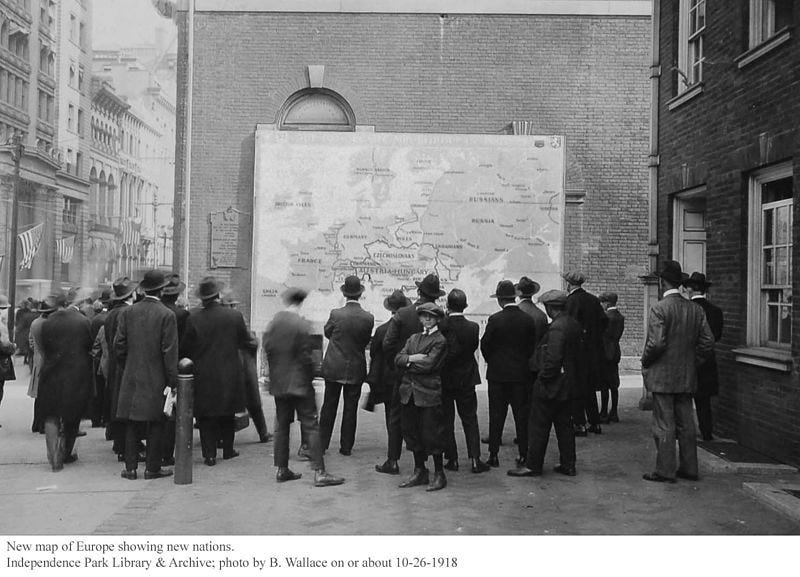
World War I, a war which kept 32 nations engaged from 1914 till 1919 — this war not only cost millions of lives but also redrew the world map and reshaped many borders, especially in Europe, where it was mainly fought.
What were once mighty empires came to their knees — the Austro-Hungarian Empire dissolved into smaller states like Austria, Czechoslovakia, Yugoslavia, and Hungary.
The collapse of the Russian Empire made the Baltics, Finland, and Poland.
The German Empire lost substantial territory and ended up being a small state that we now know as Germany, and lastly, the collapse of the mighty Ottoman Empire formed Turkey.
The Last Imperial Family Of Russia
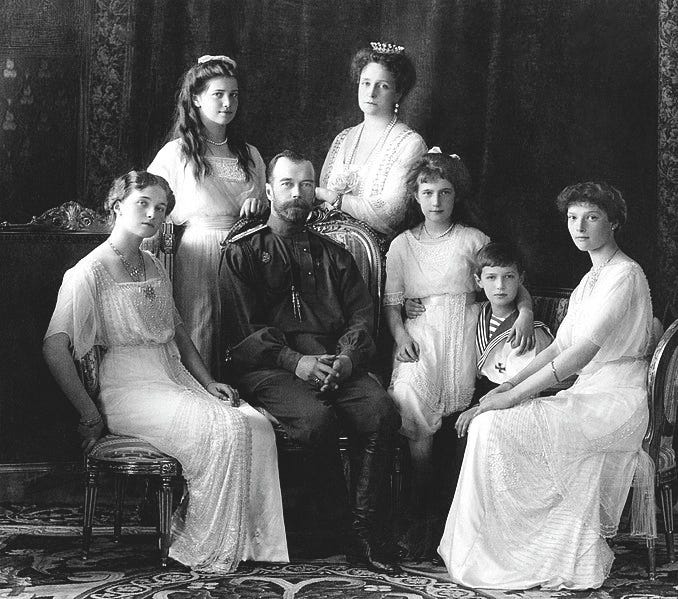
The Romanov Family was the last imperial dynasty that ruled over Russia. A family that first seized power in 1613 for over three centuries.
Throughout this time, 18 Romanovs held the Russian throne, which includes three most prominent — Peter the Great, Catherine the Great, Alexander the first, and the last ruling king Nicholas II.
The reign came to an end in 1916 when the Bloshvik revolutionaries toppled the monarchy, which ended the Romanov dynasty.
The revolution got so bloody that the dethroned king Czar Nicholas II and his entire family were excited by the Bolshevik troops, which also included his young children.
Final Words
We, humans, have been through a lot throughout our history.
The thing that hurts is the fact that we were too busy with genuinely irrelevant stuff that it took us too long to invent the camera.
Because of this, we only have a little part of our history captured in real-time. But I guess this is how our destiny as a human race was written.
More from the author:


