
Absolute Worst Times To Live In Different Countries
History has seen a lot over 4.5 Billion Years.
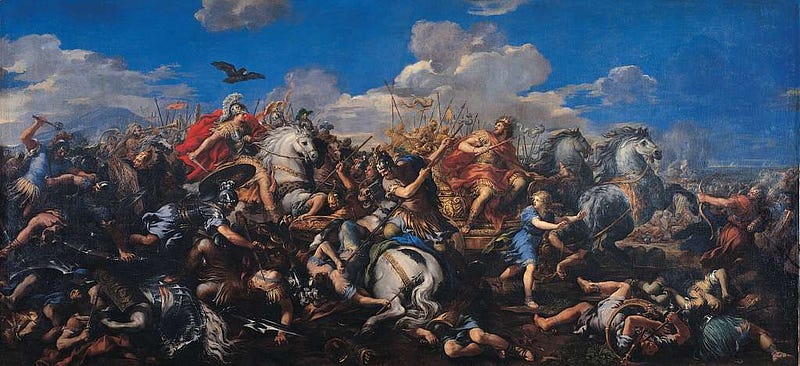
The history of humanity has been full of rough patches, whether it be devastating pandemics or persistent wars. Our elders saw more action in a month than what we see in our lifetimes.
Even when we have all the numbers and somewhat images of what these rough patches were still, it is hard to imagine how it was to live during these brutal times.
Worse times of ours are now only remembered in a statistics form even when we all know they were possibly the worst times ever — like the ones that have never been seen before and in most cases until now.
Below you will find some of the worst times to be alive in history — and we will try to learn what made them so bad that they are still remembered today.
Thirty-Year War From The 17th Century
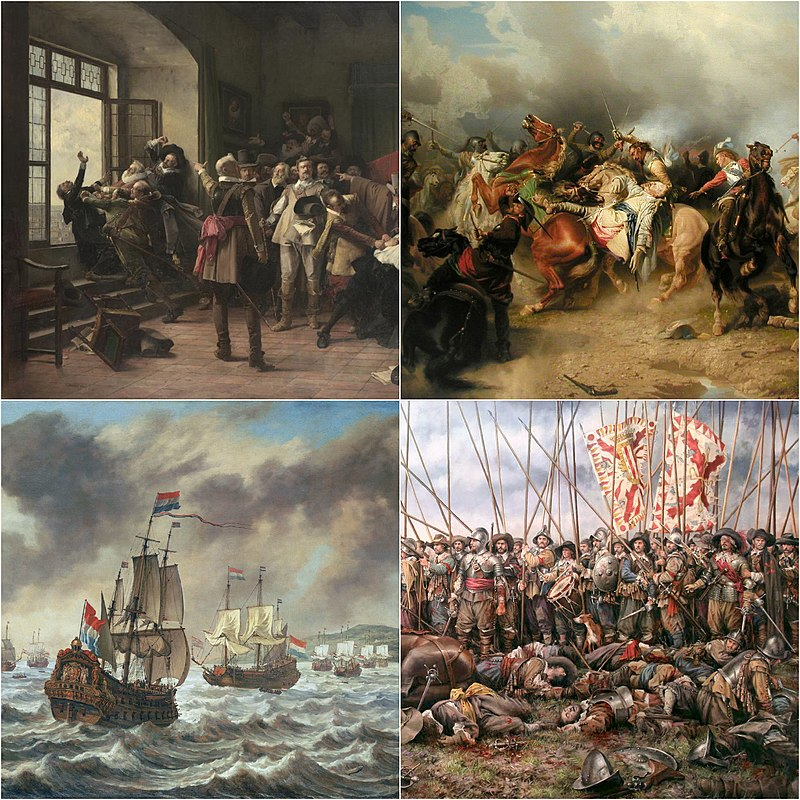

History of Europe has been full of wars and bloodshed, and one of them which was far more devastating than World War II or the black plague was the war that took place somewhere in the early 1618 and finally came to an end in 1648.
What started as a small conflict between Catholics and Protestants changed a lot over the period of 30 years.
Thirty Years’ War is still known as the worst conflict that happened in the modern history of humanity.
A war that wreaked havoc on the whole of Europe took the lives of 80 million people, which makes it one of the worst calamities of war in the modern history of humanity.
The war had every mega power of Europe involved in it and what started as a religious rebellion turned into something that involved power and who got to keep it.
The conflict grew so large that nothing else was seen after, and because of this — the already suffering people were hindered by severe famine and outbreaks of diseases.
With no focus on law and order, looting and pillaging became common.
This was perhaps the worst or worst time to be alive for anyone, and one reason for that was the longevity of the war.
Mount Tambora, Indonesia And The World (1815)
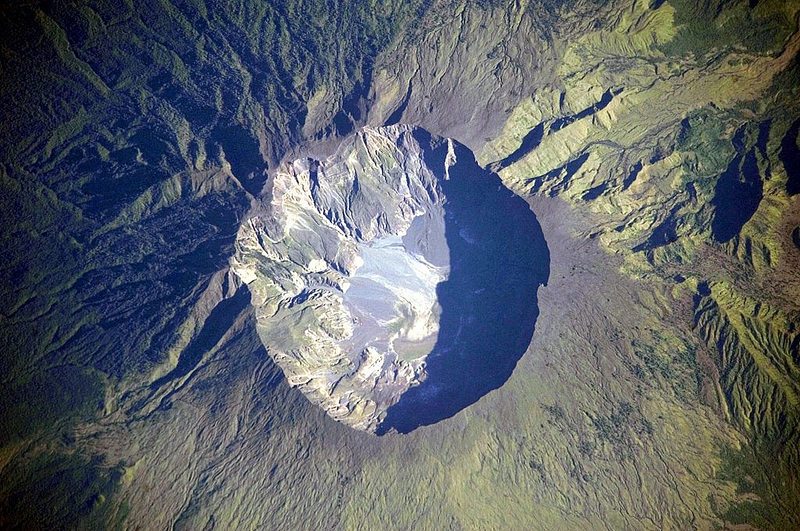

The most devastating eruption in recorded history is the eruption of Mount Tambora — an eruption that started with small tremors, and some pyroclastic flows blew the heavens apart with a blast soon after on the 5th of April 1815.
The blast triggered huge waves of tsunamis that killed everyone on the nearby islands in a very short time.
The eruption, which lasted only for 2 hours, was such that it had effects on a global scale.
One of the largest volcanoes of the ring of fire blasted with so much force that people heard it like a cannon fire while they were almost 1700 km away.
The blast and eruption were the initial damage dealers.
What followed was even worse — because the mountain released so much debris into the atmosphere that the year 1816 became The Year Without Summer.
This led to severe winter and famine, which became the reason for death for more than 100,000 people around the globe and made conditions unlivable for anyone who was alive during that time.
Two Years Of Spanish Flu (1918–1919)
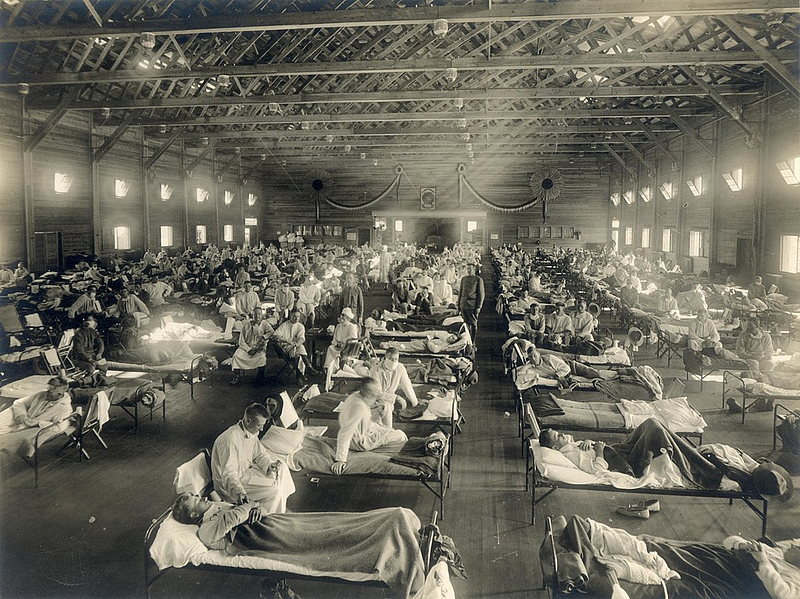

There was much going on around the globe during the early 1900s, and it is difficult to say which one was the most horrifying of the lot.
From wars that gripped the world and forced it into one of the deadliest wars ever in World War I to an uprising across parts of Asia and Europe — the world was a complete mess at the time.
However, what is often not regarded as the single most devastating event around that time is the Spanish Influenza, also known as the H1N1 virus.
It infected around one-third of the entire human population when it was at its peak. Total casualties caused by this pandemic are estimated to be around 50 to 100 million.
People who contracted the H1N1 virus died a painful death because soon after the infection, the lungs began to rot — the average age of people who died because of the Spanish Flu was 28.
People who lived during those days were living a public health nightmare. The death occurred on such a scale that dead bodies were lying around and on the street.
The virus was so lethal that most died in the first couple of hours after contracting it — what made things worse was the rudimentary medical technology of those times, and with no proper knowledge, doctors were even confused about what to give their patients.
World War I (1914–1918)
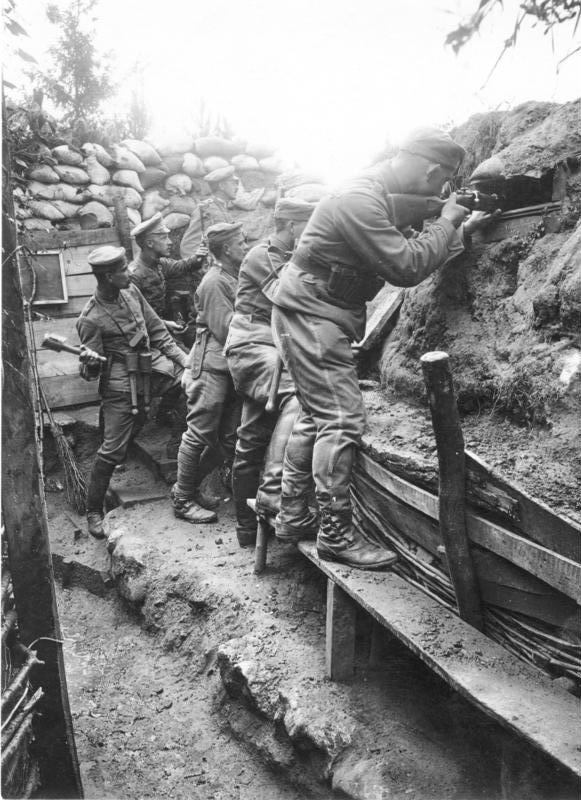

World War I was when almost 30 countries were fighting a bloody war for more than four years in which more than 23 million lives were lost and a war that left another 20 million injured.
One of the worst parts of WWI was its Chemical weapons, and trench warfare every year starting from 1914 was worse than the last one until 1918.
The trenches designed to protect army personnel from bullets had their own cons. Like what?
Well, both the side were making bigger and bigger artilleries to fire with more force and on longer distances.
The trenches themselves were home to many diseases like trench foot, cholera, dysentery, and what not, on the other hand, chemical weapons like phosgene and the mustard gas waged havoc in all the major cities of the countries that were involved in the war.
It was because of these chemical gasses that you see many, many images from those days where civilians are wearing gas masks while going out of their homes.
Out of all the countries involved in the first World War, Germany was hit the hardest.
Final Words:
Throughout the history of mankind, we cannot find times when the whole of humanity was living in peace.
When you think about it, why it has been this way — it just boggles one’s mind to know, even with so much awareness and advancements we still cannot come to terms where there is peace all over the globe.
Pondering upon it makes the famous words of Wataru Kato come to mind “Imagine if the whole World lived in PEACE.’’
More from the author: