
Tragic Holocaust Of Jews In Pictures
Eye-opening pictorial narration of these 34 images will move you.
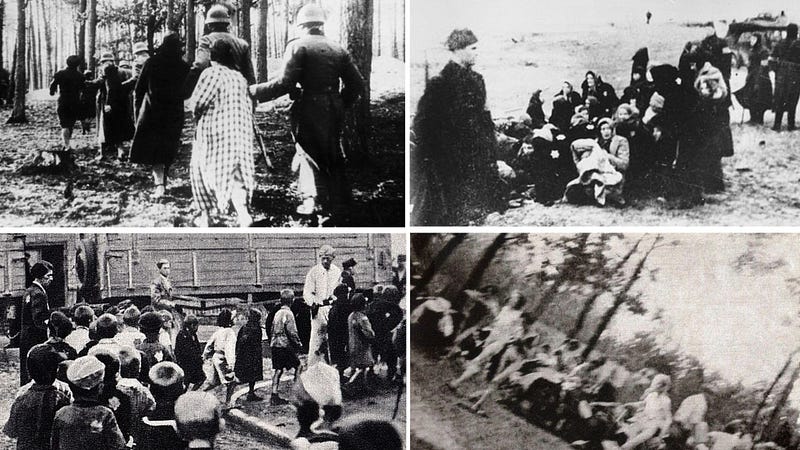
What began with a simple boycott of Jewish shops ended up in concentration camps and gas chambers.
As the Nazis got into power after a resentful ten years of struggle, and in January of 1933 mission of Jewish extermination from Europe began.
At the time, the population of Jews in Germany was only one percent of the total German population of 55 million.
Even when Jews living in Germany were well cultured and proudly considered themselves Germans who were Jews, they were still blamed by Hitler for being the reason for Germany’s defeat in the first World War.
Soon the Jews who fought for their motherland and gave their very blood to nurture it found themselves among people who were considered nothing less than an enemy.
Jews were gradually being pushed out of German societies with new laws and decrees.
Things got so bad, so quickly Jews were rather taken by surprise, and before they knew it, their kids were removed from schools.
No more military service was allowed, and something as simple as sharing a bench in a park was forbidden, let alone bigger problems where they were being stripped of their citizenship.
Mass Deportation After The Enactment Of Nuremberg Laws
After coming into power, the first thing the Nazi regime was the enactment of the Nuremberg Laws, where the Jews living freely in Germany were systematically removed from society.
Nazi party planned the mass ethenic cleaning program where millions of Jews were to be killed and removed from the societies in order to construct a solid cultural and societal norm.
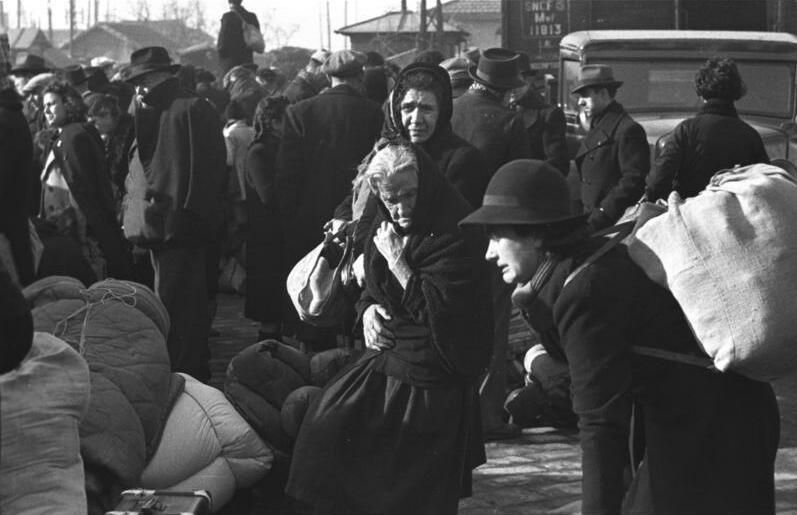
Southern France, Marseille, Gare d’Arenc freight station.- Deportation of Jews under the guards of the SS police regiment Griese and French police.
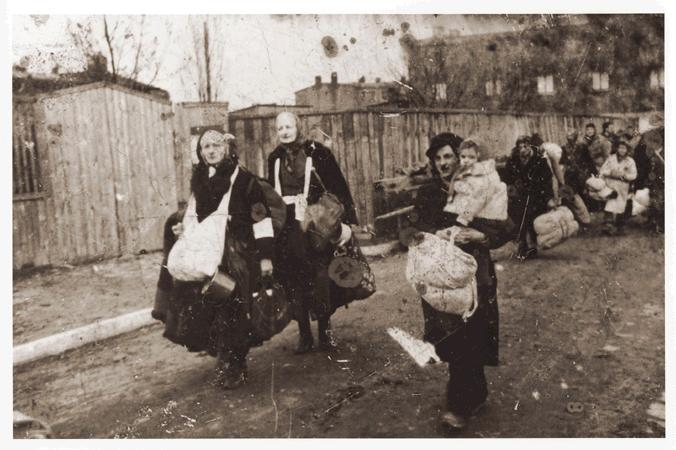
Ghetto residents while heading toward the trains that will take them to Chelmno.
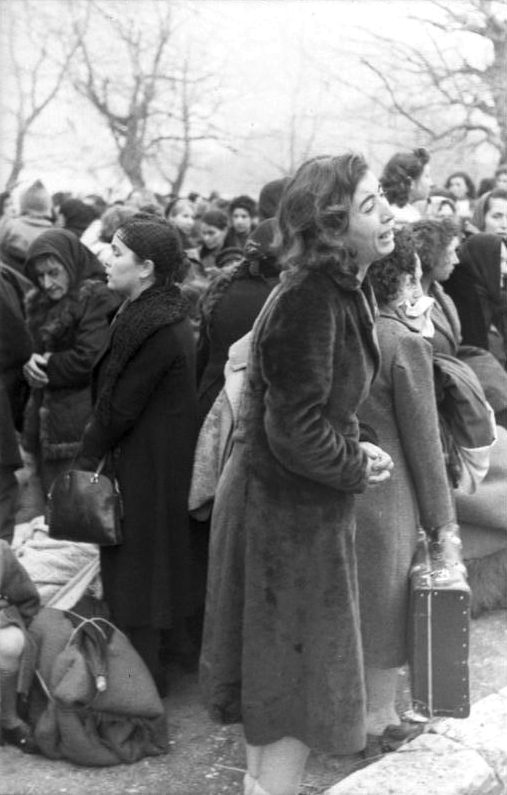
A member of the Jewish community while being deported from her hometown for no reason except for her religion, Greece, Loannia.
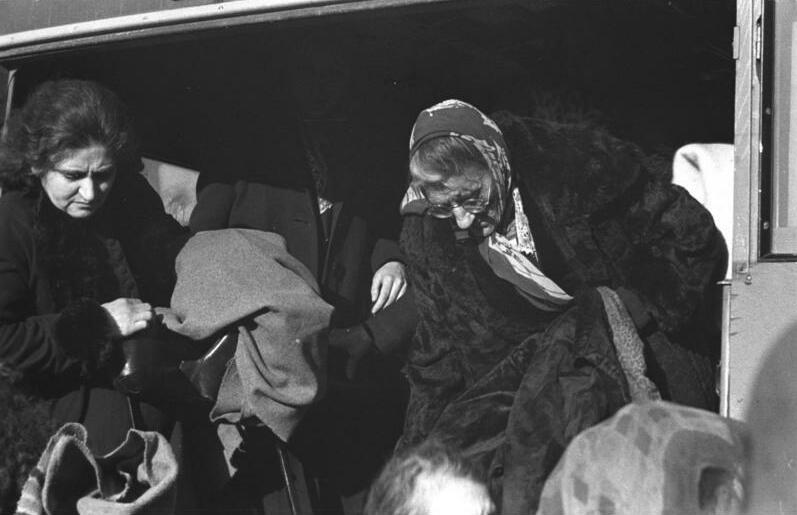
South of France, Marseille — Deportation of Jews under guards of the SS police regiment Griese and French police.
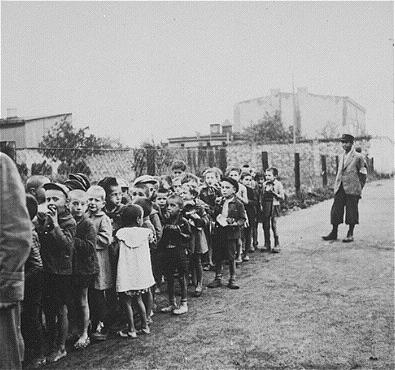
Jew Children were rounded up for deportation to the nearest concentration camp to be killed in a gas chamber.
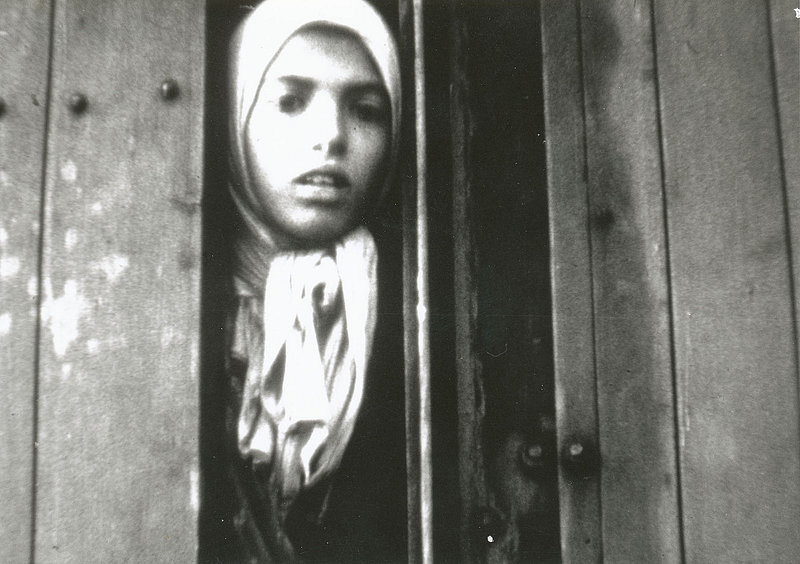
Settela Steinbach while looking out of the door of a train which would take her from Durchgangslager Westerbork, Netherlands, to Konzentrationslager Auschwitz, the place where she was killed.
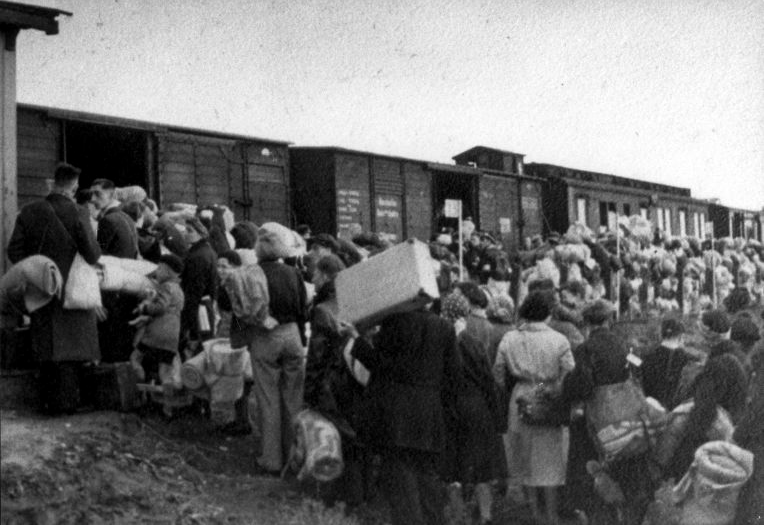
Thousands and thousands were forced to leave when new laws against Jews were implemented from 1942–1945.
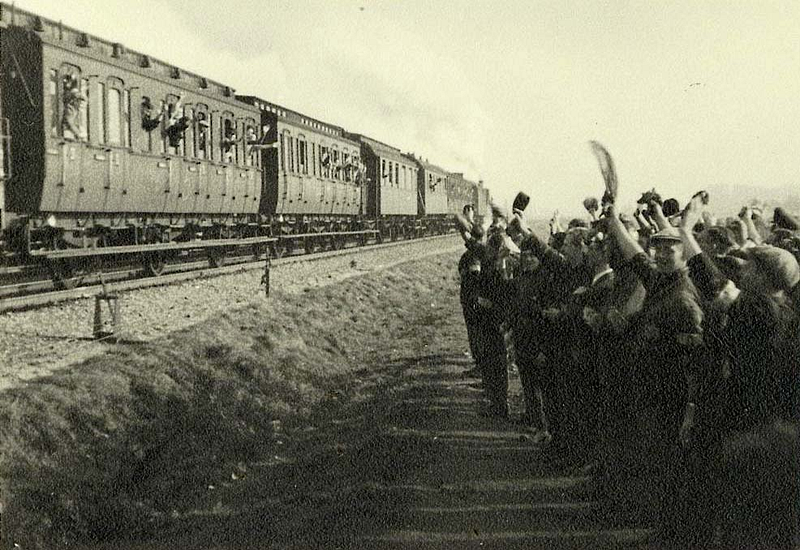
Jews waved their loved ones for one last time before they were deported from their home cities, often these goodbyes were the last ones ever, 1942.
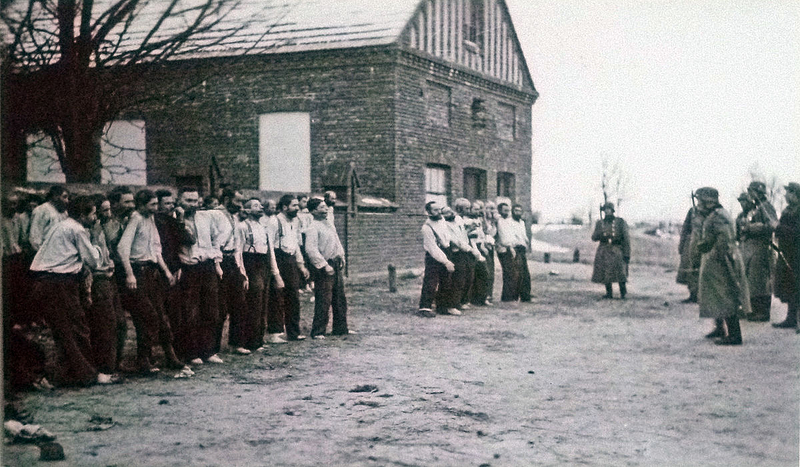
Arrest and public humiliation of Polish Jews during a police raid near Lublin taken somewhere in 1939 and 1940.
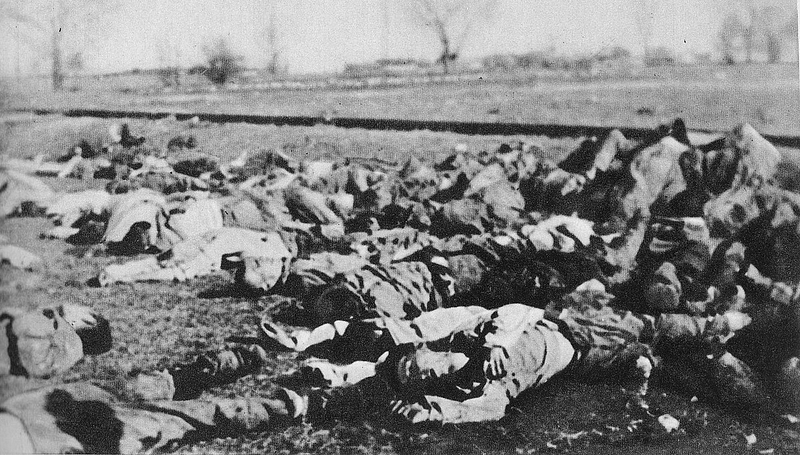
Litzmannstadt Ghetto. Corpses of the victims of the deportation action to the Kulmhof extermination camp were carried out in 1942.
The Night Of Broken Glass Darkest Time For Any Jew Alive
Night of Broken Glass or Kristallnacht was a period of only two days in November of 1938, but these two days had so much destruction in them that for a Jew, it was more like two years.
During these two days, the Nazi fascist regime destroyed more than 250 synagogues along with countless Jewish-owned homes, schools, and businesses and killed any Jew who was left behind after the deportation operation.
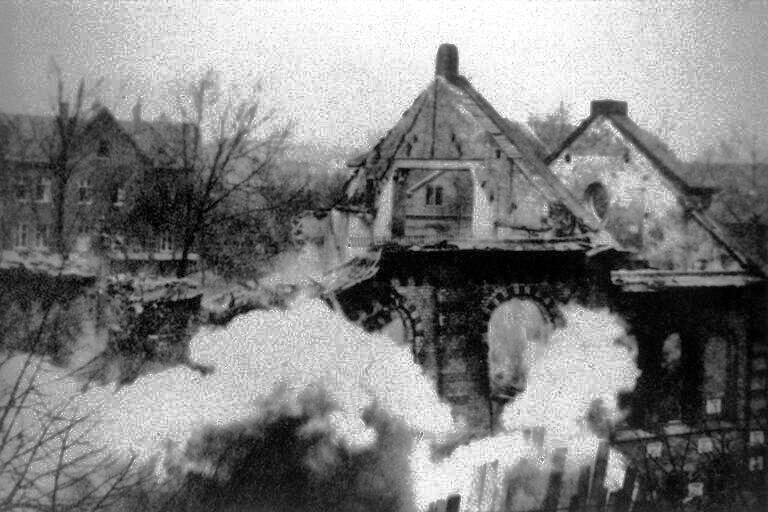
Eisenach synagogue in Germany was destroyed by the Nazis during the two days of the military operation against Jewish properties and other religious buildings in November of 1938.
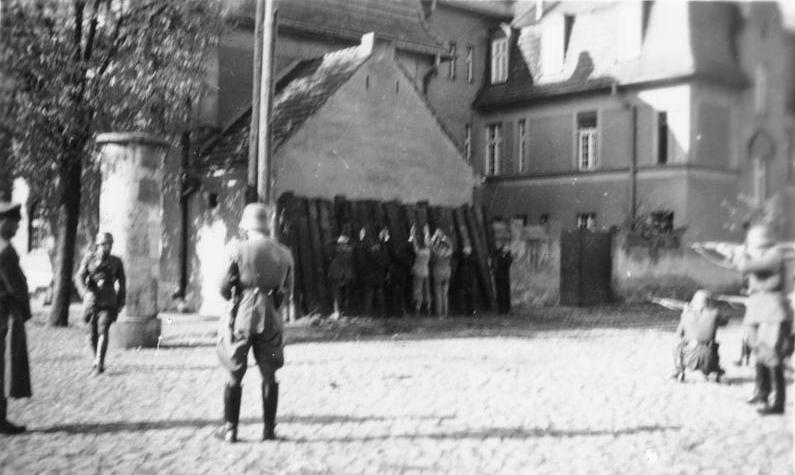
Execution of Polish Jews hostages by SS task force on 20 October 1939 in occupied Kórnik — during the German Nazi occupation 1939.
Race Extermination Through Gas Chambers
When the fascists decided to ethnically cleanse Germany of any Jew, they made some bonkers laws to support their cause, and under this law, they carried out the mass killing of Jews.
Before any concentration camps or gas chambers were built, the regime was killing Jews by shooting them: however, not only was this method costly, it was also slow for the regime.
The atrocious regime was looking for another way and what they came up with was Zyklon B gas to be used in the infamous gas chambers of Germany.
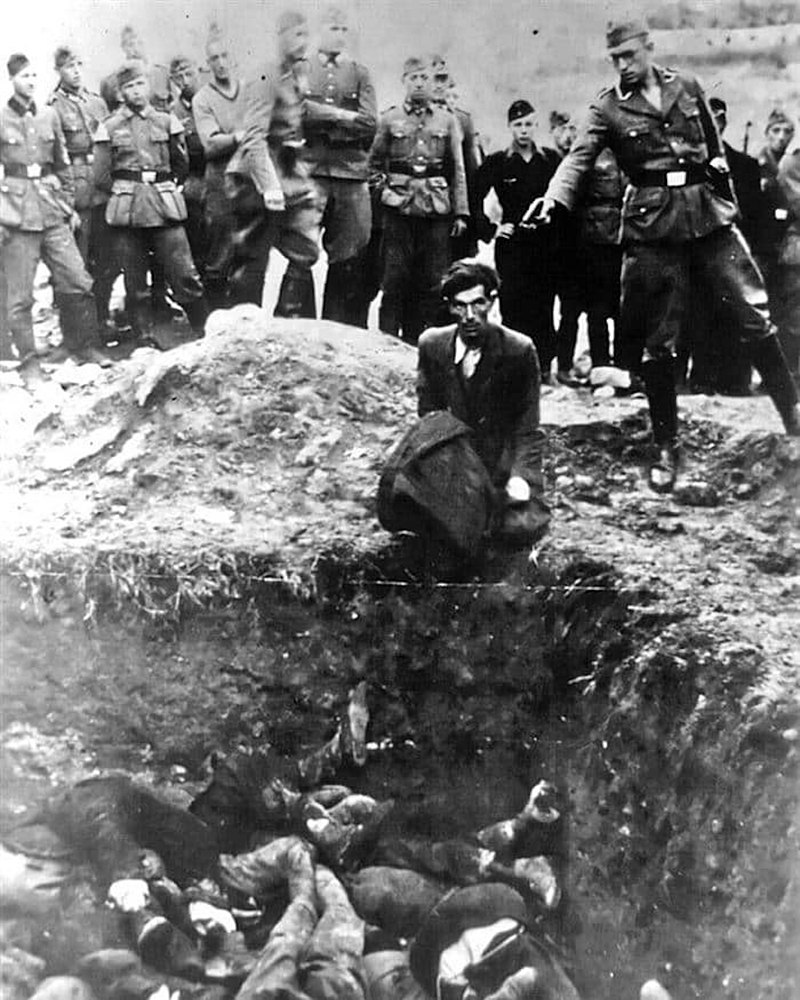
A picture from an album of an Einsatzgruppen soldier, the picture was labeled at the back as The Last Jew Of Vinnitsa.
The picture was taken in Ukraine in 1941, at the time when all the Jews living in Vinnitsa were massacred by the members of Einsatzgruppe soldiers.
More than 28,000 Jews were killed in two sessions of killing; the first was on 16 September and the other one on 22 September 1941.
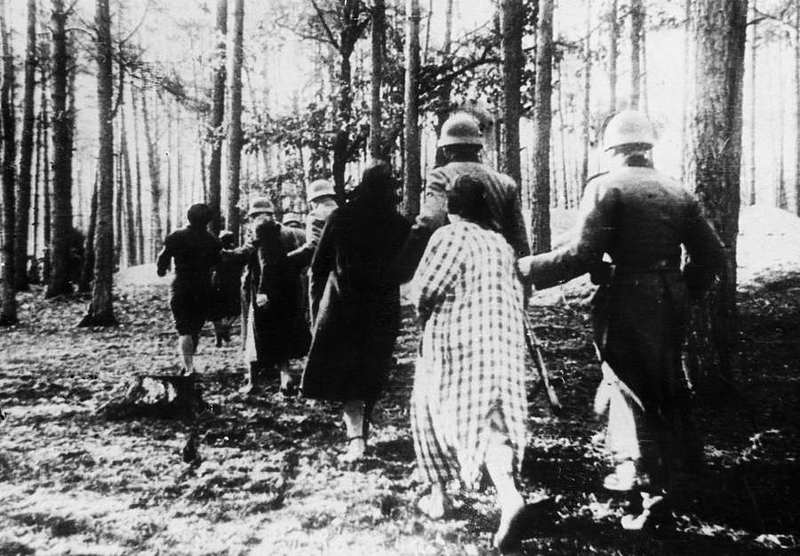
Jew women being taken to the forest for mass execution; this was a common sight during the days of the holocaust before any gas chambers were built near Palmiry village in 1940.
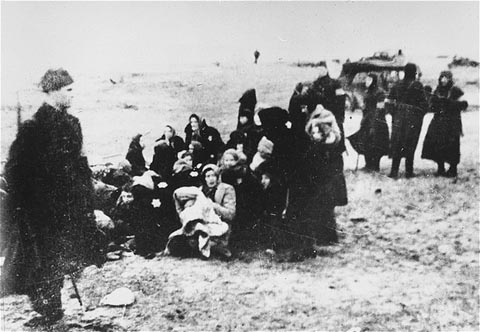
A Group of Jewish women gathered by the Latvian Self-Defense forces for execution on the beach near Liepaja on 15 December 1941.
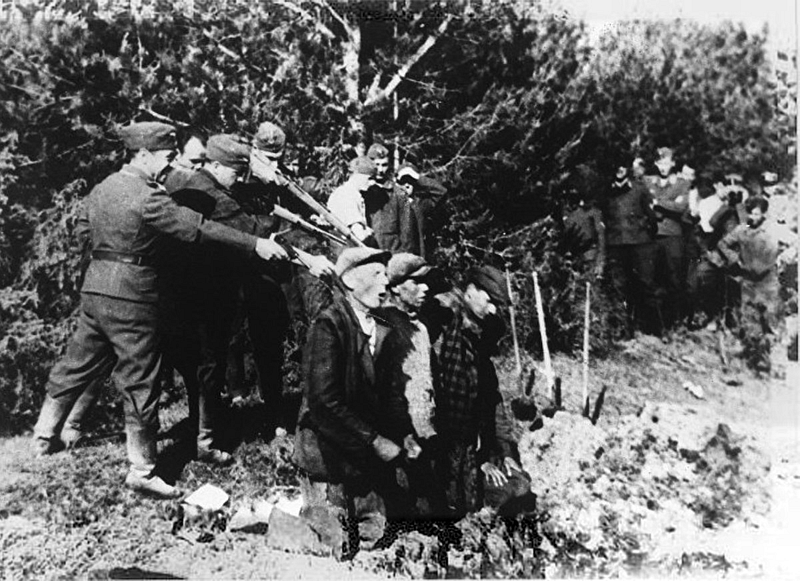
Einsatzkommando execution in German-occupied Lithuania, 1942.
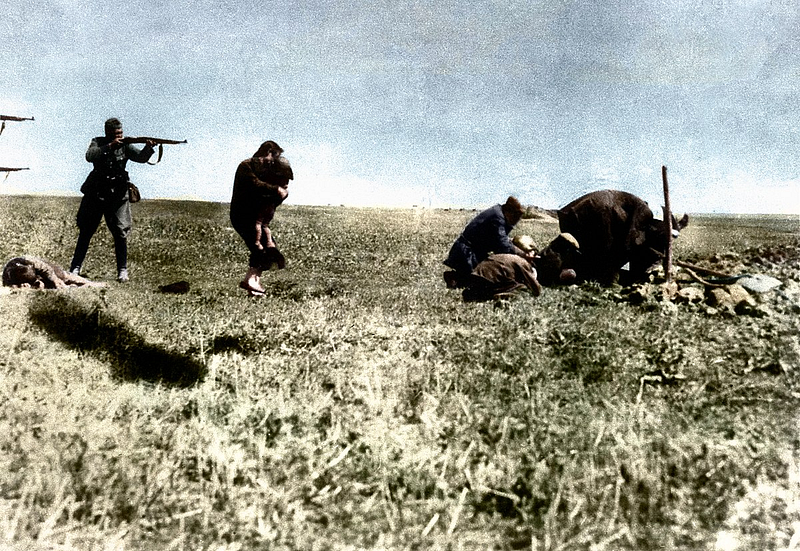
The iconic Ivanhorod Einsatzgruppen photograph shows a soldier aiming a rifle at a woman who is trying to shield the very child she is carrying from the shooting soldiers.
The wooden stake and shovel that are visible on the far right of the photo indicate the victims were forced to dig their own graves before they were killed; this was a common practice during the days when Jews were killed by shooting.
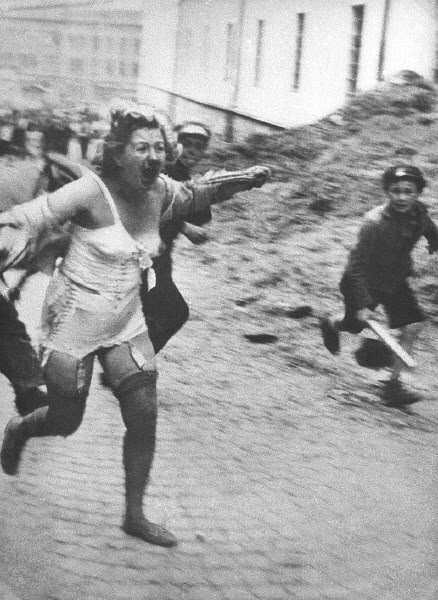
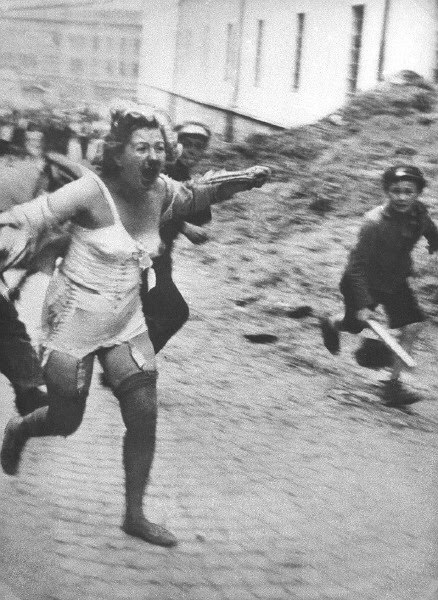
A Jewish woman is being chased by youth armed with clubs and sticks with only one purpose at hand, killing her.
The Lviv Pogroms were one after the other massacres of Jews that took place in mid of 1941.
The massacres were carried out by Ukraine nationalists and the German death squad known as Einsatzgruppen. Thousands and thousands of Jews were brutally massacred by the two sides.
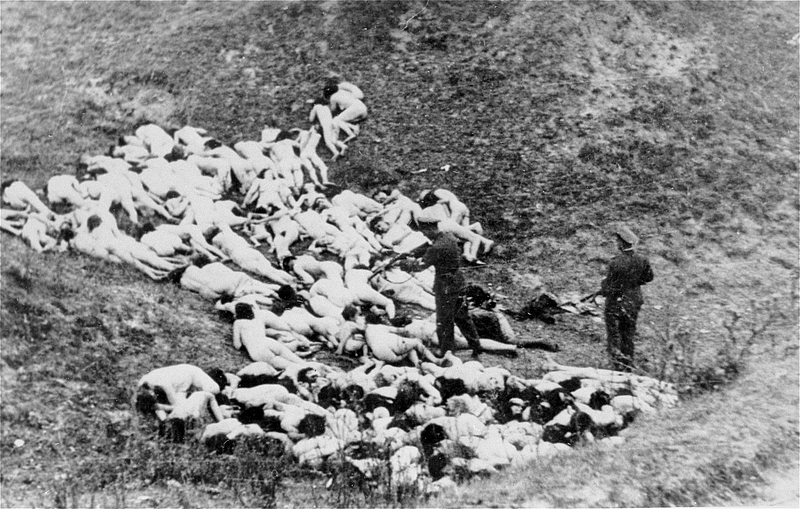
A German Policeman shot a Jewish woman who is still alive after the mass extermination of Jews in the Mizocz ghetto on 14 October 1942.
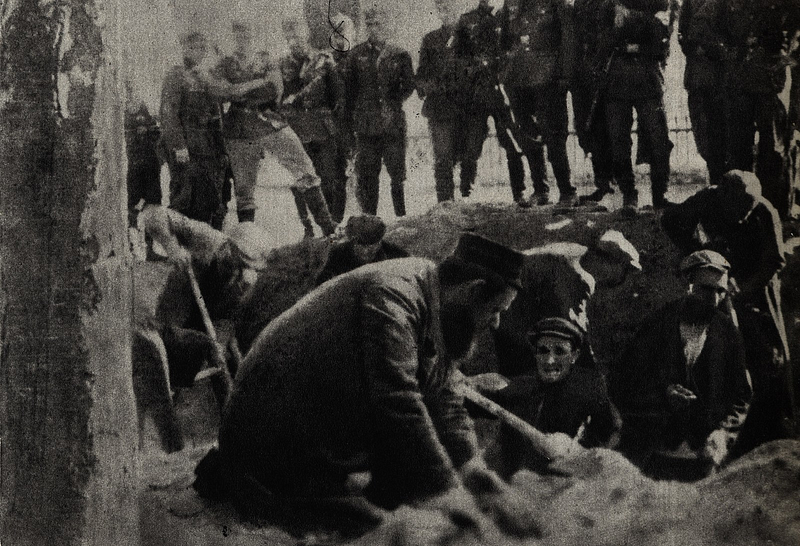
So much killing took place during the period of the holocaust that disposing of the dead bodies became a hassle for the government; the solution that they came up with was the victims digging their own graves.
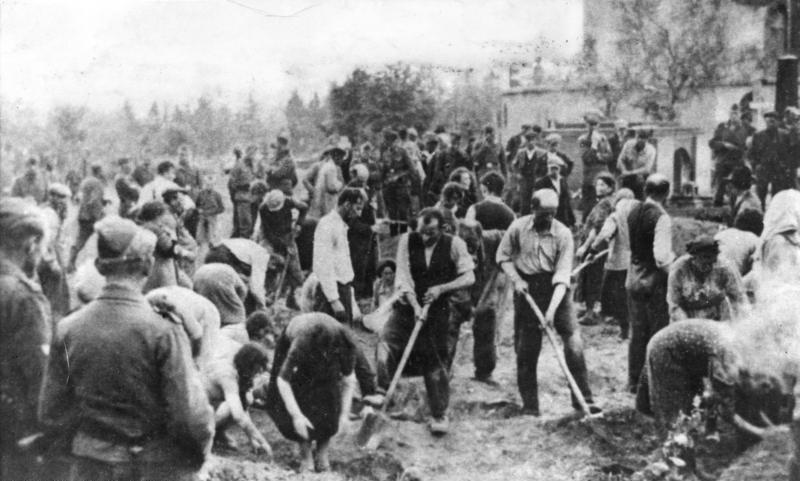
Jews were digging their own graves while the officers who were assigned a task to kill them stood and watched before fulfilling their duty to the fascist regime.
Concentration Camps And Forced Labor
After the concentration camps were built, the regime stopped the killing and decided to put Jews to better use — forced physical labor, and after long shifts, the inmates in these camps were not provided with adequate water, food or shelter.
\This was not all the Jews in these camps were treated like animals (a being with no human rights); they were used as subjects to perform numerous inhumane experiments.
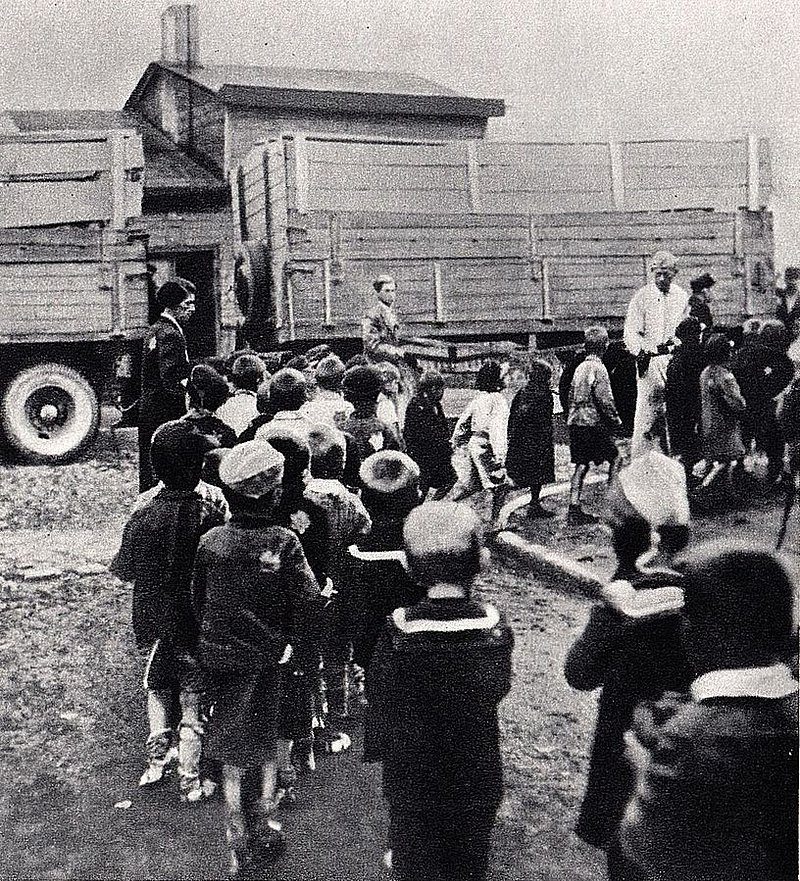
Children gathered from an orphanage in Marysin just to be exterminated at the Kulmhof camp.
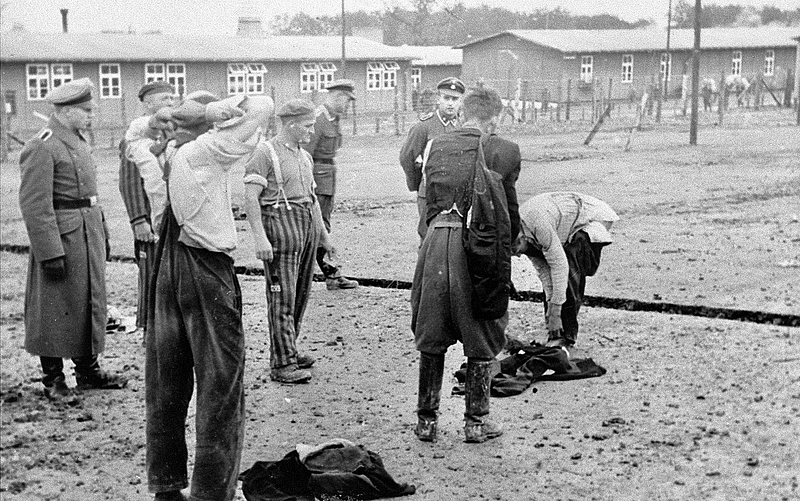
Polish prisoners removing clothes before being admitted to the worst concentration camp under Nazi Regime; it was the duty of SS officers to make sure that every jew was tortured physically and mentally.
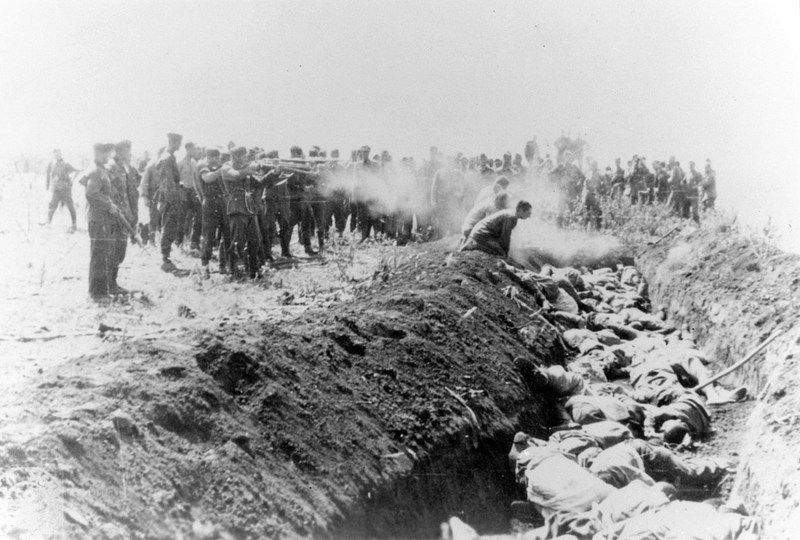
Mass killings of Jewish men were common after they were almost half dead because of forced labour and not eating for weeks; women were often killed in concentration camps in 1941.
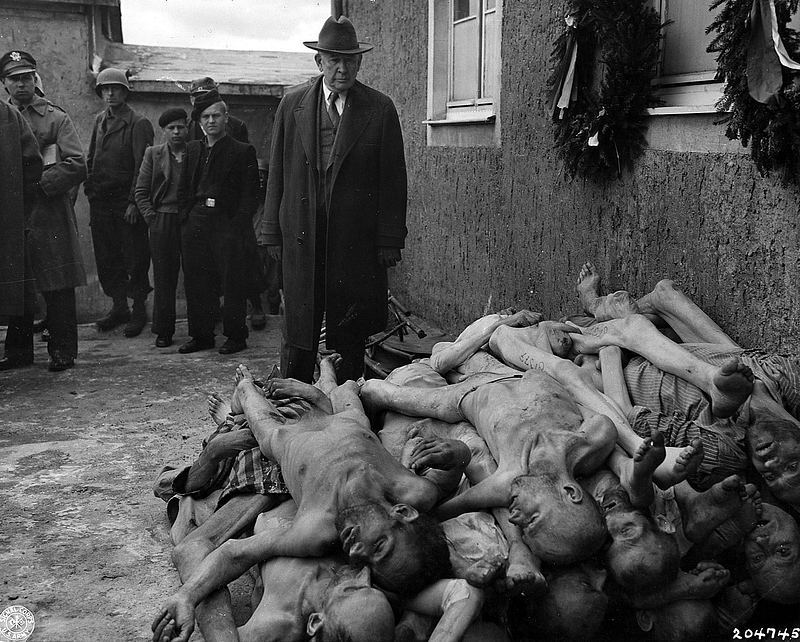
The picture was taken after the camp was taken by the Nazi regime and the investigation began; these investigations showed a horrific image of what evil was taking place in the Buchenwald Concentration Camp.
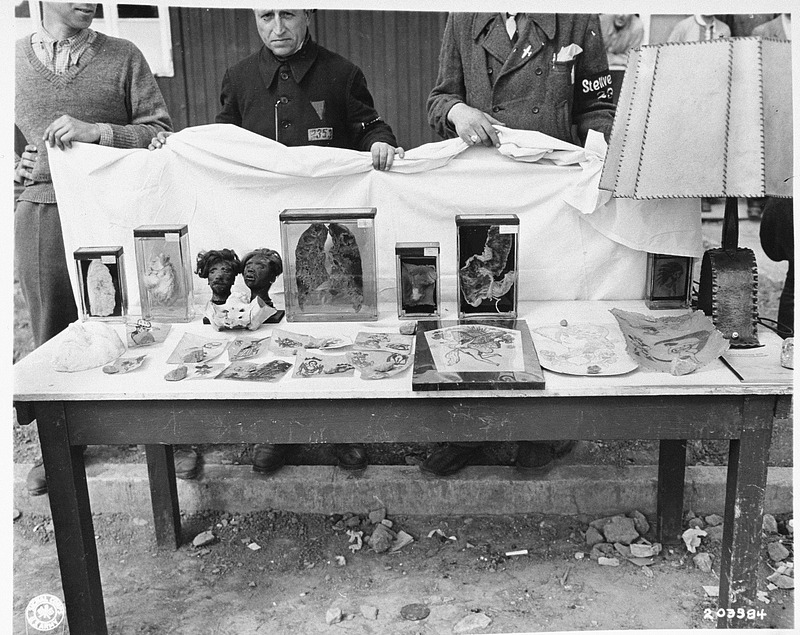
Organs of inmates were removed and well preserved just to be used as decoration pieces.
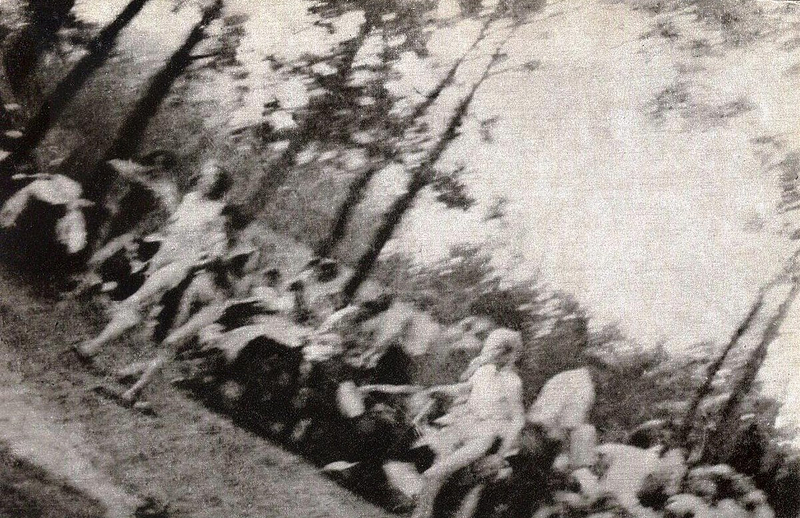
The photograph shows naked Jewish women being taken to a gas chamber to be executed, and this also shows us how women were treated before they were exterminated. This was a time when no Jewish women were safe.
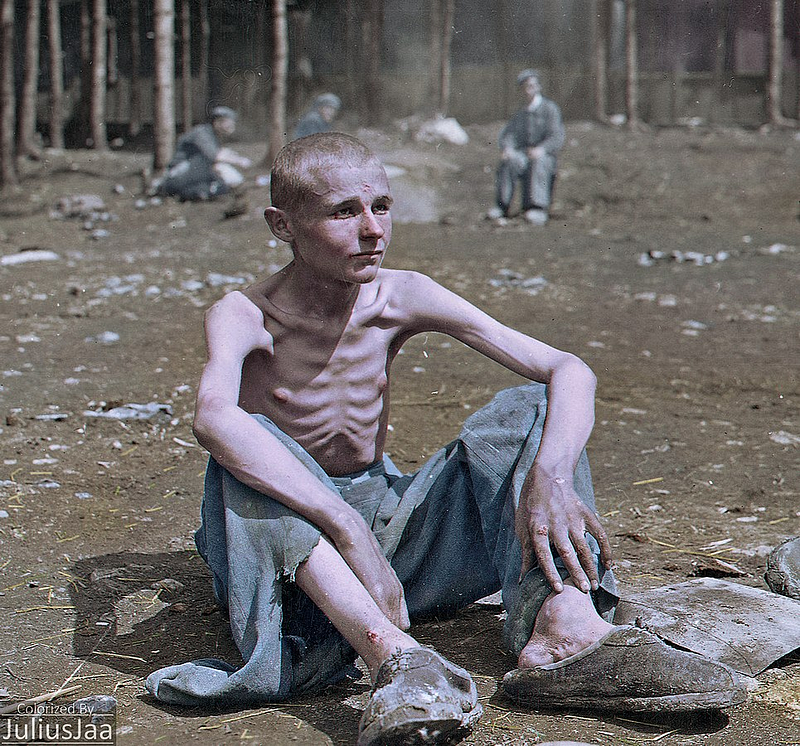
Liberated prisoner of the Ebensee concentration camp in Austria, 8 May 1945 .
Camps Built Solely For Killing
Extermination camps were built just for one reason and one reason only for killing. In these camps, a large number of Jews, Roma, Slavic and disabled persons were exterminated.
The largest extermination camp was located in Auschwitz-Birkenau, and in this camp alone, more than a million Jews were killed.
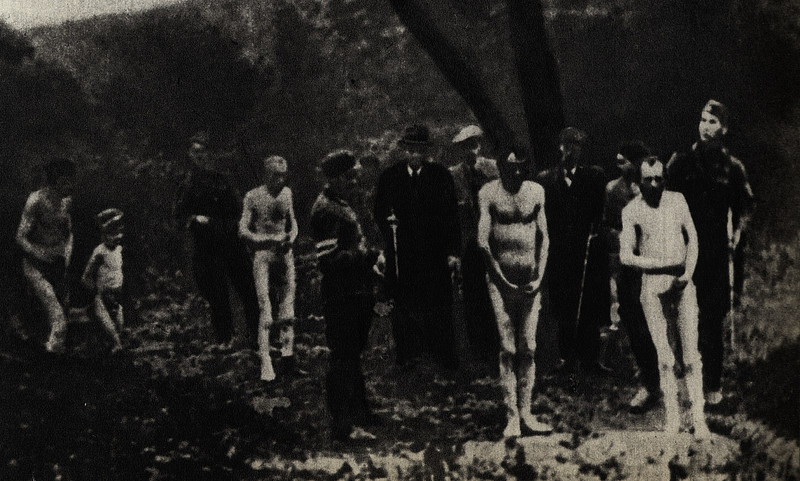
A group of Jewish people stripped and about to be executed, Poland under the Nazi-German occupation.
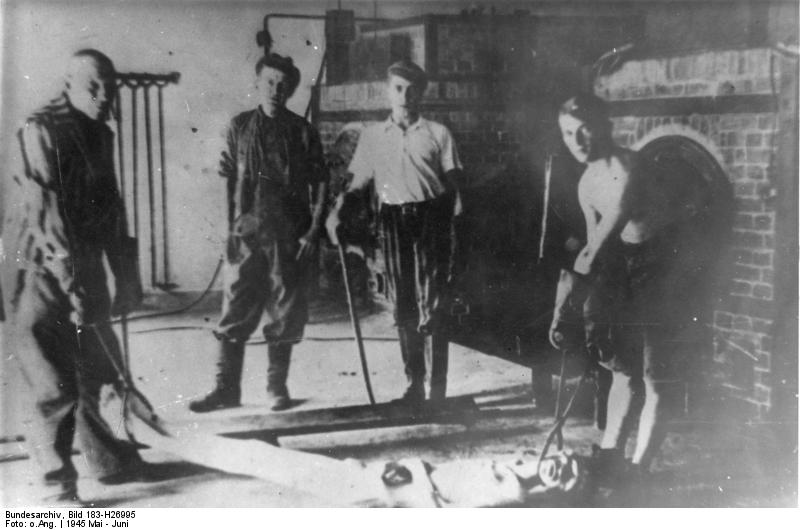
Forced laborers with tongs and corpses in front of an incinerator; probably staged photo after the liberation of the concentration camp.
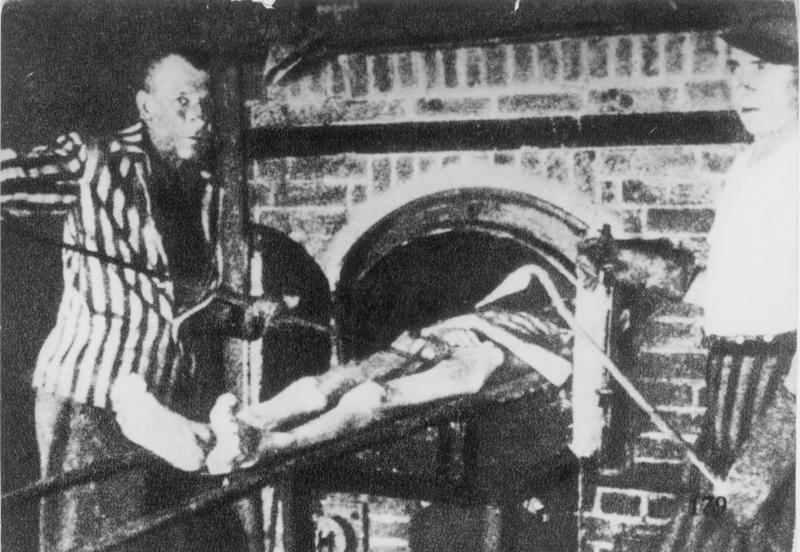
Jews were forced to burn the bodies of other dead Jews in an incinerator.
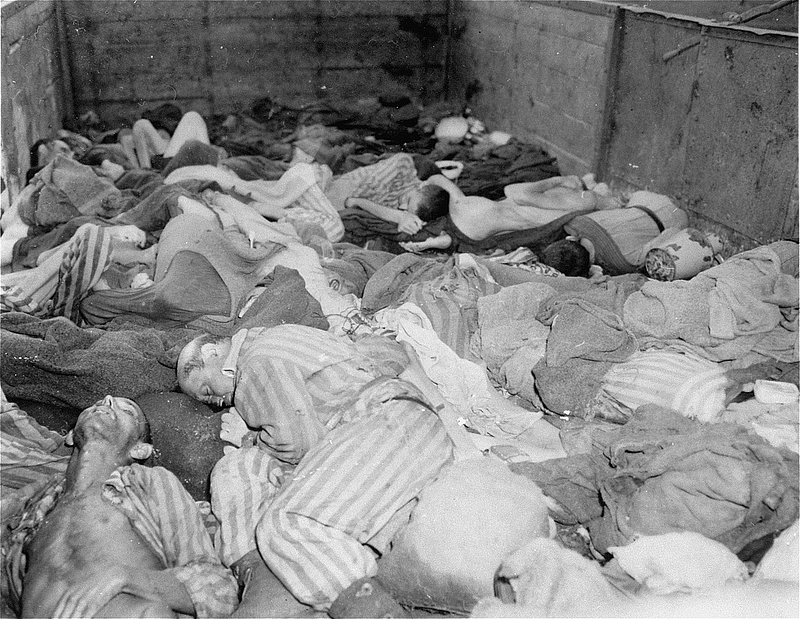
A scene from only one of the wagons of the Dachau death train. This train had almost 40 bogies which contained more than 3,000 dead bodies that were recovered from Buchenwald concentration camp circa 1945.
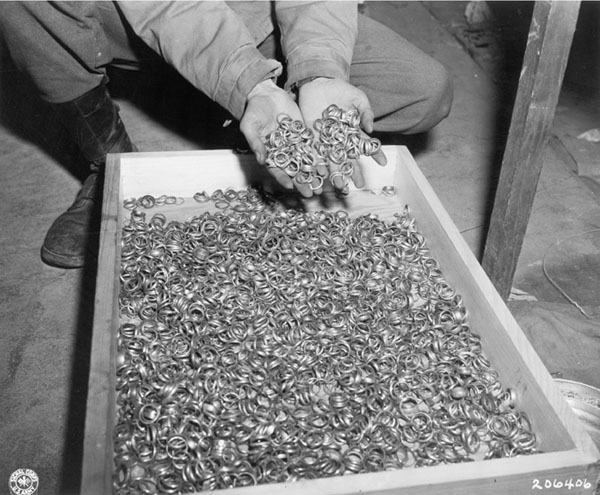
Wedding rings were found in Buchenwald Camp after being liberated by the US forces.
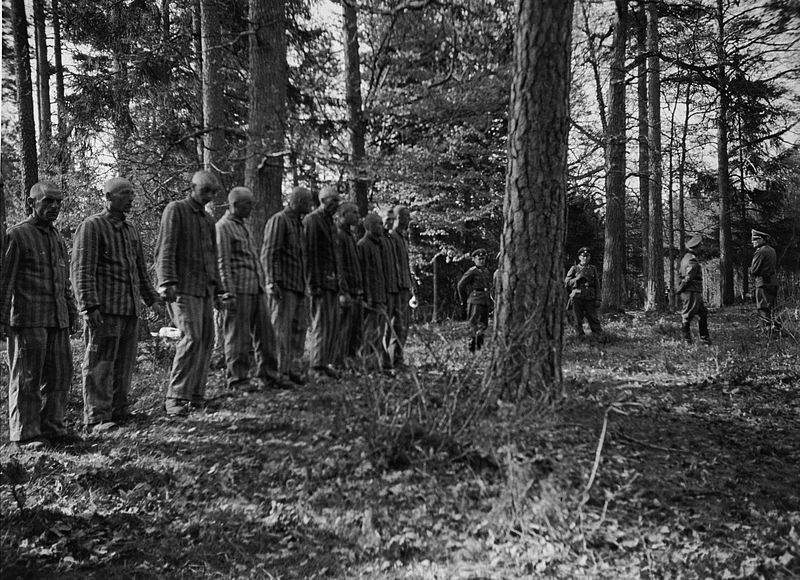
The prisoners from the Buchenwald concentration camp in a nearby forest on 26 April 1942. Some prisoners were shot to be killed, while others were beaten or stabbed and left to die a painful death.
Final Words:
Pictures said it all.
More from the author:




.jpg)


