
Giving Birth Was Literally A Nightmare For Royal Mothers
Terrible royal birth details will open your eyes to history.
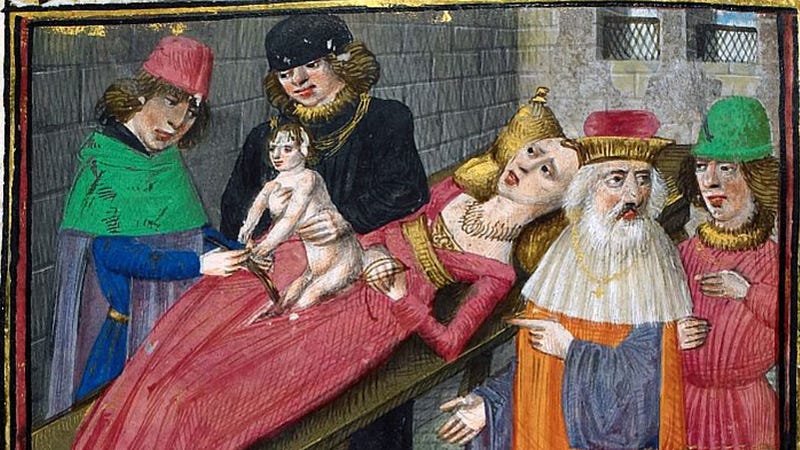
oday, the monarchy has more of a symbolic presence in most places except the Arab World; however, things were always the same.
The Royals have been special and stayed above the common folks. With their lives filled with pleasures, comfort, and privileges, their power was uncanny.
But one thing is certain even when their presence is nothing more than symbolic, the public’s fascination with the royal family has certainly not decreased in any way.
The royal family, however, has modernized like everyone else and changed the way they did things in the past, and one of those things is the Birth of a Royal Child.
Birth of a Royal Child was more of a ritual in the past. What was once a dark and claustrophobic room, in some cases full of people, is now well lit with some medical professionals — who know what they are doing.
There exist some age-old practices related to bringing a child into the world that you probably didn’t know before.
Wearing A Holy Girdle Blessed By The God
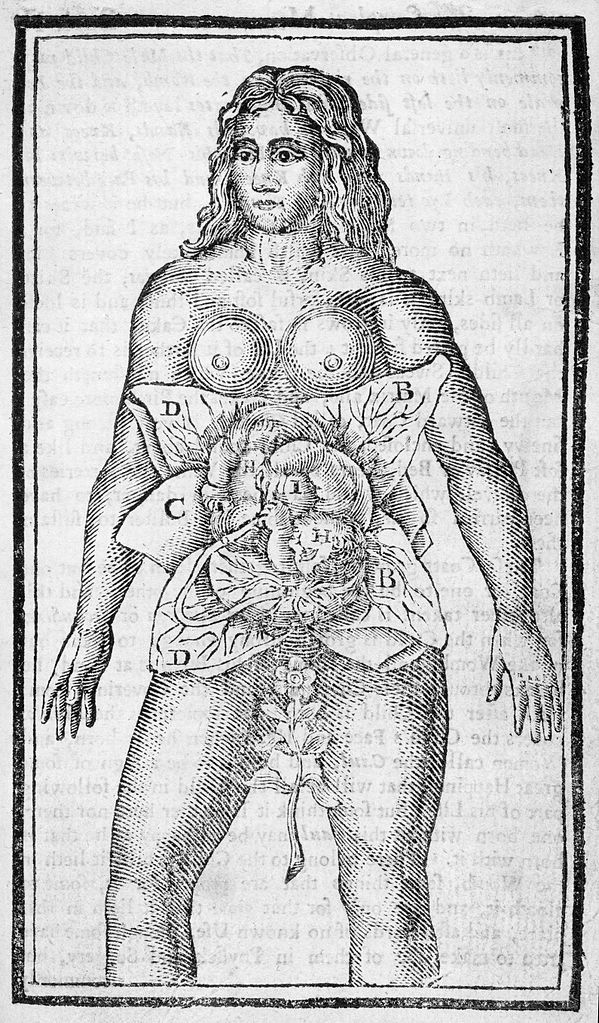
One of the things that was much feared by the Royal women was the pain of childbirth.
To provide some extra support, a special girdle was made. The graceful garment had a very appealing look for what it was and what it was meant to do.
The purpose of it was to provide comfort to its wearer, The Queen, during her pregnancy and to alleviate the pain of childbirth.
It was believed that the girdle is blessed by God, and this is why this piece of royal fashion which dates back to the 1500s, is sometimes known as the Holy Girdle and Virgin’s Girdle.
There are many incidents throughout history where the Holy Girdle is mentioned, and one of them is of Queen Eleanor, in which the Queen wore it to ensure the Birth of her fourth child and to ease off the pain a bit.
Writing A Will Before Giving Birth
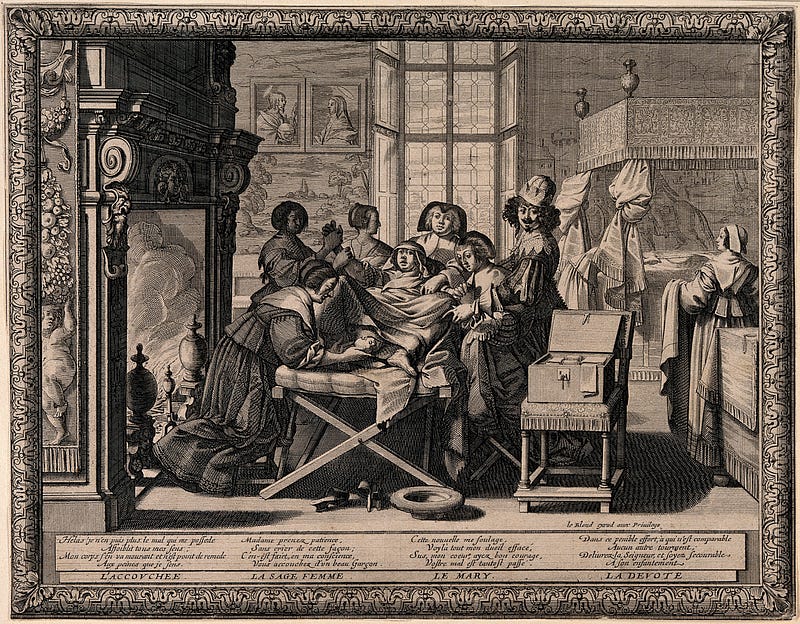
Giving Birth in those early days was nothing like giving Birth in today’s world.
To be honest, I feel the Royal women back in those days when one of the things that scared them the most was childbirth.
One of the reasons that scared royal women were scared of giving Birth was because of what happened to some of the royals that came before them where; some had miscarriages, some lost many pregnancies, and some even died.
However, giving Birth was necessary for the survival of the royal family and the royal bloodline.
Knowing that giving Birth is not an easy task but a considerably dangerous one where one can literally die, any pregnant royal received holy communion on a regular basis where she asked God for help.
During the 1500s, the practice of giving Birth was considered so dangerous that every royal woman was persuaded to write their will long before they reached labor. This was also the time during which Queen Elizabeth I was born (1533).
A Painful Childbirth Was A Punishment For Sins Done In Past

Today childbirth is seen as a blessed and celebratory occasion for the family; however, that has not always been the case.
In those days, the pain associated with childbirth was necessary because of what was written in the bible: in pain, you will give birth to children.
The suffering was seen as an innate part of a woman’s experience. This was the reason why painkillers were often avoided, even when it came to royals.
The only remedies which were approved by the Church and used by the Queens during labor were; amulets, holy relics, and prayer rolls which were tucked into night clothing for blessings.
A whole Lot Of People Gathered Around Queen While She Gave Birth
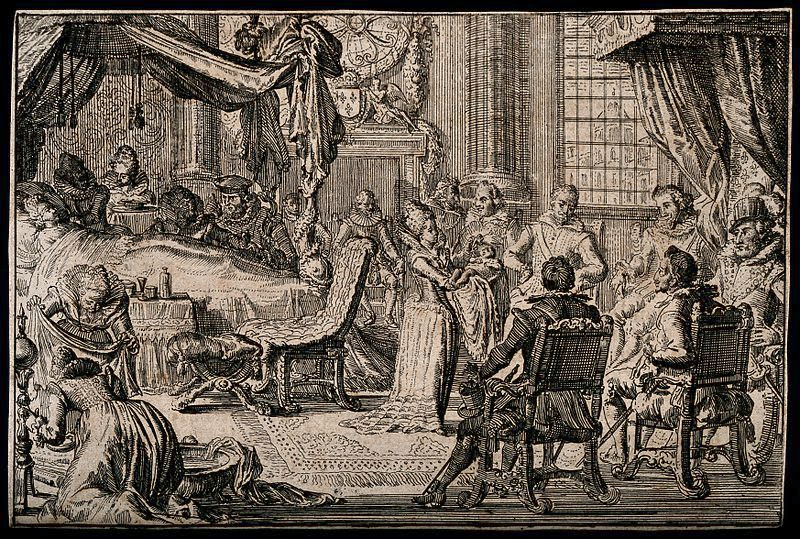
The Birth of a Royal was not any normal day — it was not only a blessed event for the family, but it was also an event which had deep implications on the entire nation under the king.
It was an event which showed how the years ahead would be for the whole nation.
For some royal families, childbirth wasn’t a private affair but something that concerned everyone serving under the crown.
Furthermore, it was believed that the child belonged more to his/her people than the Queen herself.
One of the incidents that come in history books was of Queen of France Marie Antoinette when she gave birth in 1778. It is believed there were more than 200 people surrounding her bedchamber while she was actually giving Birth.
The significance of the moment is such to the people that just before it happens, the obstetrician yelled the Queen is going to give Birth, and hundreds pour into the room around the bedchamber of the Queen.
Things got so heated up that the Queen from the heat of onlookers in an already darkened and packed room.
Mother Was Not Allowed To Attend The Christening Of Her Own Child
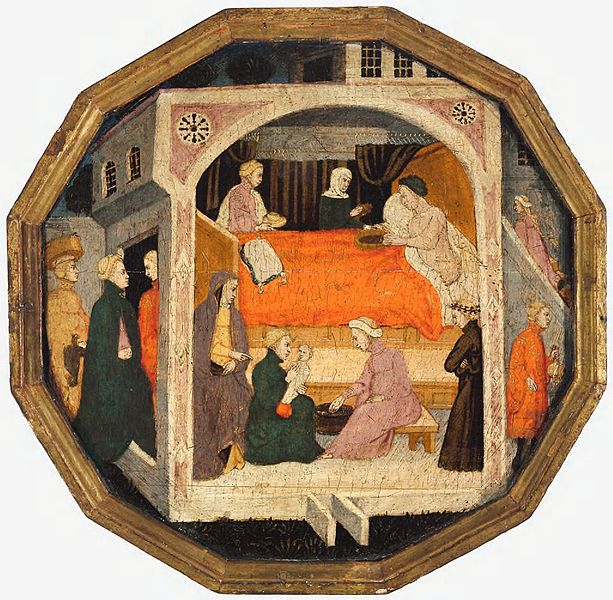
Even when everything was done under Christianity, the mother of a Royal wasn’t allowed to attend one of the biggest days in the life of her child.
The child was received and celebrated by the public after Christening, while the mother stayed in her chambers away from celebrations.
The mother (Queen) was to stay hidden for at least six weeks because of the state of uncleanliness she was in.
After the period had passed, the Queen made her way to the Church for the blessing and purification before returning back to her duties and finally celebrating the Birth of her child.
Final Words
For a Royal, if you just read all that, you should thank God twice because even doe you don’t have as much power, you still can live and have babies like they never could.
As for common folks, we should be thankful, too, because we have been blessed with such amazing health facilities now that giving Birth to a child has become more of a norm for us.
More from the author:


_jm50589_(cropped_4).jpg)
_baby_to_its_father_Wellcome_V0014968.jpg)
_A_Birth_Scene_(Desco_da_Parte),_c._1410_Harvard_Art_museum_(2).jpg)