
Fascinating Jewish Practice of Swinging a Chicken Over One’s Head
Thousands of chickens dies in controversial ancient ritual.
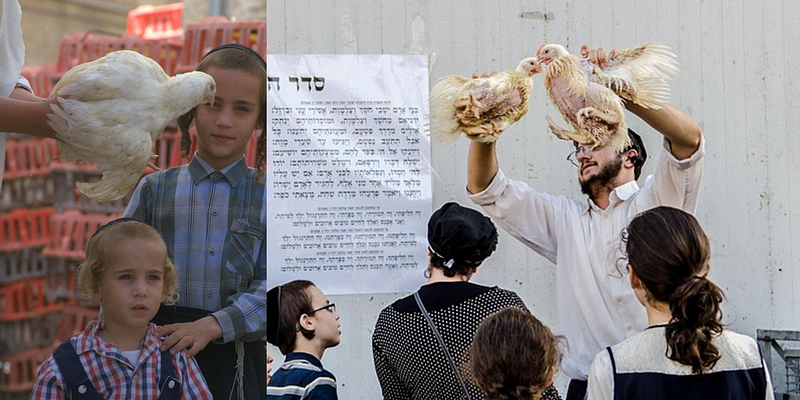
Ashkenazi Jews have observed the ritual of waving the chicken over their head every Yom Kippur Eve for some 1000 years now.
This practice of waving a chicken over the head is called Kapparot (atonement) in Hebrew.
In Yiddish, this ritual is called Shluggen kappores, which literally means beating or hitting, which is something that is just not part of the ceremony; however, it may be something that the chicken must feel like.
Before we go into details, there are a couple of things you need to know: what is Kapparot? And who would do such a thing to a chicken?
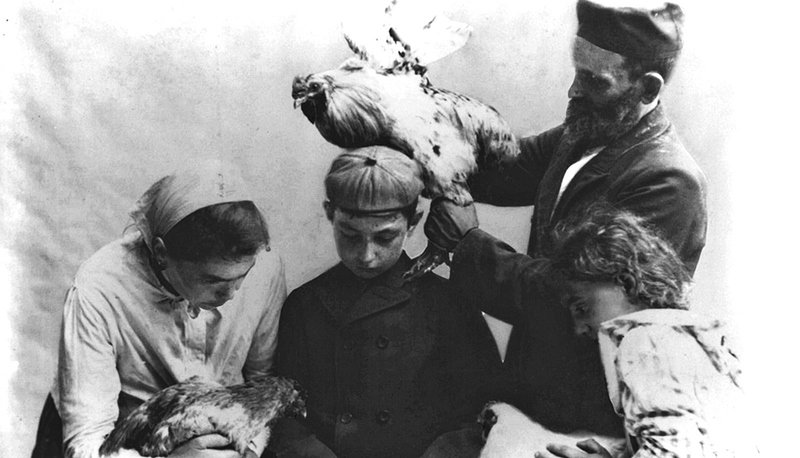
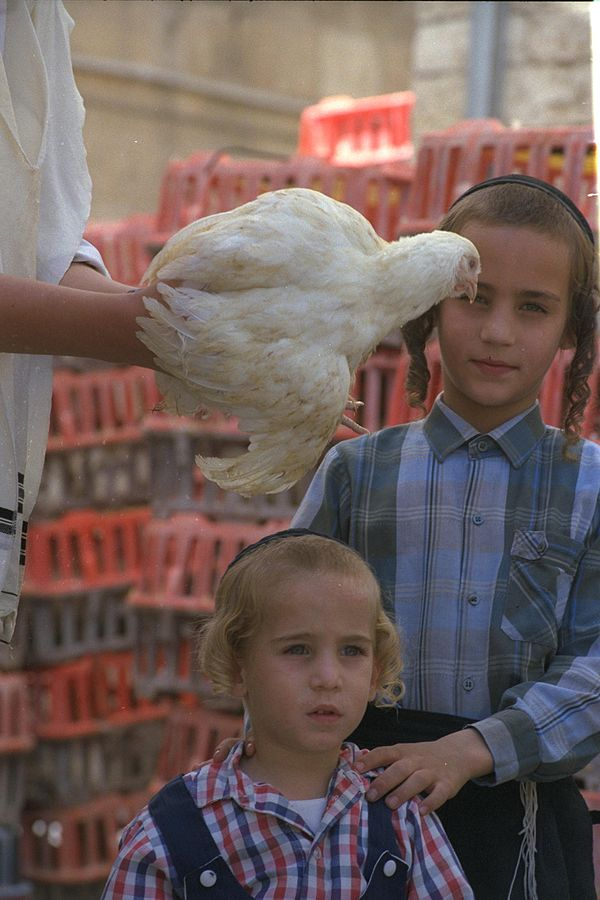
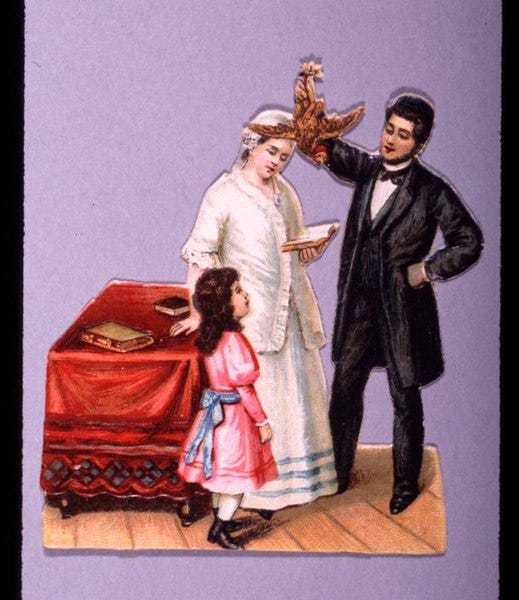
So what is Kapparot? According to Classic Rabbinic Literature, kapparot involves swinging a live chicken over the head while reciting a particular prayer.
Traditionally, Jewish men involved in kapparot use roosters and women use hens. However, women who are pregnant use both in case they are expecting a boy.
After the ceremony is done, the animals are slaughtered according to Jewish laws.
As for who does it? Well — it is primarily a Hasidic tradition, and it is relatively uncommon among the Jews of the 20th century. The ritual was widely practiced by the Jewish in the 19th century.
When And How Twirling Chicken Became Ritual
The ritual of kapparot is not mentioned anywhere in the Talmud or Torah, and because of this, no one is quite sure from whom the ritual is taken.
The earliest reference to kapparot is from the 9th century, and it is also not a direct one.
The ritual came up in a question-and-answered session with the Jewish scholar, and when he was asked about the origin of kapparot, the answer that came was — we do not know.
Jewish historians believe the ritual began way before the Rabbi commented upon it, and this is why Rabbi couldn’t give tell kapparot’s origin.
He opted for an ex-post facto explanation which was; that the ritual is derived from another ritual that took place before the destruction of the temple.
The early form of kapparot was something in which a goat bearing the sins of the people was sent into the wilderness to die.
However, after the destruction of the Temple, Jews were prohibited from carrying out such practices.
S the the Jews opted for a more convenient way, which was to swing chicken over the head of an individual and donate it after it was slaughtered according to the law of shechita — Jewish Law or Slaughtering an animal.
It’s Not Over For The Chickens Even After Death
Chicken innards were thrown on the roofs of the houses for other animals in the Middle Ages to feed upon.
The common belief: Satan was relieved, and perhaps Satan really loved raw chicken.
However, these claims were rejected in the later part of the 20th century by the Rabbis and what was once something that pleased Satan became the opposite of it.
The ritual of tossing entrails on the roofs worried the Rabbis of late; the worry was that the entrails would feed antisemitic meta-narrative about Jews attracting sorcery or magic.
The remains of the chicken were quickly devoured by insects and other animals, making it impossible for the Non-Jews to gather any incriminating evidence.
Nowadays, the chickens slaughtered on Yom Kippur are often donated to charities.
People who study Jewish culture, religion and traditions say: that the sacrifice of chicken is often considered the last good deed before one’s fate is decided by God on Yom Kippur.
Why Is Kapparot Controversial
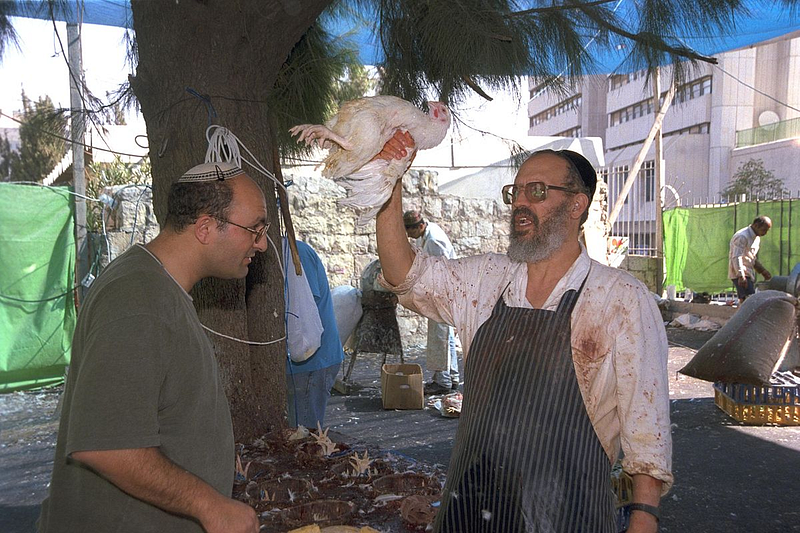
Throughout history, we saw different opinions on kapparot.
While some Rabbis didn’t know what it was, others thought it was something that pleased Satan, and lastly, there were those who believed it to be a form of idolatry and magic.
However, the most famous and accepted reference is that on Yom Kippur, a Jew is supposed to ask God for forgiveness and not let the chicken do everything for him.
In today’s world, kapparot is unacceptable to animal rights activists.
These activists argue the ritual is inhumane, and because of this, they have filed a case against the ritual itself and supported laws to protect the animals from this so-called inhumane ritual by the Jews.
In 2019 the ceremony in New York was brought to a halt when the protestors swarmed the place of action.
However, the officials at the city health department said the kapparot ritual has no negative impact on chicken or even public health, and the ceremony is very important to the huge population of Jews living in the city.
Jewish’s Valentine’s Day
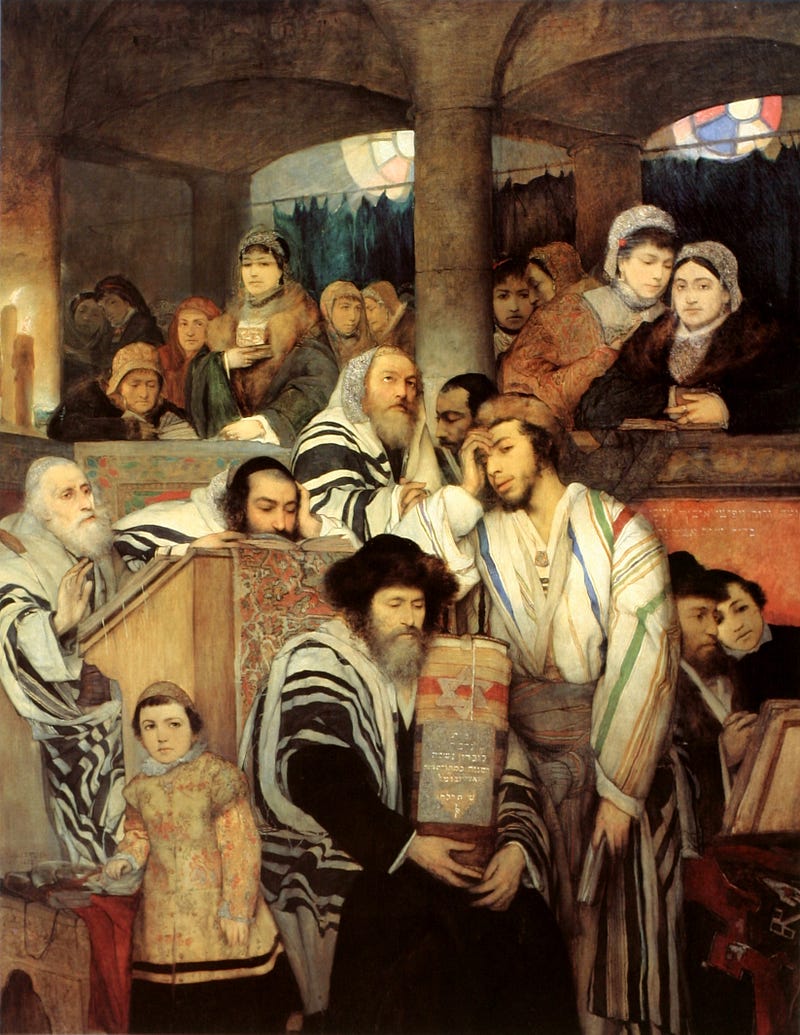
Yom Kippur is a day on which the kapparot ritual is performed, but it’s not all blood and entrails on the roof.
Yom Kippur s often described as a big matchmaking day and Jews valentine’s day because of all the joy that it brings to people’s life.
It is one of those days when a Jew woman is allowed to wear white, and that they do!
A woman chanting and dancing in vineyards while wearing their white gowns lifts everyone’s spirits.
Things Avoided On The Big Day
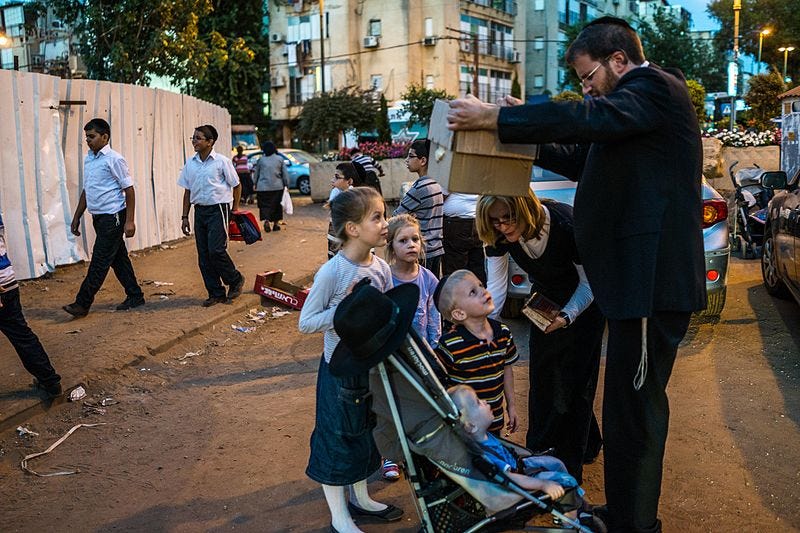
Like any religious day, Yom Kippur has some no-nos, which include: not wearing leather shoes, not bathing, wearing lotion or perfume and a big no to having sex.
This is why on the eve of Yom Kippur, after the chickens have been sent to the here-after most of the people are carrying and passing a less than attractive aroma.
Final Words
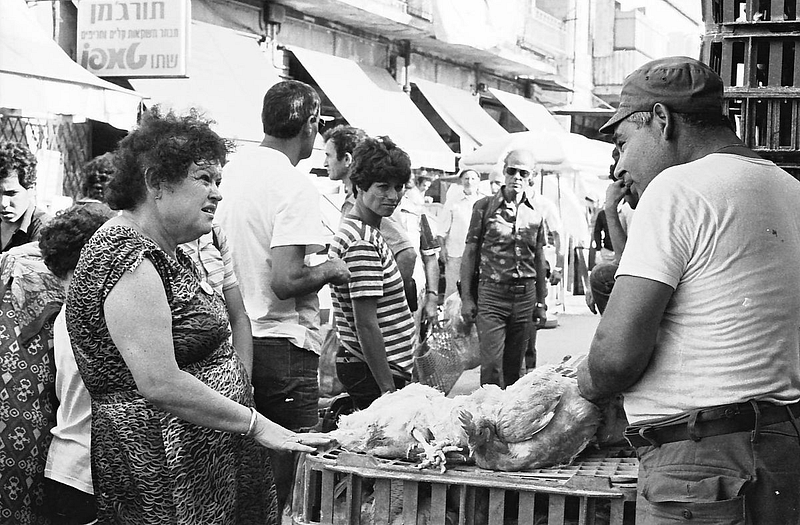
There are many traditions around the world that are unique and kind of something that most of us don’t know of, and Kapparot is surely one of them — a ritual that is important to the Hasidic community living around the world.
More from the author:


