
Our Ancestors Used Crazy Divination To Predict The Future
Historical art puts tarot cards to shame — too weird to handle.
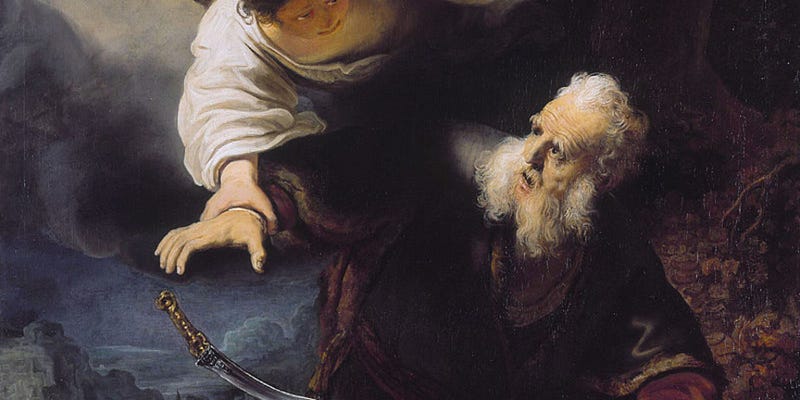
Humans have always been trying to determine the shape of what is to come, and for that, we have used many weird yet real ways.
However, even with all these advancements, we still can’t solve the fundamental issues related to predicting the future.
Who doesn’t want to know about the future?
Not only would it help us make better decisions, but it will also prepare us for what’s coming, well before time.
The future is often intertwined with history, and we can learn from it; however, the bad news is we don’t; in fact, what we do is opt for other ways like astrology, tarot, and whatnot.
People had used scales and metal weight for determining the future.
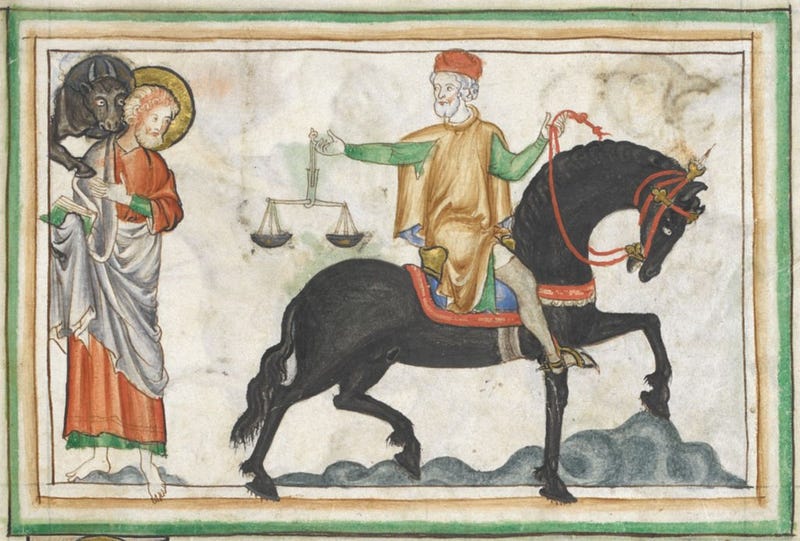
We often hear the phrase their lives hang in the balance, well, “zygomancy” is something that works on its literal meaning.
In the old times, people often used the bible to weigh a person’s crime against a large bible, which was also the true and earliest form of bibliomancy.
This form of divination uses a scale and metal weights to determine innocence or guilt.
Zygomancy was a common practice of the Romans and the Greeks, and many other cultures around the world practiced it in their way.
For instance, some West Africans had a tradition where they would lift an iron hammer to know about their pregnancy. If they picked the hammer, it was a good sign for their pregnancy, and if they couldn’t, that was a bad omen.
Another example would be the Scandinavian culture, also known as the Lapps, these people had rocks which represented their gods.
If they would easily pick up the rock, it meant god was happy, and if they felt the rock was extraordinarily heavy then this meant the god was angry.
A bread which spoke — not literally.
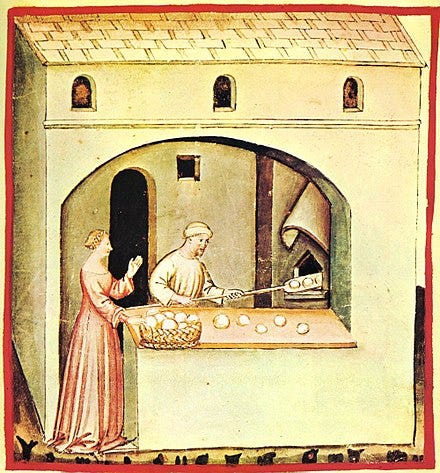
People used to determine innocence or guilt among the group of suspects through alphitomancy, these suspects were fed a special kind of bread made with barley.
Those who suffered from indigestion or simply choked on it were considered guilty.
This practice expanded further, and what was once used only for misdoing was also being used to check the loyalty of people.
Bread made of barley was used mainly during the Middle Ages, and the bread was made in a particular way, unlike others which were rather easier to eat.
Firstly it was made using only three ingredients — barley, milk, and salt — and baked on freshly burnt cinders.
Secondly, it was rubbed using some particular leaves, and all this blessed the bread, which helped them use it for their purpose.
Depending on a bird — a practice still continued.
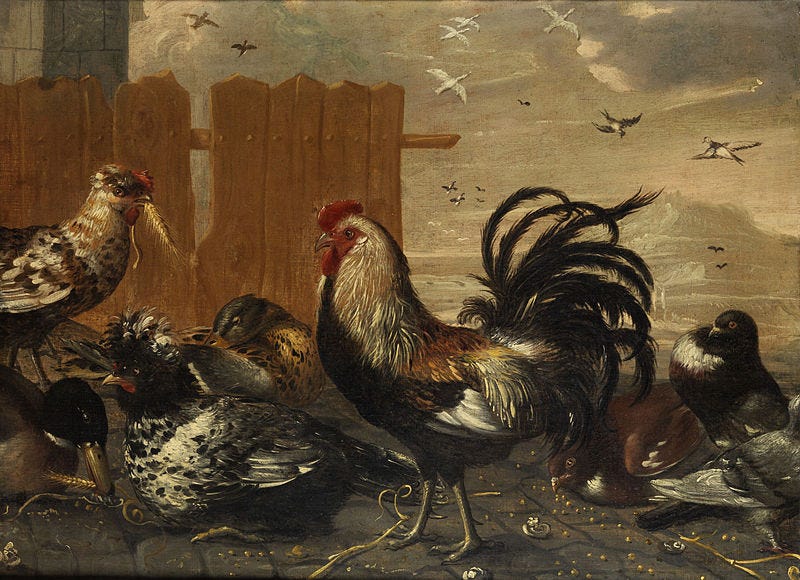
Divination that uses a bird to predict the future is weird. It is simply Alectryomancy.
For order to execute it successfully; the practitioner would scatter the grains all over the ground and then observe it was done using one or many birds.
The key thing for the practitioner was the way the bird moved and ate — the bird used for it was a white rooster.
There are many forms of alectryomancy; however, the most popular form of it is where the saintly wrote letters with specific messages, and then roosters were observed even their pecks.
The final message was revealed by the saintly after the whole procedure was done.
20 to 70 needles were what people only needed & cheese usage took it to next level.
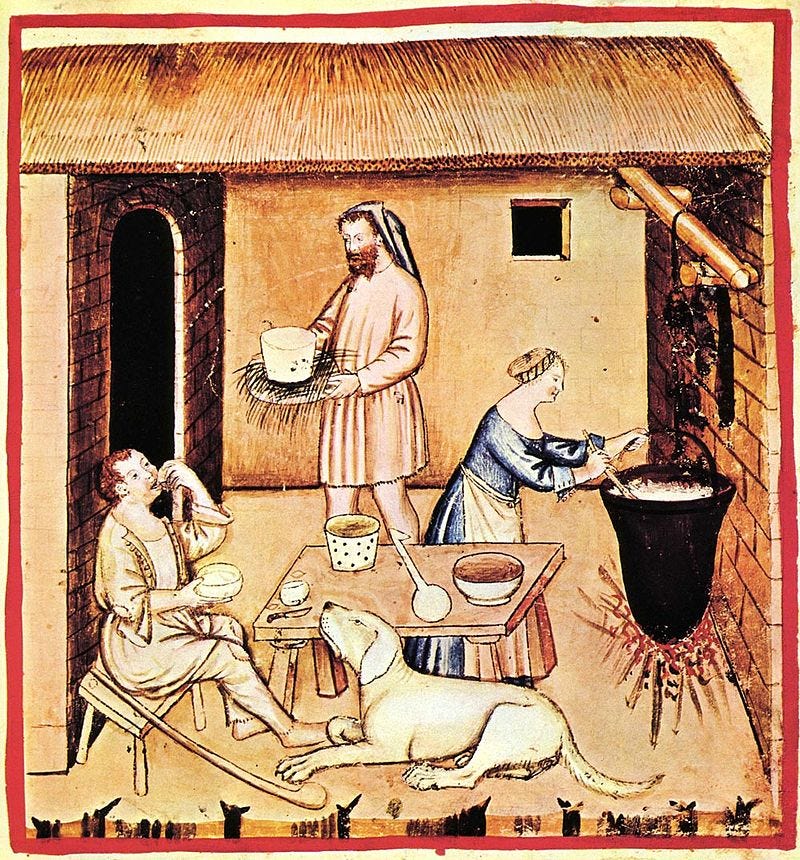
Knew of a form of divination that uses needles to predict someone’s future? It was Acultomancy.
The practitioner used seven to twenty needles made of either metal or bone in a bowl of water or even a flat surface covered with powder.
It was the arrangement of needles that matters, and this was read by the practitioner, and according to this, the verdict was made.
Nomadic Romanis excessively practiced it.
There existed many versions of acultomancy, and this type of practice is also known as sortilege, which is when you throw or cast a token to predict the future.
Other than this, the art of divination got a bit too weird, when the people who practiced it looked at the mold which grew on the cheese either to know what the future holds or to reveal the secrets.
Things that were considered were the mold itself, its color, and the number of holes which were made.
This practice was used to determine one fate, whether it be money, love, or anything related to life where guidance was needed.
This is another divination that was popular in the Middle Ages, and this divination also has many variants, among which one is where the practitioner wrote all the possible answers to the problem on cheese and observed which answer paper got molded first.
When movies showed the truth
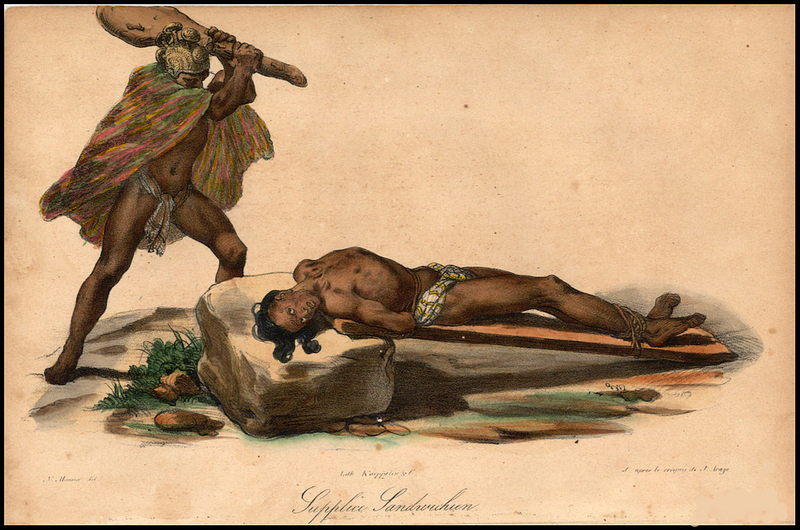
We may have thought that all this kind of stuff was only for movies but little did we know — it all has been always real.
A human sacrifice was involved to determine someone’s destiny — anthropomancy required a sacrificial victim, often a child or a virgin female.
The person being sacrificed was cut open while alive, and the color of its internal organs showed the future to the saintly practitioner, who then gave the verdict based on it.
While the color of internal organs was of importance, the other thing noticed by the practitioner was the screams and squirms of the person being sacrificed.
Anthropomancy is one of the oldest forms of divination, practiced by the ancient Egyptians and the early Romans, especially by Emperor Julian, who sacrificed numerous children for this.
Another person was the Spartan king Menelaus who sacrificed two kids while being stuck in Egypt.
Final Words
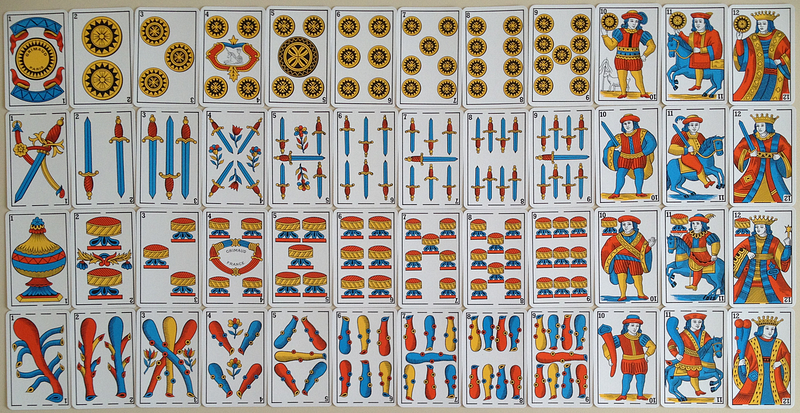
Throughout human history, we have used numerous divinations just to know what the future holds for us.
However, I feel that because of focusing on the future so much, we forget about our present and how we can make things better while living in it.
For me the words of a very wise turtle matter a lot ‘Yesterday is history, tomorrow is a mystery but today is a gift that is why it is called present.
More from the author:


