
The Word ‘Boycott’ Comes From An Actual Person — He Was Boycotted
Surprising story of Irish inventing the term after poor Charles Boycott.
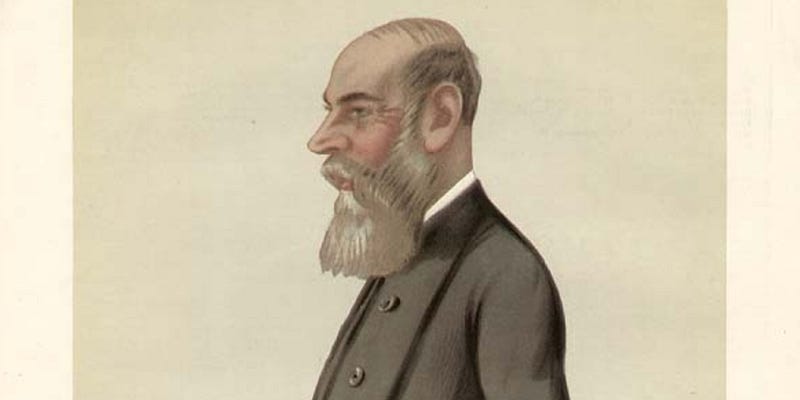
We have all heard of boycotting an event or a place at some point in our lives, and in today’s world, anyone boycotts anything for the right reasons.
Some boycott events includes sports, and political gatherings, while others boycott movies and TV shows or anything that needs to be restricted.
But when you think about it, the word boycott is a little strange. How is this word related to the action of ignoring and not attending or doing something?
And just as strange is the part where the word boycott doesn’t have a similarity to any other word.
We need to go back to the 1800s to find out where the word boycott comes from, let’s travel to the past.
Captain Charles Cunningham Boycott
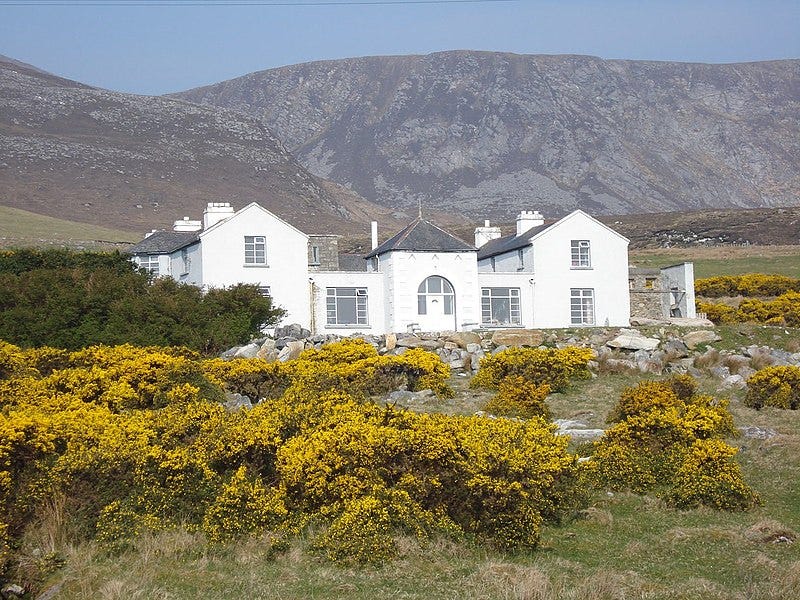
It all started in the late 1800s during the Irish Land War from a British Captain who was known by the name Charles Cunningham Boycott, a former British army officer who served in the British army in Ireland.
After retiring, he started working for a Local landlord known as Lord Erne as a land agent in County Mayo, Ireland.
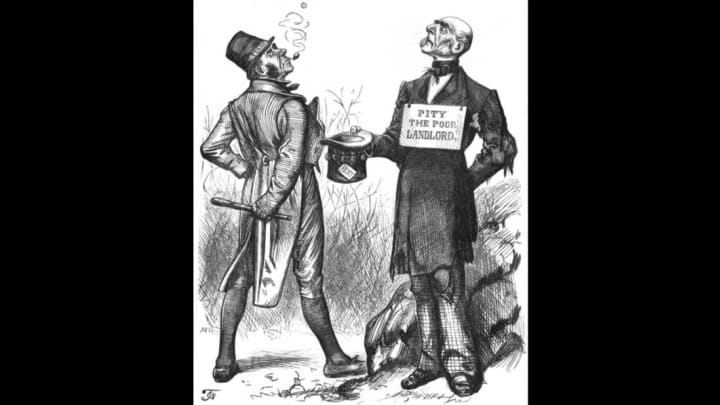
In the year 1880, Lord Erne thought of him as a generous man, even when he lived off the exorbitant rents that he charged his tenants.
Because it was a year of a very bad harvest, he offered his tenants a rebate of 10% on their rents. However, the tenants thought a 10% of rebate just wasn’t enough, and they started to protest and demand a reduction of 25% minimum.
This was a demand that Lord Erne wasn’t willing to entertain, and to evict the revolting tenants’ Lord Erne dispatched his trusted land agent Captain Charles Boycott.
Shortly before Charles Boycott evicted the tenants in a bloody or messy way, Charles Stewart Parnell, a member of the Irish Land League, Parnell suggested everyone deal with their landlords and land agents in a peaceful manner rather than resorting to violence.
Charles Stewart Parnell and the Irish Land League campaigned for three F’s, which were: the fixity of tenure, free sale and fair rent.
Charles Parnell also suggested people living in local communities to simply ignore any offender and not to conduct any business with them.
Boycotting Mr Boycott

It didn’t take long for the news of Charles Boycott’s eviction drives to spread all around the town.
And because of this, he found himself isolated within the local community, and for all the short-term economic strife it bought them, Charles Boycott’s workers stopped working for him in stables, fields and even at his house.
It didn’t stop there; all the local businessmen stopped all kinds of trades with him, and things got so bad that even the local postman refused to deliver his mail.
The campaign against him just kept on getting brutal, not in a physical way but mentally, and what started hurting Charles Boycott the most was the silence, scorn and condescension of everyone that he encountered on day to day basis.
Charles Boycott was facing financial peril because of the actions that were taken against him, and tensions were only mounting because no one was willing to take his job to harvest his crops.
With no other choice left, Charles Boycott hired about 50 men to harvest his crops from another city situated far away from his so that no questions about his boycott were asked.
To escort these 50 men to his farmlands, he hired about 1,000 armed policemen, which didn’t go very well for him because of the hefty amount he had to pay for the escort.
However, with the Irish Land League sticking to their promise of no violence or aggression, no bad incident took place while the men were being escorted to Charles Boycott’s place.
The cost that Charles Boycott paid for protecting his harvesters cost him far more than he had expected, so much so that the cost of all the process cost him more than what his harvest was worth.
This left an already suffering man with another great financial loss. Even after going through so much, the boycott of Mr. boycott continued.
Boycott Going Viral In The Old Days
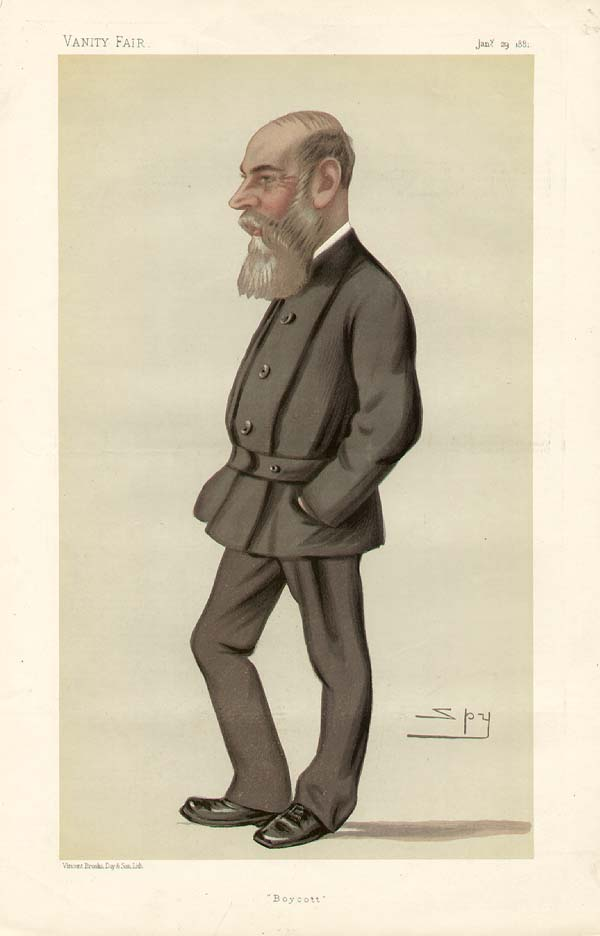
Furious with what his life had turned into, Charles Boycott made a costly mistake by informing the British media about his predicament, and it didn’t take long for the press to pick up on Boycott’s story, and in a matter of weeks, the name Boycott was everywhere.
It was James Redpath from the New York Tribune who used the word in the international press shortly after Boycott’s letter to the British press. The Times used the term boycott to describe organized isolation in November of 1880.
A year later, in 1881, the term boycott was being used to describe things metaphorically. One article in The Spectator described how nature boycotted London from Kew to Mile End.
It was in the year 1882, the word boycott became a staple of the English language all over the world.
Final Words
There you have it! The fact that is interesting and fascinating about the word boycott is how the word itself and the origin of the word have stayed so similar to one another throughout all this time.
Now that you know about how one man’s name became an integral part of a language don’t forget to tell your friends about the source of it the next time they mention it.
It makes me think how we, our names, are capable of getting listed as a word in dictionary; but there is a catch — our names should be unique and our story interesting enough!
More from the author:


.jpg)

.jpg#mw-jump-to-license)
