
When Paris Flooded For Two Months
1910, Paris was the first the city has seen — rare photographs.
Humanity has been through a lot over the years, whether it be wars, pandemics, or natural calamities.
All these have made humans suffer a lot.
However, all of these problems are preventable except the natural calamities that we can only control to a certain extent only.
One of the many naturally occurring calamities has been floods that destroyed anything that came in their path.
The only way to control floods is by building dams, which not only store flood water for a year but also help in years when rain is less than required.
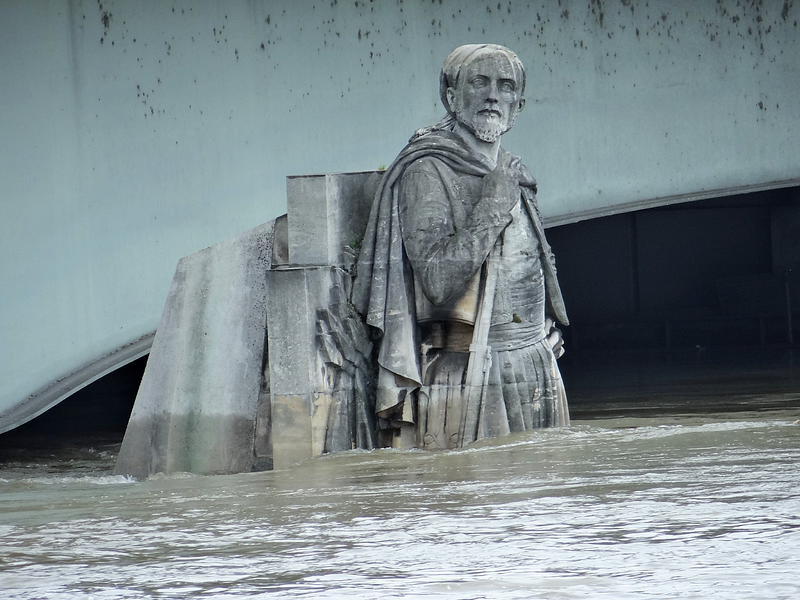
There have been many disastrous floods over the years, one of which is surely The Great Flood of Paris.
The Great Flood was catastrophic for Paris, a catastrophe in which the Seine River carrying winter rainwater rose more than eight meters above its ordinary level, resulting in The Greatest Flood Paris has ever seen.
Let’s get to know more about the greatest flood of the 20th century — a flood that submerged the city of love for more than two months.
Initial Picture Of Paris, How It Looked From The Eyes Of Parisian
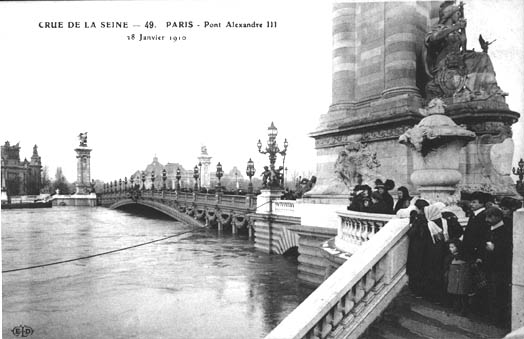
It was the last week of January in 1910, after months of heavy rainfall, when the water level in the Seine River rose so much so that it flooded and overflowed sewers and subway tunnels.
The river pushed so much water into Paris that it seeped into basements through dense soil.
Parisians were left flabbergasted, seeing every drainage in the city overflowing. The river didn’t overflow the river banks even when an avalanche of water was passing through it.
For Paris, the problem was its drains, sewers, and tunnels; however, for the neighboring cities, the river overflowed its banks and resulted directly in flooding of all the surrounding terrain.
Even when floods were normal occurrences in Paris, the flood that came in 1910 was something that usually happens once in a lifetime.
The Seine River rose so rapidly that it made it extremely difficult for Parisians to evacuate their homes. The water flooded every building and street in the city, shutting whole Paris down.
What was once known as the city of love started resembling the city of water that we know as Venice?
Not The Paris Which Everyone Knew Of
A city that was known for its rich culture, food, and overall life now became a ghost town, but with people stuck in it.
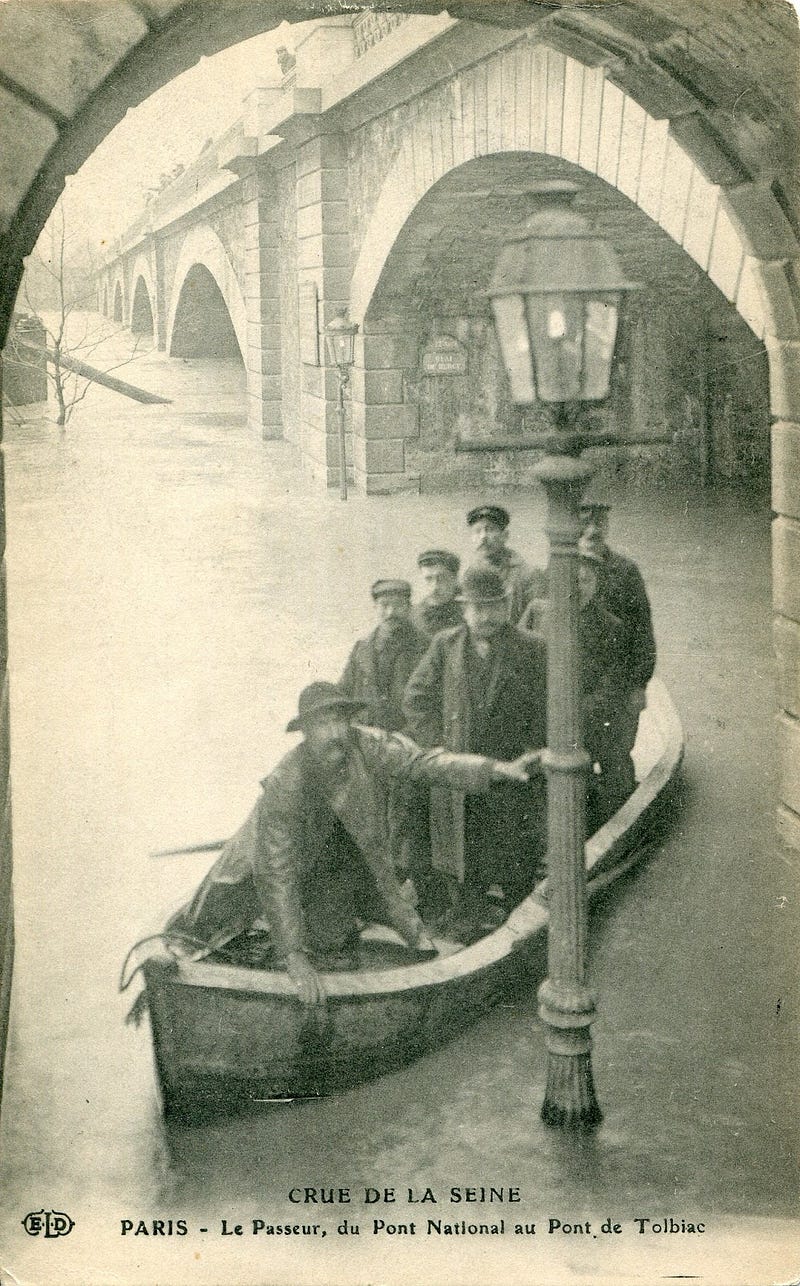
The streets, which were full of pedestrians, food stalls, and street performers, were now submerged under water with authorities using boats to travel on them.
The authorities used boats to evacuate the people stuck in dangerously submerged buildings to lands that were much safer.
Because most of the infrastructure was destroyed, the government built walkways that were made out of wood so that there was something for the people to get through.
There was no electricity in the city because the authorities feared if any wire was broken and it was in the water, that would make things even worse.
Another problem was the severe cold that enveloped Paris, and things got so chili that even the judges were using woolen blankets to wrap them while they were at work.
The Peak Of Destruction
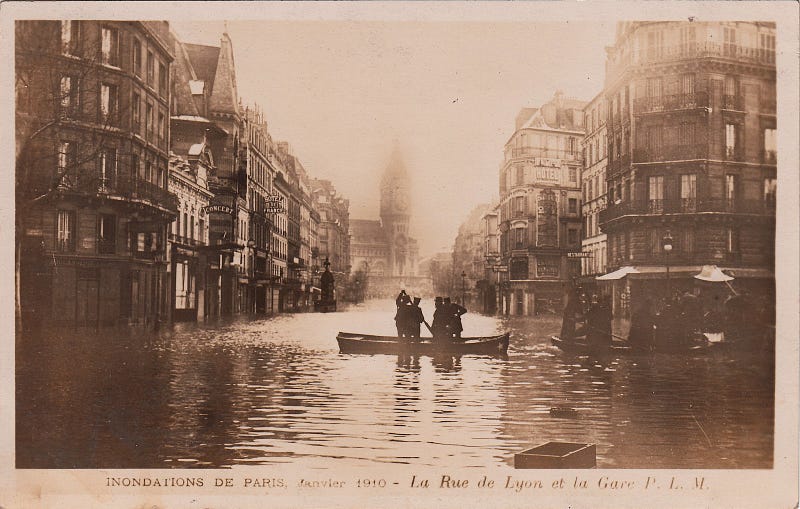
What started as an already deadly flood was at its peak on the 28th of January when the water reached its max height was around 8.3 meters above what it normally is during the earlier flooding days.
The flood lasted for approximately two months; however, it was the first 30 days that were the most difficult for the Parisians when there was an extreme food shortage, no electricity, and no dry place or wood to light a fire during freezing days and nights.
The destruction caused by the flood was not only heavy on Parisian’s bodies but also on their pockets, and it is estimated that the damage caused by the flood was more than 1.5 billion Dollars (adjusted for inflation).
However, on the bright side, the rescue efforts by the french authorities were top-notch, and not a single person died during the Great Flood of Paris.
Floods And The Media Bonanza
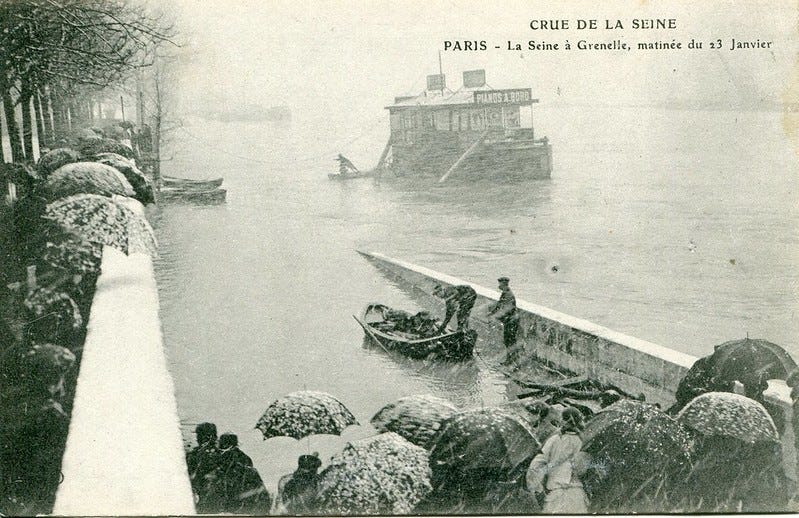
Knowing that one of the world’s most renowned cities is underwater sparked something of a media boom.
The foreign correspondent from all over the world started coming to France to cover Paris’s misfortune, and it didn’t take long for the Great Flood of Paris to be memorialized as the worst calamity since 1658.
For some reporters, flooded Paris depicting scenes from Venice, while for others, it was described as the Dead Sea.
Some went as far as saying the city was covered with a sheet of filthy brown-smelling water with all its famous shops, hotels, and cafes were as Dead as a graveyard.
Final Fall Before Rising Again
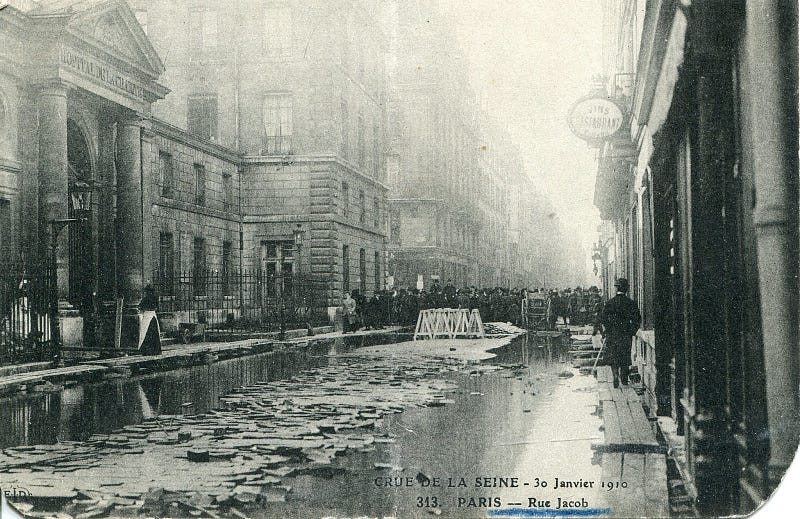
Paris was becoming unlivable as the day passed on; with its sewers clogged and garbage processing plant full shut, downed hordes of Parisian rats emerged amidst the grot.
Some Parisians describe the time as desolated and full of terror, while some believe it was the beginning of the end of the world.
It took years for Paris — which was one of the most advanced cities in the world then — to recover.
The flood changed Paris for quite a while; what was music and the scent of freshly brewed coffee or flowers turned into noisy repairs and the stench of disinfectants that permeated the air.
Final Words
Throughout history, we see many incidents where a natural calamity struck a city or whole country — what else we see is the way we, as humans, got out of that crisis and came back stronger than ever.
All we can hope for is for the world to spend more on preserving life on this planet instead of destroying it.
More from the author:


.jpg)
