
Surprising Dark History When Boys Wore Pink And Girls Wore Blue
Here is why it all changed during World War 2.
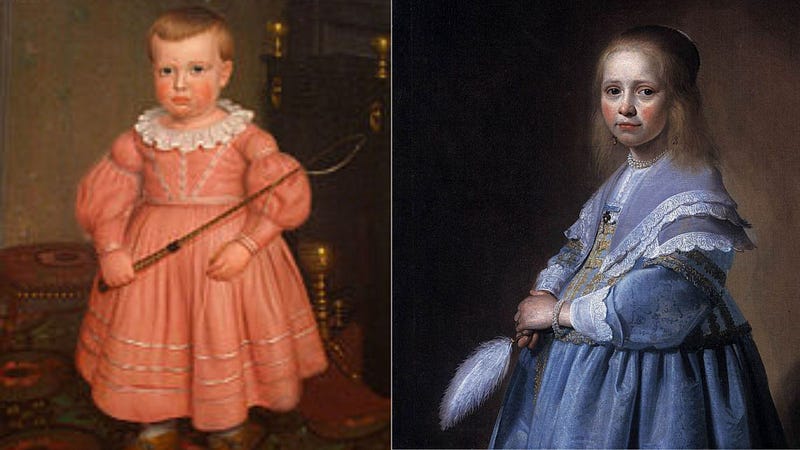
A lot has changed since the 20th century — as we humans have advanced we have become more and more accepting towards change.
Most of the time the changes were good, improving us as a race, and sometimes they were rather absurd.
In the earlier part of the 20th century and the end of the 19th century mothers were regularly advised by the storekeepers to dress your boy in pink if you want him to look masculine, and if the parents were buying for a girl they were advised to opt for blue, since it was an extremely feminine color.
This was common advice across Europe because the color of Virgin Mary’s outfit is believed to be blue. On the other hand pink was seen as a boyish version of masculine color red.
However, during the Middle of 20th century a huge marketing campaign was run by several companies where pink was pushed as an exclusive feminine color and the change came very quickly.
A Brief History Of Baby Fashion
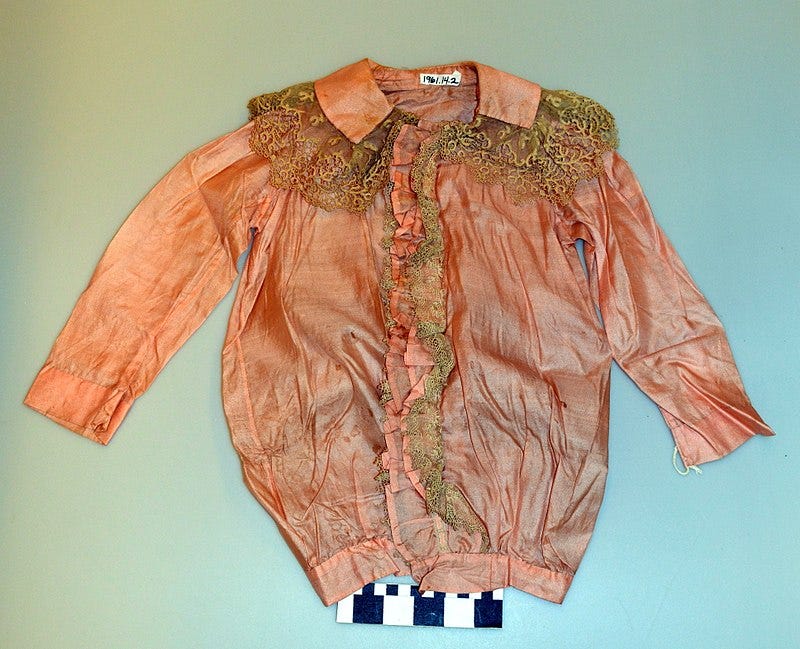
The wardrobe of babies born in the 1920s was quite androgynous, and could be termed feminine in the modern age because the outfits were mostly in dress styles that are worn by women in the present times.
Both boys and girls were dressed in frocks and their outfits were mostly white where the colorful ones were reserved for special occasions and the earlier criteria of pink for boys and blue for girls was often followed.
The open skirts allowed mums to change their child’s diapers with ease, rather than in a trouser.
Dresses also proved economical in the long run, where the growth spurts are quick, spontaneous and quite large in the first few years.
The fact they were white meant that they could be washed easily, with the help of bleach and without the fear of ruining the fabric’s colors.
This manner of dressing continued well past the diaper age, around 5–6 years where some form of change was adopted to represent the child’s gender.
It was an evolution in human society, where a person’s appearance became a basis of their identity from an extremely young age, perhaps from the time they are born.
Even before the child’s birth, pink color is attributed if the baby is a girl, or blue if it’s a boy.
Various liberation movements in the 60s, resulted in androgynous clothes for women, with more masculine forms of clothing as a form of empowerment.
Simultaneously, young boys also started dressing in conventional clothes for men from an early age. However, girls wore trousers and shirts, instead of dresses and stockings.
Today, even though girls can be seen wearing pants, boys can’t be seen wearing dresses, since it isn’t considered a conventional way of dressing anymore.
Categorizing Pink And Blue With Genders
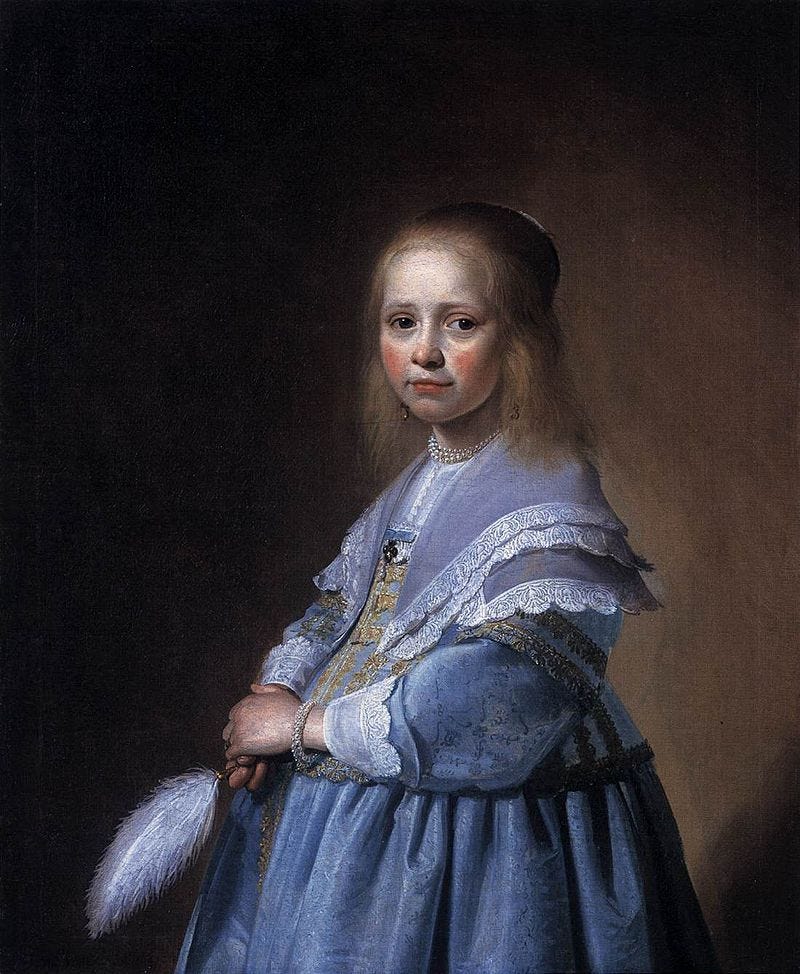
The idea might seem a bit skeptical at the moment, but pink was generally thought a more suitable color for boys rather than the girls.
This might be because of its strong shade, or its over all prominence it has over the calm undertones of blue, that might have led to the phenomenon.
Due to the delicacy stereotyped with female gender, the color blue was made popular among small girls, however not to the extent of pink that is worn by girls today.
It wasn’t until the 1940s that the “blue is for boys and pink for girls” trend started, which could be seen as a marketing technique for clothing brands that did not want their sales to drop down.
Although like any successful marketing strategy, the implications weren’t obvious.
There are facts that back up and explain the change behind these preferences, but the change is there nonetheless and has managed to survive to the present day.
So pink became default color for girls after WW2 — it has to do with Nazi Germany. You might have read how Nazis forced Jews to wear yellow badge as part of their identity, similarly they used to compel gay men for wearing pink badge.
It is due to the very reason people began associating pink with non-masculinity, reserving it for girls.
The Effect On Children
Many traditions seem to have changed, but the notion of pink for girls and blue for boys, is still practiced.
It is reinforced by gender reveal parties where the colors are shown to suggest the gender, respectively, as well as manufacturers who have seperate clothing lines for boys and girls.
This has unknowingly put us into a habit of ascribing colors to each gender, which can often lead to stereotyping and raise questions when a parent decides to do something different.
We unconsciously develop a picture in the child’s mind regarding their gender which tells them to behave and look a certain way.
It may seem harmless at such a young age and even “cutesy” to elders, to dress up their child in a more masculine or feminine way. However, the effects might be bigger than we think.
Final Words
The way children get dressed has changed a lot over the past few centuries, where the trends are constantly changing.
Greater attention is paid to the style of the outfit and is considered equally important as adult dressing. Designers launch their baby collections and parents start their preparations before the birth of their child.
Even though the norms are changing and people are being more lenient towards color choice regarding their babies, there is still a long way to go.
We must avoid getting carried away and avoid prescribing traits to children according to their gender, as this can lead to a negative impact on their personality, and reinforce the stereotypes in society.
More from the author:


