
WORLD’S GREATEST BENEFIT CONCERT
A Personal Account of Live Aid — the Day Musicians United to Fight World Hunger
Bob Geldof and Midge Ure created the greatest benefit concert of the 20th century. They raised millions for famine relief.
You can read this via my friend link if you are not yet a Medium member.
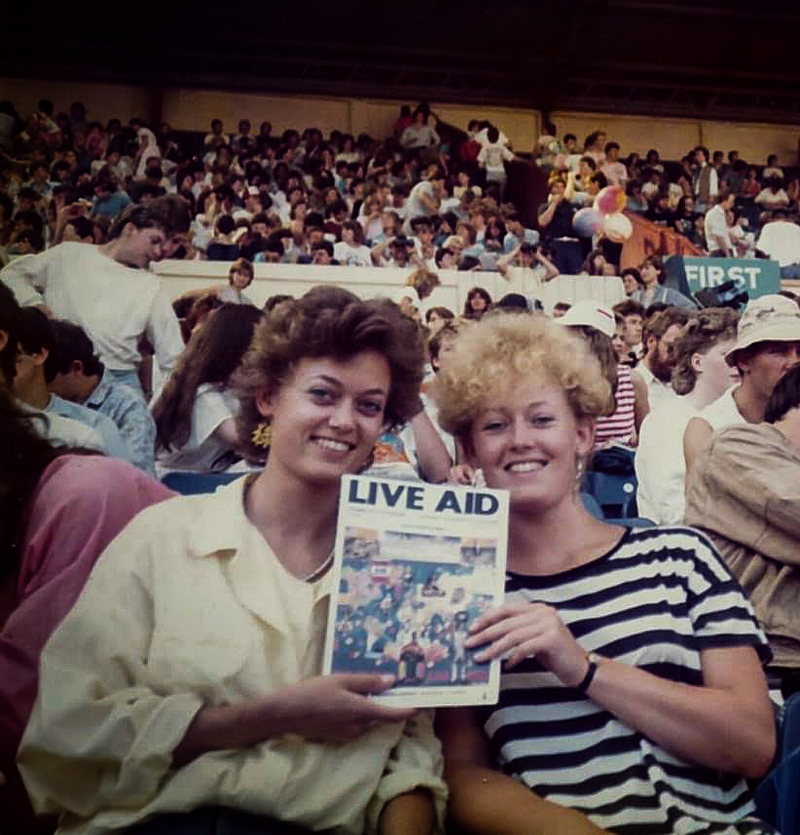
“Hey, sis, I heard about an event called Live Aid — a big concert at Wembley with loads of great bands. Let’s go!”
While at university in June 1985, my sister, Jackie, called to ask if I wanted to go to Live Aid. When she told me the tickets were £25.00, I hesitated before saying yes. This was a lot of money for a 20-year-old, cash-strapped student.
At the time, my sister was a student in Manchester. She lined up all night on the street near the booking office to get our tickets.
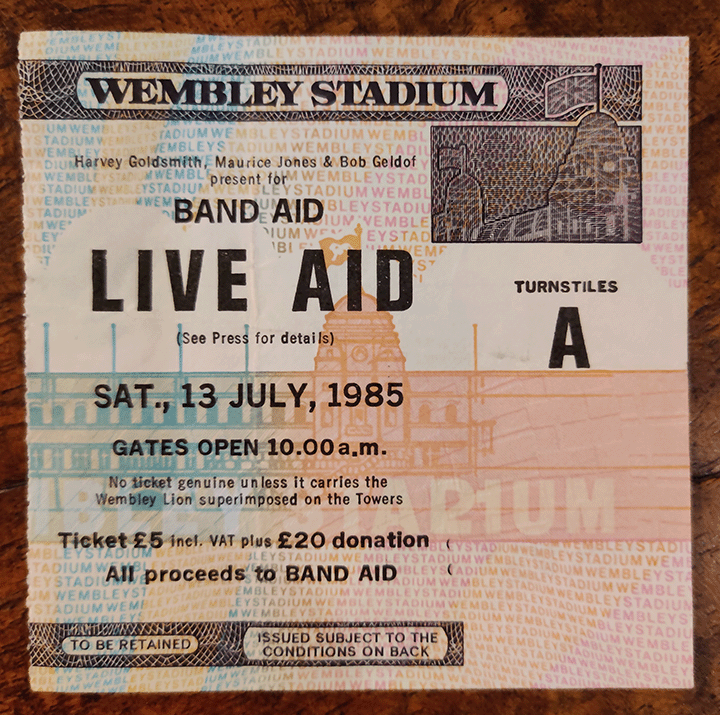
We had no idea people would later call the multi-venue, 75 musical acts-based benefit concert the greatest musical event of the 20th century. 1.9 billion people watched Live Aid. This included 72,000 at Wembley Stadium in London and 89,000 at John F. Kennedy Stadium in Philadelphia.
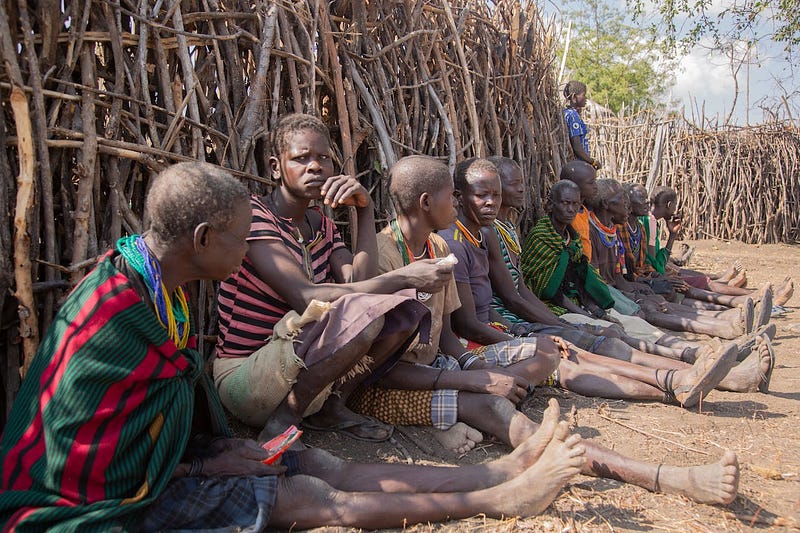
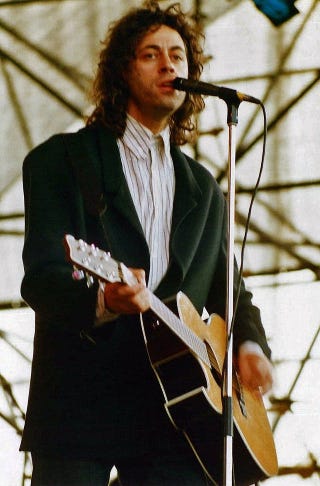
After seeing horrific BBC news reports of widespread famine and starving children in Ethiopia, Boomtown Rats lead singer Bob Geldof visited the country himself. He then decided to take action.
Geldof recruited Ultravox frontman Midge Ure to help him. Together, they mobilized a team of musicians to take a stand against world hunger.
Geldof’s empathy, vision, and energy led him to create Live Aid. This event stopped the world for one day and raised millions of dollars for famine relief in Africa.
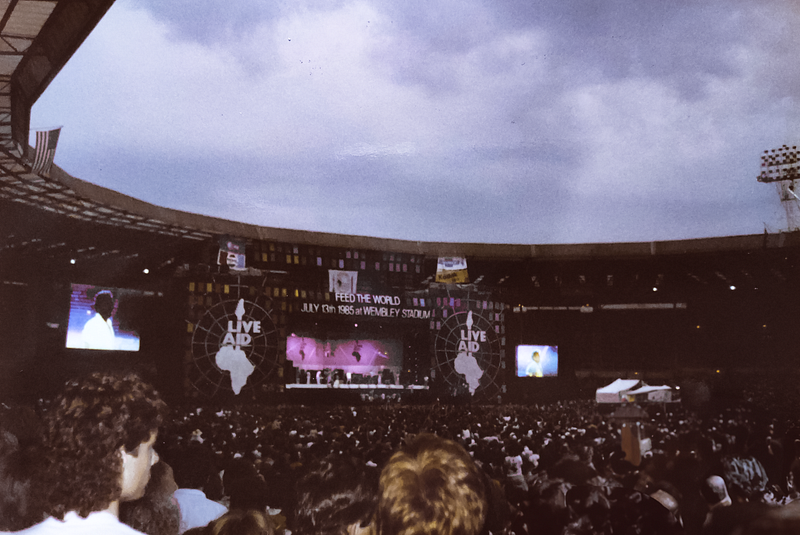
On July 13, 1985, my sister and I took the train from our hometown, Brighton, to London. We walked from the station to Wembley Stadium. With a throng of excited music fans, we inched our way through the crowds into the stadium.
From our seats to the left of the stage, we looked out over a sea of bobbing heads. The stadium soon filled to its 72,000-person capacity.
Sun blazed from a cloudless blue sky. The scent of popcorn and sunscreen wafted around as we sat back to enjoy the show. At home, our younger sister, Hayley, and our dad watched the entire concert on TV, along with 40% of the world’s population.
Over the next ten hours, many bands and performers entertained us. But videos on enormous screens of starving children with bloated stomachs were a sobering reminder of why we were there.
Throughout the event, Bob Geldof and Midge Ure urged the public to open their wallets and donate. During the show, Geldof, disappointed with the money raised so far, rushed to the BBC box. He appealed to viewers for donations, saying,
“You’ve got to get on the phone. Take the money out of your pocket. Don’t go to the pub tonight. Please — stay in and give us the money. There are people dying NOW, so give me the money!”
Unforgettable Moments
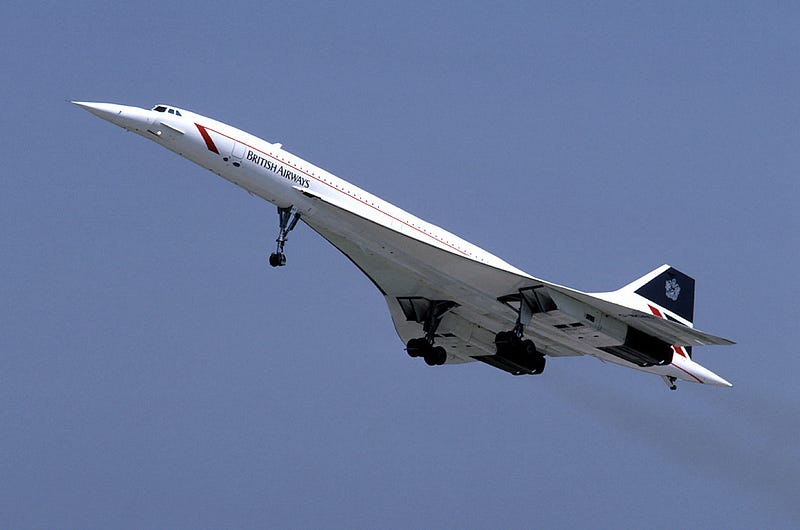
Phil Collins performed at Wembley. He then flew by helicopter to Heathrow and boarded Concorde for New York. They helicoptered him from there to Philadelphia to perform at the Live Aid show at JFK Stadium.
As Concorde flew over Wembley Stadium, 72,000 of us cheered and waved Phil on his way.
There were some technical difficulties during the show. The sound could have been better, and blown fuses and circuit breakers spoiled some performances.
But, when Queen came on stage, the sound was fantastic. I always wondered about that. I watched the movie Bohemian Rhapsody 33 years later, in 2018. Finally, I discovered why Queen sounded so much better than the bands that had performed before them.
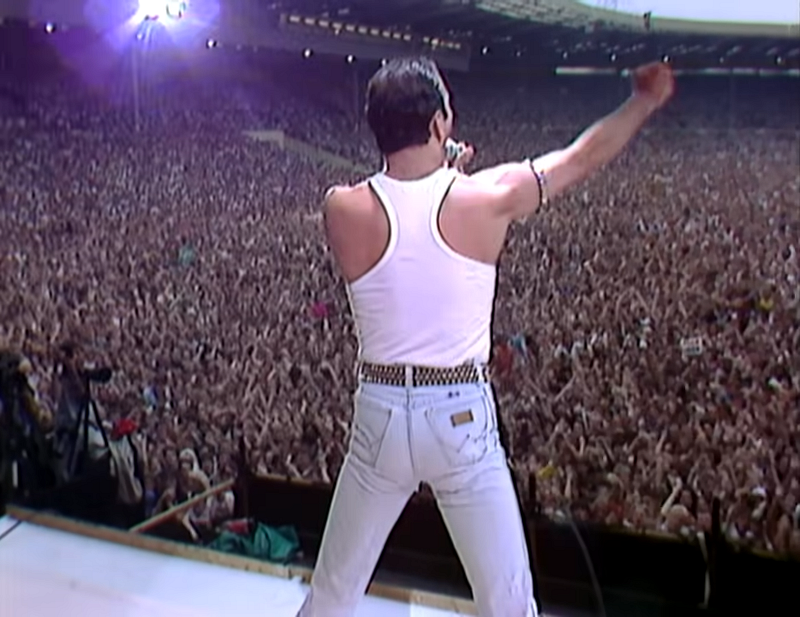
During Queen’s incredible 21-minute set, lead singer Freddie Mercury performed some of the band’s greatest hits. These included the first part of Bohemian Rhapsody, Radio Ga Ga, Crazy Little Thing Called Love, We Will Rock You, Hammer to Fall, and We Are the Champions.
Freddie had the crowd spellbound with his mesmerizing stage presence and superb showmanship. During Radio Ga Ga, he had all 72,000 of us clapping in unison. I remember an ocean of raised hands waving, clapping, and pausing in time. I felt an incredible bond with everyone in the stadium.
Live Aid ended with the renditions of Do They Know It’s Christmas? in London and We Are the World in Philadelphia.
The Wembley concert drew to a close at 10 PM, and nobody wanted the day to end. We made our way up the steps and into the building, heading for the exits.
As we walked through the concourse with the thousands of others, people joined hands in the air. We sang “Feed the World — Do They Know it’s Christmas Time?” over and over again at the top of our lungs.
Everyone joined in, and soon, the walls were reverberating with thousands of voices. I felt like laughing and crying at the same time.
When I watch videos of Live Aid now, especially when I hear Do They Know It’s Christmas? my eyes well. I’ll always remember that incredible day. Looking back, I see that Live Aid greatly impacted my life.
If you want to make an impact — take action.
The famine affected Ethiopia from 1983 to 1985. It was one of the worst humanitarian disasters of the 20th century. According to the United Nations, it affected close to 8 million people. It left approximately 1 million dead.
When Bob Geldof became aware of this heartbreaking situation, he didn’t just say, “That’s terrible.” He took massive action to ease suffering. He made a plan, asked for help from anyone who would listen, and didn’t worry about obstacles he might encounter.
Live Aid was the most successful set of benefit concerts in history. Wikipedia tells us it raised approximately £150 million for famine relief. The funds raised saved countless lives.
“Never doubt that a small group of thoughtful committed individuals can change the world. In fact, it’s the only thing that ever has.” — Margaret Mead.
One person persuaded the world to donate to a worthy cause. Imagine what could happen if more of us stepped up and took action.
If you want to make a positive impact — aim high, make a plan, and ask for help. Don’t worry about obstacles, and assume it will all work out. Be like Bob Geldof — get out there and do it.
Seize opportunities
On the Concorde flight from London to New York, Phil Collins bumped into Cher. She asked him what was happening, and he told her he was performing at Live Aid. When she heard about the event, Cher immediately decided to get involved.
She asked Phil if he could get her on the show. He said, “You don’t need me to get on it — just turn up.” After his performance, Phil Collins flew back to New York by helicopter. He turned on the TV and caught the end of the show at JFK. Cher was on stage with a microphone.
Like Cher, if you say yes to opportunities, you’ll always have interesting stories. While on life’s ever-shifting journey, be kind and generous to those less fortunate whenever possible.
Be Grateful and help others.
A study published in the American Journal of Community Psychology concluded that witnessing or benefiting from others’ altruism may inspire people to help those in need. The experiences of awe, gratitude, and hope that come from this may be the inspiration.
Live Aid opened my heart and mind to the issue of hunger and made a lasting impression. When my son was three, I started sponsoring children in Ethiopia. I’ve continued to do this for the last 22 years. Sponsoring children helps pay for their food, clothing, and education. Doing this makes me happy and grateful for my fortunate life circumstances.
In 2016, I participated in the Welfare Food Challenge. The purpose of the challenge was to give people a glimpse into the life of a person struggling to make ends meet on an income well below the poverty line.
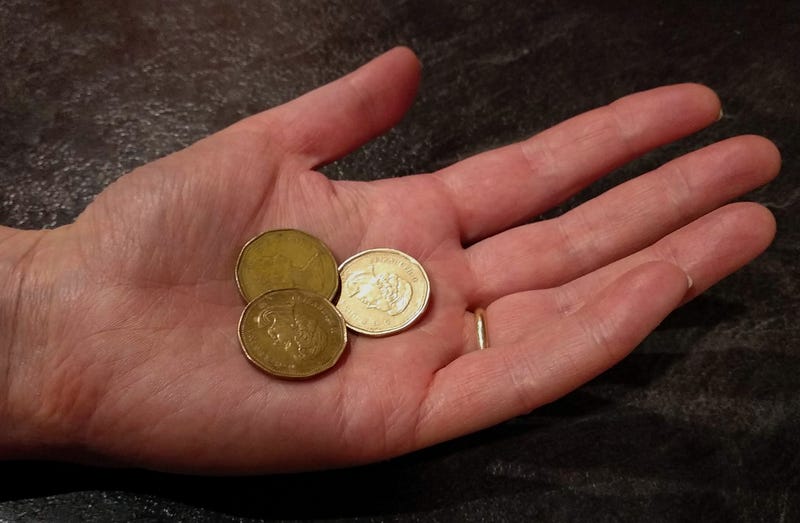
I had to get through the week with only $18.00 for groceries — three dollars a day. I gained some insight into poverty and posted my diary to increase public awareness about the issue.
Since then, I’ve supported various organizations that help hungry people. These include the food bank, Backpack Buddies — a program for hungry school children and the Tri-Cities Food Hub. I’m a member of a community action team that helps people experiencing homelessness.
I wrote about an encounter with a memorable individual at a homeless shelter. Chicken Soup for the Soul published the story, A Christmas Star, in their 2022 book, The Magic of Christmas.
Altruism can benefit our health.
Altruism is “The belief in or practice of disinterested and selfless concern for the well-being of others.” According to the UK’s Mental Health Foundation,
“Doing good does you good.”
Evidence suggests helping others can promote physiological changes in the brain. These can make people feel happier. Helping others can also widen our support network and encourage us to be more active. It can improve our self-confidence and self-esteem.
Volunteering gives us a feeling of belonging. It can help us make new friends and connections and reduce isolation and loneliness. Helping those less fortunate may help us put life events in perspective. It can make us feel more positive about our life circumstances.
We all have a family member, friend, or neighbour who needs our support. And every person we encounter daily struggles with something. I often think of J.M. Barrie’s wise advice,
“Always try to be a little kinder than is necessary.”
The more we do for others, the more we do for ourselves. It’s a win-win. There are many worthy causes, but a great place to start would be to carry on Live Aid’s legacy and figure out how to feed the world.
Here’s a glimpse of Live Aid 1985 on YouTube.
Thanks for reading my story. Here is my full Story Index.
Here is some information about my background.
Sources
- American Journal of Community Psychology
- Mental Health Foundation (UK)


