avatarScott Anthony

Free AI web copilot to create summaries, insights and extended knowledge, download it at here

4395

Abstract

idexterity. He tells the story of a heroic cop, while using it to mask another story, so much darker, beneath.”</i></p><p id="e870"><b>Variety Staff</b> from <b><i>Variety</i></b> says: <i>“Glenn Ford’s portrayal of the homicide sergeant is honest and packs much wallop. Lang’s direction builds taut suspense, throwing unexpected, and believable, thrills at the audience.”</i></p><figure id="682d"><img src="https://cdn-images-1.readmedium.com/v2/resize:fit:800/1*NUczheeysO6DEbAPrLAUHg.png"><figcaption>Still image of Lee Marvin (front left), Gloria Grahame and Glenn Ford (front right) in “The Big Heat”.</figcaption></figure><p id="2d1a">As you can tell by the critical reactions, the film was widely garnered of praiseworthy though a few pundits felt it never overcomes the basic repulsiveness of its protagonist, but notes that some parts of the film, though violent, are better than the film as a whole. But this film noir turns the role of the femme fatale on its head and establishes the eventual sub-genre of the “revenge thriller” as Lang directs an in-your-face tough cop-gangster noir with ace performances from Ford, Grahame and Marvin in bringing forth a heart that is cold and blackened with a stinging brutality, atmospherically expressionistic and excitingly taut crime noir changing cinema benchmark. But I’ll let you decide…</p><p id="0287">So, to get a better look at the film, here’s a link to the movie trailer of Fritz Lang’s “The Big Heat”:</p> <figure id="8e4a"> <div> <div> <img class="ratio" src="http://placehold.it/16x9"> <iframe class="" src="https://cdn.embedly.com/widgets/media.html?src=https%3A%2F%2Fwww.youtube.com%2Fembed%2FdLLAspkOv3w%3Ffeature%3Doembed&amp;url=http%3A%2F%2Fwww.youtube.com%2Fwatch%3Fv%3DdLLAspkOv3w&amp;image=https%3A%2F%2Fi.ytimg.com%2Fvi%2FdLLAspkOv3w%2Fhqdefault.jpg&amp;key=a19fcc184b9711e1b4764040d3dc5c07&amp;type=text%2Fhtml&amp;schema=youtube" allowfullscreen="" frameborder="0" height="480" width="640"> </div> </div> </figure></iframe></div></div></figure><p id="ed0b">Here I have provided 12 interesting and intriguing trivia facts (<i>I wanted to keep it limited</i>) about “The Big Heat”:</p><ul><li>Executive Producer Jerry Wald hoped to cast either Paul Muni, George Raft or Edward G. Robinson, who worked with director Fritz Lang in “Woman in the Window” (1944) and “Scarlet Street” (1945) for the role of Dave Bannion. Glenn Ford was eventually cast instead.</li><li>The portrait of Lagana’s mother is of Celia Lovsky, actress and ex-wife of Peter Lorre.</li><li>Katie Bannion, the wife Dave Bannion is played by Jocelyn Brando, older sister of Marlon Brando.</li><li>Columbia Pictures wanted to borrow Marilyn Monroe from 20th Century-Fox to play the role of Debby Marsh, but Fox’s asking price was too high. Gloria Grahame was cast instead.</li><li>Actor Rex Reason was originally cast in this movie to portray Tierney or Detective Burke, but his agent was negotiating for him to play a bigger role in it, possibly that of the villain Vince Stone (played by Lee Marvin), but since there was no agreement reached, Reason did not appear in the film, even though some 1950s era books and magazines sources give him credit for this film. Eventually, Reason wasn’t cast and Peter Whitney was cast for the role of Tierney and Robert Burton was cast in the role of Detective Gus Burke.</li><li>Mike Lagana (played by Alexander Scourby) says, “Vince gave you two simple contracts”. In the old days gangsters’ slang, a “contract” meant “a murder on request”.</li></ul><figure id="3b67"><img src="https://cdn-images-1.readmedium.com/v2/resize:fit:800/1*Xcw9wpnl2hxcBwQPQME41Q.png"><figcaption>Still image of Gloria Grahame in “The Big Heat”.</figcaption></figure><ul><li>Listen carefully for the theme song from “Gilda” (1946), a film which was pivotal to Glenn Ford’s career 7 years before “The Big Heat” was made. It is played as Ford is departing from a bar near the end of the film. Director Fritz Lang slyly inserts “Put the Blame on Mame”, which was famously sung by Rita Hayworth in the film.</li><li>Columbia Pictures paid $40,000 for the right’s to William P. McGivern’ novel.</li><li>One of only a handful of films made in the golden age of Hollywood, that hasn’t had its original 15 certificate rescinded or lowered by t

Options

he British Board of Film Classification. This means that the film cannot be viewed legally in the United Kingdom by anyone under the age of 15. Although it may be considered tame by today’s standards, the film contains some scenes that have extreme violence which are graphically described, as well as the disturbing “coffee pot” scene. Another film from this period to still retain this particular age rating in Britain for the same reason is “White Heat” (1949).</li><li>Screenwriter Sydney Boehm made many changes from the novel such as name changes. Commissioner Higgins (played by Howard Wendell) is not in the novel and Lieutenant Ted Wilks (played by Willis Bouchey) is the corrupt policeman. An honest policeman called Cranston, who was in the novel, was also omitted from the film.</li><li>In the novel, it is not known until the conclusion that the widow of the policeman who’d killed himself was named Deery in the novel, Bertha Duncan (played by Jeanette Nolan) in the film was blackmailing Mike Lagana. Debby Marsh shoots her and then mortally wounds herself. After Vince Stone is cornered by Dave Bannion, he is killed by another policeman.</li><li>Instead of taking place in Philadelphia like it was in the novel, the film takes place in the fictional city of Kenport.</li></ul><figure id="4d81"><img src="https://cdn-images-1.readmedium.com/v2/resize:fit:800/1*5FGGCtPiGMvsT5zJpZP4Uw.png"><figcaption>Still image of Glenn Ford (background) and Lee Marvin in “The Big Heat”.</figcaption></figure><p id="e120">To conclude, Fritz Lang’s “The Big Heat” is everything about the essence of the term “hard boiled,” Fritz Lang, the master of grand expressionist scenes, directs with a stripped down style and a lean narrative drive that kicks hard: just like a shot of hot, black coffee. Perfectly suited to film noir fans who like their stories dark, their characters grim and their principal protagonists decent but morally tested not only by the tragedies which befall its characters but by an all-consuming fatalism and futility, while in extremes of light/shade are tensely focused in the distinguished acts of Glenn Ford, Gloria Grahame and Lee Marvin in this disfiguring and gaunt noir of moral rot, walloping thrills, moody expressionism and tightly drawn suspense filled, genre altering, cinematic milestone.</p><p id="ed22"><i>NOTE: The article contains sources from IMDb and Wikipedia.</i></p><p id="b5e5"><b>Follow me and check out other articles of mine:</b></p><div id="79a2" class="link-block"> <a href="https://readmedium.com/a-film-to-remember-angels-with-dirty-faces-1938-24eb3f9a6da5"> <div> <div> <h2>A FILM TO REMEMBER: “ANGELS WITH DIRTY FACES” (1938)</h2> <div><h3>The 80th Anniversary of Michael Curtiz’s “Angels with Dirty Faces”.</h3></div> <div><p>medium.com</p></div> </div> <div> <div style="background-image: url(https://miro.readmedium.com/v2/resize:fit:320/1*7XYAueW1ggppI21pwgyGWw.png)"></div> </div> </div> </a> </div><div id="ba81" class="link-block"> <a href="https://readmedium.com/a-film-to-remember-they-live-by-night-1948-54edd347307d"> <div> <div> <h2>A FILM TO REMEMBER: “THEY LIVE BY NIGHT” (1948)</h2> <div><h3>The 70th Anniversary of Nicholas Ray’s “They Live by Night”.</h3></div> <div><p>medium.com</p></div> </div> <div> <div style="background-image: url(https://miro.readmedium.com/v2/resize:fit:320/1*tOOJ_DYEb-F2P4poachNww.png)"></div> </div> </div> </a> </div><div id="b8ae" class="link-block"> <a href="https://readmedium.com/a-film-to-remember-papillon-1973-d1cf320e272b"> <div> <div> <h2>A FILM TO REMEMBER: “PAPILLON” (1973)</h2> <div><h3>The 45th Anniversary of Franklin J. Schaffner’s “Papillon”.</h3></div> <div><p>medium.com</p></div> </div> <div> <div style="background-image: url(https://miro.readmedium.com/v2/resize:fit:320/1*O8BO0423kr4txUjUuncq-g.png)"></div> </div> </div> </a> </div></article></body>

A FILM TO REMEMBER: “THE BIG HEAT” (1953)
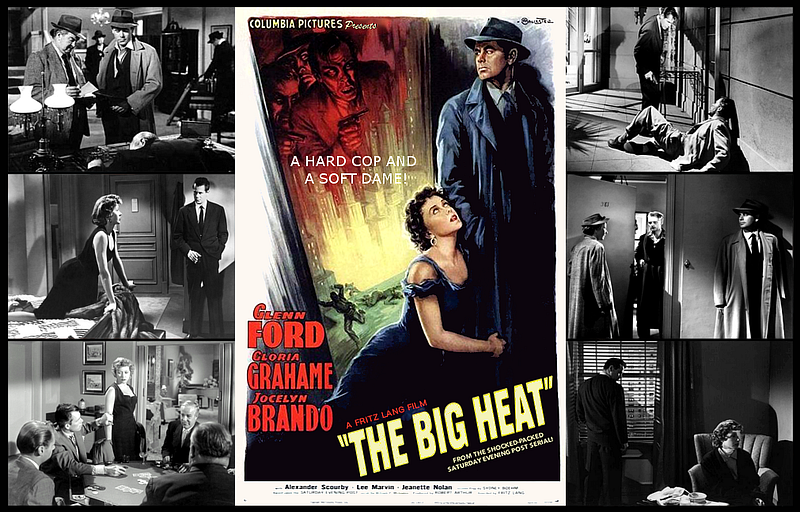
Photograph of film poster with a display of scene images from “The Big Heat”.

Before I get into this, I want to make mention “A FILM TO REMEMBER” will be a series about films that have reached a milestone anniversary since their origin in being culturally, historically, or aesthetically significant. The articles will contain the film’s plot outline, director, cast, a compilation of trivialities, various photos, movie trailer, critical reception and more. So, let’s start:

We are here to mark the celebration of the 65th Anniversary of Fritz Lang’s “The Big Heat”. Let’s take an inside look at the film:

PLOT OUTLINE:

It centers on a cop who takes on the crime syndicate that controls his city.
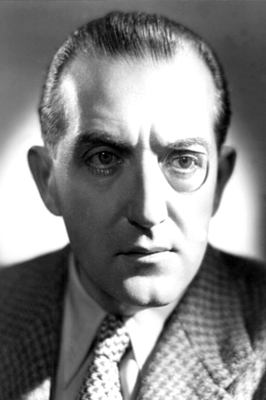
Still image of filmmaker Fritz Lang.

STUDIO:

Columbia Pictures

DIRECTOR:

Fritz Lang

CAST:

  • Glenn Ford … Detective Dave Bannion
  • Gloria Grahame … Debby Marsh
  • Jocelyn Brando … Katie Bannion
  • Lee Marvin … Vince Stone
  • Jeanette Nolan … Bertha Duncan
  • Alexander Scourby … Mike Lagana
  • Adam Williams … Larry Gordon
  • Kathryn Eames … Marge
  • Linda Bennett … Joyce Bannion
  • Chris Alcaide … George Rose
  • Peter Whitney … Tierney
  • Willis Bouchey … Lt. Ted Wilks
  • Robert Burton … Detective Gus Burke
  • Howard Wendell … Police Commissioner Higgins
  • Michael Granger … Hugo
  • Dorothy Green … Lucy Chapman
  • Carolyn Jones … Doris
  • Dan Seymour … Mr. Atkins
  • Edith Evanson … Selma Parker

GENRE(S):

Crime | Film-Noir | Thriller

TAGLINE:

Somebody’s going to pay…because he forgot to kill me…
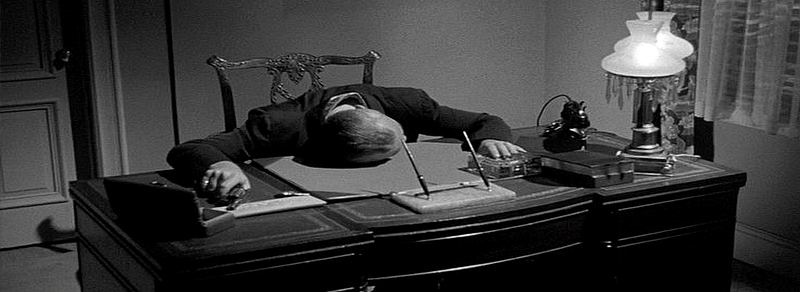
Still image of John Merton in “The Big Heat”.

The film is known for being one of the most accomplished and influential noir that is drum tight with muscular clarity and force at it’s cruelest and darkest. Whereas many noirs contain the tradition of the femme-fatale, it inverts this narrative paradigm as director Fritz Lang brings a scalding face-full of harsh reality with a dramatic incisiveness, a sharp-edged observation that keeps the pitch of interest and excitement continuously high with top-notch performing turns from Glenn Ford, Gloria Grahame and Lee Marvin in this bleak film noir landmark of crime and violent melodrama. The film is based from based on a serial by William P. McGivern, which appeared in the Saturday Evening Post and was published as a novel in 1953, it was critically acclaimed and laid the groundwork for the whole sub-genre of “rogue cop” films that began to surface during the Vietnam era.

Here’s what some of the critical receptions have been for the film over the years:

John Petrakis from Chicago Tribune says: “In many ways, Fritz Lang’s ‘The Big Heat,’ scripted by former crime reporter Sydney Boehm, laid the groundwork not only for ‘Dirty Harry,’ but for the whole sub-genre of ‘rogue cop’ films that began to surface during the Vietnam era.”

Bosley Crowther from New York Times says: “Mr. Lang can direct a film. He has put his mind to it, in this instance, and he has brought forth a hot one with a sting.”

Wally Hammond from Time Out says: “Lang strips down William P. McGivern’s novel to essentials, giving the story a narrative drive as efficient and powerful as a handgun.”

Roger Ebert from Chicago Sun-Times says: “That’s the beauty of Lang’s moral ambidexterity. He tells the story of a heroic cop, while using it to mask another story, so much darker, beneath.”

Variety Staff from Variety says: “Glenn Ford’s portrayal of the homicide sergeant is honest and packs much wallop. Lang’s direction builds taut suspense, throwing unexpected, and believable, thrills at the audience.”
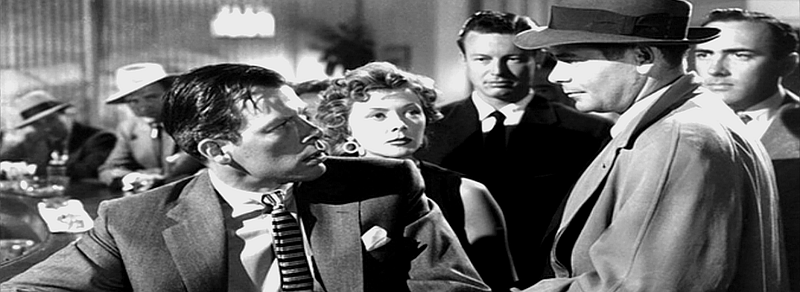
Still image of Lee Marvin (front left), Gloria Grahame and Glenn Ford (front right) in “The Big Heat”.

As you can tell by the critical reactions, the film was widely garnered of praiseworthy though a few pundits felt it never overcomes the basic repulsiveness of its protagonist, but notes that some parts of the film, though violent, are better than the film as a whole. But this film noir turns the role of the femme fatale on its head and establishes the eventual sub-genre of the “revenge thriller” as Lang directs an in-your-face tough cop-gangster noir with ace performances from Ford, Grahame and Marvin in bringing forth a heart that is cold and blackened with a stinging brutality, atmospherically expressionistic and excitingly taut crime noir changing cinema benchmark. But I’ll let you decide…

So, to get a better look at the film, here’s a link to the movie trailer of Fritz Lang’s “The Big Heat”:

Here I have provided 12 interesting and intriguing trivia facts (I wanted to keep it limited) about “The Big Heat”:

  • Executive Producer Jerry Wald hoped to cast either Paul Muni, George Raft or Edward G. Robinson, who worked with director Fritz Lang in “Woman in the Window” (1944) and “Scarlet Street” (1945) for the role of Dave Bannion. Glenn Ford was eventually cast instead.
  • The portrait of Lagana’s mother is of Celia Lovsky, actress and ex-wife of Peter Lorre.
  • Katie Bannion, the wife Dave Bannion is played by Jocelyn Brando, older sister of Marlon Brando.
  • Columbia Pictures wanted to borrow Marilyn Monroe from 20th Century-Fox to play the role of Debby Marsh, but Fox’s asking price was too high. Gloria Grahame was cast instead.
  • Actor Rex Reason was originally cast in this movie to portray Tierney or Detective Burke, but his agent was negotiating for him to play a bigger role in it, possibly that of the villain Vince Stone (played by Lee Marvin), but since there was no agreement reached, Reason did not appear in the film, even though some 1950s era books and magazines sources give him credit for this film. Eventually, Reason wasn’t cast and Peter Whitney was cast for the role of Tierney and Robert Burton was cast in the role of Detective Gus Burke.
  • Mike Lagana (played by Alexander Scourby) says, “Vince gave you two simple contracts”. In the old days gangsters’ slang, a “contract” meant “a murder on request”.
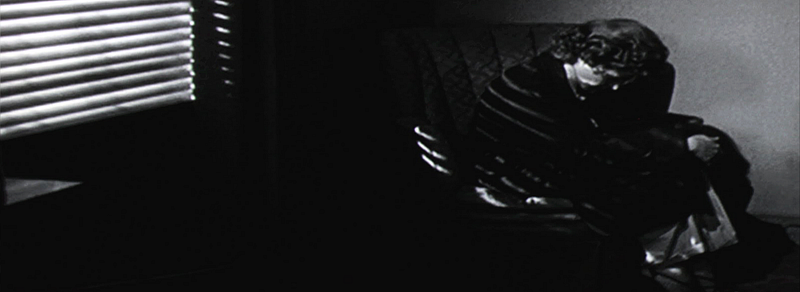
Still image of Gloria Grahame in “The Big Heat”.
  • Listen carefully for the theme song from “Gilda” (1946), a film which was pivotal to Glenn Ford’s career 7 years before “The Big Heat” was made. It is played as Ford is departing from a bar near the end of the film. Director Fritz Lang slyly inserts “Put the Blame on Mame”, which was famously sung by Rita Hayworth in the film.
  • Columbia Pictures paid $40,000 for the right’s to William P. McGivern’ novel.
  • One of only a handful of films made in the golden age of Hollywood, that hasn’t had its original 15 certificate rescinded or lowered by the British Board of Film Classification. This means that the film cannot be viewed legally in the United Kingdom by anyone under the age of 15. Although it may be considered tame by today’s standards, the film contains some scenes that have extreme violence which are graphically described, as well as the disturbing “coffee pot” scene. Another film from this period to still retain this particular age rating in Britain for the same reason is “White Heat” (1949).
  • Screenwriter Sydney Boehm made many changes from the novel such as name changes. Commissioner Higgins (played by Howard Wendell) is not in the novel and Lieutenant Ted Wilks (played by Willis Bouchey) is the corrupt policeman. An honest policeman called Cranston, who was in the novel, was also omitted from the film.
  • In the novel, it is not known until the conclusion that the widow of the policeman who’d killed himself was named Deery in the novel, Bertha Duncan (played by Jeanette Nolan) in the film was blackmailing Mike Lagana. Debby Marsh shoots her and then mortally wounds herself. After Vince Stone is cornered by Dave Bannion, he is killed by another policeman.
  • Instead of taking place in Philadelphia like it was in the novel, the film takes place in the fictional city of Kenport.
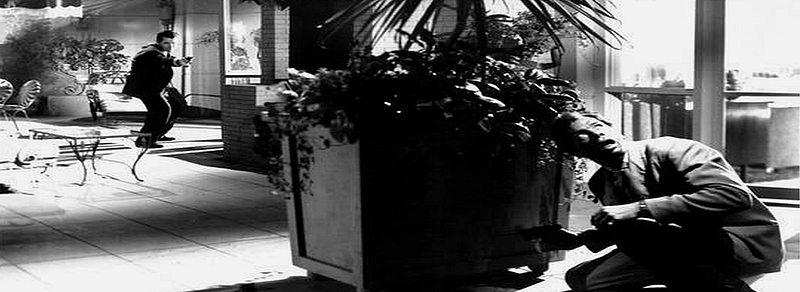
Still image of Glenn Ford (background) and Lee Marvin in “The Big Heat”.

To conclude, Fritz Lang’s “The Big Heat” is everything about the essence of the term “hard boiled,” Fritz Lang, the master of grand expressionist scenes, directs with a stripped down style and a lean narrative drive that kicks hard: just like a shot of hot, black coffee. Perfectly suited to film noir fans who like their stories dark, their characters grim and their principal protagonists decent but morally tested not only by the tragedies which befall its characters but by an all-consuming fatalism and futility, while in extremes of light/shade are tensely focused in the distinguished acts of Glenn Ford, Gloria Grahame and Lee Marvin in this disfiguring and gaunt noir of moral rot, walloping thrills, moody expressionism and tightly drawn suspense filled, genre altering, cinematic milestone.

NOTE: The article contains sources from IMDb and Wikipedia.

Follow me and check out other articles of mine:

Movies
History
Trivia
Photos
Movie Trailer
Recommended from ReadMedium