
A FILM TO REMEMBER: “PAPER MOON” (1973)
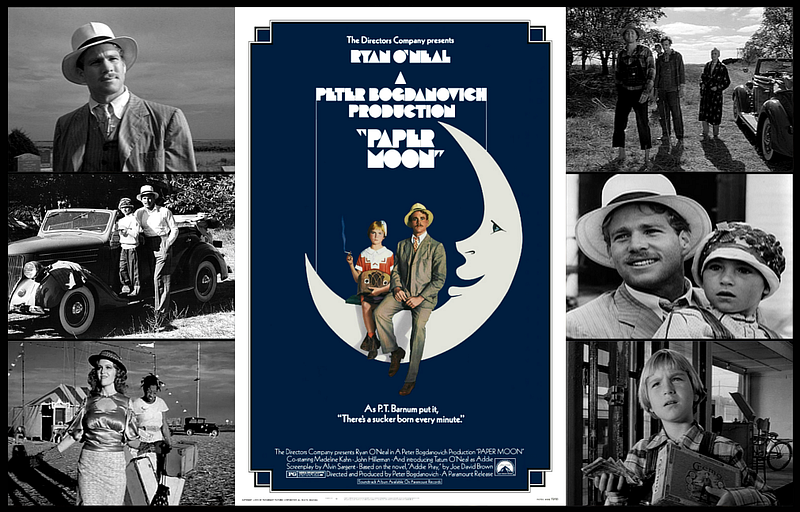
Before I get into this, I want to make mention “A FILM TO REMEMBER” will be a series about films that have reached a milestone anniversary since their origin in being culturally, historically, or aesthetically significant. The articles will contain the film’s plot outline, director, cast, a compilation of trivialities, various photos, movie trailer, critical reception and more. So, let’s start:
We are here to mark the celebration of the 45th Anniversary of Peter Bogdanovich’s “Paper Moon”. Let’s take an inside look at the film:
PLOT OUTLINE:
During the Great Depression, a con man finds himself saddled with a young girl who may or may not be his daughter, and the two forge an unlikely partnership.
STUDIO:
Paramount Pictures
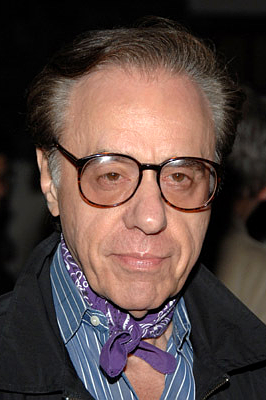
DIRECTOR:
Peter Bogdanovich
CAST:
- Ryan O’Neal … Moses “Moze” Pray
- Tatum O’Neal … Addie Loggins
- Madeline Kahn … Trixie Delight
- John Hillerman … Deputy Hardin / Jess Hardin
- P.J. Johnson … Imogene
- Jesse Lee Fulton … Miss Ollie
- James N. Harrell … The Minister
- Lila Waters … The Minister’s Wife
- Noble Willingham … Mr. Robertson
- Bob Young … Gas Station Attendant
- Jack Saunders … Station Master
- Jody Wilbur … Cafe Waitress
- Liz Ross … The Widow Morgan (Pearl)
- Yvonne Harrison … The Widow Bates (Marie)
- Ed Reed … The Lawman (Bates’ Home)
- Dorothy Price … Ribbon Saleslady
- Eleanor Bogart … The Widow Stanley (Elvira)
- Dorothy Forster … The Widow Huff (Edna)
- Lana Daniel … Moze’s Girlfriend
- Herschel Morris … The Barber
- Dejah Moore … Salesgirl ($20 bill)
- Ralph Coder … Store Manager
- Harriet Ketchum … Store Customer
- Desmond Dhooge … Cotton Candy Man
- Kenneth Hughes … Harem Tent Barker
- George Lillie … The Photographer
- Burton Gilliam … Floyd (Desk Clerk)
- Floyd Mahaney … Beau (Hardin’s Deputy)
- Gilbert Milton … Leroy’s Father
- Randy Quaid … Leroy
- Tandy Arnold … Leroy’s Brother
- Dennis Beden … Leroy’s Brother
- Vernon Schwanke … Leroy’s Brother
- Hugh Gillin … 2nd Deputy
- Art Ellison … Silver Mine Gentleman
- Rose-Mary Rumbley … Aunt Billie
GENRE(S):
Comedy | Crime | Drama
TAGLINE:
As P.T. Barnum put it, “There’s a sucker born every minute.”
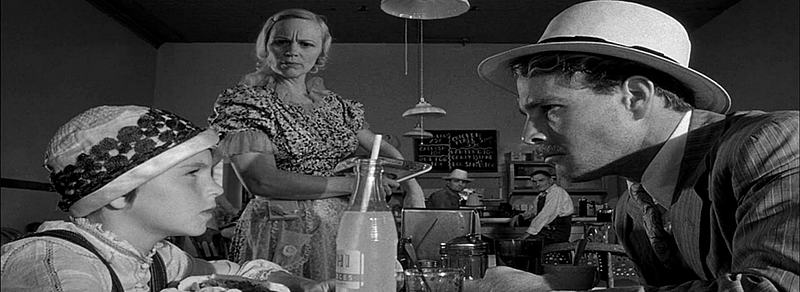
The film is known for being a black-and-white Depression era road mix of folksiness and precise craft of a little family drama about a young con artist and her father as they build a grifting empire in this smoke-and-booze-filled caper. Director Peter Bogdanovich knows exactly how to capture the essence of a bygone cinematic era and still make it relevant to a modern audience, that features real-life father and daughter performances by Ryan O’Neal and a debuting one for Tatum O’Neal that made her the youngest competitive winner in the history of the Academy Awards in this sweet, playful and reverberant Depression Americana classic. The film is based from the novel “Addie Pray” by Joe David Brown, it was critically acclaimed with few criticisms but remains a high point in the annals of cinema.
Here’s what some of the critical receptions have been for the film over the years:
Geoff Andrew from Time Out says: “A charming mixture of Hawksian comedy and Fordian lyricism.”
Ken Hanke from Mountain Xpress (Asheville, NC) says: “The period detail and sound is pretty much perfect. The story is beguiling, the dialogue sparkles and the performances are first-rate.”
Jay Cocks from TIME Magazine says: “It is very fussy about period detail, and goes to some length to evoke the dim days of Depression America, while just about everything else is left to slide.”
Roger Moore from Orlando Sentinel says: “It’s everything a road picture is supposed to be, a life-changing personal journey, a quest, a bit old-fashioned and a hoot.”
TV Guide Staff from TV Guide says: “Bogdanovich’s warmest film, featuring charming performances from real-life father and daughter Ryan and Tatum O’Neal.”
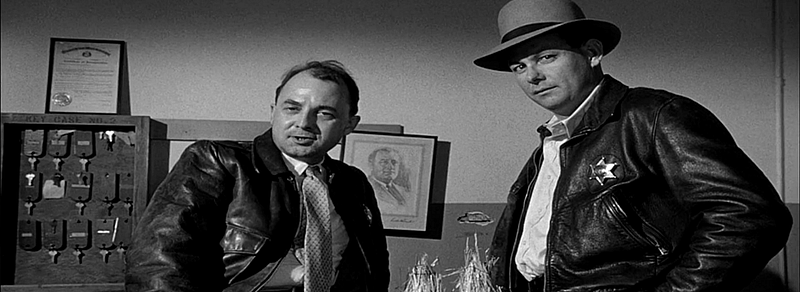
As you can tell by the critical reactions, the film was lauded with much acclaimed praise but certain critics claimed that the film either didn’t know what it exactly wanted to be or was to tangled up about the period details while letting everything else go to the wayside. But Bogdanovich’s magical world has elements of whimsicalness and noir with a documentary feel that meshes finely with the sweet cynicism of its characters that are portrayed by an estimable cast and commendable performances from Ryan O’Neal and especially Tatum O’Neal in this warm, beguiling, period quest piece of a second to none cinematic shell game. But I’ll let you decide…
So, to get a better look at the film, here’s a link to the movie trailer of Peter Bogdanovich’s “Paper Moon”:
Here I have provided 12 interesting and intriguing trivia facts (I wanted to keep it limited) about “Paper Moon”:
- The film project was originally associated with filmmaker John Huston and was to star Paul Newman and his daughter, Nell Potts. However, when Huston left the project, the Newmans became dissociated from the film as well. Director Peter Bogdanovich had just completed “What’s Up, Doc?” (1972) and was looking for another project when his estranged wife and frequent collaborator, Polly Platt, recommended filming Joe David Brown’s script for the novel “Addie Pray”. Bogdanovich had an initial resistance at first about the project, mainly because Platt felt he was ideally suited to the material, both on a pictorial and narrative level. Bogdanovich, a fan of period films, and having two young daughters of his own, found himself drawn to the story, and wounded up selecting it as his next film.
- Bogdanovich wanted his estranged wife Polly Platt to serve as the film’s production designer, but she refused at first, because of her husband’s open affair with Cybill Shepherd, whom he directed in “The Last Picture Show” (1971). Platt acquiesced on the condition that Shepherd not be allowed to visit the Paper Moon set.
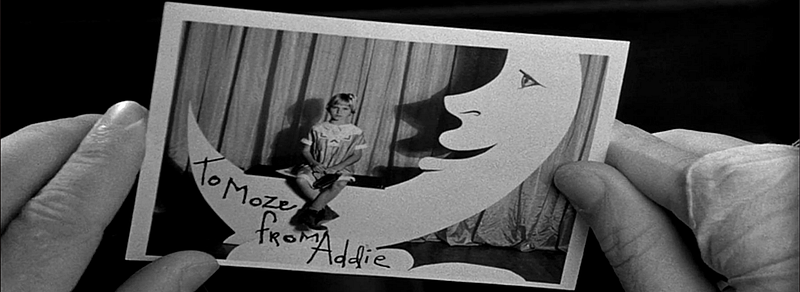
- Peter Bogdanovich didn’t like the title of the novel and decided to change the name of the film from “Addie Pray”. While selecting music for the film, he heard the song “It’s Only a Paper Moon” (by Billy Rose, Yip Harburg, and Harold Arlen). Seeking advice from his close friend and mentor filmmaker Orson Welles, Bogdanovich listed “Paper Moon” as a possible alternative. Welles responded — “That title is so good, you shouldn’t even make the picture, you should just release the title!” Bogdanovich would add the scene in which Addie has her picture taken in a paper moon solely so the studio would allow him to use the title.
- At the suggestion of Polly Platt, Bogdanovich approached eight-year-old Tatum O’Neal to audition for the role although she had no acting experience. Bogdanovich had recently worked with Tatum’s father Ryan O’Neal on “What’s Up, Doc?” (1972), and decided to cast them as the leads.
- Various changes were made in adapting the novel to film. Addie’s age was reduced from twelve to nine to accommodate young Tatum O’Neal, several events from the novel were combined for pacing issues, and the last third of the novel, when Moses (played by Ryan O’Neal) and Addie (played by Tatum O’Neal) graduate to the big leagues as con artists after going into partnership with a fake millionaire, was dropped. The location was also changed from the rural south of the novel — primarily Alabama — to midwestern Kansas and Missouri.
- Peter Bogdanovich has said that the long, one-take sequence where Addie and Moses fight in the car about running out of Bibles took 2 days and 39 takes to get right. It was shot on a one-mile stretch of road just before hitting a very modern portion of the town, so each time a line was flubbed, they would have to turn everything around and drive back.
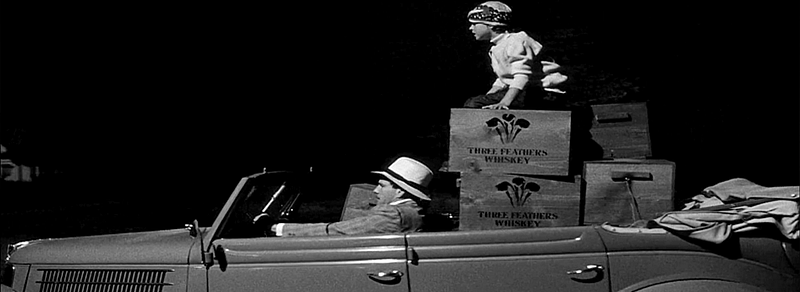
- When Addie is going to meet Moses and a businessman on the corner (near the end of the film) she walks out of the hotel and does a little skip before hitting the street. According to Peter Bogdanovich, Tatum O’Neal was very proud of this little skip — she thought of it on her own.
- In the picnic scene, Madeline Kahn initially refused to say the line “Let Miss Trixie sit up front with her big tits,” objecting to the vulgarity. Director Peter Bogdanovich convinced her to say the line for only one take. This take appears in the final film. Kahn’s odd reaction of embarrassment after saying the line is genuine.
- Some Hollywood insiders suspected that Tatum O’Neal’s performance was “manufactured” by Peter Bogdanovich. It was revealed that the director had gone to great lengths, sometimes requiring as many as 50 takes of some of her scenes, in order to capture the “effortless” natural quality for which Tatum was critically praised. Either way, Bogdanovich maintained later that working with the young actress was “one of the most miserable experiences” of his life.
- Because Tatum O’Neal was so young and had not acted before, Peter Bogdanovich did not show her rushes of her performance, fearing that she would become self-conscious.
- Tatum O’Neal was 10 years old when she won the Academy Award for Best Supporting Actress for her performance in this film, which made her the youngest person ever to win an Oscar in a competitive category. As of 2018, she still holds this record. She was 4 years younger than her rival nominee, Linda Blair, in “The Exorcist” (1973). Interestingly, according to her autobiography, “Paper Life,” Tatum O’Neal states that when she won the Best Supporting Actress for “Paper Moon,” and when Ryan O’Neal wasn’t even nominated, he struck her.
- Peter Bogdanovich didn’t think the film would make much money or would be very successful, and he certainly didn’t think Tatum O’Neal would win an Academy Award.
To conclude, Peter Bogdanovich’s “Paper Moon” has the tone and timbre of a comedy, but the setting and style of the film are somber and more reminiscent of a European arthouse film. Peter Bogdanovich directly seizes with an infrastructure and virtuality in creating an evocation of childhood in a specific time and place (the story is inspired by a Shirley Temple vehicle) and a commentary on it. The film provides a great sense of period detail through a realistic view of the Midwestern flatlands fading into a romantic memory with an easy-going tempo and affectionately drawn characters that are solidly casted and performed foremost from Ryan O’Neal and primarily Tatum O’Neal in making it a reasonably pleasurable ride of a Depression era, life-changing personal journey in this companionship, extortion, mischievousness and hootch-filled criminal, crackerjack bonanza.
NOTE: The article contains sources from IMDb and Wikipedia.
Follow me and check out other articles of mine: